Experience Tanzania’s Serengeti calving season with wildebeest births, predator action, balloon rides, walking safaris, and cultural experience.
The Serengeti calving season on Tanzania safari, typically peaking in February, is one of nature’s most dramatic spectacles where life and survival unfold on an epic scale. During this time, over 500,000 wildebeest give birth on the Ndutu Plains in Southern Serengeti, creating a landscape teeming with newborns, attentive mothers, and lurking predators. A Tanzania safari timed around this phenomenon delivers unmatched wildlife encounters and emotional depth.From thrilling predator hunts and serene balloon safaris to intimate walking tours and vibrant birdwatching, the calving season transforms the Serengeti into a dynamic wilderness theatre. Each experience whether capturing golden-hour photographs or listening to Maasai stories under starlit skies immerses visitors in the rhythm of the land. With abundant wildlife, unique activities, and cultural connections, the Serengeti calving season offers travelers a profound window into Tanzania’s natural heritage. This guide highlights the top things to do during this extraordinary period, ensuring your Tanzania safari is rich in drama, insight, and unforgettable moments. Get ready for nature’s most powerful performance
Best Tanzania safari Packages
2-days-fly-in-serengeti-safari-in-tanzania
2-days-tarangire-national-park-and-ngorongoro-crater-safari
3-days-tanzania-safari-in-serengeti-national-park
3-days-tanzania-wildlife-safari
4-days-epic-tanzania-wildlife-and-culture-safari
5-day-kenya-and-tanzania-safari
5-days-circuit-wildlife-safari-in-tanzania
6-days-ndutu-migration-safari-calving-season
8-day-serengeti-ngorongoro-crater-and-zanzibar
8-days-wildlife-and-beach-holiday-tanzania
8-days-wildlife-safari-tanzania
9-days-zanzibar-and-wildlife-safari
10-days-uganda-and-tanzania-safari-gorillas-chimpanzees-and-wildlife
5-days-mount-kilimanjaro-marangu-route
6-days-mount-kilimanjaro-machame-route
The Best Things to Do During Serengeti Calving Season include
1. Witness Thousands of Wildebeest Births in Ndutu Area, Southern Serengeti
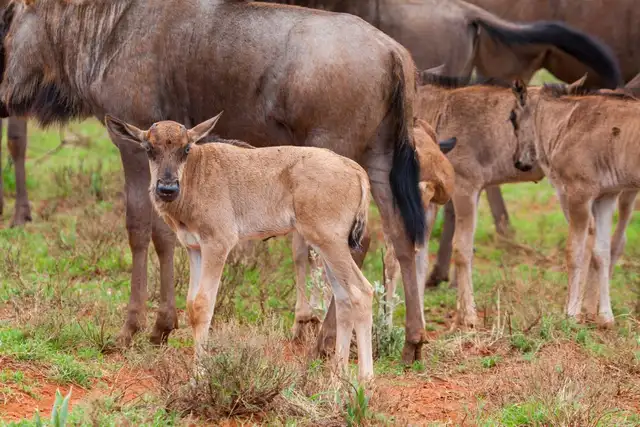
During the Serengeti calving season, the Ndutu Plains become a birthing ground for hundreds of thousands of wildebeest calves, especially in February. This event draws predators and showcases the raw circle of life. A Tanzania safari timed for this period gives travelers front-row access to newborns taking their first steps amid looming threats. Early morning game drives provide quiet, golden light and heightened chances to spot protective mothers and lurking lions. Seeing life begin on such a massive scale makes this one of the most powerful experiences during the Serengeti calving season on a Tanzania safari.
2. Cheetah and Lion Hunts the Predator Action
Predator activity spikes during the Serengeti calving season on Tanzania safari, with cheetahs, lions, and hyenas targeting newborn wildebeest across Ndutu, Gol Kopjes, and Kusini. These locations are prime for spotting hunting strategy and territorial behaviors. On a Tanzania safari focused on predator action, guests benefit from guides who read signs in the grass and anticipate movement. Bringing a good camera and binoculars helps capture fast-paced encounters. The Serengeti calving season offers a window into nature’s toughest survival challenges, making this hunt-viewing opportunity one of the boldest highlights of any Tanzania safari.
3. Hot Air Balloon Safari Over the Calving Grounds
Floating above the herds during the Serengeti calving season offers a completely different perspective. From the air, the Ndutu area unfolds into a tapestry of life and motion, with scattered herds and stalking predators below. A Tanzania safari incorporating hot air balloon rides at sunrise brings serenity to this dramatic event. Though quieter than a vehicle, the balloon allows wide-angle photography and peaceful wildlife observation. Booking in advance is essential during the Serengeti calving season due to limited flight slots and high demand. This unforgettable addition turns any Tanzania safari into a visual celebration of nature.
4. Photography Safaris Perfect for Wildlife Shots
The Serengeti calving season is a photographer’s paradise, offering soft light, dramatic interactions, and a flood of baby animals navigating their first days. Locations like Moru Kopjes and Lake Ndutu provide sweeping backdrops, while guides help position guests for optimal angles. A Tanzania safari designed around photography ensures time at key spots during golden hours. Hiring a specialist guide boosts results and can include post-shoot editing advice. From mothers shielding calves to predators in motion, the Serengeti calving season frames every element of a classic Tanzania safari with clarity and power.
5. Walking Safaris Near Lake Ndutu
For travelers who want to engage more closely with nature, walking safaris near Lake Ndutu offer direct immersion into the Serengeti calving season. Led by armed guides, these treks reveal animal tracks, native plants, and birdlife often missed from vehicles. A Tanzania safari featuring walking elements gives visitors a sense of scale and silence rare in traditional game drives. As migratory birds return and smaller animals appear, the Serengeti calving season becomes more than wildebeest it’s a network of ecosystems awakening together. This style of Tanzania safari delivers both safety and substance through close observation.
6. Night Game Drives Only in Ndutu and Private Conservancies
When the sun sets, the Serengeti calving season doesn’t stop nocturnal predators begin their hunt. Night game drives in Ndutu and nearby conservancies reveal hyenas in stealth mode and leopards patrolling silently. A Tanzania safari with night access allows sightings few travelers get to experience. Using red-filtered lights to minimize disturbance, guides move slowly to track movement and sounds. The Serengeti calving season at night shows nature’s tactical side, complementing daytime views of maternal care and herd migration. These drives are essential for understanding predator balance on an extended Tanzania safari.
7. Visit a Maasai Village Cultural Experience
Beyond wildlife, the Serengeti calving season offers a chance to understand human-nature harmony. Visiting a Maasai village near Ndutu introduces traditional living, wildlife coexistence, and stories passed down generations. A Tanzania safari that includes cultural visits connects travelers to Tanzania’s heritage not just its landscapes. Arriving at sunset lets guests enjoy dances, songs, and storytelling under glowing skies. The Serengeti calving season isn’t just about birth it’s also about tradition, sustainability, and perspective. Adding cultural depth makes any Tanzania safari more balanced and reflective.
8. Birdwatching
The Serengeti calving season overlaps with the wet season, attracting over 200 bird species to shallow lakes and marshes. Flamingos, storks, and raptors join the feast, adding color and sound to the landscape. A Tanzania safari that includes birdwatching offers more than big mammals it reveals hidden wonders. Lake Ndutu becomes a hotspot for migratory visitors and local nesting colonies. Birdwatchers benefit from early drives and quiet observation points. During the Serengeti calving season, birds play a vital ecological role, making them a dynamic part of any Tanzania safari itinerary.
9. Fly-Camping Under the Stars
For those craving solitude, fly-camping near Ndutu during the Serengeti calving season allows guests to sleep under canvas tents in remote zones. This Tanzania safari experience connects travelers to nature without Wi-Fi, noise, or barriers. Nights are filled with animal calls, and mornings begin with coffee in open savannah. Guides and staff keep everything safe and organized. The Serengeti calving season enhances this style of travel, as herds pass nearby and predators vocalize in the distance. Fly-camping shifts the rhythm of a Tanzania safari, offering rare moments of peace and proximity.
10. Combine with Ngorongoro Crater
Just a short drive from Ndutu, Ngorongoro Crater packs incredible wildlife into a volcanic bowl. A Tanzania safari combining crater visits with the Serengeti calving season offers variety without long transfers. Rhinos, elephants, and dense herbivore populations thrive here, providing contrast to the open plains. Morning descents into the crater avoid crowds and catch early animal movement. The Serengeti calving season shows nature’s beginning, while Ngorongoro adds structure and year-round viewing. Together, they build a Tanzania safari full of richness perfect for travelers who want comprehensive experience in a limited timeframe.
Best time for Serengeti calving season on Tanzania safari
The best time for Serengeti calving season on a Tanzania safari is February, when the birthing activity peaks in the Ndutu area of the southern Serengeti and Ngorongoro Conservation Area1. From late January to mid-March, over 500,000 wildebeest calves are born, attracting predators like lions, cheetahs, and hyenas. February offers the most concentrated sightings of newborns and predator interactions, making it ideal for photographers and wildlife enthusiasts. The green season also brings lush landscapes and fewer crowds, enhancing the overall safari experience. For optimal viewing, sunrise game drives and stays near Lake Ndutu or Kusini are highly recommended
How to get there to Serengeti calving season on Tanzania safari
To reach the Serengeti calving season on a Tanzania safari, most travelers start by flying into Kilimanjaro International Airport (JRO) or Arusha Airport (ARK). From Arusha, you can either take a domestic flight to Ndutu Airstrip or drive approximately 6–7 hours to the southern Serengeti and Ndutu area. Flights are faster and ideal for tight schedules, while driving offers scenic views and flexibility. During calving season (January to March), mobile camps are set up near Lake Ndutu and Kusini for close access to birthing grounds and predator activity2. Booking with a trusted safari operator ensures smooth transfers, permits, and expert guides who know how to track wildlife during this peak season
Top Serengeti combos on Tanzania Safari
1. Classic Northern Circuit
The Classic Northern Circuit is a top Tanzania safari itinerary for first-time visitors and wildlife lovers. Covering Serengeti, Ngorongoro Crater, Tarangire, and Lake Manyara over 6–8 days, it offers the full Big Five experience. Travelers witness the Great Migration, tree-climbing lions, and vast elephant herds while exploring landscapes rich in biodiversity. This Tanzania safari runs smoothly year-round, with peak wildlife activity from June to October and calving season in January–February. Its blend of accessibility and high game density makes it a reliable choice for those seeking variety, value, and incredible safari photography opportunities.
2. Serengeti and Zanzibar
Pairing the Serengeti with Zanzibar blends wildlife and beach relaxation into one unforgettable Tanzania safari. After exploring the plains and crater for 3–5 days, guests fly to Zanzibar for spice tours, history in Stone Town, and sun-soaked beaches like Nungwi. Snorkeling around Mnemba Island adds adventure, making this itinerary ideal for romantic getaways or families looking for balance. The Tanzania safari experience begins with big cats and ends with ocean breezes, best timed for June–October or January–February when weather across both regions is pleasant and wildlife viewing is exceptional.
3. Serengeti and Mahale Mountains
This unique Tanzania safari combines classic game drives in the Serengeti with primate encounters in Mahale Mountains National Park. Over 8–10 days, travelers view lions and cheetahs on the plains before flying to Lake Tanganyika to trek wild chimpanzees in forested slopes. Boat safaris and kayaking add diversity, appealing to those interested in less conventional routes. The Tanzania safari experience here feels personal and remote, offering dramatic wildlife contrasts and peaceful lake moments. Dry season from May to October is ideal for both regions, ensuring smooth logistics and prime viewing conditions.
4. Serengeti with Ruaha or Selous
For solitude and rare species, this Tanzania safari explores Serengeti followed by southern parks Ruaha or Selous (Nyerere). Spanning 8–12 days, it features lion prides in Ruaha and boat safaris on the Rufiji River in Selous. Travelers enjoy fewer crowds and greater intimacy with nature. Wild dogs, elephants, and birdlife round out the sightings, while the Serengeti anchors the trip with migration or calving highlights. This Tanzania safari itinerary suits seasoned travelers or photographers seeking something fresh. Dry season, June–October, offers optimal conditions in both regions.
5. Serengeti and Kilimanjaro
Combining Mount Kilimanjaro trekking with Serengeti game drives makes this Tanzania safari a dream for adventurers. Travelers climb via the Machame or Lemosho routes over 6–8 days, then spend 3–4 days spotting wildlife in Serengeti and Ngorongoro. This 10–14 day itinerary merges fitness and nature, ideal for travelers seeking challenge and reward. The Tanzania safari portion provides recovery time and breathtaking animal encounters. For best results, schedule during January–February or June–October for favorable trekking and safari conditions across the northern circuit.
6. Luxury Serengeti with Grumeti
For those craving exclusivity, this luxury Tanzania safari itinerary centers on Grumeti Reserves. Over 5–7 days, guests enjoy private lodges, year-round migration sightings, and premium experiences like hot air balloon safaris. Night drives add a rare dimension, revealing nocturnal behavior in peace. Combining Central Serengeti with Grumeti avoids crowds and enhances privacy. This Tanzania safari is tailored for honeymooners, VIPs, or wildlife enthusiasts who prioritize quality over quantity. Grumeti shines May–July, but this upscale route is available year-round.
7. Serengeti and Katavi
Wildernes seekers, the Serengeti and Katavi duo offers remote beauty and dramatic wildlife. Few visit Katavi, making it a top choice for Tanzania safari travelers who want untouched experiences. Buffalo herds, hippo pools, and fly-camping are highlights across 8–10 days. Walking safaris reveal details missed in vehicles, and Katavi’s isolation ensures true connection with nature. The Serengeti portion delivers migration or predator action, completing the contrast. A Tanzania safari to these regions is best between May and October, when animals concentrate at water sources and travel logistics improve
What is the calving season in Tanzania?
The calving season in Tanzania refers to the period when over 500,000 wildebeest give birth in the southern Serengeti and Ndutu area, typically between January and March. This phase of the Great Migration is known for intense predator-prey interactions, as newborn calves attract lions, cheetahs, and hyenas. The lush grasslands, enriched by volcanic soil, provide ideal conditions for nursing and grazing. For travelers seeking dramatic wildlife scenes, this is a prime time for a Tanzania safari, especially for photographers and nature enthusiasts. The calving season offers a quieter yet deeply immersive experience compared to the river crossings later in the year
What are the best months for safari in Serengeti?
The best months for a Tanzania safari in the Serengeti are June to October and January to February, depending on what you want to see. June to October marks the dry season, ideal for spotting wildlife around water sources and witnessing the Great Migration’s river crossings. January to February is perfect for the Serengeti calving season, with thousands of wildebeest births and heightened predator activity. April and May are wetter and less popular due to muddy roads and dense vegetation, though they offer lower prices and fewer crowds. Each season brings unique highlights to a well-planned Tanzania safari
What season do Serengeti Buffalo give birth?
Buffalo in the Serengeti typically give birth during the wet season, which spans from November to April, with a peak around February and March. This timing aligns with abundant food and water, helping mothers recover and calves grow stronger. Unlike wildebeest, buffalo births are more spread out and less synchronized, making them harder to predict. However, during the Serengeti calving season, buffalo herds are often seen with newborns alongside wildebeest and zebra. Including buffalo sightings during this period adds depth to a Tanzania safari, especially for travelers interested in observing varied herbivore behavior
What month do wildebeest give birth?
Wildebeest give birth primarily in February, during the peak of the Serengeti calving season. Around 8,000 calves are born daily in the Ndutu area, creating a dramatic spectacle of life and survival. This synchronized birthing strategy overwhelms predators and boosts calf survival rates. The green season’s nutrient-rich grasses support lactating mothers and fast-growing calves. For those planning a Tanzania safari, February offers unmatched opportunities to witness newborns taking their first steps and predators on the hunt. It’s a raw, powerful time to explore the southern Serengeti and Ngorongoro Conservation Area
What to carry for Serengeti calving season on Tanzania safari
Packing for the Serengeti calving season on a Tanzania safari means preparing for both wildlife action and unpredictable weather. Bring neutral-colored clothing (khaki, olive, beige) to blend into the environment and avoid attracting insects. Include light layers for warm days and cool mornings, plus a rain jacket for occasional showers. Essential gear includes binoculars, a camera with zoom lens, and extra batteries to capture predator-prey moments. Add insect repellent, sunscreen, and a wide-brimmed hat for protection. Comfortable walking shoes, sunglasses, and a daypack are useful for game drives and short walks. For evenings, pack warm sleepwear and a flashlight. Don’t forget personal medications, travel documents, and a refillable water bottle. Soft-sided luggage is recommended due to weight limits on domestic flights2. This setup ensures you're ready for the drama and beauty of the Serengeti calving season on your Tanzania safari
Best places to stay during Serengeti calving season and Tanzania safari
During the Serengeti calving season on a Tanzania safari, the best places to stay are mobile camps and lodges located in the Ndutu area of the southern Serengeti and Ngorongoro Conservation Area. Top choices include Ndutu Safari Lodge, known for its authentic atmosphere and proximity to birthing grounds, and Serengeti Wildebeest Camps, which follow the migration path and offer luxury tents with en-suite bathrooms. These accommodations place you close to predator action and newborn sightings during peak calving in February. Mobile camps like those recommended by Africa Safari Travellers relocate seasonally to keep guests near the herds, ensuring prime wildlife access. Booking early is essential, as availability during calving season is limited and demand is high
Booking your Tanzania safari with Lamz Tours and Travel
Booking your Tanzania safari with Lamz Tours and Travel ensures a personalized, seamless journey into East Africa’s most spectacular landscapes and wildlife encounters. Whether you’re drawn to the drama of the Serengeti calving season, the thrill of predator action, or immersive cultural experiences, Lamz Tours and Travel curates itineraries tailored to your interests be it luxury, photography, family adventures, or eco-tourism. With expert planning, local insight, and a commitment to ethical travel, your safari becomes more than just a trip it’s a meaningful exploration of Tanzania’s natural beauty and cultural heritage. To get started, visit Lamz Tours and Travel.com, email info@Lamz Tours and Travel.com, or call +000 000 000 000 / +000 000 000 000 for expert guidance
Ready to plan your safari?
Talk to a Lamz Tours specialist and get a tailor-made quote.
Make an enquiry