Safari Malawi Africa offers boat trips, rhino tracking, Big Five drives, lake kayaking, night drives, walking safaris, birdwatching, and cultural visits.
Don’t miss out on the best of safari Malawi Africa, a destination that blends river adventures, wildlife tracking, and lake activities into one diverse experience. Malawi’s national parks and reserves, including Liwonde, Majete, and Nyika, offer unique opportunities to see elephants, lions, rhinos, and hippos in settings that feel far less crowded than other safari regions. A boat safari on the Shire River brings you close to hippos and crocodiles, while tracking black rhinos on foot with expert rangers adds rare excitement. Majete Wildlife Reserve delivers classic Big Five drives, and Nyika Plateau offers walking and horseback safaris across rolling grasslands.
Beyond wildlife, safari Malawi Africa extends to Lake Malawi, where kayaking, snorkeling, and sunset dhow cruises showcase the country’s aquatic beauty. Birdwatchers thrive with over 300 species on islands like Nankoma, while cultural stops such as Lilongwe Wildlife Centre highlight conservation efforts. Whether you prefer guided drives, self-drive independence, or peaceful lake activities, Malawi’s safaris combine adventure, relaxation, and authentic encounters. This mix of land and water experiences ensures your safari Malawi Africa is both rewarding and memorable
Top African safari tours now
3 Days Gorilla Trekking Safari in Rwanda
3 Days Chimpanzee Trekking Safari in Nyungwe Forest, Rwanda
4 Days Nyungwe Forest National Park and Lake Kivu Safari
4 Days Golden monkeys And Gorilla Trekking Safari
5 Days Amboseli and Tsavo West Wildlife Safari
6 Days Mount Kilimanjaro Machame Route
8 Day Serengeti, Ngorongoro Crater and Zanzibar
The Best things to do (activities) on safari Malawi Africa
1. Boat Safari on the Shire River in Liwonde National Park
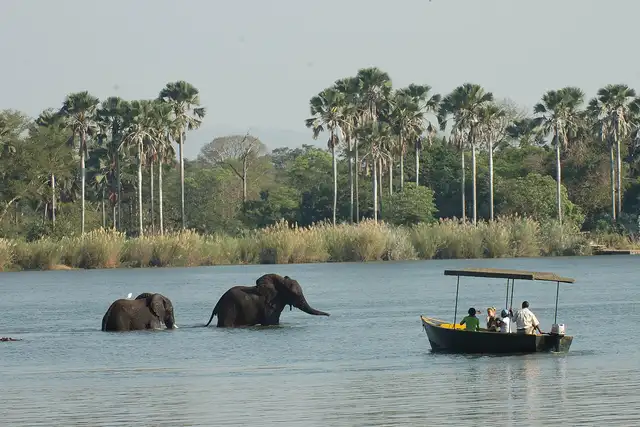
A boat safari on the Shire River gives you a calm start to your safari Malawi Africa. You push off from the dock and within minutes see elephants drinking on the shore and hippos surfacing close to your boat. Crocodiles lie on muddy banks with their mouths open to cool down. The guide cuts the engine near papyrus reeds so you can watch fish eagles dive for food. This boat trip lasts 1.5 hours and works best at midday when animals come to the river to drink. Most safari Malawi Africa packages include this as an add-on for a fair price. No engine noise means birds do not fly away. You stay seated in a stable boat no risk of tipping because the river is calm. Wear a hat and sunscreen. Bring a camera with zoom.
2. Track Black Rhino on Foot in Liwonde National Park
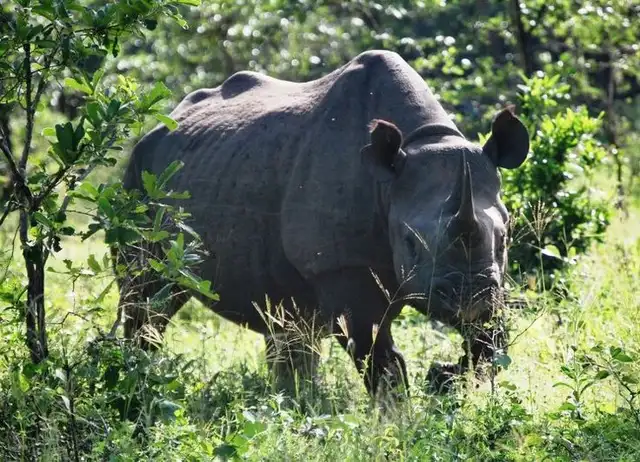
Tracking black rhino on foot is a rare activity on safari Malawi Africa. You join an armed ranger and a guide who have tracked rhinos daily for years. You walk in a single file line through bush paths, looking at footprints, broken branches, and fresh dung to find the animal. The ranger stops often to listen and point out signs you would miss on your own. When you find a rhino, you stay downwind and keep a safe distance. This walk lasts 1 to 2 hours in early morning. You must book this in advance for your safari Malawi Africa because only park rangers with permits can lead it. Children under 12 cannot join. No loud talking or stepping off the path.
3. Classic Big Five Game Drive in Majete Wildlife Reserve
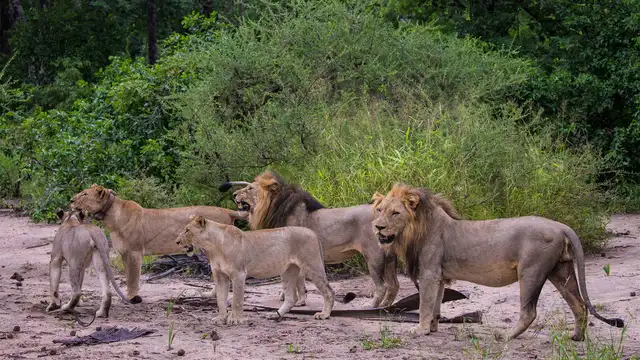
Majete Wildlife Reserve offers the best chance to see the Big Five on safari Malawi Africa. Lions, leopards, elephants, buffalo, and black rhinos all live here after successful reintroduction programs. You go out in an open 4x4 vehicle with a guide who knows where each species hides at different times of day. Morning drives from 6 to 9 AM catch predators returning from night hunts. Afternoon drives from 4 to 6 PM catch animals coming to water before dark. The terrain is rugged with rocky hills and river valleys. Unlike crowded parks elsewhere on safari Malawi Africa, you may go hours without seeing another vehicle. Bring binoculars and a jacket for cold mornings.
4. Kayaking and Snorkeling on Lake Malawi
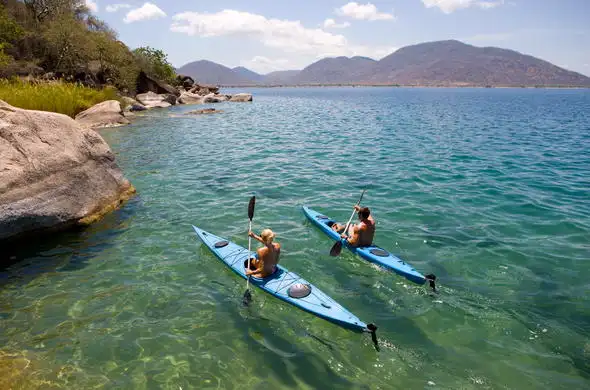
Lake Malawi holds over 1,000 species of colorful cichlid fish found nowhere else on earth. Kayaking on safari Malawi Africa lets you paddle quietly along the shoreline while fish eagles call overhead. The water is so clear you see bright blue and yellow fish swimming below your kayak. You can stop anywhere, tie your kayak to a rock, and snorkel straight from the boat. The lake has no dangerous marine life, so swimming is safe. Lodges in Cape Maclear and Nkhata Bay rent kayaks and snorkel gear. This activity works best from May to October when the water is calm. No experience is needed for your safari Malawi Africa kayaking trip. Bring a dry bag for your phone and camera.
5. Night Drive in Majete Wildlife Reserve
A night drive shows you animals that disappear during daylight hours on safari Malawi Africa. You go out after sunset with a spotter using a powerful flashlight to scan the bush. Serval cats, civets, bushbabies, and spotted hyenas become active once the temperature drops. Leopards leave their daytime hiding spots to hunt at dusk, giving you a rare chance to see them climbing trees with fresh kills. The night drive lasts about 2 hours and starts at 7 PM. You must book this in advance for your safari Malawi Africa because only park rangers lead it. The cool night air feels good after a hot day. Bring a warm jacket. No walking outside the vehicle.
6. Walking Safari in Nyika National Park
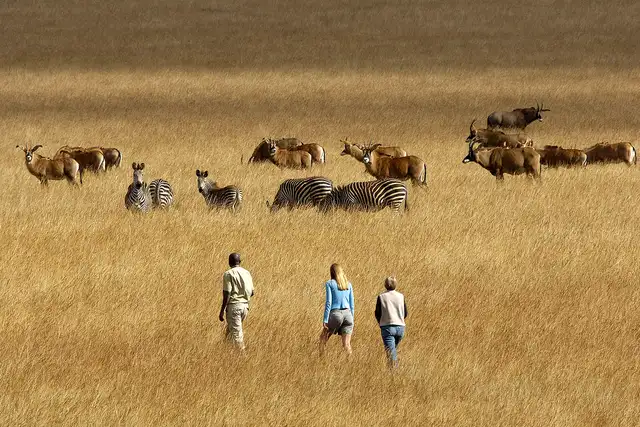
Nyika National Park sits on a high-altitude plateau at 8,000 feet with rolling grasslands and misty forests. A walking safari on safari Malawi Africa in Nyika is different from anywhere else. You follow clear trails with dramatic views, walking for 2 to 4 hours at a slow pace. You see large herds of zebra, roan antelope, and eland grazing on open grass. The cooler temperatures make walking comfortable even at midday. Your guide points out animal tracks, rare orchids, and bird calls. This is safe because dangerous predators are not common on this part of safari Malawi Africa. Wear sturdy boots and bring a rain jacket. No special fitness needed. Children over 12 can join.
7. Visit Lilongwe Wildlife Centre
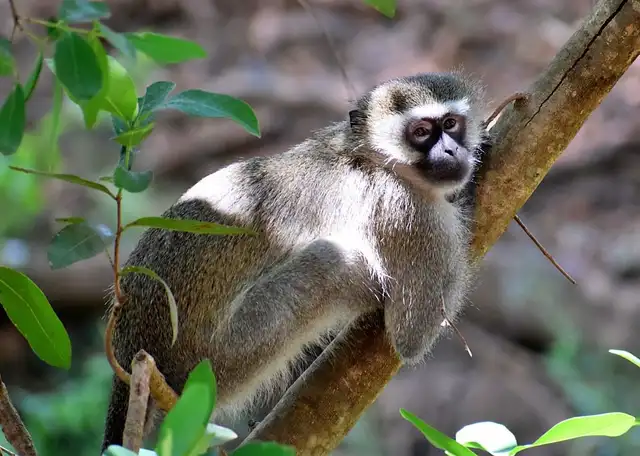
The Lilongwe Wildlife Centre is Malawi's only sanctuary for rescued and orphaned wild animals. Visiting here on safari Malawi Africa shows you the real work of conservation beyond game viewing. The centre cares for injured and orphaned animals, especially primates like vervet monkeys and baboons that have been victims of the pet trade. A guided tour takes you through the enclosures where staff explain how each animal arrived. The goal is always release back into the wild. The centre has a small education building and a cafe. The visit takes 1 to 2 hours. This is not a game drive, but it adds meaning to your safari Malawi Africa because you understand the challenges animals face outside protected areas.
8. Sunset Dhow Cruise on Lake Malawi
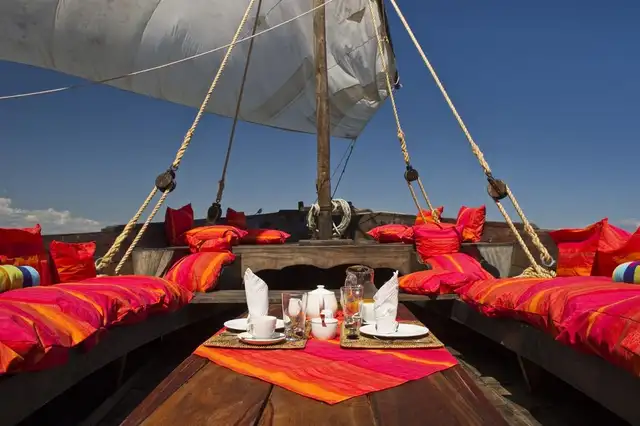
A sunset dhow cruise is a slow, quiet way to end your day on safari Malawi Africa. Traditional wooden boats with fabric sails take you out on the lake as the sun drops below the horizon. There is no engine noise, just wind and water. You see fishermen preparing their nets for the night and birds returning to shore. The lake reflects orange and red light, and the temperature cools down after a hot afternoon. Most cruises last 1 hour and include a soft drink or sparkling water. You stay seated on cushions in the boat. No swimming. No walking. This activity is not about wildlife, but it gives your safari Malawi Africa a peaceful end each day. Lodges in Cape Maclear offer this daily. Bring a light jacket.
9. Visit Nankoma Island for Walking Trails and Birdwatching
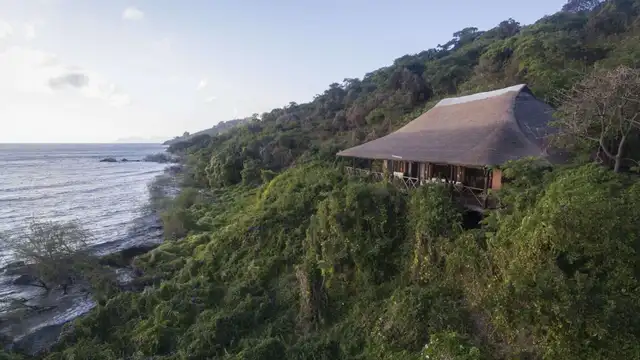
Nankoma Island is part of the Marelli Islands in Lake Malawi National Park. Getting here on safari Malawi Africa requires a boat transfer from Senga Bay, but the trip is worth it. The island has moderate walking trails that take you past towering baobab trees, giant monitor lizards, and over 300 bird species. African fish eagles are everywhere you see them diving for fish and calling from high branches. Early morning walkers sometimes spot the African pitta, a colorful bird that birdwatchers love. The staff offers guided tours. You can also snorkel from the island's beaches because the lake's cichlid fish gather close to shore. Your safari Malawi Africa includes this island as a peaceful break from vehicle drives. No cars, just trails.
10. Horseback Riding in Nyika National Park
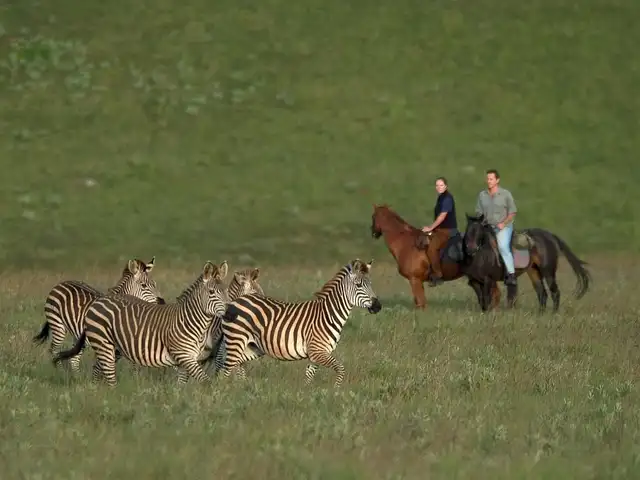
Horseback riding gives you a quiet way to move through the bush on safari Malawi Africa. In Nyika Plateau, you ride through open grasslands where zebras and antelope graze close to the trail. Horses make almost no noise compared to vehicles, so wildlife does not run away. You see the landscape from a higher position than walking, and you cover more ground than on foot. Guides adjust the pace to your comfort level beginners walk slowly, experienced riders can trot on open sections. Rides last 1 to 3 hours. This activity is available from lodges like Chelinda. It is not for everyone you need basic riding confidence for your safari Malawi Africa horseback trip. Wear long pants and closed shoes. No special gear needed.
When is the best time to go for safari Malawi Africa
The best time for safari Malawi Africa is the dry season from May to October. During these months, rain is rare, and animals gather around permanent water sources like the Shire River in Liwonde and the dams in Majete. This makes wildlife much easier to spot because you do not search through tall grass or drive on muddy roads that get stuck. Elephants, lions, and rhinos stay near water, so your game drives become more productive. Temperatures are cooler from May to July, which is comfortable for walking safaris and boat trips. The dry season also means fewer mosquitoes, lowering malaria risk. Your safari Malawi Africa during May to October gives you the highest chance of seeing the Big Five in Majete and Liwonde.
The wet season from November to April also works for safari Malawi Africa but with trade-offs. You see more birds because migratory species arrive from Europe and Asia. The landscape turns green and makes for beautiful photos, especially on Lake Malawi. However, animals spread out across the park because water is everywhere, so you drive longer to find them. Roads become slippery and some tracks close. Prices for lodges and vehicle hire drop by 20–30% in wet months, saving you money. If you care more about birds than big mammals, and you want lower costs, the wet season suits your safari Malawi Africa just fine. Bring a rain jacket and expect afternoon showers from January to March.
How to get there for safari Malawi Africa
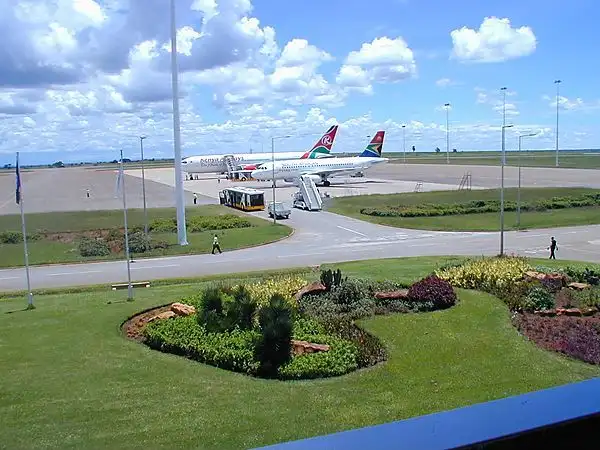
Getting to Malawi for your safari Malawi Africa is straightforward. You fly into Lilongwe (LLW) or Blantyre (BLZ) via Nairobi, Johannesburg, or Addis Ababa Ethiopian Airlines, Kenya Airways, and South African Airways have regular flights. From Lilongwe, you drive 2.5 hours to Majete Wildlife Reserve or 3.5 hours to Liwonde National Park on paved roads. Your safari Malawi Africa operator usually provides a 4x4 vehicle and driver, picking you up from the airport or your hotel. For self-drive, rent a 4x4 in Lilongwe (standard cars will not handle park tracks) and follow signs to the park gates. Public buses run from Lilongwe to major towns, but you then need a taxi to the park this is not recommended because you have no vehicle inside the park. Domestic flights to Mvuu or Majete airstrips are possible but expensive. The road drive is your best option
Best safari tips for experiencing safari Malawi Africa
Pack smart for your safari Malawi Africa to stay comfortable and safe. Bring neutral-colored clothes khaki, green, or beige so you do not stand out to animals. Avoid bright white and dark blue because tsetse flies are attracted to them. Long pants and long-sleeved shirts protect you from mosquitoes during morning and evening drives. A fleece or light jacket is necessary because early mornings on an open vehicle are cold (10–15°C). Sunscreen, a wide-brimmed hat, and sunglasses protect you from midday heat. Binoculars are your most important tool without them you miss distant lions and birds. Your safari Malawi Africa experience improves greatly with a camera that has a zoom lens (200mm minimum). Insect repellent with DEET keeps mosquitoes and flies away. Sturdy closed-toe shoes protect you if you step out for sundowners.
Plan your activities ahead for a smooth safari Malawi Africa. Book night drives and walking safaris in advance because only park rangers with permits can lead them. Bring enough cash in US dollars or Malawian kwacha because most lodges have no card machines. Charge your devices fully before each game drive power may be limited to certain hours at tented camps. Drink only bottled or filtered water to avoid stomach issues. Listen carefully to your guide's safety instructions, especially on walking safaris. The best safari Malawi Africa mornings start at 5:30 AM when animals are most active, so go to bed early. Do not wear perfume or cologne strong smells attract insects. Pack any prescription medicines plus basic painkillers
Best accommodation options during safari Malawi Africa
The best accommodation options for your safari Malawi Africa range from luxury riverfront lodges to rustic eco-camps. In Liwonde National Park, Mvuu Lodge offers eight spacious tented suites raised over a lagoon where you watch hippos and elephants from your private deck, with game drives, boat safaris, and rhino tracking included . Also in Liwonde, Kuthengo Camp has just four modern tents under baobab trees, each with a private deck and outdoor shower, starting at $420 per night . For a budget option in Liwonde, Chimwala Bush Camp reopened in 2026 with eight safari tents and a family cottage, all with private bathrooms and solar power . In Majete Wildlife Reserve, Mkulumadzi Lodge sits on the Shire River with eight contemporary chalets featuring sunken bathtubs and outdoor rain showers, starting at $390 per night, while Thawale Lodge offers six chalets facing a floodlit waterhole from $270 per night . For your safari Malawi Africa on Lake Malawi, Mumbo Island Camp provides six eco-tents on a deserted island with kayaking and snorkeling, and Safari Beach Lodge near Senga Bay offers chalets on the lakeshore from $130 per night
Booking safari Malawi Africa with Lamz Tours and Travel
Booking your safari Malawi Africa with Lamz Tours and Travel is a direct and reliable process that saves you time and removes guesswork. You contact them through Our website or email at info@Lamz Tours and Travel.com, and their team builds a custom itinerary matching your interests, budget, and travel dates . We handle everything for your safari Malawi Africa park entry fees, accommodation at lodges like Mvuu Lodge in Liwonde or Thawale Lodge in Majete, 4x4 transport, boat safaris, walking tours, and expert driver-guides who know where to find the Big Five . Our 7-day Malawi Safari Tour includes Majete Wildlife Reserve for rhino tracking, Lake Malawi for snorkeling, and cultural stops at Chongoni Rock Art, with clear pricing and no hidden costs . For budget travelers, they offer a 9-day budget safari covering Nyika Plateau, Nkhotakota, and Liwonde . Book your safari Malawi Africa at least 3–6 months ahead for dry season travel from May to October to secure your preferred dates
Ready to plan your safari?
Talk to a Lamz Tours specialist and get a tailor-made quote.
Make an enquiry