Kenya Safari Holidays bring migration drama, big cats, elephants, flamingos, and coast escapes, offering diverse wildlife and cultural experiences
Are you wondering the best activities to do on Kenya Safari Holidays? The truth is, Kenya offers far more than just game drives. From witnessing the Great Migration in the Maasai Mara to tracking elephants in Amboseli against the backdrop of Mount Kilimanjaro, every experience adds depth to your safari. Hot air balloon rides at sunrise, bush walks with Maasai guides, and visits to conservation hubs like Ol Pejeta all bring unique perspectives to wildlife viewing. Kenya Safari Holidays are not only about animals but also about connecting with landscapes, cultures, and conservation efforts that make the country stand out as a premier safari destination.
What makes Kenya Safari Holidays even more rewarding is the diversity of activities you can combine. You can enjoy night drives in private conservancies, photograph flamingos at Lake Nakuru, or relax on the Indian Ocean coast after days in the bush. Each activity complements the other, giving travelers a balanced mix of adventure, education, and relaxation. Whether it’s watching lions climb trees, boating on Lake Naivasha, or seeing Tsavo’s red elephants, Kenya Safari Holidays provide options that suit different interests and travel styles. By planning carefully, you ensure your safari is not only memorable but also meaningful
Best Africsn safari holidays packages
3 Days Gorilla Trekking Safari in Rwanda
3 Days Chimpanzee Trekking Safari in Nyungwe Forest, Rwanda
4 Days Nyungwe Forest National Park and Lake Kivu Safari
4 Days Golden monkeys And Gorilla Trekking Safari
5 Days Amboseli and Tsavo West Wildlife Safari
6 Days Mount Kilimanjaro Machame Route
8 Day Serengeti, Ngorongoro Crater and Zanzibar
What are the places to visit for Kenya Safari Holidays
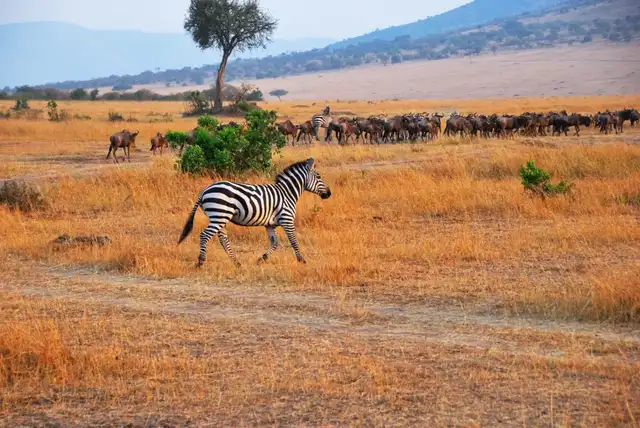
Kenya Safari Holidays offer a wide range of places that combine wildlife, landscapes, and cultural richness into one experience. From the sweeping savannahs of the Maasai Mara, where the Great Migration unfolds, to the diverse habitats of Amboseli with its backdrop of Mount Kilimanjaro, the country provides unmatched variety. Kenya Safari Holidays also extend to Tsavo’s rugged terrain, Samburu’s unique species, and the tranquil lakes of the Rift Valley. Each destination adds a different layer to the safari, whether it’s predator action, birdlife, or dramatic scenery.
Beyond the famous reserves, Kenya Safari Holidays can include coastal escapes along the Indian Ocean, where white-sand beaches complement the wildlife adventure. Combining bush and beach creates a balanced itinerary that appeals to travelers seeking both relaxation and action. The diversity of Kenya Safari Holidays ensures that visitors can tailor their trip to focus on migration drama, cultural encounters, or quieter wilderness areas, all within one country
The Best Things to Do (Activities) on Kenya Safari Holidays
1. Witness the Great Migration in the Masai Mara
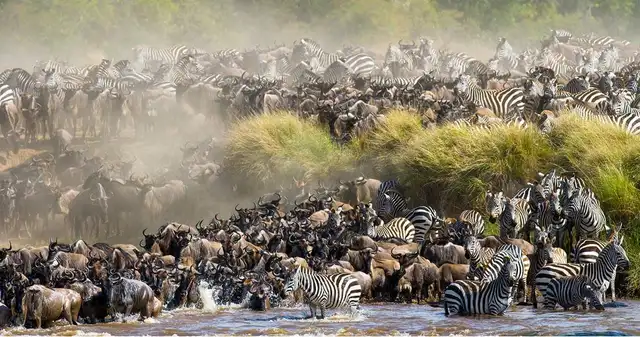
Between July and October, over 1.5 million wildebeest cross the Mara River right in front of you. You need to be at the riverbank early, around 7 AM, because the crossing happens without warning. Crocodiles wait in the water, and lions watch from the grass. Your Kenya safari holidays become special when you see this event. Stay at a camp near the river so you do not waste time driving. Book a private 4x4 vehicle, not a crowded minibus. This gives you freedom to wait at the best spot. Many people come for this alone, so plan your Kenya safari holidays at least six months ahead for July to October.
2. Float Above the Savannah in a Hot Air Balloon
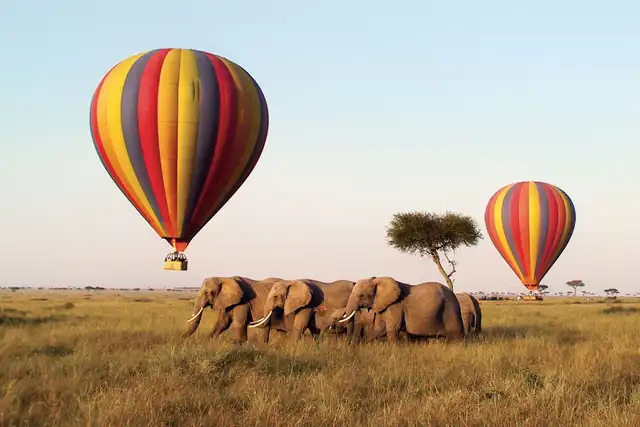
You pay about $400 per person for a one-hour balloon ride at sunrise. The basket holds 12 to 16 people. You see herds of elephants and zebras from above without disturbing them. The ride starts at 5 AM, and you land around 7 AM for breakfast in the bush. Do not expect luxury breakfast. You get coffee, juice, and pastries on a table set in the grass. This activity works best on Kenya safari holidays during dry months from June to October. Book the balloon ride two months before your trip. The company picks you up from your camp and returns you by 9 AM for your regular game drive.
3. Track Elephants Against Mount Kilimanjaro in Amboseli
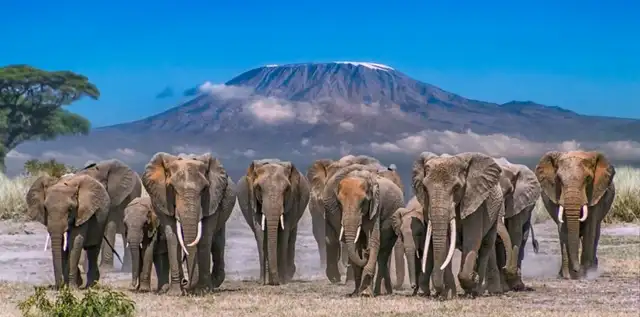
Amboseli National Park holds over 1,000 elephants, including bulls with tusks so long they touch the ground. You see them best in the morning between 6 AM and 9 AM when Kilimanjaro has no clouds. Drive to the swamps where elephants feed on grass. The park roads are rough, so use a 4x4 vehicle. Your Kenya safari holidays should include two nights here. One day is not enough because clouds cover the mountain most afternoons. Bring a camera with a zoom lens. The elephants walk right up to your vehicle. Stay at a lodge inside the park so you reach the swamps before other tourists arrive.
4. Go on an Electric Safari in Private Conservancies
Some camps now use electric Land Cruisers that run on solar power. These vehicles make almost no noise, so animals do not run away. You get closer to lions, cheetahs, and leopards than in diesel cars. Private conservancies like Mara Naboisho allow night drives, which national parks ban. The battery lasts for a full morning drive of four hours. Your Kenya safari holidays cost more in private conservancies, but you avoid the crowds. Only a few camps offer electric safaris, including Emboo River Camp. Book this type of Kenya safari holidays at least three months early because only two or three vehicles exist in each camp.
5. Walk Through the Bush with Maasai Guides
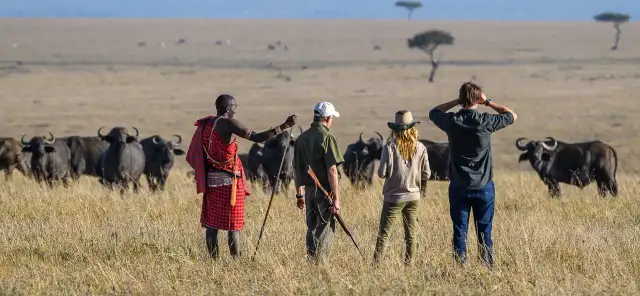
You leave the vehicle and walk for two hours with a Maasai warrior who carries a spear. The guide shows you animal footprints and tells you which plants treat sickness. You learn to find water in dry riverbeds. Do not worry about danger. The guide watches the wind direction and keeps you safe from elephants and buffalo. This activity works on Kenya safari holidays between 8 AM and 11 AM when the sun is not too hot. Wear long pants and closed shoes. The walk costs less than a game drive, around $50 per person. Ask your camp if they offer bush walks because not all lodges provide this service.
6. Explore Lake Nakuru's Flamingo-Fringed Shores
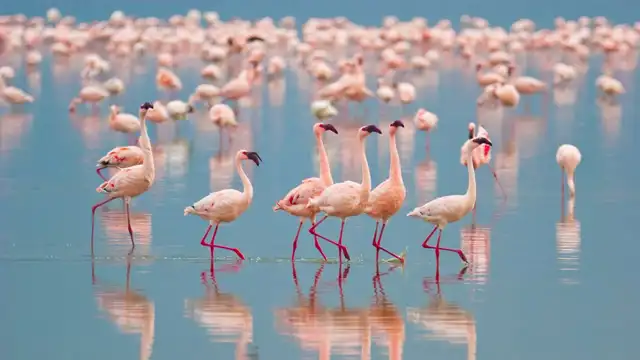
Lake Nakuru holds thousands of pink flamingos that feed on algae in shallow water. You drive along the lake shore and stop anywhere to take photos. The park also has black and white rhinos. You see them near the lake in the morning. The road goes around the entire lake in three hours. Do not expect to walk near the water. The lake edge is muddy and dangerous. Your Kenya safari holidays should include Nakuru between January and March when flamingo numbers peak. Bring binoculars because the birds stay far from the road. The park has no accommodation inside, so stay in the town of Nakuru and enter at 6 AM when the gate opens.
7. Visit the Last Northern White Rhinos at Ol Pejeta
Ol Pejeta Conservancy holds the last two northern white rhinos on earth, named Najin and Fatu. You see them in a fenced area with armed guards. A guide explains why they cannot breed naturally and how scientists try to save the species. The conservancy also has 140 black rhinos, more than any other park in East Africa. Your Kenya safari holidays need a full day here. Start at 7 AM with a rhino tracking activity where you follow radio signals to find black rhinos on foot. Pay extra for the northern white rhino visit, about $50. This place shows you real conservation problems, not just pretty views. Your Kenya safari holidays gain meaning when you understand extinction.
8. Discover Tsavo's Red Elephants and Mzima Springs
Tsavo's elephants roll in red volcanic soil, making their skin look bright red-orange. You see them along the Voi River in Tsavo East. Drive slowly between 4 PM and 6 PM when elephants come to drink. In Tsavo West, go to Mzima Springs where you walk down stairs to an underwater room. Hippos and crocodiles swim past glass windows. You stay dry and safe while animals swim two feet away. This works on Kenya safari holidays any time of year. Tsavo is huge, so you need a guide who knows where animals gather. Do not try to drive yourself here. The roads are not marked well. Stay inside the park for two nights to cover both East and West sections.
9. Experience Night Game Drives in Private Conservancies
You cannot drive at night in national parks, but private conservancies allow night drives from 7 PM to 10 PM. Your guide uses a spotlight to find animals that hide during the day. You see bushbabies with big eyes, leopards hunting, and hyenas feeding. The vehicle stays on roads, but animals come close to the light. Your Kenya safari holidays should include two nights in a conservancy like Ol Pejeta or Selenkay. Bring a jacket because nights get cold. The drive costs about $80 per person. Do not expect to see lions every night. Some nights you only see small animals. But when a leopard walks across the road, the waiting pays off. Book this Kenya safari holidays activity with your camp before you arrive.
10. Combine Bush and Beach on a Safari to Coast Extension
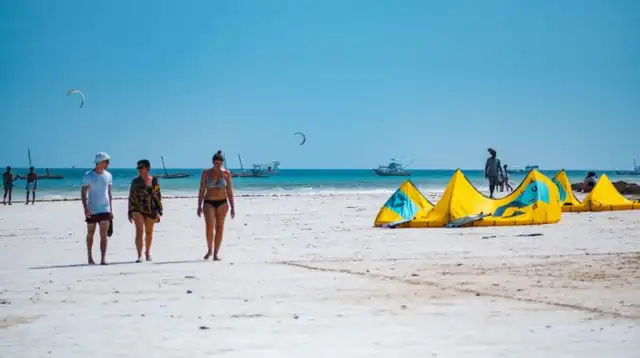
After your safari, fly from the Masai Mara to Mombasa or Diani Beach. The flight takes two hours and costs about $200. You spend three days on the Indian Ocean coast where the water is warm and clear. Snorkel on coral reefs to see colorful fish. You do not need experience. Local boat operators give you a life jacket and mask. Your Kenya safari holidays end better when you rest on the beach. Safari days are tiring with early mornings and dusty roads. The coast gives you soft beds and cold drinks. Book the flight at the same time as your safari. Do not wait until the last minute because flights fill up. This Kenya safari holidays plan works best in January or February when the coast has no rain
11. See Lions Climbing Trees in Lake Manyara National Park
Lake Manyara's lions climb acacia trees and rest on branches during the heat of the day. You see them above ground level, which lions rarely do anywhere else in Africa. Drive slowly along the groundwater forest between 11 AM and 2 PM when the lions sleep in the trees. Do not expect big herds of other animals. The park is small and the main draw is the tree-climbing lions. Your Kenya safari holidays should include a stop here for half a day on the way to Ngorongoro Crater. The park entrance fee is lower than other reserves. Bring a camera with good zoom because the lions stay high up. This activity works best on Kenya safari holidays between June and October when the weather is dry and the lions use the same trees every day.
12. Boat Safari on Lake Naivasha
You hire a small boat for one hour on Lake Naivasha and watch hippos from a safe distance. The boat keeps 20 meters away from the hippos because they attack without warning. You also see fish eagles dive for food and thousands of cormorants drying their wings on dead trees. The boat captain throws a fish into the water, and the eagle catches it mid-air. Your Kenya safari holidays need a morning visit here because afternoon winds make the water rough. Park your vehicle at the boat launch and walk down to the dock. The boat costs about $40 per person. Do not try to walk near the water after dark. Hippos leave the lake at night and graze on the grass where you parked your Kenya safari holidays vehicle.
13. Visit the Giraffe Centre in Nairobi
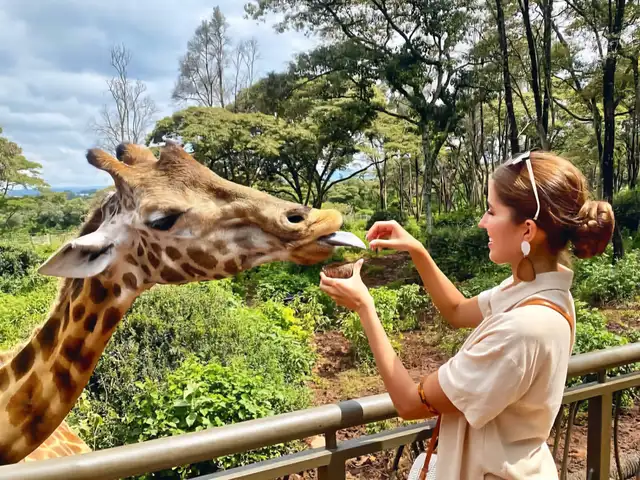
You stand on a raised platform and feed pellets to Rothschild giraffes from your hand. The giraffes lick your palm with their long purple tongues. The centre costs $15 per person and takes two hours. You learn which giraffe is which by their spot patterns. Your Kenya safari holidays can start or end here because the centre is inside Nairobi. Do not come expecting wild animals. These giraffes are used to people. But you get photos of giraffes at eye level, which you cannot get in national parks. The money from your Kenya safari holidays visit supports breeding programs that release giraffes back into the wild. Go early at 9 AM when the centre opens to avoid school groups that arrive at 10 AM.
14. Camp Inside Hell's Gate National Park
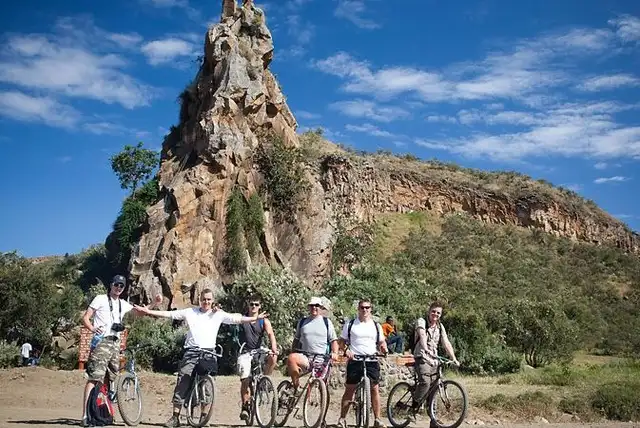
You rent a bicycle and ride past zebras and giraffes without a vehicle around you. The park allows walking and cycling because no lions or leopards live here. The main attraction is the gorges where you climb down ladders to hot springs. Your Kenya safari holidays save money here because camping costs $30 per night and you do not need a safari vehicle. Bring your own tent and food because the park has no shop. The roads are flat and easy for cycling. Do this activity on Kenya safari holidays between December and March when the rain does not make the gorges slippery. The park is three hours from Nairobi. Rent a bicycle at the main gate for $10 per day. You see more animals on a bike than in a car because animals do not fear cyclists.
15. Track Wild Dogs in Laikipia Plateau
Laikipia holds the only stable population of African wild dogs in Kenya, with packs that cover 50 kilometers per day. You wake up at 5 AM and follow radio collars with a guide who finds the dogs before they start hunting. Wild dogs hunt in the morning and evening, so you must be with them at the right time. Your Kenya safari holidays need three nights in Laikipia for a good chance of seeing a kill. The dogs work together and take down animals twice their size. This activity costs more because you need a private guide and vehicle. Book your Kenya safari holidays here at least six months ahead. Only three camps in Laikipia offer wild dog tracking. Do not expect crowds. You might be the only vehicle watching one of Africa's rarest predators.
Best time to go for Kenya safari holidays
The best time for Kenya safari holidays is from late June to October, which is the dry season. During these months, rain is rare, roads stay firm, and animals gather around rivers and waterholes because water sources dry up elsewhere. This makes wildlife easier to find since you do not drive through tall grass or mud. The Great Migration reaches the Masai Mara between July and October, with river crossings peaking in August and early September. Temperatures are pleasant, around 23°C during the day, but mornings can be cold at 10°C. The main downside is higher prices. Lodges and camps charge peak rates, and vehicles get crowded at popular spots like the Mara River. Book your Kenya safari holidays at least six to eight months ahead if you want to see the crossings.
The other good window is from January to March, which is a short dry season. This period works well for Kenya safari holidays because the weather stays dry but the crowds are smaller than in summer. You save money on accommodation and flights, and you still see plenty of wildlife. The wildebeest calving happens in the southern Serengeti during these months, but that is in Tanzania, not Kenya. In Kenya, Amboseli shows Mount Kilimanjaro clearly in January and February, and Lake Nakuru holds many flamingos. The heat is stronger, often reaching 30°C by midday. Avoid April, May, and November. These are the long and short rainy seasons. Roads turn to mud, some camps close, and animals spread out across the wet landscape, making them harder to spot
How to get there for Kenya safari holidays by travellers
Getting to Kenya Safari Holidays is straightforward for international travelers, with most flights landing at Jomo Kenyatta International Airport in Nairobi or Moi International Airport in Mombasa. From Nairobi, domestic flights connect quickly to safari hubs like the Maasai Mara, Amboseli, Samburu, and Tsavo, saving long road transfers and maximizing time in the parks. Road travel is also an option, with well-established routes leading to major reserves, though it can take longer depending on distance. Many Kenya Safari Holidays are arranged through tour operators who handle transfers, flights, and logistics, ensuring smooth movement between destinations. Whether flying directly into safari airstrips or driving through scenic countryside, travelers can easily access Kenya’s diverse wildlife areas, making the journey part of the overall safari experience
How much does Kenya safari holidays cost
The cost of Kenya safari holidays in 2026 varies widely depending on your travel style, season, and trip length. For budget travelers, expect to pay $150 to $350 per person per day, which typically includes shared group vehicles, basic tented camps, park fees, and meals. A standard 3-day budget group safari to the Masai Mara ranges from $900 to $1,200 per person, while a 4-day trip costs about $1,050 to $1,400. Mid-range safaris cost $350 to $700 per day and include private 4x4 vehicles and comfortable lodges inside the parks. A typical 7-day mid-range itinerary runs $2,100 to $4,200 per person. Luxury safaris start at $700 per day and can exceed $1,500, offering private conservancies, fly-in transfers, and high-end tented camps. For example, a 6-day deluxe package costs about $2,300 to $3,270 per person sharing. Prices peak from July to October during the Great Migration, when Masai Mara park fees alone reach $200 per day. Traveling in the low season (April to June) can save you 20 to 40 percent. Most package prices exclude international flights, visas ($50), tips ($15 to $20 per day for your guide), and optional activities like hot air balloon rides ($450 to $500)
Best tips for experiencing Kenya Safari Holidays
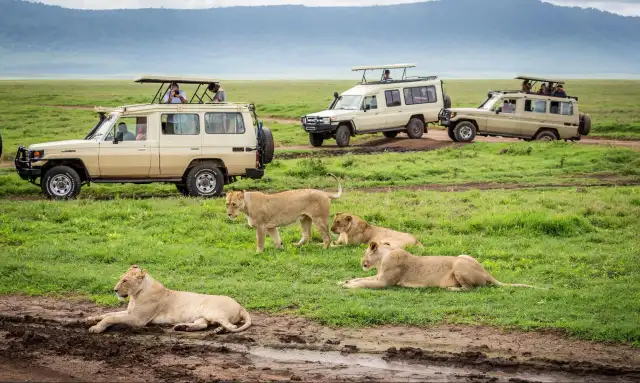
Wake up before sunrise every day. Animals are most active between 6 AM and 9 AM, and again from 4 PM to 6 PM. Do not waste the middle hours trying to see wildlife. Lions and leopards sleep in the heat. Use that time to eat lunch, nap, or swim at your lodge. Book a private 4x4 safari vehicle instead of a shared minibus. Minibuses pack too many people, block your view, and break down on rough roads. A private vehicle costs more but lets you stay as long as you want at sightings. Ask your tour operator if the vehicle has a pop-up roof and charging ports for your camera. Pack neutral-colored clothes in brown, green, or beige. Do not wear black or blue, which attract tsetse flies. Bring a pair of binoculars for each person. Sharing binoculars means missing moments while you pass them back and forth.
Pay attention to where you stay. Lodges inside national parks cost more but save you driving hours from the park gate each morning. Camps outside the park force you to wait in entry lines while others already watch animals. For your Kenya safari holidays, choose a camp near the Mara River if you visit between July and October. Ask the camp manager where the migration was seen the day before. Guides talk to each other by radio. Hire a local driver-guide who grew up near the park. They spot animals faster and know secret spots where vehicles do not crowd. Carry small US dollar bills for tips. Tip your guide $20 per day and camp staff $10 per day. Do not expect to see the Big Five in one day. That puts pressure on your guide to rush. Slow down and watch how animals behave. The best Kenya safari holidays come from patience, not checklists
What to bring for Kenya safari holidays
Packing for Kenya safari holidays starts with neutral-colored clothing in khaki, olive, and beige—avoid bright colors, black, and dark blue because they attract tsetse flies. Bring long-sleeved shirts and long pants for morning and evening game drives when mosquitoes are active, plus a warm fleece or light jacket for cold early mornings (temperatures can drop to 10°C from June to August). You need sturdy closed-toe walking shoes or lightweight hiking boots, a wide-brimmed hat, sunglasses, and high-SPF sunscreen. For wildlife viewing, binoculars (8×42 or 10×42) are essential—one pair per person to avoid sharing. Pack a camera with a telephoto zoom lens (at least 200mm to 400mm), extra camera batteries, and plenty of memory cards because charging opportunities are limited. Bring a headlamp or small flashlight with extra batteries for evening walks to dinner, as many camps have dim lighting. Health items include DEET-based insect repellent, antimalarial tablets, hand sanitizer, wet wipes, and a basic first aid kit with antidiarrheal medication, painkillers, and oral rehydration salts.
Travel documents require your passport with at least six months validity, Kenya visa (e-visa obtained online for $50), travel insurance papers, and yellow fever vaccination certificate if you are arriving from an endemic country. Use a soft-sided duffel bag (maximum 15-20 kg) because hard suitcases do not fit in safari vehicle storage compartments. Bring a small daypack for daily use, a reusable water bottle, power bank, universal travel adapter (Type G plug), zip-lock bags to protect electronics from dust, and cash in small US dollar bills for tips, souvenirs, and visa fees. Leave behind expensive jewelry, drones (banned in all national parks), and plastic bags (illegal in Kenya).
Best lodges and camps to stay in on Kenya safari holidays
The best lodges and camps for Kenya safari holidays include luxury options like Saruni Mara in Mara North Conservancy, an eco-friendly lodge with six elegant cottages offering "shower with a view" and expert Maasai guides for day and night game drives away from crowds. Angama Amboseli features just 10 suites in Kimana Sanctuary with uninterrupted Mount Kilimanjaro views, a photography studio, and walking safaris. Hemingways Ol Seki Mara has ten luxury tents including private villas with plunge pools, dedicated chef, and private vehicle in Naboisho Conservancy. Sanctuary Olonana sits on the Mara River with a resident hippo pod, 14 spacious tents, and a spa.
For mid-range budgets on your Kenya safari holidays, Tortilis Camp in Amboseli starts at $510 per night with access to a 30,000-acre private conservancy and Italian-style cuisine. Il Ngwesi Lodge in Laikipia offers six open-sided rooms with star beds and infinity pool, owned and staffed by the Maasai community. Budget travelers can choose Enkorok Mara Camp from $150-250 per night, a solar-powered tented camp minutes from the Masai Mara gate with frequent Big Five sightings. Lake Nakuru Lodge from $130-220 per night offers stone cottages inside the park with lake views, rhino sightings, and hippos grazing the lawns. For unique experiences, Ol Malo Nomad in Laikipia lets you camp on foot, horseback, or camel with Samburu guides from $1,300 per night. Campi ya Kanzi in Chyulu Hills offers Maasai-guided walking safaris and horseback riding across 283,000 acres of wilderness beneath Kilimanjaro
Booking Kenya safari holidays with Lamz Tours and Travel
Booking your Kenya safari holidays with Lamz Tours and Travel is a straightforward process that starts with you sharing your destination, travel dates, group size, and preferred accommodation type through their website or WhatsApp, after which they design a custom package for your needs . We offer various safari types including luxury lodge stays, mid-range options, and budget camping, and they cover all major parks like Masai Mara, Amboseli, Tsavo, and Lake Nakuru . Our guides receive positive reviews for being knowledgeable and friendly, and recent customers in February 2025 reported quick responses, safe driving, and good wildlife sightings . One solo traveler noted that Lamz Tours and Travel handled her 10-day trip across Rwanda, Uganda, and Kenya smoothly, with professional guides who knew the parks well. The company emphasizes transparent pricing, sustainable tourism, and personalized service, and they can arrange extras like hot air balloon rides, cultural village visits, and beach extensions to Diani . To secure your booking, you pay a deposit after confirming the itinerary, and the remaining balance is due before travel
Ready to plan your safari?
Talk to a Lamz Tours specialist and get a tailor-made quote.
Make an enquiry