Unforgettable Tanzania wildlife safari in Mikumi National Park featuring Mkata Floodplains, Hippo Pools, birdlife, top tips, best time to visit, and how to get there.
Experience the untamed beauty of Mikumi National Park, a hidden gem in Tanzania’s southern safari circuit that offers remarkable wildlife encounters without the crowds. Located between the Uluguru Mountains and the Lumango range, Mikumi’s diverse landscapes from the open Mkata Floodplains to miombo woodlands and tranquil hippo pools create a dynamic setting for a Tanzania wildlife safari. Here, you’ll witness herds of zebra, wildebeest, and buffalo grazing under vast skies, while lions lounge beneath acacia trees and giraffes glide through the bush. The park’s accessibility from Dar es Salaam makes it ideal for both quick getaways and immersive multi-day adventures, offering high-impact sightings with minimal travel time.
Experience the rhythm of the wild through expertly timed game drives during Tanzania wildlife safari, guided walks, and birdwatching in a park that boasts over 400 avian species. Whether you’re scanning treetops for leopards or listening to the grunts of hippos at the pools, Mikumi delivers sensory-rich moments that define a true Tanzania wildlife safari. With fewer vehicles and a more intimate atmosphere than northern parks, it’s perfect for travelers seeking authenticity and tranquility. From sunrise safaris to starlit evenings at camp, Mikumi invites you to slow down, tune in, and connect deeply with East Africa’s natural wonders
Top Tanzania Wildlife Safari packages
2-days-fly-in-serengeti-safari-in-tanzania
2-days-tarangire-national-park-and-ngorongoro-crater-safari
3-days-tanzania-safari-in-serengeti-national-park
3-days-tanzania-wildlife-safari
4-days-epic-tanzania-wildlife-and-culture-safari
5-day-kenya-and-tanzania-safari
5-days-circuit-wildlife-safari-in-tanzania
6-days-ndutu-migration-safari-calving-season
8-day-serengeti-ngorongoro-crater-and-zanzibar
8-days-wildlife-and-beach-holiday-tanzania
8-days-wildlife-safari-tanzania
9-days-zanzibar-and-wildlife-safari
10-days-uganda-and-tanzania-safari-gorillas-chimpanzees-and-wildlife
Best Tanzania Wildlife Safari Attractions in Mikumi National Park
The Mkata Floodplains
The Mkata Floodplains are the centerpiece of Mikumi and a prime location for a Tanzania wildlife safari. These expansive grasslands offer unobstructed views, making it easy to spot large herds of zebra, wildebeest, impala, and buffalo grazing or moving in rhythm across the plains. Lions are frequently seen here, often resting under acacia trees or perched on termite mounds surveying their territory. Giraffes both Maasai and reticulated add elegance to the landscape as they browse the treetops. This area is ideal for photographers and first-time safari-goers seeking classic savannah scenes. A Tanzania wildlife safari through the Mkata Floodplains promises high visibility and rich diversity, especially during the dry season when animals congregate around remaining water sources, creating dramatic wildlife interactions.
The Hippo Pools
The Hippo Pools near Mikumi’s main circuit are a guaranteed highlight for any Tanzania wildlife safari. Here, visitors can observe hippos in their natural element submerged in water, grunting, yawning, and occasionally engaging in territorial displays. Nile crocodiles are often seen sunbathing along the muddy banks, while water birds like herons, storks, and kingfishers add vibrant movement to the scene. The pools offer a tranquil yet dynamic setting, perfect for leisurely observation and bird photography. A Tanzania wildlife safari stop at the Hippo Pools provides a refreshing contrast to the open plains, showcasing aquatic life and predator-prey dynamics in a compact, accessible location. It’s a must-visit for travelers who appreciate close-up encounters and the sounds of the wild.
The Woodland Areas and Mountain Fringes
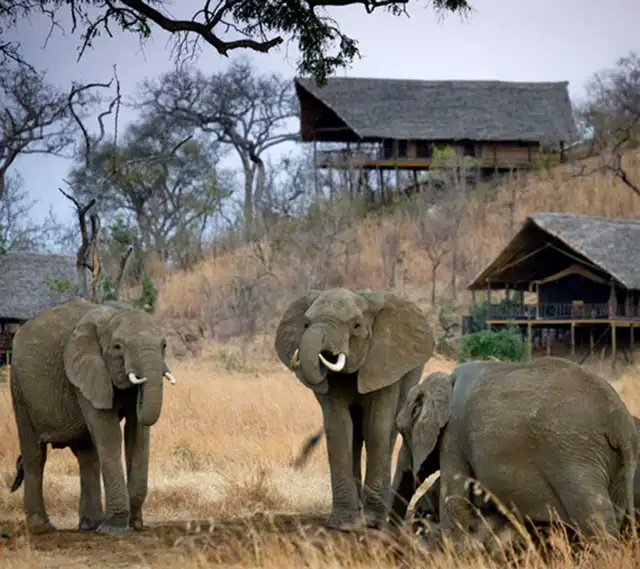
The Miombo woodlands and mountainous fringes surrounding Mikumi’s floodplains offer a more secluded and varied Tanzania wildlife safari experience. These habitats are ideal for spotting elephants, especially during the dry season when they move in search of water. The area also hosts eland the largest antelope species alongside greater kudu with their iconic spiral horns, sable antelope, and tiny dik-diks darting through the underbrush. Though elusive, leopards and wild dogs also inhabit these zones, adding an element of mystery and excitement. A Tanzania wildlife safari through these woodlands reveals a quieter, more intimate side of the park, where patience and keen observation are rewarded. The terrain’s diversity supports a wide range of species, making it a favorite for seasoned safari enthusiasts.
Birdlife
Mikumi National Park is a haven for bird lovers, boasting over 400 recorded species that enrich any Tanzania wildlife safari. From the vibrant lilac-breasted roller to the striking yellow-throated longclaw, the park’s avian diversity is astounding. Ground-dwelling species like the secretary bird, known for hunting snakes, and the massive ground hornbill add drama to the landscape. Raptors such as the bateleur eagle soar overhead, offering thrilling sightings for birders and photographers alike. A Tanzania wildlife safari in Mikumi isn’t complete without time dedicated to birdwatching, especially during the green season when migratory species arrive. Whether you’re a seasoned birder or a curious traveler, the park’s birdlife adds color, movement, and ecological depth to the overall safari experience
Best time for Tanzania wildlife safari in Mukumi national park
The best time for a Tanzania wildlife safari in Mikumi National Park is during the dry season, from late June to October, when animals gather around waterholes and vegetation is sparse, making wildlife easier to spot. This period offers clear skies, minimal rainfall, and excellent visibility ideal for game drives and photography. September and October are especially rewarding, with large herds of elephants, buffalo, and antelope congregating near the last remaining water sources. While Mikumi is accessible year-round, the wet season (March to May) can make roads muddy and sightings more challenging, though birdwatching peaks with the arrival of migratory species. For travelers seeking optimal wildlife encounters and comfortable conditions, the dry season delivers the most rewarding Tanzania wildlife safari experience in Mikumi National Park
How to get there to Tanzania wildlife safari in mukumi national park
Reaching Mikumi National Park for a Tanzania wildlife safari is straightforward and scenic, especially from Dar es Salaam. Located about 283 kilometers west of the city, the park is accessible via the well-maintained Tanzam Highway, making it a 4–6 hour drive through rolling hills and rural landscapes. Most travelers begin their journey from Julius Nyerere International Airport, where tour operators offer direct transfers. For those seeking speed and aerial views, charter flights from Dar es Salaam or Arusha are available through local airlines like Safari Air Link and Coastal Aviation1. Public buses also run daily to Mikumi town, though private vehicles offer more comfort and flexibility. Whether by road or air, the journey to Mikumi sets the stage for an unforgettable Tanzania wildlife safari filled with dramatic scenery and rich biodiversity
Top tips for best Tanzania wildlife safari in Mukumi national park
Time Your Game Drives
To get the most out of your Tanzania wildlife safari in Mikumi National Park, schedule your game drives during the cooler hours early morning (6:30–10:30 am) and late afternoon (3:30–6:30 pm). These windows coincide with peak animal activity, especially predators like lions and leopards. Midday heat causes most wildlife to rest in shaded areas, reducing sightings. By timing your drives strategically, you’ll increase your chances of witnessing dramatic behaviors and interactions. A Tanzania wildlife safari is all about rhythm matching your movements to nature’s schedule ensures more rewarding encounters and better lighting for photography. Don’t rush; allow time for observation and let your guide lead you to hotspots based on fresh tracks and recent sightings.
Focus on the Mkata Floodplains
The Mkata Floodplains are the crown jewel of any Tanzania wildlife safari in Mikumi. Their open terrain makes spotting animals effortless, with vast herds of zebra, wildebeest, and buffalo often visible from a distance. Predators like lions and leopards favor this area, especially under shady trees or atop termite mounds. Drive slowly and scan both the horizon and hidden corners patience pays off here. Spending most of your Tanzania wildlife safari in the floodplains guarantees high visibility and classic savannah scenes. It’s a photographer’s dream and a naturalist’s playground, offering dynamic interactions and diverse species in one concentrated zone. This is where Mikumi truly comes alive.
Visit the Hippo Pools
No Tanzania wildlife safari in Mikumi is complete without a visit to the Hippo Pools. Located near the main circuit, this spot offers safe viewpoints to observe hippos grunting, yawning, and interacting in their aquatic habitat. Nile crocodiles often sunbathe nearby, while water birds like herons and kingfishers add vibrant movement. It’s one of the few places where you can safely exit your vehicle and stretch your legs, making it a refreshing break during your Tanzania wildlife safari. The pools provide a quieter, more intimate wildlife experience, ideal for birdwatchers and families. Always follow your guide’s instructions, and bring binoculars for close-up views of the action.
Consider a Full-Day Safari
While Mikumi is reachable as a day trip from Dar es Salaam, a full-day or overnight stay dramatically enhances your Tanzania wildlife safari. The four-hour drive each way can be exhausting, limiting your time in the park. Staying one or two nights allows for multiple game drives during optimal hours, deeper exploration of varied habitats, and a more relaxed pace. Lodges inside or near the park offer early access to wildlife hotspots and comfortable downtime between drives. A Tanzania wildlife safari should be immersive, not rushed overnight stays let you connect with the rhythms of the bush, enjoy campfire evenings, and wake to the sounds of nature.
Hire a Knowledgeable Guide
A skilled guide is the cornerstone of a successful Tanzania wildlife safari in Mikumi. They know the park’s terrain, animal behavior, and seasonal patterns, turning ordinary sightings into unforgettable stories. From tracking elusive predators to identifying rare birds, a guide’s expertise adds depth and context to every moment. Choose guides from reputable lodges or tour operators who prioritize safety and conservation. A Tanzania wildlife safari with a knowledgeable guide becomes more than just a drive it’s an education in ecology, culture, and the interconnectedness of life. Ask questions, stay curious, and let your guide reveal the hidden layers of Mikumi’s wilderness.
Look Up and Look Down
To truly maximize your Tanzania wildlife safari in Mikumi, train your eyes beyond the horizon. Look up into trees for leopards lounging on branches, birds of prey scanning for movement, and even sleeping lions tucked into foliage. Look down for tracks, insects, and the subtle signs of recent animal activity. This multi-layered approach enriches your Tanzania wildlife safari, revealing the park’s complexity and the smaller wonders often missed. Guides can help interpret these clues, turning a simple walk or drive into a detective story of the wild. The bush speaks in signs learning to read them adds a whole new dimension to your experience.
The Best Time to Visit, Dry Season (June–October)
The dry season is the prime window for a Tanzania wildlife safari in Mikumi. From June to October, sparse vegetation and shrinking water sources concentrate animals, making sightings frequent and dramatic. Roads are dry and easily passable, allowing access to remote areas. Predators are more active, and large herds gather around waterholes. A Tanzania wildlife safari during this time offers optimal conditions for photography, comfort, and wildlife density. Early booking is recommended, as lodges fill quickly. The dry season also reduces mosquito activity, enhancing overall comfort. For travelers seeking peak safari experiences, this is the most rewarding time to explore Mikumi.
The Best Time to Visit, Wet Season (November–May)
The wet season brings a lush, green transformation to Mikumi, offering a different kind of Tanzania wildlife safari. While animals are harder to spot due to dense vegetation, birdlife flourishes, with migratory species adding color and song. November to March is ideal for birdwatchers and those who appreciate vibrant landscapes. April and May can bring heavy rains, making some roads challenging, so 4x4 vehicles are essential. A Tanzania wildlife safari during the wet season is quieter, with fewer tourists and more intimate experiences. It’s a great time for photographers seeking dramatic skies and rich colors. Just pack accordingly and embrace the adventure
How much does it cost to go to Mikumi National Park?
The cost of a Tanzania wildlife safari in Mikumi National Park varies depending on your nationality, accommodation, and activities. Entrance fees for foreign non-residents are $30 per adult per day, with additional costs for camping, guiding, and vehicle hire. Budget safaris start around $100–$200 per day, while mid-range and luxury options can exceed $400 daily. Lodges inside or near the park offer packages that include meals and game drives. A Tanzania wildlife safari in Mikumi is one of the most accessible and affordable options in East Africa, especially for travelers starting from Dar es Salaam or Morogoro
Is Mikumi National Park worth it?
Yes, Mikumi National Park is a hidden gem for a Tanzania wildlife safari, offering excellent game viewing without the crowds of northern parks. Its proximity to Dar es Salaam makes it ideal for short trips, and the Mkata Floodplains provide Serengeti-like scenery with high chances of spotting lions, elephants, giraffes, and buffalo. With over 400 bird species and varied habitats, it’s perfect for both first-time visitors and seasoned safari-goers. A Tanzania wildlife safari in Mikumi delivers rich biodiversity, dramatic landscapes, and affordability, making it a worthwhile destination for anyone seeking authentic wildlife encounters
What is unique about Mikumi National Park?
Mikumi National Park stands out for its diverse ecosystems and easy accessibility, making it a top choice for a Tanzania wildlife safari. The Mkata Floodplains resemble the Serengeti, offering open views and reliable sightings of large herbivores and predators. The park also features miombo woodlands, mountain fringes, and hippo pools, creating varied habitats for species like sable antelope, eland, and crocodiles. Its location along the Tanzania-Zambia highway allows for spontaneous visits, and its birdlife is exceptional. A Tanzania wildlife safari in Mikumi offers both classic savannah experiences and offbeat exploration, all within a manageable travel radius
Which is better, Mikumi or Selous?
Choosing between Mikumi and Selous depends on your safari style. Mikumi is ideal for a short, accessible Tanzania wildlife safari with open plains and high animal visibility. It’s perfect for first-timers or those with limited time. Selous (now Nyerere National Park) offers a more remote, immersive experience with boat safaris, walking tours, and vast wilderness. Wildlife is abundant but spread out, requiring longer stays and more planning. For a quick, rewarding Tanzania wildlife safari, Mikumi excels. For deeper adventure and solitude, Selous is unmatched. Both are exceptional your choice hinges on time, budget, and desired level of wilderness
What to carry for Tanzania wildlife safari in Mikumi national park
For a successful Tanzania wildlife safari in Mikumi National Park, pack essentials that enhance comfort, safety, and wildlife viewing. Bring lightweight, neutral-colored clothing suitable for warm days and cool mornings, plus a wide-brimmed hat and sunglasses for sun protection. Sturdy walking shoes are vital for short walks or exploring viewpoints like the Hippo Pools. A good pair of binoculars and a camera with a zoom lens will elevate your wildlife experience. Include insect repellent, sunscreen, and a reusable water bottle to stay hydrated. Don’t forget travel documents, park permits, and any medications. These items ensure your Tanzania wildlife safari is immersive, safe, and unforgettable
Top places to stay on Tanzania wildlife safari in Mikumi National Park
The top places to stay on a Tanzania wildlife safari in Mikumi National Park offer a mix of comfort, immersion, and proximity to wildlife action. Camp Bastian Mikumi is a favorite for its cozy cabins, excellent cuisine, and welcoming atmosphere perfect for families and solo travelers alike. Tan Swiss Lodge provides reliable amenities, a swimming pool, and spacious rooms just outside the park, ideal for budget-conscious visitors. For a more immersive experience, Vuma Hills Tented Camp delivers luxury under canvas with stunning views and wildlife sounds at night. Stanley’s Kopje Camp, perched on a hilltop, offers personalized service and overlooks a busy waterhole, enhancing your Tanzania wildlife safari with dramatic sightings. Each lodge adds its own flavor to the adventure.
Why book Tanzania wildlife safari with Lamz Tours and Travel
Booking your Tanzania wildlife safari with Lamz Tours and Travel means choosing a provider renowned for personalized service, deep local expertise, and a strong commitment to conservation. Our itineraries are crafted to showcase the best of Tanzania’s diverse ecosystems from the iconic Serengeti and Ngorongoro Crater to hidden gems like Katavi and Mahale. Whether you're seeking the Great Migration, predator action, or cultural immersion, Lamz Tours and Travel offers flexible packages tailored to your interests and travel style. With experienced guides, ethical practices, and seamless logistics, every Tanzania wildlife safari becomes a meaningful, unforgettable adventure. Our reputation for excellence ensures that your journey is not just seen, but deeply felt
Ready to plan your safari?
Talk to a Lamz Tours specialist and get a tailor-made quote.
Make an enquiry