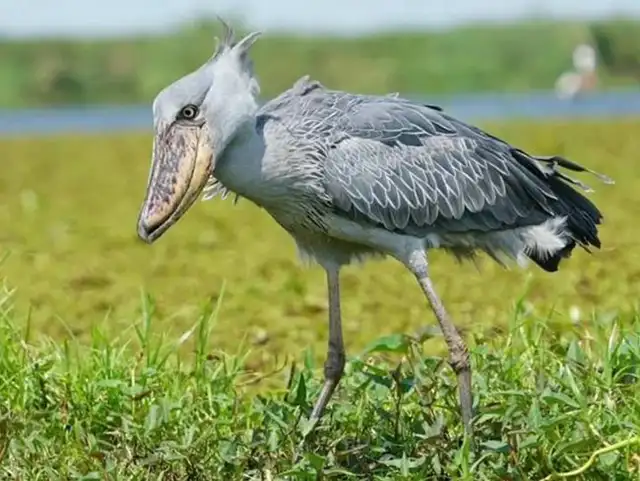
Best Tour Safari Uganda sites for shoebill watching in Mabamba Swamp, Murchison Falls and more, with top birding locations and travel planning tips.
A Tour Safari Uganda offers some of Africa’s best chances to see the rare shoebill in wetland habitats. From Mabamba Swamp to Murchison Falls National Park, key sites provide reliable sightings for birders and photographers. Knowing where to go, when to visit, and how to plan improves success when searching for shoebills on a Tour Safari Uganda focused birding trip.
Our Best Safaris on a Tour Safari Uganda.
1 Day To Jinja, Sezibwa falls and Mabira forest Hike
2 Days Gorilla Trekking Safari to Bwindi National Park
3 Days safari to Murchison Falls National Park
4 Days Murchison Falls Safari and Chimpanzee trekking
5 Days Chimpanzees Trekking and Murchison Falls Wildlife Adventure Safari
6 Days Kidepo Valley and Murchison Falls Wildlife Safari
7 Days African Cultural Tour Uganda
8 Days Murchison Chimpanzees Queen Elizabeth and Gorilla Safari
9 Days Best of the Uganda Safari with Gorillas
10 Days Uganda Ultimate Primate Safari
11 Days Gorillas and Chimpanzees Wildlife Safari, Uganda
12 Days Best of Uganda Wildlife Encounter and Cultural Safari
1. Mabamba Swamp
On a Tour Safari Uganda, Mabamba Swamp is widely regarded as the most reliable place to see the shoebill, located along the shores of Lake Victoria near Entebbe. This wetland is famous for consistent sightings throughout the year, making it a top priority for birdwatchers. A typical Tour Safari Uganda experience here begins with a short drive from Entebbe, followed by a guided canoe ride through narrow papyrus channels. These calm waters create the perfect feeding ground where the shoebill stands still for long periods while hunting fish. The swamp’s accessibility and high success rate make it ideal even for first-time birders. Local guides are highly experienced in tracking the bird’s movements, increasing your chances significantly. Photography opportunities are excellent due to the quiet environment and close viewing distance without disturbance. For anyone planning a birding focused Tour Safari Uganda, Mabamba Swamp remains the essential starting point for shoebill sightings on a Tour Safari Uganda.
2. Murchison Falls National Park
A Tour Safari Uganda in Murchison Falls National Park offers one of the most rewarding shoebill experiences in the Nile Delta region where the river meets Lake Albert. This area is accessed through boat safaris that combine birding with classic wildlife viewing. During a Tour Safari Uganda here, visitors often encounter shoebills standing in shallow waters alongside hippos, crocodiles, and elephants. The open channels make spotting easier compared to dense swamp environments, especially during early morning boat trips when the bird is most active. The vast landscape also allows for dramatic photography with river scenery enhancing the composition. Unlike smaller wetlands, this destination offers a complete safari experience with both savannah wildlife and rare birds in one setting. The combination of diversity and accessibility makes it a must-visit for travellers seeking variety. Murchison Falls remains a highlight for any serious Tour Safari Uganda focused on shoebill tracking on a Tour Safari Uganda.
3. Lake Albert Delta
On a Tour Safari Uganda, the Lake Albert Delta within Murchison Falls National Park provides a remote and peaceful shoebill viewing experience far from crowded tourist areas. This northern wetland system is accessed by boat, navigating quiet channels surrounded by reeds and shallow waters where the shoebill feeds. A Tour Safari Uganda experience here is more exclusive, as the low human activity allows for natural wildlife behavior and longer observation times. The delta’s environment creates ideal hunting conditions for the bird, though sightings often require patience and careful tracking by experienced guides. Because of its remote nature, photography here is especially rewarding, with calm water reflections and soft lighting conditions enhancing image quality. Visitors seeking solitude and authentic wilderness encounters often prefer this location over busier sites. It offers a deeper connection to nature and fewer distractions during birding. For serious birders, Lake Albert Delta adds a raw and meaningful dimension to Tour Safari Uganda experiences on a Tour Safari Uganda.
4. Lutembe Bay Wetland
A Tour Safari Uganda experience does not always require long travel, as Lutembe Bay Wetland offers a convenient birding location close to Kampala. This Ramsar-listed wetland near Lake Victoria supports rich birdlife, including occasional shoebill sightings. A Tour Safari Uganda visit here is ideal for short trips or half-day excursions, especially for travellers based in or near the capital city. The wetland features papyrus channels and shallow waters that attract a variety of bird species. While shoebill sightings are not guaranteed like in Mabamba, the possibility still makes it attractive for bird enthusiasts. Local guides assist in navigating the swamp and identifying key birding zones. The area is also useful for beginners who want an introduction to Uganda’s wetland ecosystems before exploring deeper safari destinations. Lutembe Bay is a practical option for quick birding experiences. It remains a useful stop for travellers planning a flexible Tour Safari Uganda itinerary on a Tour Safari Uganda.
5. Semliki Wildlife Reserve
A Tour Safari Uganda in Semliki Wildlife Reserve offers a more remote and adventurous shoebill tracking experience in western Uganda. This reserve features swampy and savannah habitats that are far less crowded than major national parks. A Tour Safari Uganda journey here feels more authentic, with fewer vehicles and more natural encounters. The wetlands within the reserve provide suitable feeding grounds for shoebills, although sightings require patience and experienced guiding. The quiet environment makes it easier to observe undisturbed wildlife behavior, which is ideal for serious birders. The mix of forest, swamp, and savannah adds ecological diversity to the experience. While not as predictable as Mabamba or Murchison Falls, Semliki rewards visitors with solitude and raw wilderness. It is best suited for travellers seeking unique and less commercial destinations. This makes Semliki a valuable addition to a deeper Tour Safari Uganda experience on a Tour Safari Uganda.
6. Lake Kyoga Wetlands
On a Tour Safari Uganda, Lake Kyoga wetlands represent one of the largest and most important shoebill habitats in the country. This vast wetland system offers ideal feeding conditions due to shallow waters and abundant fish populations. A Tour Safari Uganda journey here involves guided exploration through extensive swamp channels where sightings are possible but require patience. Because of the size of the habitat, shoebills are widely dispersed, making expert guidance essential for success. The area is less developed for tourism, meaning fewer crowds and a more natural experience overall. Birders often combine this destination with northern Uganda routes for extended exploration. The peaceful environment allows for uninterrupted observation and photography. Although it is not as structured as Mabamba or Murchison Falls, Lake Kyoga provides a deeper wilderness feel. It remains an important destination for serious birders seeking a more extensive Tour Safari Uganda experience on a Tour Safari Uganda.
7. Ajai Wildlife Reserve
A Tour Safari Uganda in Ajai Wildlife Reserve offers access to one of the lesser-known shoebill habitats in northwestern Uganda. This reserve consists of swampy floodplains along the Nile system, creating suitable feeding grounds for the bird. A Tour Safari Uganda visit here is more specialized, often designed for experienced birders and researchers seeking rare sightings. The low tourist numbers make it ideal for quiet and undisturbed observation. Due to its remote location, access may take longer, but the reward is a pristine and untouched environment. Shoebill sightings are possible with skilled local guides who understand seasonal movements. The reserve also hosts other wildlife species, adding ecological diversity to the experience. Ajai provides a sense of exploration and discovery that is different from mainstream parks. It is a hidden gem for dedicated birders seeking off-the-beaten-path adventures. Ajai strengthens the diversity of a full Tour Safari Uganda experience on a Tour Safari Uganda.
8. Bwindi Swamp Edges
A Tour Safari Uganda in Bwindi Impenetrable National Park is mainly known for gorilla trekking, but its surrounding swamp edges occasionally produce rare shoebill sightings. These sightings are uncommon and depend heavily on seasonal conditions and luck. A Tour Safari Uganda itinerary in this region typically focuses on forest wildlife, but nearby valley wetlands sometimes attract the shoebill. The dense forest landscape and misty valleys create a dramatic setting for photography and wildlife observation. Because the bird is not a regular resident here, success is unpredictable compared to major wetland sites. However, the biodiversity of Bwindi makes it a rewarding destination regardless. Birders may extend their exploration into surrounding swamp zones for additional chances. This adds variety to forest-based safaris and broadens the overall experience. Bwindi remains an interesting addition to mixed itineraries that combine forest and wetland ecosystems in Tour Safari Uganda adventures on a Tour Safari Uganda.
9. Kazinga Channel Wetlands
A Tour Safari Uganda experience in Queen Elizabeth National Park includes the Kazinga Channel, which is not a primary shoebill hotspot but occasionally produces sightings. This area is more famous for hippos, crocodiles, elephants, and rich birdlife seen during boat cruises. A Tour Safari Uganda journey here focuses mainly on general wildlife diversity, but nearby swampy zones can sometimes attract the shoebill. While sightings are rare, birdwatchers still include this destination due to its ecological richness. The combination of water and savannah creates a dynamic environment with constant wildlife activity. Photography here is often broader in scope, capturing landscapes and mixed species encounters. Even without guaranteed shoebill sightings, the experience remains valuable for nature lovers. Kazinga Channel adds variety to multi-park itineraries and complements other birding destinations in Uganda. It remains part of a wider circuit for travellers exploring Tour Safari Uganda routes across the country on a Tour Safari Uganda.
10. Why These Sites Make Uganda the Best Shoebill Destination on Tour Safari Uganda
A Tour Safari Uganda combining these sites shows why Uganda is one of the best destinations in Africa for shoebill viewing. From highly reliable locations like Mabamba Swamp to remote habitats such as Ajai and Lake Kyoga, the country offers diverse ecosystems supporting this rare bird. A Tour Safari Uganda experience here allows travellers to choose between easy-access wetlands and deep wilderness environments, depending on their interests. The combination of high sighting success rates, skilled guides, and varied habitats makes Uganda stand out globally. Few countries offer such consistent opportunities to see the shoebill alongside other wildlife experiences. This diversity is what attracts birders, photographers, and nature lovers from around the world. Whether short or extended, every itinerary can include meaningful encounters with this iconic bird. Uganda remains a top tier destination for wetland birding and wildlife tourism. These combined sites define the strength of a true Tour Safari Uganda experience on a Tour Safari Uganda.
Best Time to Visit Shoebill on a Tour Safari Uganda Experience
The Tour Safari Uganda shoebill experience is best during the dry seasons from June to August and December to February. These months offer ideal conditions for spotting the shoebill in wetlands because water levels drop, concentrating birds in visible feeding areas. Early mornings are especially productive since shoebills are most active while hunting in shallow waters. Locations like Mabamba Swamp and Murchison Falls National Park provide the highest chances of sightings during these periods. Roads are also more accessible, making travel smoother. While the wet season still allows sightings, thick vegetation can make spotting harder. However, bird activity increases in some areas, offering a different kind of experience. Choosing the right season greatly improves success rates for photographers and birders. Planning your trip around dry months ensures a more rewarding shoebill Tour Safari Uganda and increases your chances of a successful shoebill Tour Safari Uganda.
How to Get Shoebill Sites on a Tour Safari Uganda Experience
A Tour Safari Uganda shoebill journey usually starts in Kampala or Entebbe, where most international travelers arrive. From there, visitors travel to key wetlands such as Mabamba Swamp or national parks like Murchison Falls National Park. Mabamba is about 1–2 hours by road followed by canoe navigation through papyrus channels. Murchison Falls is accessed via a 5–6 hour drive or domestic flight to nearby airstrips. A 4x4 vehicle is recommended for comfort and access to rough park roads. Most tour operators arrange full logistics, including transfers and guided canoe or boat trips. These guides are essential for tracking shoebills efficiently. Proper planning ensures smooth movement between destinations and maximizes time in the field. Understanding transport options helps you prepare better for a shoebill-focused Tour Safari Uganda and ensures a seamless Tour Safari Uganda shoebill travel experience.
Things to Do While Searching for Shoebill on a Tour Safari Uganda Experience
A Tour Safari Uganda shoebill adventure includes more than just birdwatching. In Mabamba Swamp, visitors enjoy peaceful canoe rides through papyrus channels while spotting shoebills and other wetland birds. In Murchison Falls National Park, boat safaris along the Nile offer sightings of shoebills alongside hippos, crocodiles, and elephants. Photography is a major activity, especially during early morning light when shoebills are most active. Cultural visits near wetlands also add depth to the experience, allowing interaction with local fishing communities. Birdwatching is complemented by other wildlife sightings, making each trip diverse and engaging. Nature walks and scenic viewing points further enhance the journey. This mix of activities ensures every day is different. Ashoebill focused tour Tour Safari Uganda offers a balanced wildlife experience that keeps travelers engaged throughout their Tour Safari Uganda shoebill journey.
What to Carry for a Shoebill on a Tour Safari Uganda Experience
Preparing for a Tour Safari Uganda shoebill trip requires the right gear for comfort and photography success. Lightweight, neutral-colored clothing is ideal for blending into wetland and savannah environments. A good pair of binoculars is essential for spotting shoebills from a distance in places like Mabamba Swamp. A camera with a zoom lens helps capture clear images without disturbing wildlife. Sunscreen, insect repellent, and a hat are necessary for protection during long outdoor hours. A rain jacket is useful due to unpredictable weather. Comfortable shoes are important for canoe access points and park walks. Carry enough water and light snacks for energy during excursions. Power banks and extra memory cards are helpful for photographers. Proper packing ensures comfort and focus during your trip. Being well-prepared improves your shoebill focused Tour Safari Uganda experience and enhances your overall Tour Safari Uganda shoebill adventure.
Where to Stay While Searching Shoebill on a Tour Safari Uganda Experience
A Tour Safari Uganda shoebill trip offers accommodation options ranging from budget lodges to luxury safari camps. Near Mabamba Swamp, most travelers stay in Entebbe for easy access to canoe trips. In Murchison Falls National Park, lodges inside or near the park offer scenic views and quick access to boat safaris. Staying closer to wetlands or park gates helps maximize early morning shoebill sightings. Mid-range and luxury lodges provide comfort, meals, and guided activity arrangements. Some lodges are located along rivers or overlooking wildlife areas, enhancing the experience. Choosing the right accommodation reduces travel time and increases time in the field. Good lodging also supports relaxation after long birding days. A well-planned stay improves efficiency and comfort throughout your shoebill focused Tour Safari Uganda and enhances your overall Tour Safari Uganda shoebill journey.
Health and Safety Tips for Shoebill on a Tour Safari Uganda Experience
A Tour Safari Uganda shoebill trip is generally safe when proper precautions are followed. In wetlands like Mabamba Swamp and parks such as Murchison Falls National Park, visitors must follow guide instructions at all times. Life jackets are required during canoe or boat trips. Vaccinations such as yellow fever may be necessary before entry into Uganda. Malaria prevention is recommended due to mosquito presence in wetland areas. Drinking bottled water helps avoid health issues. Insect repellent is essential, especially in swamp environments. Wearing stable footwear reduces risks during wet terrain navigation. Staying inside vehicles or boats unless instructed ensures safety during wildlife encounters. Travel insurance adds extra protection for emergencies. Following these guidelines ensures a smooth and safe journey. Safety awareness enhances enjoyment of your shoebill focused Tour Safari Uganda and supports a worry-free Tour Safari Uganda shoebill experience.
How Much Does a Tour Safari Uganda Cost?
The Tour Safari Uganda price depends on travel style, accommodation level, and the number of days spent exploring wildlife destinations. A budget Tour Safari Uganda usually starts from around $150 to $250 per person per day, covering basic lodging, shared transport, park entry fees, and a guide. Mid-range safaris typically range from $300 to $500 per person per day, offering more comfort, private transport, and better accommodation in or near national parks like Queen Elizabeth National Park or Murchison Falls National Park. Luxury Tour Safari Uganda packages can go from $600 to over $1,500 per person per day, especially when including gorilla trekking or premium lodges. The biggest cost drivers include gorilla permits, accommodation class, transport type, and season of travel. Peak seasons are slightly more expensive due to demand. Overall, Uganda remains affordable compared to many African destinations. Planning early helps you get better deals and a smoother Uganda safari experience.
Which Tour Safari Uganda Options Are the Best?
The best Uganda safari tours on Tour Safari Uganda combine wildlife, landscapes, and cultural experiences in one itinerary. Popular choices include game drives in Murchison Falls National Park, boat cruises along the Nile, and wildlife viewing in Queen Elizabeth National Park. Many travellers also combine these with gorilla trekking in Bwindi Impenetrable National Park, which is one of the top highlights of any Uganda trip. These tours are designed to offer a balance between savannah wildlife, primates, and birdlife. Some packages focus on short 3 to 5 day trips, while others extend to 10 to 14 days, covering multiple parks. The best Uganda safari tours usually include experienced guides, comfortable transport, and well-planned itineraries that reduce travel stress. A well organised Tour Safari Uganda allows travellers to see diverse ecosystems without rushing. The variety of options makes Uganda suitable for both first-time visitors and returning travellers looking for deeper exploration.
What Determines the Cost of a tour in Uganda?
The Tour Safari Uganda cost is influenced by several key factors including duration, accommodation level, transport choice, and activities included. A basic Tour Safari Uganda can cost around $150 per person per day, while mid-range options average $300 to $500 per day. Luxury experiences may exceed $1,000 per day depending on exclusivity and special activities like gorilla trekking in Bwindi Impenetrable National Park or high-end stays in Queen Elizabeth National Park. Transport is another major factor, with private 4x4 vehicles costing more than group tours. Seasonal demand also affects pricing, with dry seasons typically more expensive. Park fees and permits, especially for primate trekking, significantly influence total cost. Despite these variations, Uganda remains one of Africa’s most affordable safari destinations. Careful planning helps reduce costs while maintaining quality. Understanding these factors allows travellers to budget effectively and choose the right Tour Safari Uganda package for their needs and expectations
Why Book with Lamz Tours and Travel for Shoebill on a Tour Safari Uganda Experience
Booking a Tour Safari Uganda shoebill trip with Lamz Tours and Travel ensures a well organised and successful birding experience. Their expertise covers top shoebill locations such as Mabamba Swamp and Murchison Falls National Park, increasing your chances of sightings. Experienced guides understand shoebill behaviour and know where to find them at different times of the year. Lamz Tours and Travel handles all logistics, including transport, accommodation, permits, and guided activities, making travel stress-free. Their itineraries are flexible and can be customised for birding, photography, or combined wildlife safaris. Support is available throughout the journey to ensure smooth operations. Having knowledgeable local guides improves both safety and success rates. Choosing Lamz Tours and Travel adds reliability, comfort, and efficiency to your trip. It is one of the best ways to enjoy a professional shoebill-focused Tour Safari Uganda and ensures a high-quality Tour Safari Uganda shoebill experience from start to finish.
Ready to plan your safari?
Talk to a Lamz Tours specialist and get a tailor-made quote.
Make an enquiry