Budget travelers can plan a Tanzania safari trip in shoulder months for lower costs, fewer crowds, and rewarding wildlife experiences across top parks
Planning a Tanzania safari trip during shoulder months is one of the smartest ways for budget travelers to experience Africa’s wildlife without overspending. These months April, May, June, November, early December, late March, September, and October offer reduced lodge rates, fewer crowds, and reliable game viewing. A Tanzania safari trip in these periods balances affordability with access to world-class destinations like Serengeti, Ngorongoro, and Tarangire. While some months bring rain, it rarely disrupts the overall safari experience, and the fresh landscapes often make wildlife sightings even more rewarding. Travelers benefit from quieter drives, more personalized service, and better deals on both flights and accommodation.
Choosing shoulder months for a Tanzania safari trip also allows travelers to stretch their budget further by combining famous parks with lesser-known ones such as Ruaha, Selous, and Mikumi. These destinations provide strong wildlife viewing at lower costs, especially when crowds are minimal. A Tanzania safari trip during these times is not only cost-effective but also practical, giving travelers the chance to enjoy authentic safari experiences without the intensity of peak-season pricing. With careful planning, budget-conscious travelers can secure excellent value, making shoulder months the ideal time to explore Tanzania’s diverse safari offerings
Top Tanzania safari trip packages
3-days-tanzania-safari-in-serengeti-national-park
3-days-tanzania-wildlife-safari
4-days-epic-tanzania-wildlife-and-culture-safari
5-day-kenya-and-tanzania-safari
5-days-circuit-wildlife-safari-in-tanzania
6-days-ndutu-migration-safari-calving-season
8-day-serengeti-ngorongoro-crater-and-zanzibar
8-days-wildlife-and-beach-holiday-tanzania
The Best shoulder months for budget travelers to go for Tanzania safari trip
1. April to May
April and May are the long rainy season, which makes them shoulder months for a Tanzania safari trip. Budget travelers benefit because lodge and camp rates drop significantly. Wildlife is still visible, though roads can be muddy, so travelers should prepare for flexible schedules. A Tanzania safari trip during this period offers quiet parks, discounted accommodation, and fewer crowds. While rain may affect some drives, the savings are substantial, making it a practical choice for those who want value without missing the safari experience.
2. June
June is the transition from rains to dry season, and it works well for a Tanzania safari trip on a budget. Vegetation begins to thin, making wildlife easier to spot. Prices are lower compared to July and August, which are peak months. A Tanzania safari trip in June offers fresh landscapes, comfortable weather, and affordable rates. Travelers can enjoy good game viewing without paying high-season costs, making this month a smart balance between savings and quality.
3. November
November is the short rainy season, and it is one of the best shoulder months for a Tanzania safari trip. Lodges reduce prices, and visitor numbers drop, which means more affordable stays. Wildlife remains active, and showers are usually brief, leaving plenty of time for drives. A Tanzania safari trip in November is cost-effective, giving travelers access to major parks without the expense of peak months. This period is ideal for those who want to save money while still enjoying reliable safari experiences.
4. Early December
Early December before the holiday rush is another shoulder period for a Tanzania safari trip. Rates are lower compared to Christmas and New Year, and the parks are less crowded. A Tanzania safari trip during this time allows budget travelers to enjoy good weather and active wildlife at reduced costs. It is a smart option for those who want to avoid the high-season surge while still experiencing festive vibes. Planning early ensures better deals and availability.
5. Late March
Late March is just before the heavy rains, making it a transitional shoulder month for a Tanzania safari trip. Prices are still reasonable, and wildlife viewing remains rewarding. A Tanzania safari trip in late March offers budget travelers fewer tourists and discounted stays. While some rain may appear, it rarely disrupts the overall safari experience. This period is cost-effective and provides a balance between affordability and access to the parks.
6. September
Late September shifts into shoulder territory for a Tanzania safari trip as peak season winds down. Rates begin to ease, and crowds thin after the migration peak. A Tanzania safari trip in late September can be more affordable than July or August, yet still offers strong wildlife viewing. Budget travelers benefit from reduced competition for accommodation and slightly lower costs. It is a good time to enjoy the parks without the intensity of peak-season pricing.
7. October
October is a classic shoulder month for a Tanzania safari trip, with dry conditions and fewer visitors. Prices are lower than peak season, and wildlife remains concentrated around water sources. A Tanzania safari trip in October is cost-friendly, offering good value for budget travelers. This month combines affordability with reliable game viewing, making it one of the most practical times to plan. Travelers can enjoy savings while still having access to excellent safari experiences
Best safari destinations to visit on Tanzania safari trip in shoulder months
1. Serengeti National Park
The Serengeti is a prime destination for a Tanzania safari trip during shoulder months like June, September, and October. Costs are lower compared to peak migration season, yet wildlife viewing remains excellent. A Tanzania safari trip here offers sightings of large herds, predators, and resident species without the heavy crowds of July and August. Budget travelers benefit from reduced lodge rates and more availability. The shoulder months also provide comfortable weather, making game drives enjoyable. Choosing Serengeti during these times ensures strong value, combining affordability with access to one of Africa’s most famous wildlife areas.
2. Ngorongoro Crater
Ngorongoro Crater is another strong option for a Tanzania safari trip in shoulder months such as November and early December. Prices drop compared to festive season peaks, and the crater’s compact ecosystem guarantees wildlife viewing. A Tanzania safari trip here allows travelers to see lions, elephants, and rhinos in a single day, making it cost-effective. Shoulder months mean fewer vehicles inside the crater, giving budget travelers a more relaxed experience. Accommodation around the crater rim also offers discounts, making this period practical for those seeking savings without compromising on quality wildlife encounters.
3. Tarangire National Park
Tarangire is often overlooked, but it is excellent for a Tanzania safari trip in shoulder months like late March and October. Wildlife gathers around the Tarangire River, and elephants are especially abundant. A Tanzania safari trip here during shoulder periods is affordable, with lodges offering reduced rates compared to peak season. The park’s quieter atmosphere suits budget travelers who want value and space. Shoulder months provide dry conditions that make game drives easier, while still keeping costs manageable. Tarangire is a smart choice for those seeking savings and reliable wildlife viewing outside the busier northern circuit.
4. Lake Manyara National Park
Lake Manyara is ideal for a Tanzania safari trip in shoulder months such as April and May. Lodges reduce prices during the rainy season, and the park’s mix of birdlife, tree-climbing lions, and hippos remains accessible. A Tanzania safari trip here is budget-friendly, with short drives making it cheaper compared to larger parks. Shoulder months bring fewer visitors, allowing travelers to enjoy the park at a slower pace. Rain showers freshen the landscape, creating good conditions for photography. For budget travelers, Lake Manyara offers affordability, wildlife diversity, and easy access from Arusha, making it a practical shoulder-season destination
5. Ruaha National Park
Ruaha is a great choice for a Tanzania safari trip in shoulder months like June and October. It is less crowded than Serengeti or Ngorongoro, and prices for lodges are more affordable. A Tanzania safari trip here gives travelers access to large elephant herds, lions, and diverse birdlife. Shoulder months bring dry conditions, making wildlife easier to spot near rivers and waterholes. Budget travelers benefit from reduced costs while still enjoying strong game viewing. Ruaha’s remote location also means fewer vehicles, creating a calmer safari atmosphere without the expense of peak season.
6. Selous Game Reserve (Nyerere National Park)
Selous, now called Nyerere National Park, is ideal for a Tanzania safari trip in shoulder months such as April and May. Lodges reduce rates during the rains, and the reserve’s rivers and lakes remain active with hippos, crocodiles, and birdlife. A Tanzania safari trip here is cost-friendly, with boat safaris offering variety beyond game drives. Shoulder months bring fewer visitors, allowing budget travelers to enjoy the vast reserve at lower prices. Wildlife remains abundant, and the landscape is refreshed by rain, making this period practical for those seeking savings and diversity.
7. Katavi National Park
Katavi is a remote destination that works well for a Tanzania safari trip in shoulder months like September and October. Prices are lower compared to peak migration areas, and wildlife concentrates around shrinking water sources. A Tanzania safari trip here offers sightings of hippos, crocodiles, and large buffalo herds. Shoulder months mean fewer tourists, so budget travelers enjoy affordable stays and quiet game drives. Katavi’s remoteness adds value, as travelers get strong wildlife viewing without the high costs of more famous parks. It is a smart option for those seeking savings and exclusivity.
8. Mikumi National Park
Mikumi is accessible and affordable, making it suitable for a Tanzania safari trip in shoulder months such as November and early December. Lodges and camps reduce rates, and wildlife remains active across the plains. A Tanzania safari trip here is budget-friendly, with easy access from Dar es Salaam reducing transport costs. Shoulder months bring fewer visitors, so travelers enjoy relaxed drives and cheaper accommodation. Mikumi offers elephants, giraffes, and lions, making it a practical destination for those who want value without traveling far. It is an excellent choice for affordable safari planning
Top safari activities to do on Tanzania safari trip in shoulder months
During shoulder months, a Tanzania safari trip offers budget travelers a wide range of activities that balance cost and experience. Game drives remain the most popular, with wildlife easier to spot as vegetation thins or animals gather near water sources. A Tanzania safari trip during these months allows travelers to enjoy quieter parks, meaning more time to observe animals without the rush of peak crowds. Morning and evening drives are especially rewarding, giving travelers affordable access to prime wildlife viewing while keeping costs manageable.
Another valuable activity during a Tanzania safari trip in shoulder months is birdwatching. Rainy periods in April, May, and November bring migratory species, making the parks vibrant with birdlife. A Tanzania safari trip at this time is cost-effective because lodges reduce rates, yet birdwatchers gain access to diverse sightings. Shoulder months provide fresh landscapes, which enhance photography opportunities for both birds and larger animals. Budget travelers benefit from affordable stays while still enjoying rich biodiversity.
Boat safaris in places like Selous or Lake Manyara add variety to a Tanzania safari trip during shoulder months. These activities are often cheaper compared to peak season, yet they provide close views of hippos, crocodiles, and waterbirds. A Tanzania safari trip with boat rides offers travelers a different perspective, especially when rains fill rivers and lakes. Shoulder months make these experiences more accessible, with fewer tourists competing for spots. For budget travelers, this means lower costs and more relaxed exploration.
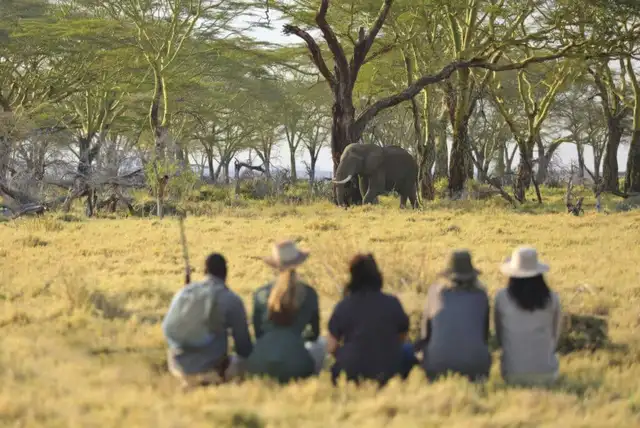
Walking safaris are another highlight of a Tanzania safari trip in shoulder months. With fewer visitors, guides can offer personalized experiences at reduced rates. A Tanzania safari trip during these months allows travelers to learn about tracks, plants, and smaller wildlife often missed in vehicles. Shoulder periods provide cooler weather, making walks more comfortable. Budget travelers gain affordable access to authentic safari experiences that focus on detail and connection with nature.
Cultural visits to nearby villages complement a Tanzania safari trip in shoulder months. Lodges and camps often include these at discounted prices, giving travelers insight into local traditions. A Tanzania safari trip during this time balances wildlife viewing with cultural learning, all at lower costs. Shoulder months reduce overall expenses, making it easier for budget travelers to combine safari activities with community experiences. This mix of wildlife and culture ensures strong value without stretching the budget
How to get there for Tanzania safari trip in shoulder months
For a Tanzania safari trip in shoulder months, most travelers arrive by flying into Kilimanjaro International Airport near Arusha or Julius Nyerere International Airport in Dar es Salaam. These airports connect with regional hubs like Nairobi and Addis Ababa, making flights more affordable compared to direct long-haul routes. A Tanzania safari trip planned in April, May, November, or early December benefits from lower airfare since demand is lighter than peak migration season. Budget travelers can save by booking early and choosing regional carriers, then connecting to safari destinations by road or short domestic flights.
Once in Tanzania, reaching safari parks during shoulder months is straightforward. A Tanzania safari trip can be arranged through local tour operators who provide transfers by 4x4 vehicles or small charter planes. Road travel is cheaper, especially for parks like Tarangire, Lake Manyara, and Ngorongoro, which are close to Arusha. A Tanzania safari trip to remote areas like Ruaha or Selous may require domestic flights, but shoulder months often bring discounted rates. Combining road and air transfers helps balance cost and convenience, ensuring budget travelers reach their safari destinations without overspending
Best tips for experiencing best Tanzania safari trip
To make the most of a Tanzania safari trip in shoulder months, planning ahead is key. Book flights and lodges early, as discounts are often available before demand rises. A Tanzania safari trip during April, May, November, or early December benefits from reduced rates, but travelers should prepare for occasional rain by packing waterproof clothing and flexible footwear. Choosing lodges with good access roads helps avoid disruptions, and combining road transfers with short domestic flights balances cost and convenience. Shoulder months also mean fewer tourists, so travelers can enjoy quieter parks and more personalized service without stretching their budget.
Another tip for a Tanzania safari trip in shoulder months is to stay flexible with itineraries. Rain showers may affect game drives, but wildlife remains active, and guides often adjust schedules to maximize sightings. A Tanzania safari trip during this time is cost-effective, but travelers should prioritize parks that offer reliable access, such as Serengeti, Ngorongoro, and Tarangire. Carrying insect repellent, layered clothing, and a camera with protective gear ensures comfort and readiness. Budget travelers gain strong value by mixing famous parks with lesser-known ones like Ruaha or Mikumi, creating a balanced safari experience that saves money while still delivering quality wildlife viewing
What to carry for Tanzania safari trip
For a Tanzania safari trip in shoulder months, packing smart ensures comfort and savings. Carry lightweight, neutral-colored clothing suitable for both warm days and cooler evenings. Include a waterproof jacket and sturdy shoes since rains may occur in April, May, or November. A Tanzania safari trip also requires essentials like insect repellent, sunscreen, and a wide-brimmed hat to protect against sun and bugs. Binoculars and a good camera with protective gear help capture wildlife, while reusable water bottles keep costs down. Don’t forget personal medications, travel documents, and a small backpack for daily use. Packing light but practical makes the safari affordable, comfortable, and well-prepared for changing conditions in shoulder months
Best accommodation places to stay in during Tanzania safari trip
For a Tanzania safari trip in shoulder months, accommodation choices can balance affordability with comfort. Budget travelers can look at mid-range lodges and tented camps around Serengeti, Ngorongoro, and Tarangire, which often reduce rates outside peak migration season. A Tanzania safari trip during April, May, November, or early December benefits from discounts at eco-lodges and community-run camps, offering authentic stays at lower costs. Travelers who want more savings can choose public campsites, which are well located near park gates and provide basic facilities. Shoulder months also mean less competition for rooms, so travelers can secure better deals and enjoy quieter stays. This mix of lodges, tented camps, and campsites ensures strong value without sacrificing access to prime safari areas
Booking Tanzania safari trip with Lamz Tours and Travel
Booking a Tanzania safari trip with Lamz Tours and Travel during shoulder months is a smart way to balance cost and quality. The company specializes in tailoring itineraries that fit different budgets, ensuring travelers enjoy prime destinations like Serengeti, Ngorongoro, and Tarangire without paying peak-season rates. A Tanzania safari trip arranged through Lamz Tours and Travel includes reliable transfers, well-selected lodges, and guided game drives that maximize wildlife viewing even in April, May, November, or early December. Our expertise in East African travel means we know which parks are best during shoulder periods, helping travelers save money while still experiencing rich safari highlights. This approach makes Lamz Tours and Travel a practical choice for those seeking value, comfort, and authentic safari experiences
Ready to plan your safari?
Talk to a Lamz Tours specialist and get a tailor-made quote.
Make an enquiry