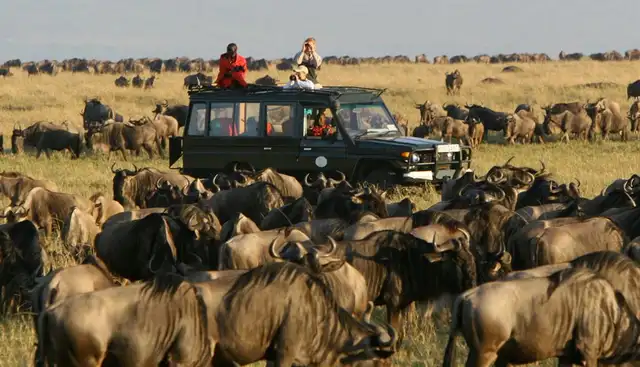
African safari Masai Mara offers migration drama, big cats, culture, balloon rides, and year-round wildlife viewing
An African safari Masai Mara offers travelers one of the most authentic wildlife experiences in the world. The reserve is home to the Great Migration, where millions of wildebeest and zebras move across the plains in search of fresh grazing, followed closely by predators. African safari Masai Mara trips are designed to give visitors direct access to this spectacle, with professional guides ensuring you understand animal behavior, migration routes, and safety. The open grasslands make sightings easier, and the density of big cats is among the highest in Africa, giving travelers consistent opportunities to see lions, cheetahs, and leopards in action.
Beyond wildlife, an African safari Masai Mara highlights the balance between nature and culture. The Maasai people, custodians of this land, share traditions, crafts, and pastoral practices that enrich the safari experience. Travelers can choose from a wide range of accommodations, from luxury tented camps to budget-friendly lodges, all located close to prime wildlife areas. Balloon rides at sunrise, birdwatching, and cultural visits add variety, making the trip suitable for families, couples, and solo travelers. With year-round game viewing, dramatic landscapes, and cultural depth, African safari Masai Mara stands out as a must-do destination for anyone seeking a complete safari experience.
Best African Safari Masai Mara packages
The Best Reasons for a Must-Do African Safari Masai Mara Tour
1. Witness the Greatest Wildlife Spectacle on Earth, The Great Migration
African safari Masai Mara tours are most famous for the Great Migration, where over 1.5 million wildebeest and zebras move across the plains in search of grazing. African safari Masai Mara trips during July to October highlight the dramatic Mara River crossings, where herds face crocodiles and strong currents. This event is raw and intense, showing survival in its purest form. Travelers benefit from guided positioning at key crossing points, ensuring they don’t miss the action. The migration is unpredictable, but experienced guides track herd movements daily, giving visitors the best chance to witness this spectacle. It’s not just about numbers; it’s about seeing nature’s rhythm unfold in front of you.
2. Unmatched Big Cat Density and Visibility
African safari Masai Mara tours are ideal for travelers who want reliable big cat sightings. The reserve has one of the highest lion densities in Africa, and seeing large prides is common. African safari Masai Mara trips also feature cheetahs using termite mounds as vantage points and leopards resting in riverine forests. Guides know territories and family histories, making sightings more meaningful. Instead of just spotting cats, visitors often watch hunts, cubs learning, or prides interacting. This level of visibility is rare in other parks, and the open grasslands make photography easier. For those who value predator action, the Mara provides consistent opportunities without long waits.
3. Best Maasai Culture
African safari Masai Mara tours are not only about wildlife but also about people. The Maasai community has lived alongside the reserve for centuries, maintaining traditions that define the region. African safari Masai Mara trips often include visits to manyattas (homesteads), where travelers see beadwork, dances, and pastoral practices. These cultural experiences provide context to the land and its custodians. Meeting the Maasai adds depth to the safari, showing how human heritage coexists with wildlife. It’s a chance to learn directly from locals about resilience, values, and daily life. This balance of culture and nature makes the safari more meaningful and complete.
4. The Vast Landscape
African safari Masai Mara tours are defined by endless plains dotted with acacia trees and rolling grasslands. The name “Mara” means “spotted,” describing the scattered trees and cloud shadows across the savanna. African safari Masai Mara trips allow travelers to enjoy wide horizons, dramatic sunsets, and open views that make wildlife easier to spot. The landscape itself is part of the attraction, offering photographers and visitors a backdrop that feels timeless. Seasonal changes bring different moods, from golden dry plains to green rainy-season fields. This variety ensures that every visit feels fresh, even for repeat travelers. The land is as much a highlight as the animals.
5. Exceptional Year-Round Game Viewing
African safari Masai Mara tours provide reliable wildlife viewing throughout the year, unlike parks tied strictly to migration seasons. The Big Five lion, leopard, elephant, buffalo, and rhino are resident, ensuring sightings in any month. African safari Masai Mara trips during dry seasons (June–October, January–February) make animals easier to spot, while green months (November–December) bring newborns and migratory birds. This flexibility means travelers don’t have to plan only around migration. Guides adapt itineraries to seasonal conditions, ensuring productive drives. For birdwatchers, the wet season is especially rewarding. Year-round access makes the Mara practical for travelers with limited flexibility in dates.
6. Hot Air Balloon Safari at Dawn
African safari Masai Mara tours often include balloon rides, offering a unique view of the plains. Floating silently at sunrise, travelers see herds moving below and predators starting their day. African safari Masai Mara balloon safaris end with a bush breakfast, adding comfort to the experience. From above, the scale of the land and wildlife becomes clear, giving perspective beyond ground drives. This activity is popular for couples and families who want something different. Though it requires advance booking and comes at a premium, the value lies in the perspective it provides. It’s a highlight for those seeking variety in their safari.
7. Photographer’s Paradise
African safari Masai Mara tours are a dream for photographers, offering golden light, dramatic skies, and predator action. The open plains make framing shots easier, while sunrise and sunset provide natural lighting. African safari Masai Mara trips often include guides experienced in positioning vehicles for the best angles. Whether using professional gear or a smartphone, travelers capture striking images of wildlife against vast backdrops. The migration, big cats, and birdlife all provide subjects that keep photographers engaged. Even casual visitors leave with memorable photos, while serious photographers find endless opportunities. The Mara’s conditions make it one of the most rewarding places to shoot wildlife.
8. Easy Accessibility and Accommodation Variety
African safari Masai Mara tours are easier to access compared to remote parks. Travelers can fly from Nairobi in under an hour or drive in 5–6 hours. African safari Masai Mara trips also offer a wide range of stays, from luxury tented camps with pools to eco-lodges and budget campsites. This variety ensures every traveler finds something that matches their budget and style. Families, couples, and solo travelers all benefit from flexible options. Accessibility reduces travel stress, while accommodation diversity makes planning simpler. The Mara’s infrastructure supports both comfort and authenticity, making it practical for different types of visitors.
9. The Mara Triangle
African safari Masai Mara tours often highlight the Mara Triangle, a western sector managed by a non-profit conservancy. This area is known for strict vehicle limits, ensuring less crowding and better viewing. African safari Masai Mara trips here provide high wildlife density and pristine conditions. Travelers benefit from organized management and consistent sightings. The Triangle is especially valued by those seeking exclusivity and quality. Guides often recommend it for travelers who want fewer vehicles around sightings. Its balance of conservation and visitor access makes it stand out within the reserve.
10. Quintessential Safari Dream
African safari Masai Mara tours deliver the classic safari image many travelers imagine. Lions hunting at dawn, Maasai traditions, and nights filled with natural sounds define the experience. African safari Masai Mara trips combine wildlife, culture, and landscapes into a complete package. For many, it feels like the essence of Africa, offering moments that connect deeply with nature. The reserve fulfills expectations without compromise, making it a must-do destination. Travelers leave with lasting impressions of both animals and people. This combination makes the Mara not just a safari, but a meaningful adventure worth prioritizing.
Best time to experience African safari Masai Mara
The best time to experience an African safari Masai Mara is during the dry season from June to October, when wildlife viewing is at its peak.African safari Masai Mara tours in these months are especially rewarding because animals gather near rivers and waterholes, and vegetation is thinner, making sightings easier. This period also coincides with the Great Migration, particularly July to September, when over 1.5 million wildebeest, zebras, and gazelles move into the Mara. The dramatic Mara River crossings are a highlight, with herds facing crocodiles and predators. Dry conditions also make roads more accessible, ensuring smoother game drives. Travelers who want to witness intense wildlife action and predator-prey interactions should prioritize this season, though it is also the busiest, so early booking is essential.
African safari Masai Mara trips outside the peak months still offer excellent experiences. From November to May, the reserve is quieter, with fewer crowds and lower prices. The green season brings fresh landscapes, newborn animals, and migratory birds, making it ideal for photographers and birdwatchers. While March, April, and November can bring heavier rains, guides are skilled at navigating conditions, and wildlife remains abundant. This period is perfect for travelers seeking value, unique scenery, and a more relaxed pace. Whether during the migration or the quieter months, the Masai Mara delivers consistent game viewing year-round
How to get to Kenya for African safari Masai Mara
The best way to get to Kenya for an African safari Masai Mara is by flying into Nairobi’s Jomo Kenyatta International Airport (NBO, the main entry point).Most international travelers begin their African safari Masai Mara adventure by arriving at NBO, which is well connected to major cities worldwide through airlines like Kenya Airways, British Airways, Qatar Airways, and KLM. From Nairobi, you can take a short domestic flight from Wilson Airport to one of several airstrips inside or near the reserve, such as Keekorok, Ol Kiombo, or Musiara. These flights take about 45 minutes and save hours compared to road travel, making them ideal for those with limited time. Flying also provides stunning aerial views of the Great Rift Valley and the Mara plains.
For travelers who prefer flexibility or want to combine stops along the way, African safari Masai Mara trips can also be reached by road. The drive from Nairobi to the reserve takes about 5–6 hours, depending on which gate you enter. Road travel allows you to see rural landscapes, small towns, and cultural highlights en route. Many operators use 4x4 vehicles to handle rough terrain, and the trip can be combined with visits to Lake Naivasha or the Rift Valley. While longer than flying, road travel is cost-effective for groups and offers a sense of progression into the wilderness
Top activities not to miss on African safari Masai Mara
African safari Masai Mara tours are best known for daily game drives, which allow travelers to see wildlife across different habitats. African safari Masai Mara guides plan early morning and late afternoon drives when animals are most active, giving visitors the chance to watch lions, elephants, giraffes, and more. Vehicles are built for rough terrain, ensuring access to remote areas. Drives can be private or shared, making them suitable for different budgets. This activity is the foundation of any safari, offering consistent sightings and practical insights from experienced guides.
African safari Masai Mara trips during July to October highlight the Great Migration, where millions of wildebeest and zebras cross the Mara River. African safari Masai Mara guides position travelers at key points to maximize chances of seeing dramatic crossings. The event is unpredictable, but daily tracking ensures visitors are close to the action. This spectacle is valued by photographers and wildlife lovers who want to see survival in its rawest form. Timing is critical, so booking during migration season is recommended for those who want to witness this highlight.
African safari Masai Mara experiences often include hot air balloon rides, offering a unique view of the plains at sunrise. African safari Masai Mara balloon safaris let travelers see herds moving below and predators starting their day from above. The ride ends with a bush breakfast, adding comfort to the adventure. This activity is ideal for couples, families, or anyone seeking variety beyond traditional game drives. Though it requires advance booking and comes at a premium, the perspective it provides makes it one of the most memorable activities in the Mara.
African safari Masai Mara tours also include cultural visits to Maasai communities, where travelers learn about traditions, crafts, and daily life. African safari Masai Mara cultural experiences balance wildlife viewing with human heritage, giving a fuller picture of the region. Visitors may join dances, see beadwork, or hear stories about pastoral life. These visits support local communities and promote responsible tourism. Combining culture with safari makes the trip more meaningful, as travelers connect with people who live alongside the wildlife
How long to spend on African safari Masai Mara
The ideal length of time to spend on an African safari Masai Mara is between 3 to 5 days, as this allows travelers enough time to enjoy multiple game drives, witness diverse wildlife behavior, and increase chances of seeing the Great Migration if visiting during peak season. African safari Masai Mara trips shorter than three days often feel rushed, while longer stays provide deeper experiences, such as visiting different regions of the reserve, adding cultural visits with the Maasai, or including a hot air balloon safari. Spending at least four nights ensures travelers balance rest with exploration, making the safari more rewarding and less tiring, while still keeping costs manageable and maximizing the value of the trip
What is the cost for African safari Masai Mara
The cost of an African safari Masai Mara varies widely depending on season, accommodation, and transport, ranging from budget to luxury.For most travelers, African safari Masai Mara packages start around USD 350–500 per person for a budget 3-day group tour, including camping or basic lodges. Mid-range options with comfortable tented camps or lodges typically cost USD 800–1,200 per person for a similar stay, offering private or shared 4x4 vehicles and better guiding. Luxury safaris can range from USD 1,500–3,000+ per person for 3–5 days, with exclusive lodges, gourmet dining, and extras like balloon rides. Park entry fees are significant: non-residents pay USD 200 per adult for 12 hours or USD 400 for 24 hours. Vehicle rentals add USD 80–350 per day, depending on type. Overall, travelers should budget carefully, as costs depend on style, duration, and season.
Top tips for best African safari Masai Mara
African safari Masai Mara trips are most rewarding when planned carefully, especially around peak migration months from July to October. Booking early ensures access to preferred lodges and guides, as demand is high during this season. African safari Masai Mara visitors should also consider combining the reserve with nearby destinations like Lake Naivasha or Amboseli for a fuller experience. Travel insurance covering medical evacuation is essential, given the remote location. Balloon rides, though costly, add a unique perspective and should be reserved in advance.
Packing smartly is equally important for African safari Masai Mara. Neutral-colored clothing helps avoid attracting insects and blends better with the environment, while warm layers are necessary for cool mornings. African safari Masai Mara travelers should carry binoculars, a good camera, sunscreen, and adapters for charging devices. Health preparation matters too Yellow Fever vaccination may be required, and malaria prophylaxis is strongly advised. With the right planning, gear, and health precautions, travelers maximize comfort and safety while focusing on the wildlife and landscapes that make the Masai Mara one of Africa’s most rewarding safari destinations
Best places to stay in for African safari Masai Mara
Some of the best places to stay during an African safari Masai Mara include luxury lodges, tented camps, and eco-friendly options that match different budgets and styles.Travelers seeking high-end comfort can choose properties like Angama Mara, Mahali Mzuri, or Mara Plains Camp, which combine exclusivity with prime wildlife access. Mid-range favorites such as Basecamp Masai Mara, Mara Intrepids Camp, and Governors’ Camp provide excellent guiding and authentic safari experiences without extreme costs. Budget-conscious visitors can opt for simpler stays like Mara Explorers Camp or community-run campsites, which still offer proximity to wildlife. African safari Masai Mara accommodations are spread across the reserve and conservancies, meaning travelers can select locations near migration routes, river crossings, or quieter areas depending on their priorities. This variety ensures every traveler finds a stay that balances comfort, access, and value.
Why book African safari Masai Mara with Lamz Tours and Travel
Booking an African safari Masai Mara with Lamz Tours and Travel ensures travelers receive expertly crafted itineraries, professional guiding, and personalized service tailored to their needs. African safari Masai Mara packages with Lamz Tours and Travel balance wildlife viewing, cultural experiences, and comfortable accommodations, giving travelers a complete and well-organized safari. The company emphasizes authentic experiences, combining prime game drives with options like balloon rides and Maasai community visits. With a strong focus on conservation and responsible tourism, Lamz Tours and Travel also supports local communities while delivering high-quality service. This makes them a trusted choice for travelers seeking value, reliability, and meaningful safari experiences in the Masai Mara
Ready to plan your safari?
Talk to a Lamz Tours specialist and get a tailor-made quote.
Make an enquiry