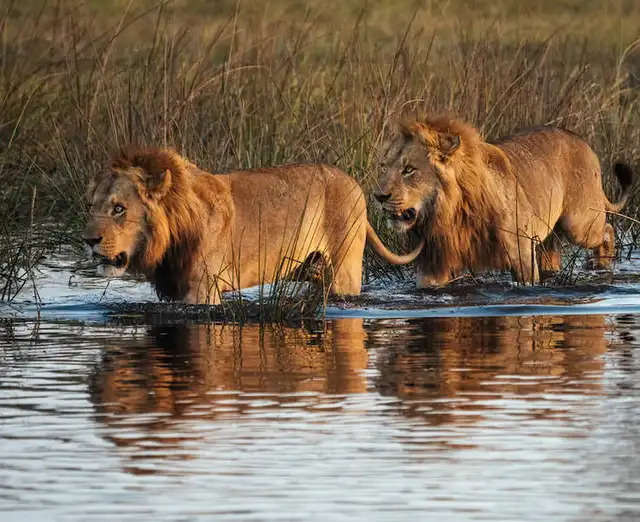
The best prime safari season for Botswana safari from May to October. Learn when to visit the Okavango Delta and Chobe National Park for excellent wildlife viewing, pleasant weather, and memorable safari experiences.
The best time for a Botswana safari is during the dry season from May to October, when wildlife viewing reaches its highest level across the country's leading safari destinations. During these months, rainfall is limited, vegetation becomes thinner, and animals gather around rivers, lagoons, and permanent water sources, making them easier to see. The Okavango Delta receives seasonal floodwaters that support a rich concentration of wildlife, while Chobe National Park becomes famous for its large elephant herds along the Chobe River. Each month offers unique advantages, from the comfortable temperatures of May and June to the exceptional wildlife concentrations of September and October. Whether your priority is photography, family travel, luxury camps, or general game viewing, choosing the prime safari season increases your chances of enjoying a rewarding Botswana safari with excellent wildlife sightings and favorable weather conditions
Popular Botswana safari packages
The Best Prime Safari Season for Botswana Safari
May: The Start of the Prime Safari Season
May marks the beginning of the dry season and is one of the best months for a Botswana safari. Rainfall becomes rare, temperatures are comfortable, and roads improve across many wildlife areas. Grass starts thinning after the wet months, making it easier to spot animals in national parks and private reserves. The Okavango Delta begins receiving floodwaters from Angola, creating attractive wildlife habitats. Visitor numbers are still lower than the busiest months, allowing for a quieter experience while enjoying excellent game viewing. Travelers looking for good value often find May a smart choice because prices can be lower than later in the year. For people wanting pleasant weather and strong wildlife sightings, a Botswana safari in May offers a great combination of comfort and quality.
June: Excellent Conditions for Wildlife Viewing
June is widely regarded as one of the strongest months for a Botswana safari. The dry season becomes fully established, and animals start concentrating around rivers, lagoons, and permanent water sources. This makes wildlife easier to find during game drives and boat excursions. Temperatures during the day are pleasant, while mornings and evenings can be cool. The Okavango Delta becomes increasingly active as floodwaters spread through the region, supporting many animal species. Predators and herbivores often remain close to key water areas, improving viewing opportunities. Wildlife photographers appreciate the clear skies and soft lighting. For travelers planning a Botswana safari, June provides a balance of excellent animal sightings, comfortable weather, and relatively moderate visitor numbers compared to peak holiday periods.
July: Peak Dry Season Wildlife Experiences
July is one of the most requested months for a Botswana safari because wildlife viewing reaches a very high level. Dry conditions continue across the country, and water becomes a central focus for many animals. The Okavango Delta offers exceptional game-viewing opportunities on both land and water. Chobe National Park becomes particularly attractive as elephant herds gather near the Chobe River. The cooler weather makes long game drives comfortable throughout most of the day. Accommodation can become fully booked months ahead because July is popular with travelers from around the world. Planning early is important to secure preferred lodges and camps. Anyone considering a Botswana safari during July can expect reliable wildlife viewing and favorable weather across the country’s major safari destinations.
August: One of Botswana’s Finest Safari Months
August stands among the best times for a Botswana safari due to its consistently dry conditions and high wildlife concentrations. Animals spend more time near water sources, making sightings more predictable and rewarding. Chobe National Park offers remarkable elephant viewing, while the Okavango Delta supports a wide range of wildlife activities. Vegetation remains sparse, which improves visibility during game drives and walking safaris. Temperatures are still manageable, with warm days and cooler nights. Visitors often choose August because it delivers dependable game viewing throughout many regions. Since demand remains high, travel arrangements should be secured well in advance. Whether visiting for photography or wildlife observation, a Botswana safari in August provides favorable conditions that meet the expectations of many travelers.
September: Warm Weather and Strong Game Viewing
September combines warm temperatures with excellent wildlife activity, making it a prime month for a Botswana safari. Water becomes harder to find across many ecosystems, attracting animals to rivers, channels, and lagoons where they are easier to observe. Predator activity often increases around these areas because prey species gather nearby. The Okavango Delta remains highly productive, and Chobe continues to offer impressive wildlife concentrations. Days become warmer than during midwinter, appealing to visitors who prefer less chilly mornings. September is also a favorite month for photographers because wildlife remains active and visible throughout the day. A Botswana safari during September offers many opportunities to see large mammals while enjoying generally stable weather conditions throughout major safari regions.
October: High Wildlife Concentrations Before Rains
October is often regarded as one of the most rewarding months for a Botswana safari. Temperatures rise significantly, and water sources become limited in many areas. These conditions draw animals into concentrated locations, making wildlife viewing particularly productive. Large elephant herds gather in Chobe, while predators benefit from the increased availability of prey near remaining water sources. Visitors frequently report seeing substantial numbers of animals during game drives. Although the weather can be hot, the quality of wildlife viewing often outweighs the higher temperatures. Travelers should pack lightweight clothing, sunscreen, and plenty of water. For people focused primarily on game viewing, a Botswana safari during October can provide some of the strongest wildlife experiences of the year.
Chobe National Park at Its Best
One reason many travelers schedule a Botswana safari during the dry season is the outstanding wildlife viewing in Chobe National Park. Between June and October, huge elephant populations gather near the Chobe River, creating excellent viewing opportunities. Boat cruises become especially rewarding because animals regularly visit the riverbanks to drink and cool down. Buffalo, antelope, and predators are often seen in the same areas. Dry-season conditions improve visibility and increase wildlife activity near water. Visitors interested in photography often prioritize this period because the concentration of animals can be exceptional. Choosing a Botswana safari that includes Chobe during the prime season greatly increases the likelihood of productive game viewing and memorable wildlife observations.
Okavango Delta During Prime Season
The Okavango Delta reaches some of its best conditions during the dry months, making it a highlight of any Botswana safari. Floodwaters arriving from Angola spread across the delta and support wildlife throughout the region. Mokoro excursions, boat trips, and game drives become highly rewarding as animals gather near permanent water. Visitors can experience both water-based and land-based activities in one destination. The cooler and drier conditions between June and October make outdoor activities more comfortable. Wildlife movement becomes easier to predict, helping guides locate key species. Including the Okavango Delta in a Botswana safari itinerary during the prime season allows travelers to enjoy one of Africa’s most productive wildlife habitats at its best.
Why the Dry Season Is Preferred
The dry season is generally considered the best time for a Botswana safari because wildlife becomes easier to locate and observe. Grass levels are lower, roads are more accessible, and animals spend more time around dependable water sources. These factors improve the chances of successful game drives compared to the wetter months. Weather conditions are also more predictable, reducing the likelihood of interruptions to planned activities. Travelers often value the combination of reliable wildlife viewing and comfortable safari conditions. While the green season has its own advantages, many first-time visitors prefer the dry season for its consistency. Choosing a Botswana safari during this period increases the likelihood of seeing a wide variety of wildlife across different habitats.
Choosing the Best Month for Your Visit
The best month for a Botswana safari depends on personal interests, budget, and travel goals. June through October generally delivers the strongest wildlife viewing, while each month offers slightly different advantages. June and July provide cooler weather, August and September offer balanced conditions, and October features very high wildlife concentrations. Travelers who plan early usually have a wider choice of lodges, camps, and safari activities. Understanding seasonal differences helps visitors select the period that best meets their expectations. Whether the focus is photography, family travel, luxury camps, or general wildlife viewing, careful planning can make a significant difference. Selecting the right season ensures a Botswana safari delivers value, comfort, and rewarding wildlife experiences.
How to get there for Botswana safari
Getting to a Botswana safari is straightforward, with most international travelers arriving through Sir Seretse Khama International Airport in Gaborone, Maun International Airport, or Kasane Airport. Maun is the main gateway to the Okavango Delta, while Kasane provides easy access to Chobe National Park. Travelers from Europe, North America, Asia, and other parts of Africa usually connect through major hubs such as Johannesburg in South Africa, Addis Ababa in Ethiopia, or Nairobi in Kenya before flying into Botswana. From Maun or Kasane, safari operators arrange road transfers, light aircraft flights, or boat transfers to lodges and camps located within national parks and private reserves. When planning a Botswana safari, it is advisable to confirm domestic flight schedules, baggage limits for small aircraft, and transfer arrangements in advance to ensure a smooth arrival at your chosen safari destination.
Booking Botswana safari with Lamz Tours and Travel
Booking a Botswana safari with Lamz Tours and Travel gives you access to carefully planned wildlife experiences across Botswana’s leading destinations, including the Okavango Delta, Chobe National Park, Moremi Game Reserve, and the Central Kalahari. Lamz Tours and Travel helps travelers choose the right itinerary based on travel dates, budget, and interests, whether you prefer luxury lodges, tented camps, family safaris, photography trips, or fly-in adventures. From accommodation reservations and transport arrangements to professional guiding and customized activities, every detail is organized to make your Botswana safari comfortable and rewarding. With local knowledge, personalized service, and attention to quality, Lamz Tours and Travel ensures visitors enjoy excellent wildlife viewing, authentic experiences, and well-planned holidays that make the most of Botswana’s remarkable natural attractions.
Ready to plan your safari?
Talk to a Lamz Tours specialist and get a tailor-made quote.
Make an enquiry