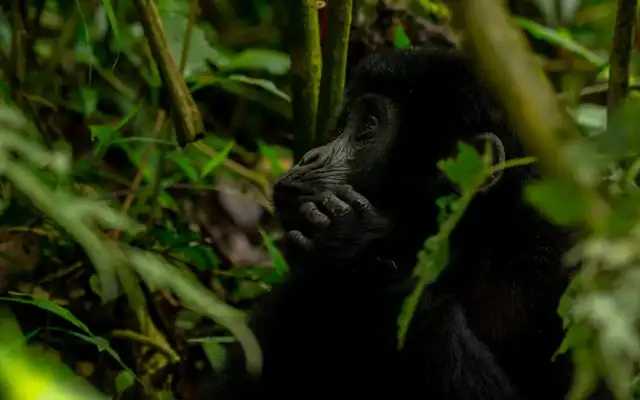
Plan Rwanda gorilla safaris with tips on permits, timing, transport, and Volcanoes National Park access for a smooth, well-prepared trekking experience
Planning Rwanda gorilla safaris requires careful attention to timing, permits, logistics, and physical preparation. The experience centers around Volcanoes National Park, the only place in Rwanda where you can track mountain gorillas in their natural habitat. With treks limited to small groups and led by trained guides, the park offers a structured and safe environment for observing gorilla families. The mandatory gorilla permit costs $1,500 per person and must be booked well in advance especially during the dry seasons when demand peaks. Choosing the right time to go, arranging transport from Kigali, and selecting nearby lodges are all key steps in building a smooth and rewarding itinerary.
Beyond the trek itself, Rwanda gorilla safaris involve altitude, physical effort, and strict etiquette to protect both visitors and gorillas. Packing the right gear waterproof boots, gloves, layers, and camera protection makes a big difference. Health precautions like vaccinations and malaria prophylaxis are also important. Whether you opt for a short 3-day trip or combine gorilla trekking with visits to Akagera or Nyungwe, planning ahead ensures you get the most out of your time in Rwanda. This guide covers everything you need to know from where to go and when to book, to how to prepare and what to expect on the trail
Best Rwanda gorilla safaris packages
2 day Gorilla trekking safari in Rwanda
2 Days Nyungwe Chimpanzee and Canopy Walk Safari in Rwanda
3 Days Gorilla and Golden Monkey Trekking Rwanda Tour
3 Days Safari to Rwanda and Uganda Gorilla Trekking
4 Days Luxury Gorilla Tracking Rwanda Tour
4 Days Primate Safari to Rwanda with Gorillas and Chimps
5 Days in Rwanda with Gorillas and Akagera Big Five Safari
8 Days Rwanda Cultural and Primate Experience
3Days Rwanda Safari Holiday with Gorilla Trekking
12 Days Rwanda Safari in Volcanoes, Nyungwe and Akagera National Park
15 Days Great East African Safari (Rwanda, Uganda, Kenya and Tanzania)
Where to go for Rwanda gorilla safaris
Volcanoes National Park is the top destination for Rwanda gorilla safaris. Located in the northwest near Musanze, it’s the only place in Rwanda where you can track mountain gorillas in their natural habitat. The park is well-managed, with trained guides, clear rules, and daily treks limited to small groups. Rwanda gorilla safaris here offer strong chances of seeing gorilla families up close, with treks ranging from easy to challenging depending on the group’s location. Permits are required and should be booked early, especially during the dry seasons. Lodges near the park cater to different budgets, and many offer early breakfasts and packed lunches to support trekking schedules. For travelers focused on Rwanda gorilla safaris, Volcanoes National Park provides the most direct and reliable access
The Crown Jewel, Understanding the Gorilla Permit
Understanding the gorilla permit is the most important step when planning Rwanda gorilla safaris. This permit gives you one hour with a habituated mountain gorilla family in Volcanoes National Park and is mandatory for all visitors. It costs $1,500 per person for international tourists, with the fee supporting conservation and local communities. Booking through a reputable tour operator is highly recommended, as they handle logistics and secure permits efficiently. Rwanda gorilla safaris are in high demand, especially during peak seasons, so it’s best to book 6–12 months in advance. Even in lower seasons, securing your permit 3–6 months ahead ensures availability and smoother planning. Without a permit, Rwanda gorilla safaris cannot happen, so this step should be your top priority
Best time for Rwanda gorilla safaris in volcanoes
Choosing the right time to go affects the comfort and success of Rwanda gorilla safaris. The dry seasons June to September and December to February are the most popular, with easier trekking conditions and clearer skies for photography. Trails are less muddy, and gorilla groups are easier to reach. However, this is also peak season, so permits are harder to get and prices are higher. Rwanda gorilla safaris during these months offer the best overall experience but require early planning. If you prefer better weather and don’t mind crowds, this is the safest option.
The shoulder and low seasons offer different advantages for Rwanda gorilla safaris. March, October, and November bring fewer tourists and slightly easier access to permits, though rain is more likely. Trails may be slippery, but the forest is green and vibrant. April and May are the wettest months, with heavy rain making trekking more difficult. However, this is the quietest time, with the lowest permit demand and deeply discounted rates from some lodges. Rwanda gorilla safaris during these months suit travelers who are flexible and prepared for challenging conditions. If you’re looking to save money and avoid crowds, the rainy season may be worth considering, but it’s important to pack properly and manage expectations
How to get there to Rwanda gorilla safaris
To reach Rwanda gorilla safaris, most travelers fly into Kigali International Airport (KGL), which is well-connected to major cities like Nairobi, Addis Ababa, Doha, and Brussels. From Kigali, it’s a 2.5 to 3-hour drive to Volcanoes National Park in the Musanze region, where all gorilla trekking takes place. The road is paved and safe, with scenic views along the way. Tour operators usually include private transfers in their packages, making the trip smooth and direct. If you're booking Rwanda gorilla safaris independently, you can hire a driver or rent a car, but guided transport is recommended for ease and reliability.
Once in Musanze, most lodges are located within 30 minutes of the park headquarters in Kinigi, where treks begin each morning. Rwanda gorilla safaris start early, so staying nearby is essential. Some travelers choose to spend a night in Kigali before heading to the park, especially if arriving late. Others combine gorilla trekking with visits to Lake Kivu or Nyungwe Forest. Whether you’re flying in for a short trip or combining multiple destinations, planning your route to Volcanoes National Park is key to a successful Rwanda gorilla safaris experience. Always confirm logistics with your operator to avoid delays or missed treks
How long to spend on Rwanda gorilla safaris
Spending 2 to 3 nights is ideal for Rwanda gorilla safaris, allowing time to rest, trek, and explore the area without rushing. Most travelers do one gorilla trek, which takes a full day including briefing, hiking, and the one-hour visit. Arriving the day before and leaving the day after ensures you’re well-prepared and not traveling under pressure. If you want to add a second trek, golden monkey tracking, or visit nearby sites like the Ellen DeGeneres Campus or Lake Kivu, consider extending to 4 nights. Rwanda gorilla safaris require early starts and physical effort, so building in time for recovery and flexibility helps make the experience smoother and more rewarding
Best Recommended Itineraries for Rwanda Gorilla Safaris
A 3-day and 2-night Rwanda gorilla safaris itinerary is the minimum viable option for travelers short on time. You arrive in Kigali, transfer to Musanze, trek the next day, and return to Kigali for departure. It’s efficient and covers the essentials gorilla trekking in Volcanoes National Park and a possible Kigali city tour, including the Genocide Memorial. This plan works well for business travelers or those adding gorilla trekking to a larger East Africa itinerary. While brief, it still delivers the core experience of Rwanda gorilla safaris, provided logistics are tightly managed and permits are secured early. Staying close to the park ensures you’re ready for the early morning trek, and a guided transfer helps avoid delays.
A 4–5 day Rwanda gorilla safaris itinerary gives you time for a second activity beyond gorilla trekking. Options include golden monkey trekking, which is more active and costs less, or the Dian Fossey Tomb Hike, which offers insight into gorilla conservation history. You can also visit Iby’Iwacu Cultural Village for a community-based experience. This itinerary allows for deeper engagement with the region’s wildlife and culture while keeping the trip manageable. It’s ideal for travelers who want more than just gorilla trekking but still need to keep their schedule tight. Lodges in Musanze support early starts and flexible planning.
An ideal 5–7+ day Rwanda gorilla safaris itinerary combines gorilla trekking with other national parks for a richer wildlife experience. After trekking in Volcanoes National Park, you can head to Akagera for Big 5 game viewing or Nyungwe Forest for chimpanzee tracking and canopy walks. This extended plan suits travelers who want to explore Rwanda’s biodiversity and landscapes in more depth. It also allows time to relax between treks and enjoy cultural or wellness activities. With more days, you can space out travel, reduce fatigue, and enjoy better lodge options. For those seeking a complete Rwanda gorilla safaris experience, this itinerary offers strong value and variety
What is the cost of Rwanda gorilla safaris?
The cost of Rwanda gorilla safaris in 2025 starts with the mandatory gorilla trekking permit, priced at $1,500 per person for international tourists. This fee includes park entry, ranger guides, and one hour with a habituated gorilla group in Volcanoes National Park. Beyond the permit, total safari costs vary based on accommodation, transport, and activities. Budget packages for 3-day safaris start around $2,000–$2,500, while midrange options range from $3,000–$4,500, and luxury safaris can exceed $5,000–$7,000 per person. Prices depend on lodge quality, group size, and whether extras like golden monkey trekking or cultural tours are included. Booking through a trusted operator helps manage logistics and secure permits early, especially during peak seasons. Rwanda gorilla safaris are premium experiences, with costs reflecting conservation and exclusivity
Best Physical Fitness and Preparation for Rwanda Gorilla Safaris
Rwanda gorilla safaris require moderate physical fitness, as treks can last from 1 to over 4 hours each way through steep, muddy, and uneven terrain at altitudes between 2,500 and 4,000 meters. To prepare, start regular cardio workouts like hiking, stair climbing, or jogging a few months before your trip to build stamina and leg strength. The pace during the trek is steady, not rushed, and guides adjust based on group ability. Hiring a porter for $10–$15 is highly recommended they carry your daypack and assist with balance on slippery paths, making the experience more manageable. Proper footwear, hydration, and mental readiness are just as important. With the right preparation, most travelers can comfortably complete Rwanda gorilla safaris and enjoy the trek without unnecessary strain
Best Rwanda Gorilla Safaris Etiquette
Respecting gorilla trekking etiquette is essential for both your safety and the gorillas’ health. During Rwanda gorilla safaris, always maintain a minimum distance of 7 meters from the gorillas, even if they move closer. This reduces the risk of disease transmission and keeps the animals comfortable. If you’re feeling unwell especially with a cold or flu you must skip the trek, as gorillas are highly vulnerable to human illnesses. Keep your voice low throughout the experience and avoid sudden movements. Flash photography is strictly prohibited, so check your camera settings in advance. These rules are enforced to protect the gorillas and ensure a calm, respectful environment for all trekkers
Guides play a critical role during Rwanda gorilla safaris, and their instructions must be followed without hesitation. Do not eat, drink, or smoke near the gorillas, as this can attract unwanted attention or cause stress. If a gorilla approaches you, crouch down slowly, avoid direct eye contact, and let your guide manage the situation. Porters and guides are trained to handle unexpected moments, so trust their expertise. Practicing proper etiquette not only protects the gorillas but also helps preserve Rwanda gorilla safaris for future visitors. Responsible behavior ensures a safe, respectful, and memorable trekking experience
Top Health and Safety Measures for Rwanda Gorilla Safaris
Before joining Rwanda gorilla safaris, it’s important to meet all health requirements to ensure a safe and smooth experience. If you’re arriving from a yellow fever endemic country, proof of yellow fever vaccination is mandatory. It’s also wise to consult a travel clinic about additional vaccines such as Hepatitis A and B, Typhoid, and routine immunizations. While the gorilla trekking region in Volcanoes National Park is at high altitude and has a low risk of malaria, other parts of Rwanda do carry a risk, so taking antimalarial prophylactics is strongly advised. Carry insect repellent and wear long sleeves in the evenings to reduce mosquito exposure.
Altitude is another key consideration during Rwanda gorilla safaris. Trekking takes place between 2,500 and 4,000 meters, so it’s common to feel short of breath or fatigued. To minimize discomfort, stay hydrated, avoid alcohol before trekking, and take it slow on the trail. If you have any pre-existing conditions, consult your doctor before traveling. Lastly, always check the latest health advisories from the Rwanda Development Board (RDB) and government sources for any updates on testing or vaccination requirements. Being well-prepared helps you stay healthy and fully enjoy your Rwanda gorilla safaris experience
Best thing to do beyond Rwanda Gorilla Safaris
Beyond Rwanda gorilla safaris, one of the best things to do is visit Akagera National Park for classic savannah wildlife viewing. Located in eastern Rwanda, Akagera offers Big Five game drives with lions, elephants, rhinos, leopards, and buffalo, plus giraffes, zebras, and hippos. The park has improved significantly in recent years, with guided safaris, boat trips on Lake Ihema, and well-maintained lodges. It’s a strong contrast to the forest trekking of Rwanda gorilla safaris, giving travelers a chance to experience open landscapes and traditional safari scenes. Akagera is easily accessible from Kigali and fits well into a 2–3 day extension.
Another top option beyond Rwanda gorilla safaris is Nyungwe Forest National Park, home to chimpanzees, colobus monkeys, and a famous canopy walk. The forest is dense and rich in biodiversity, offering guided hikes through varied terrain. Chimpanzee tracking is more active than gorilla trekking, with fast-moving groups and early starts. The canopy walk gives panoramic views of the forest and is suitable for all fitness levels. Nyungwe also supports birdwatching and nature photography, making it ideal for travelers who enjoy forest environments. Combining Nyungwe with Rwanda gorilla safaris creates a well-rounded primate-focused itinerary with strong conservation value
What to Bring for Rwanda Gorilla Safaris
Packing smart for Rwanda gorilla safaris makes the trek more comfortable and helps you stay focused on the experience. Start with waterproof hiking boots that support your ankles and offer strong grip break them in before travel to avoid blisters. Wear long, thick pants and long-sleeved shirts to protect against stinging nettles and biting insects. A waterproof and windproof jacket is essential, as weather can shift quickly. Garden gloves are surprisingly useful for grabbing vegetation during steep climbs. These basics help you stay dry, protected, and mobile throughout the trek.
For gear, bring a waterproof daypack or one with a rain cover to carry essentials like snacks and at least 2 liters of water. Trekking poles are often provided, but you can bring your own if preferred. For photography, pack a camera with a zoom lens flash is prohibited along with extra batteries and memory cards. Rain and humidity are common, so use plastic bags or a camera cover to protect your equipment. Rwanda gorilla safaris start early and last several hours, so being prepared with the right kit ensures you stay comfortable, capture great moments, and avoid unnecessary stress on the trail
Best places to stay in on Rwanda Gorilla Safaris
Top places to stay during Rwanda gorilla safaris include One&Only Gorilla’s Nest, a luxury lodge just minutes from Volcanoes National Park, offering spacious suites and personalized service. For upscale comfort with strong conservation values, Bisate Lodge provides forest villas with views of Mount Bisoke and community engagement programs. Sabyinyo Silverback Lodge, managed by a community trust, combines midrange comfort with local impact and easy access to park headquarters. Budget-conscious travelers can consider Le Bambou Gorilla Lodge or Da Vinci Gorilla Lodge, both offering reliable service and proximity to trekking start points. These lodges cater to different budgets and styles, but all are located near Kinigi, ensuring early access to gorilla trekking. Booking early is key, especially during peak Rwanda gorilla safaris seasons
Booking Rwanda Gorilla Safaris with Lamz Tours and Travel
Booking Rwanda gorilla safaris with Lamz Tours and Travel ensures a well-organized, high-value experience tailored to your needs. Our team handles everything from securing gorilla permits and arranging transport to selecting lodges near Volcanoes National Park. Lamz Tours and Travel offers clear communication, reliable logistics, and flexible itineraries whether you’re planning a short 3-day trek or combining gorilla trekking with Akagera or Nyungwe. We also assist with health prep, packing advice, and cultural add-ons like golden monkey trekking or village visits. With Lamz Tours and Travel, Rwanda gorilla safaris become less stressful and more rewarding, thanks to their expertise and strong local partnerships
Ready to plan your safari?
Talk to a Lamz Tours specialist and get a tailor-made quote.
Make an enquiry