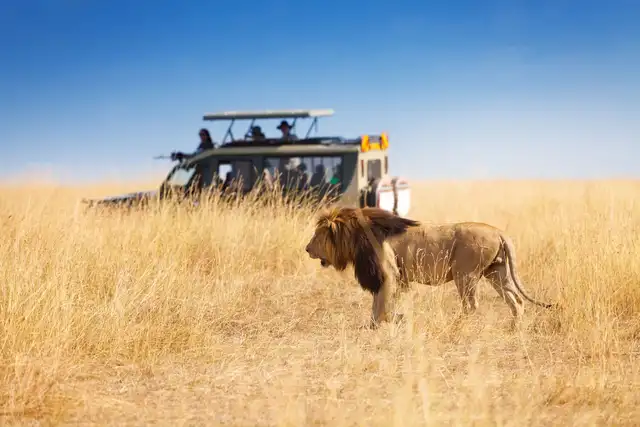
Walk with lions and leopards on African safari Tanzania. Explore top parks, walking zones, best seasons, and expert tips for big cat sightings.
alking with big cats on an African safari in Tanzania is not just about sightings it’s about connection, observation, and understanding predator behavior in its purest form. Tanzania offers some of the finest locations where lions, leopards, and cheetahs roam freely, and a handful of places allow you to explore their territories on foot with expert guides. Whether it’s following paw prints in Ruaha’s dusty trails, tracing fresh lion calls in Selous, or reading tracks in Tarangire’s private concessions, these walks provide intimate insight into the wild. Dry season months from June to October offer the best tracking conditions, while the calving season adds hunting drama across open plains. Accessing these experiences often involves traveling to remote lodges or conservancies that prioritize safety, exclusivity, and rich wildlife densities. From the Serengeti’s migration corridors to Katavi’s silent grasslands, every step reveals something new. This guide highlights where to go, when to visit, and how to plan an African safari built around walking near the very predators that define the wilderness
Best African safari Tanzania Packages
2-days-fly-in-serengeti-safari-in-tanzania
2-days-tarangire-national-park-and-ngorongoro-crater-safari
3-days-tanzania-safari-in-serengeti-national-park
3-days-tanzania-wildlife-safari
4-days-epic-tanzania-wildlife-and-culture-safari
5-day-kenya-and-tanzania-safari
5-days-circuit-wildlife-safari-in-tanzania
6-days-ndutu-migration-safari-calving-season
8-day-serengeti-ngorongoro-crater-and-zanzibar
8-days-wildlife-and-beach-holiday-tanzania
8-days-wildlife-safari-tanzania
9-days-zanzibar-and-wildlife-safari
10-days-uganda-and-tanzania-safari-gorillas-chimpanzees-and-wildlife
5-days-mount-kilimanjaro-marangu-route
6-days-mount-kilimanjaro-machame-route
7-day-climbing-kilimanjaro-via-the-machame-route
8-days-kilimanjaro-climbing-safari-lemosho-route-mount
9-days-kilimanjaro-climb-lemosho-route
12-days-mount-kilimanjaro-climb-and-tanzania-safari-tour
4-days-tanzania-birding-safari-to-lake-manyara-national-park
5-days-birding-tour-in-tanzania
Best Places to Walk with the Big Cats on African Safari Tanzania
Serengeti National Park
During the Great Migration, the African safari magic unfolds in full, drawing lions and leopards into dense hunting zones. Although walking safaris aren’t permitted inside the Serengeti itself, nearby private concessions allow guided walks with skilled trackers. These areas offer safer and controlled experiences that still include high predator activity. Visiting between June and October gives you better tracking visibility as the dry season thins out vegetation. For travelers wanting both big cat sightings and a walking African safari, staying in these border areas is a smart approach. You trade the crowds for quiet terrain, yet stay close to the drama that defines this ecosystem.
Ngorongoro Conservation Area
Lions dominate the crater floor, but walking African safari opportunities lie just outside in the Highlands and Empakaai Crater. These areas allow foot travel guided by professionals who interpret fresh signs like tracks and droppings. The experience is less about fast sightings and more about real-time wildlife tracking. During the dry months from June to October, paths are clearer and animal movement is easier to follow. For those planning an African safari with walking as a priority, this setup lets you engage the land without losing sight of the big cat story. It also minimizes vehicle traffic and maximizes natural awareness.
Tarangire National Park
Tree-climbing lions mark Tarangire’s unique African safari reputation, especially in the dry months when prey and predators hug the riverbanks. While walking inside the main park is restricted, camps in private areas offer walking safaris with skilled guides. These guides lead you through habitats known for lion activity, using tracking techniques tailored for foot exploration. If an African safari needs to combine visibility and ground-level engagement, Tarangire’s surrounding concessions strike a solid balance. Expect less noise, more signs, and plenty of room to understand big cat behavior up close. This is walking with a purpose not wandering.
Ruaha National Park
Holding nearly 10% of Africa’s lion population, Ruaha delivers one of the strongest African safari cases for foot-based tracking. Camps like Kigelia and Jabali Ridge guide guests on controlled walks through predator-rich terrain. Dry season from May to November reduces grass cover and funnels wildlife toward water ideal conditions for tracking lions and leopards. If your African safari goal is to walk with intent, guided by evidence and knowledge, Ruaha is hard to beat. It's remote, quiet, and deeply focused on real animal behavior not just sightseeing. You walk with meaning, not just curiosity.
Selous Game Reserve (Nyerere National Park)
Inside Selous, walking African safari options are fully permitted, making it a standout for on-foot big cat tracking. Camps like Beho Beho and Sand Rivers Selous run walks led by trained teams who know predator trails and seasonal movements. The dry spell from June to October gives better access to lion hunting paths as animals gather near rivers. For travelers who want their African safari to include true wilderness walking, Selous delivers. It’s not about getting close for a photo it’s about reading the land and understanding movement. Every walk builds a fuller picture of the ecosystem.
Katavi National Park
Katavi’s quiet space gives your African safari a walking advantage, with fewer people and better wildlife response. Chada Katavi’s walking safaris focus on grasslands and waterholes where lions mark and move. The dry season from May to October concentrates life around shrinking water sources, creating ideal tracking conditions. For an African safari built around thoughtful walking, this park offers calm and wildness in equal measure. You step with purpose, guided by fresh clues left behind. This isn’t about action-packed drama it’s about seeing big cats in a real context, one footstep at a time
Best Time for Big Cat Sightings on African Safari Tanzania
Between June and October, the African safari experience peaks during Tanzania’s dry season. Vegetation thins out, rivers shrink, and animals gather near limited water sources making it easier to track lions, leopards, and cheetahs. This concentration of prey draws big cats into predictable zones where guided walking safaris become more focused and rewarding. Parks like Serengeti, Ruaha, and Tarangire all show heightened predator movement during these months. It’s the ideal time for anyone building their African safari around ground-level wildlife observation, especially in private concessions where walking is permitted.
From January to March, the Serengeti enters calving season a dramatic period in the African safari calendar when thousands of wildebeest give birth. Lions and cheetahs use this opportunity to hunt vulnerable newborns, creating constant action across open plains. Though walking safaris are limited in core Serengeti zones, nearby areas offer viewing and tracking opportunities guided by experts. This season turns the landscape into a moving classroom on predator behavior. If your African safari goal includes understanding big cat dynamics, this window delivers intense and frequent sightings with real ecological meaning
How to get there to walk with the big cats on African safari Tanzania
To walk with big cats on an African safari in Tanzania, you’ll begin by flying into either Kilimanjaro International Airport (JRO) for access to the northern parks like Serengeti, Ngorongoro, and Tarangire, or Julius Nyerere International Airport (DAR) to reach southern regions like Selous and Ruaha. From there, you can take domestic flights or road transfers to safari hubs like Arusha or Iringa, then connect to private lodges or camps that specialize in walking safaris. Charter flights are also available to remote parks like Katavi, where African safari walking experiences take place far from the typical tourist routes
How to Maximize Big Cat Sightings on African Safari Tanzania
Choose the Right Time of Year
Timing shapes your African safari experience dramatically, especially when planning around predator activity. From June to October, animals gather at water sources during the dry season, making lions and leopards easier to track. The Great Migration (July–October) in the Serengeti attracts predators hunting wildebeest. Meanwhile, January to March offers a different pulse calving season in Ndutu and Southern Serengeti, when cheetahs and lions hunt newborns. Avoid April–May as rains make roads impassable and vegetation too thick for clear sightings. Aligning your African safari with seasonal behavior leads to richer wildlife viewing and sharper chances of spotting big cats.
Visit the Best Big Cat Hotspots
Location is key to a successful African safari, especially for seeing big cats in Tanzania. The Serengeti boasts Africa’s highest lion concentration, open plains for cheetahs, and tree-lounging leopards in its river zones. Ngorongoro Crater is ideal for lions, with occasional leopards in Lerai Forest. Tarangire is unique for its tree-climbing lions, especially near swamps. Remote areas like Ruaha and Selous bring quieter conditions but rich lion and leopard activity near water sources. By targeting these regions, your African safari becomes focused on habitats where big cats thrive, rather than broad exploration with uncertain outcomes.
Go on Game Drives at the Right Times
On any African safari, timing your game drives boosts chances of seeing big cats at their most active. Early mornings (6:00–9:00 AM) are perfect, as lions and leopards finish their night hunts or move through open terrain. Late afternoons (4:00–6:30 PM) bring fresh movement as cats awaken from daytime rest. In select private concessions, night drives offer a rare look at nocturnal behavior especially leopards on the move. Planning around these windows ensures your African safari isn’t just a sightseeing tour but a real-time glimpse into big cat life cycles and patterns.
Use a Knowledgeable Guide
Having the right guide changes your African safari from casual to expert-level tracking. Local guides understand territories and can interpret subtle signs like distant roars or recent prey kills. Top safari companies like &Beyond, Asilia, and Nomad use skilled trackers and radio contact to share updates on sightings. These professionals turn each drive into a search mission, not guesswork. With a strong guide, your African safari gains insight, precision, and far better chances of finding lions, leopards, or cheetahs based on movement, not luck.
Look for Signs of Big Cats
Reading the land is a key strategy on any African safari if you want to find big cats. Lions often rest under shade and their roars are audible at dawn or dusk. Vultures overhead may indicate a fresh kill nearby. Leopards favor tall trees and rocky areas, especially along riverbanks. Cheetahs scan from mounds in open plains like Ndutu. Learning these markers helps you search more effectively rather than just relying on chance. Your African safari becomes part detective work, using natural clues left behind to guide each drive or walk.
Stay Patient and Silent
The best sightings often come from waiting, especially on an African safari focused on big cats. Lions and leopards spend hours resting activity may only begin after long pauses. Staying quiet, turning off engine noise, and avoiding sudden movements helps reduce stress on animals and lets natural behavior unfold. A rushed sighting misses details like hunting stances or cub interactions. Letting your African safari breathe, staying still when needed, often gives you more powerful sightings than constant movement or noise.
Stay at Camps in Prime Big Cat Territory
Location matters base your African safari at camps near known big cat areas for higher chances of sightings. In Serengeti, spots like Central Seronera are leopard-rich, while Ndutu excels during calving season for cheetahs. Western Corridor offers intense lion action near river crossings. Tarangire’s Silale Swamp and Oliver’s Camp region are strong for tree-climbing lions. Ruaha and Selous camps near rivers are ideal as big cats hunt near water. Building your African safari around these camp locations puts you right in the middle of the predator storyline not just passing through.
Consider a Private or Off-Road Safari
Access matters on your African safari private concessions like Grumeti or Singita allow off-roading, meaning guides can follow lions into brush or move closer to stalking leopards. Walking safaris in parks like Selous, Ruaha, or Tarangire private zones let you track big cats on foot with armed experts. These options add depth, letting your African safari go beyond regular routes. Off-road and private settings create more personal, less crowded experiences, where tracking turns into learning and every moment holds potential.
Bring the Right Gear
The right tools make your African safari sharper and more focused. Binoculars (10x42) help scan long distances for movement. A quality camera with a 300mm lens or more catches clear shots of cats from afar. Neutral-toned safari clothing blends into surroundings and reduces disturbance. These items aren’t extras they’re essentials for maximizing every sighting opportunity. Your African safari becomes more strategic and less passive when you carry what helps you observe and capture without missing key moments.
Respect Wildlife and Follow Park Rules
Ethics are a pillar of any African safari, especially when observing big cats. Never stand in vehicles or make noise to draw attention. Keep safe distances mothers with cubs can act unpredictably. Don’t crowd a sighting; multiple vehicles stress predators and disrupt behavior. Treat every lion, leopard, or cheetah as wild and deserving of space. Respect isn’t just safety it’s what keeps the African safari genuine and sustainable for future visitors and the animals themselves.
Are there big cats in Tanzania?
Yes, Tanzania is rich in wildlife and home to iconic predators, making it a top African safari destination for big cat sightings. Lions dominate the Serengeti plains, leopards thrive in wooded riverine zones, and cheetahs roam open landscapes like Ndutu. These predators benefit from healthy ecosystems and abundant prey. From solitary leopards lounging in trees to lion prides patrolling grasslands, an African safari in Tanzania offers unparalleled access to observe them behaving naturally. With strict conservation measures and vast protected areas, Tanzania remains one of the most reliable places to find big cats in the wild
How much does a safari trip cost in Tanzania?
The price of an African safari in Tanzania depends on season, comfort level, and itinerary. Budget safaris start around $200 per person per day, mid-range trips average $500, and luxury experiences can exceed $1,500 daily. These rates usually cover accommodation, park fees, meals, guides, and local transport. The dry season from June to October is peak time and often more costly, while the green season offers value deals. Tailored African safari packages like private game drives or photography tours may cost more. Still, with careful planning, travelers can find options suited to families, honeymooners, or solo adventurers
Where to see leopards in Tanzania?
If you're aiming to spot leopards on your African safari, Tanzania offers several prime regions. The Central Serengeti’s Seronera Valley has river systems and fig trees perfect leopard habitat. Ruaha National Park, with its rocky outcrops and baobab forests, is another hotspot where leopards quietly patrol their territories. In Tarangire, look along riverbanks for solitary cats during early morning drives. Since leopards are stealthy and often avoid crowds, a well-guided African safari with an experienced tracker increases your chances of witnessing one. Their elusive nature makes each sighting rewarding, especially when captured in serene, natural settings
What is the famous safari park in Tanzania?
Serengeti National Park is the most famous destination for an African safari in Tanzania. Known for the Great Migration, it spans vast plains filled with millions of wildebeest, zebra, and predators like lions and cheetahs. Serengeti’s kopjes and river areas are ideal for leopard sightings, too. The park’s sheer size and ecological diversity offer wildlife viewing year-round. Whether watching a lion pride hunt or observing cheetahs scan the horizon, an African safari in Serengeti delivers raw, unscripted moments that have earned it global recognition. It's a must-visit for anyone seeking an immersive, predator-focused experience
Which Tanzania safari is best?
The best African safari in Tanzania depends on your travel goals. The Northern Circuit including Serengeti, Ngorongoro Crater, Tarangire, and Lake Manyara offers varied landscapes and reliable sightings of big cats. For a quieter and more intimate experience, the Southern Circuit with Ruaha and Selous provides off-the-grid wilderness with excellent lion and leopard encounters. Families may prefer Ndutu during calving season, while photographers often favor the Serengeti. Whether it's luxury lodges or mobile tented camps, your African safari can be customized for adventure, relaxation, or wildlife tracking, making Tanzania flexible and unforgettable for all travelers
What month is the Great Migration?
The Great Migration is a year-round cycle, but the most dramatic African safari moments happen from July to October when herds cross the Mara River into Kenya. River crossings attract predators and provide intense viewing. From January to March, calving occurs in the Southern Serengeti and Ndutu, drawing lions and cheetahs in high hunting activity. The transitional movement through the Western Corridor and Grumeti River happens in May and June. Timing your African safari around these phases ensures encounters with both prey and predators in dynamic action, providing unmatched storytelling opportunities for wildlife lovers and photographers
What to carry for big cats on African safari tanzania.
If you’re planning to spot big cats on an African safari in Tanzania, bring gear that improves visibility and comfort while minimizing disruption to wildlife. Binoculars (preferably 10x42) help spot lions, leopards, and cheetahs from afar. A camera with at least a 300mm lens captures sharp images of predator behavior. Wear neutral-colored clothing like khaki or olive to blend into the environment and avoid startling animals. Pack a hat, sunscreen, insect repellent, and a refillable water bottle to stay protected and hydrated. Carry a field guide or notebook for tracking sightings these tools make your African safari more focused, safe, and rewarding
Best places to stay for big cats on African safari Tanzania
For big cat sightings on an African safari in Tanzania, the best places to stay are camps located directly within or adjacent to predator-rich habitats. Nomad Lamai in Northern Serengeti sits near the Mara River, perfect for watching lions and leopards during the migration. Jabali Ridge in Ruaha offers access to one of Africa’s largest lion populations and guided walking safaris. Beho Beho in Selous is ideal for tracking lions on foot, while Serengeti Serena near Seronera provides consistent leopard sightings. For those seeking solitude and raw nature, Chada Katavi delivers a truly remote African safari experience with strong lion presence and minimal tourist traffic
Why book African safari in Tanzania with Lamz Tours and Travel
Booking your African safari in Tanzania with Lamz Tours and Travel means choosing a team that blends deep local knowledge with personalized service and ethical travel practices. Our guides are experts in wildlife tracking and behavior, giving you a richer understanding of lions, leopards, and cheetahs across parks like Serengeti, Ruaha, and Selous. Lamz Tours and Travel crafts tailored itineraries for solo travelers, couples, families, and photographers whether you're chasing the Great Migration or walking in big cat territory. With a strong focus on conservation and community support, your African safari not only delivers unforgettable wildlife moments but also contributes to preserving Tanzania’s natural heritage
Ready to plan your safari?
Talk to a Lamz Tours specialist and get a tailor-made quote.
Make an enquiry