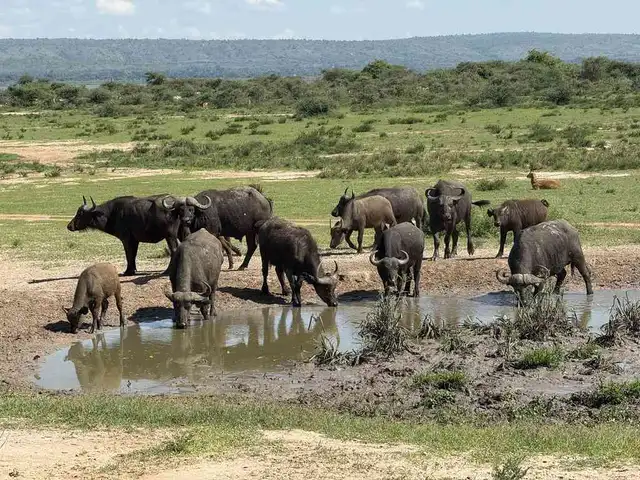
Capture wildlife, landscapes, and rare animals at the best photography spots in Queen Elizabeth National Park on a safari in Africa Uganda.
Queen Elizabeth National Park offers incredible opportunities for photographers on a safari in Africa Uganda. From tree climbing lions in Ishasha to hippos along the Kazinga Channel and diverse birdlife, every corner presents a new scene. Travellers can enjoy guided game drives, boat cruises, and forest walks to capture wildlife behaviour, vibrant landscapes, and cultural moments. A safari in Africa Uganda at Queen Elizabeth promises rich photo experiences for enthusiasts of all levels.
Our Best Safaris on a Safari in Africa Uganda
1 Day To Jinja, Sezibwa falls and Mabira forest Hike
2 Days Gorilla Trekking Safari to Bwindi National Park
3 Days Gorilla Trekking in Mgahinga Gorilla National Park.
4 Days Gorillas, Chimpanzees and Wildlife Safari in Uganda
5 Days Safari To Kidepo Valley National Park
6 Days Murchison Falls and Queen Elizabeth National Park Safari
7 Days Murchison Falls, Kibale, and Queen Elizabeth National park Safari
8 Days Murchison Chimpanzees Queen Elizabeth and Gorilla Safari
9 Days Best of the Uganda Safari with Gorillas
10 Days Uganda Safari Gorilla, Wildlife and Chimpanzees
11 Days Gorillas and Chimpanzees Wildlife Safari, Uganda
12 Days Best of Uganda Wildlife Encounter and Cultural Safari
14 Days Uganda Birding Safari Experience
15 Days Gorilla Safari and wildlife in Uganda
1. Tree Climbing Lions in Ishasha
The Ishasha Sector of Queen Elizabeth National Park is famous for one of the most unique wildlife phenomena in Africa: tree-climbing lions. On a safari in Africa Uganda, travellers can witness these majestic cats resting on fig tree branches during the hottest parts of the day. The behaviour is believed to help them escape insects and enjoy a cool breeze while surveying the savannah. Photographers on a safari in Africa Uganda have a rare chance to capture these lions in unusual poses, making for one-of-a-kind images. Beyond the lions, Ishasha is home to elephants, buffaloes, and various antelope species, offering multiple photographic opportunities on a single game drive. Early morning and late afternoon light create dramatic shadows and golden hues, perfect for wildlife shots. Experienced guides on a safari in Africa Uganda know the best vantage points and timing to see lions climbing or resting in trees, ensuring travellers get unforgettable photographs. Capturing this rare behaviour is often a highlight of any Uganda safari
2. Kazing Channel Boat Cruise
The Kazinga Channel connects Lake George and Lake Edward and is a hotspot for wildlife photography. A safari in Africa Uganda allows travellers to enjoy boat cruises along the channel, where large pods of hippos, crocodiles, and elephants often gather. Birdwatchers and photographers on a safari in Africa Uganda can capture over 600 bird species, including kingfishers, herons, and cormorants, all set against the sparkling water. The channel also provides dynamic wildlife interactions: hippos surfacing, crocodiles basking, or elephants drinking along the banks. Early morning or late afternoon cruises provide the best light for photography, producing dramatic reflections and vivid colours. Experienced guides on a safari in Africa Uganda know where animals gather most frequently, helping travellers get the perfect shot while ensuring safety. The combination of calm waters, abundant wildlife, and natural light makes Kazinga Channel one of the most photogenic spots in Uganda, leaving photographers with images they’ll treasure forever from their safari in Africa Uganda.
3. Savannah Game Drives
Queen Elizabeth National Park’s savannah plains provide classic African safari landscapes. On a safari in Africa Uganda, visitors can capture elephants roaming in herds, lions resting under acacia trees, giraffes browsing treetops, and buffaloes grazing near waterholes. These open spaces allow photographers to frame animals against wide horizons, golden grass, and dramatic skies. Game drives on a safari in Africa Uganda are best during early mornings and late afternoons when wildlife is most active, and lighting is optimal for photography. The variety of habitats in the park from open grasslands to woodlands means travellers can capture multiple species in one trip. Knowledgeable guides on a safari in Africa Uganda point out hidden wildlife and advise on safe distances for shooting close-up portraits or wide-angle landscape shots. Every drive offers a new photographic opportunity, from playful elephants to predators stalking prey, making savannah drives an essential part of any Uganda photography-focused safari.
4. Breathtaking Crater Lakes
Uganda is dotted with picturesque crater lakes that offer breathtaking photography opportunities on a safari in Africa Uganda. In Queen Elizabeth National Park, these lakes are framed by rolling hills, forested edges, and abundant wildlife, creating a serene backdrop for stunning images. Photographers on a safari in Africa Uganda can capture reflections of birds, monkeys, and other animals in the water, producing dramatic, scenic shots. The contrast between still waters and nearby savannahs adds depth and variety to compositions. Many crater lakes are easily accessible via guided safari routes, allowing travellers to plan early morning or sunset sessions for the best light. On a safari in Africa Uganda, the lakes offer quiet moments for nature photography, capturing animals drinking or foraging along the shores. The combination of peaceful water, vibrant wildlife, and surrounding landscapes ensures photographers return home with diverse and memorable images from their safari in Africa Uganda.
5. Birdwatching Hotspots
Queen Elizabeth National Park is a paradise for bird photographers. On a safari in Africa Uganda, travellers can photograph over 600 species, including the rare shoebill, herons, kingfishers, and egrets. Wetlands such as Mabamba Swamp provide close encounters with shoebills, allowing photographers to capture these prehistoric-looking birds in dramatic poses. A safari in Africa Uganda also offers opportunities to shoot colourful tropical species in forests, lakes, and savannahs, creating a diverse portfolio of wildlife images. Early morning light highlights vibrant plumage and enhances photographic detail. Guides on a safari in Africa Uganda help locate active birds and advise on composition and timing for the best shots. Even casual visitors often find themselves captivated by the variety of birdlife, making bird photography a rewarding and essential part of a Uganda safari. The abundance and diversity of avian species ensure every trip leaves photographers with unforgettable images.
6. The Mweya Peninsula Viewpoints
The Mweya Peninsula provides panoramic views over the Kazinga Channel and surrounding savannahs, making it a must-visit spot for a safari in Africa Uganda. Travellers can capture sweeping landscapes, herds of elephants, and birds along the water, all framed by dramatic skies. The elevated vantage points offer unique perspectives for wildlife photography, showing animals in their natural context. Photographers on a safari in Africa Uganda benefit from sunrise and sunset light, which adds depth and golden tones to landscapes and wildlife. Guided tours ensure visitors are positioned at the best viewpoints for capturing activity along the riverbanks. From Mweya, a safari in Africa Uganda allows photographers to combine broad landscape shots with close-ups of grazing animals, resulting in dynamic and varied images. This location is ideal for capturing the essence of Uganda’s wilderness in a single composition.
7. Hippos and Crocodiles at Sunset
The shores of the Kazinga Channel offer one of the most photogenic experiences on a safari in Africa Uganda. Hippos wallow in the water while crocodiles bask along the banks, providing dramatic and dynamic subjects. Sunset creates warm, golden light reflecting off the water, perfect for photography. On a safari in Africa Uganda, this location allows travellers to capture wildlife in motion and the serene beauty of the African landscape. Boat-based photography ensures close encounters while maintaining safety, allowing photographers to capture unique interactions between species. Guides on a safari in Africa Uganda advise on positioning, lighting, and timing to maximise shots. The combination of wildlife activity, sunset glow, and calm water reflections makes this an unforgettable photography opportunity, leaving visitors with iconic images from their Uganda Tour Safari.
Best Time to Visit Queen Elizabeth on a Safari in Africa Uganda
Choosing the right time for a safari in Africa Uganda in Queen Elizabeth National Park is essential for optimal wildlife photography and viewing. The dry seasons, from June to September and December to February, are ideal as animals gather near waterholes and roads are easier to navigate. On a safari in Africa Uganda, these months also provide the best lighting for photography, with golden sunrises and sunsets enhancing landscapes and wildlife shots. During the rainy seasons, from March to May and October to November, the park becomes lush, green, and vibrant, providing dramatic backdrops for photography and increased bird activity. A safari in Africa Uganda during either season allows visitors to experience diverse wildlife, including tree-climbing lions, elephants, hippos, and primates, in comfortable conditions. Planning the trip according to seasonal wildlife behaviour ensures photographers capture high-quality images and travellers enjoy scenic landscapes. Proper timing also helps in arranging guided tours, forest treks, and boat cruises, making every moment of a safari in Africa Uganda in Queen Elizabeth National Park highly rewarding.
How to Get to Queen Elizabeth for a Safari in Africa Uganda
Reaching Queen Elizabeth National Park for a safari in Africa Uganda is straightforward. Most travellers fly into Entebbe International Airport, Uganda’s main gateway, and continue by road or domestic flight to the park. Well maintained highways and safari vehicles provide safe, efficient access to wildlife areas. On a safari in Africa Uganda, the journey offers scenic opportunities to photograph rolling hills, savannahs, and rural villages. Domestic flights shorten travel time to remote areas while allowing more time for wildlife observation and photography. Guided tours ensure travellers reach the best vantage points safely and gain local insights about animal behaviour and cultural context. A safari in Africa Uganda in Queen Elizabeth is seamless with professional guidance, combining comfort, safety, and rich photographic opportunities along the way. Efficient transport and expert knowledge let visitors focus on capturing wildlife, landscapes, and birdlife without worrying about logistics, making travel part of the immersive experience.
Things to Do in Queen Elizabeth on a Safari in Africa Uganda
Queen Elizabeth National Park offers a variety of activities for a safari in Africa Uganda. Game drives allow travellers to photograph elephants, lions, giraffes, buffaloes, and hippos roaming plains and woodlands. Boat cruises on the Kazinga Channel provide close views of crocodiles, hippos, and hundreds of bird species. Primate trekking in nearby forests offers chances to capture gorillas and chimpanzees in their natural habitats. On a safari in Africa Uganda, guided walks reveal smaller wildlife, insects, and plants, adding variety to photography. Cultural visits to local communities provide opportunities to document music, crafts, and traditional life. Each activity on a safari in Africa Uganda offers different perspectives, combining action, wildlife behaviour, and landscape shots. Photographers can create diverse visual stories while experiencing the natural and cultural richness of Queen Elizabeth National Park. Planning multiple activities ensures a fulfilling and varied itinerary for any safari in Africa Uganda enthusiast.
What to Carry for a Queen Elizabeth Safari in Africa Uganda
Packing well improves the experience of a safari in Africa Uganda in Queen Elizabeth National Park. Neutral-coloured clothing such as khaki, green, or beige is recommended to avoid disturbing wildlife. Comfortable hiking shoes and hats protect against the sun and long walks. Cameras with telephoto and wide-angle lenses allow photographers on a safari in Africa Uganda to capture both wildlife and landscapes effectively. Binoculars, extra memory cards, batteries, insect repellent, and a backpack are essential for organisation and convenience. Rain jackets prepare visitors for sudden tropical showers. On a safari in Africa Uganda, proper gear ensures comfort during game drives, forest treks, and boat cruises. Sun protection, hydration, and careful packing allow travellers to focus on wildlife photography, scenic views, and cultural experiences in Queen Elizabeth National Park. Being well-prepared enhances both safety and creative opportunities on a safari in Africa Uganda.
Health and Safety on a Queen Elizabeth Safari in Africa Uganda
Health and safety are critical on a safari in Africa Uganda in Queen Elizabeth National Park. Travellers should consult healthcare providers for vaccinations, malaria prophylaxis, and preventive advice. Carrying a first-aid kit, insect repellent, sunscreen, and water ensures comfort during game drives, boat trips, and forest treks. Guides on a safari in Africa Uganda instruct visitors on maintaining safe distances from wildlife and following park regulations. Proper footwear, hydration, and patience are important when tracking gorillas or chimpanzees. Observing these precautions ensures travellers enjoy wildlife and photography safely. On a safari in Africa Uganda, respecting park rules and being prepared for terrain and weather conditions makes the experience smooth and rewarding. Professional guidance ensures travellers can safely explore habitats and photograph animals without compromising health or security in Queen Elizabeth National Park.
How much is an African safari in Uganda?
The cost of a safari in Africa Uganda varies widely depending on the type of experience, accommodation, and activities included. A basic safari package with mid-range lodges, guided game drives, and transport can start from a few hundred dollars per day, while luxury safaris with high-end lodges, private vehicles, and domestic flights may cost significantly more. The inclusion of special experiences such as gorilla trekking in Bwindi Impenetrable National Park or chimpanzee tracking in Kibale Forest National Park also affects the price. On a safari in Africa Uganda, travellers should also consider park entrance fees, boat cruises, meals, and optional cultural visits. Planning carefully allows visitors to tailor their budget without compromising the quality of their experience. Many travellers find that Uganda offers exceptional wildlife encounters and scenic beauty at a more affordable rate compared to other African safari destinations. By choosing the right itinerary, season, and accommodations, a safari in Africa Uganda can provide incredible value while offering memorable wildlife and cultural encounters.
Do they have safaris in Uganda?
Yes, Uganda offers a wide range of safaris that make it one of the most rewarding destinations for wildlife enthusiasts. A safari in Africa Uganda includes visits to national parks such as Queen Elizabeth, Murchison Falls, Bwindi, and Kibale, where travellers can see elephants, lions, giraffes, hippos, gorillas, chimpanzees, and rare tree-climbing lions. Uganda’s diversity of landscapes from savannahs to tropical forests supports abundant wildlife, making it ideal for photographers and nature lovers. On a safari in Africa Uganda, guided game drives, forest trekking, and boat cruises ensure close encounters with animals in their natural habitats. Many tours also include cultural visits, allowing travellers to experience local communities alongside wildlife adventures. With a growing tourism infrastructure and experienced safari operators like Lamz Tours and Travel, visitors can enjoy well-organised trips, safe transportation, and expert guidance. A safari in Africa Uganda provides opportunities to experience iconic African wildlife, beautiful scenery, and rich culture all within one country, making Uganda a unique safari destination in East Africa.
How much does a 1 week safari cost?
The price of a one week safari in Africa Uganda depends on the itinerary, accommodation style, and included activities. Mid range safaris with comfortable lodges, guided game drives, and park entry fees may start around $1,500 to $2,500 per person, while luxury packages with private vehicles, domestic flights, and high-end lodges can reach $4,000 or more. The inclusion of gorilla trekking permits in Bwindi Impenetrable National Park and chimpanzee tracking in Kibale significantly contributes to costs. On a safari in Africa Uganda, travellers can also add boat cruises, cultural visits, and professional photography services. Group tours often help reduce individual expenses, while private safaris offer flexibility and personalised experiences. Planning in advance, comparing operators, and choosing the right season can optimise both budget and wildlife encounters. A one week safari in Africa Uganda allows travellers to explore key destinations like Queen Elizabeth National Park and Murchison Falls National Park comfortably while experiencing Uganda’s diverse wildlife, landscapes, and cultural richness in a single, well paced itinerary.
What are the Big 5 in Africa safari?
The Big 5 refers to five iconic African animals that are highly sought after on a safari in Africa Uganda: lions, leopards, elephants, buffaloes, and rhinoceroses. These animals are considered both challenging to track and majestic to observe, making them a major draw for wildlife enthusiasts. On a safari in Africa Uganda, Queen Elizabeth National Park and Murchison Falls National Park offer opportunities to see lions, elephants, and buffaloes, while rhinos are more commonly found in protected reserves. Leopards, being elusive, require patience and expert guidance to spot in forests or dense bush areas. Seeing the Big 5 provides not only exciting photographic moments but also an educational insight into Africa’s ecosystems and predator-prey dynamics. A safari in Africa Uganda allows travellers to combine Big 5 spotting with other wildlife encounters, including gorillas, chimpanzees, hippos, and rare birds, all within Uganda’s diverse landscapes. This makes the safari experience rich, immersive, and deeply connected to African wildlife traditions.
Why Book with Lamz Tours and Travel for a Queen Elizabeth Safari in Africa Uganda
Booking a safari in Africa Uganda with Lamz Tours and Travel ensures well organised itineraries, expert guidance, and access to the best wildlife photography locations in Queen Elizabeth National Park. Experienced guides help travellers spot tree-climbing lions, elephants, hippos, and birds while sharing knowledge about behaviour and ecosystems. A safari in Africa Uganda with Lamz Tours and Travel includes transport, permits, and local insights, allowing visitors to focus on capturing wildlife and landscapes. Flexibility in planning lets travellers customise their journey for photography, exploration, and comfort. Choosing a safari in Africa Uganda with Lamz Tours and Travel guarantees safe, smooth, and immersive experiences, helping travellers enjoy the full diversity of Queen Elizabeth National Park while photographing its remarkable wildlife and scenery.
Ready to plan your safari?
Talk to a Lamz Tours specialist and get a tailor-made quote.
Make an enquiry