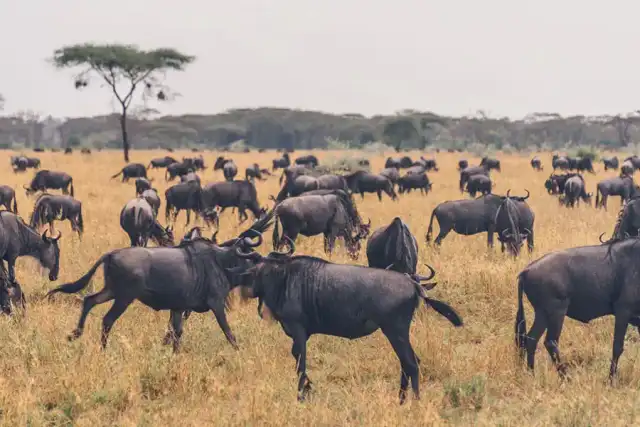
Best peak season months for Tanzania tours and safaris from June to October. Learn when to visit for wildlife viewing, Great Migration sightings, and ideal safari weather.
The best peak season months for Tanzania tours and safaris are June through October, when dry weather creates excellent conditions for wildlife viewing across the country. During these months, animals gather near rivers, lakes, and water sources, making them easier to spot in famous parks such as Serengeti, Ngorongoro Crater, Tarangire, and Ruaha. July, August, and September are particularly popular because they coincide with some of the most active stages of the Great Migration in northern Serengeti. Travelers also enjoy clear skies, comfortable temperatures, and good road access throughout major safari destinations. Whether you are interested in wildlife photography, family holidays, migration viewing, or combining a safari with Zanzibar beaches, these peak months offer some of the most rewarding Tanzania tours and safaris experiences available
Best Tanzania safari packages
The Best Peak Season Months for Tanzania Tours and Safaris
June: The Start of the Prime Safari Season
June marks the beginning of the dry season and is one of the most rewarding months for Tanzania tours and safaris. As rainfall reduces, roads become easier to use, wildlife gathers around rivers and waterholes, and vegetation becomes thinner, making animal viewing much easier. Many travelers choose June because it offers excellent game viewing while avoiding the larger crowds that arrive later in the season. National parks such as Serengeti, Tarangire, and Ruaha begin showing increased wildlife activity as animals move in search of water and grazing land. Temperatures are pleasant during the day and cooler in the evenings, creating comfortable conditions for outdoor activities. For travelers seeking clear skies, active wildlife, and manageable visitor numbers, June is an excellent time for Tanzania tours and safaris across the country.
July: Ideal Wildlife Viewing Conditions
July is considered one of the finest months for Tanzania tours and safaris because dry conditions continue across most parks. Wildlife becomes easier to locate as animals concentrate near permanent water sources. In the Serengeti, the migration starts moving toward the northern sections, attracting visitors hoping to witness large herds of wildebeest and zebra. Tarangire National Park also provides outstanding wildlife sightings, with large elephant groups becoming common around the Tarangire River. The weather remains cool and comfortable, making game drives enjoyable throughout the day. Accommodation options fill quickly due to increased demand, so early planning is important. Travelers looking for reliable wildlife viewing and favorable weather often select July when booking Tanzania tours and safaris for family holidays, photography trips, or first-time safari experiences.
August: Peak Wildlife Activity
August is among the busiest and most productive months for Tanzania tours and safaris. Dry weather dominates much of the country, creating excellent opportunities to observe wildlife in open areas. Northern Serengeti becomes a key attraction as migrating animals gather near river crossings, drawing attention from visitors and photographers. The reduced vegetation allows guides and travelers to spot predators and herbivores more easily than during wetter months. National parks maintain excellent road conditions, allowing access to many wildlife-rich areas. Coastal destinations such as Zanzibar also experience pleasant weather, making safari and beach combinations popular. Since visitor numbers are high, accommodation and transport should be arranged well in advance. August continues to rank among the strongest months for Tanzania tours and safaris due to its consistency and excellent wildlife sightings.
September: Excellent Weather and Fewer Crowds
September offers a balance between excellent wildlife viewing and slightly reduced tourist numbers compared to July and August. This makes it a highly recommended period for Tanzania tours and safaris. Dry conditions remain strong, and animals continue gathering around key water sources, helping visitors enjoy productive game drives. The Serengeti migration remains active in northern regions, while parks such as Ngorongoro, Tarangire, and Ruaha maintain impressive wildlife concentrations. Pleasant daytime temperatures support long hours of exploration without excessive heat. Many travelers appreciate September because accommodation availability can be better than during the busiest months while still providing peak-season experiences. For visitors wanting excellent safari conditions without the highest visitor volumes, September presents outstanding value. It remains one of the most dependable months for Tanzania tours and safaris.
October: Strong Safari Opportunities Continue
October remains within the dry season and continues to provide favorable conditions for Tanzania tours and safaris. Water sources become increasingly limited in many parks, concentrating animals into smaller areas and making wildlife sightings highly rewarding. Predator activity often becomes easier to observe as lions, leopards, and cheetahs stay close to locations frequented by prey species. Visitor numbers begin to decline slightly compared to earlier months, which can create a more relaxed safari atmosphere. The weather remains warm and generally dry across major safari destinations. Photographers often appreciate October because the clear skies provide excellent natural light throughout the day. Travelers looking for strong wildlife experiences combined with somewhat lower demand often consider October one of the best choices for Tanzania tours and safaris.
November: Transition Season with Good Value
November introduces short seasonal rains in many parts of Tanzania, yet it still offers unique opportunities for Tanzania tours and safaris. The rains are usually brief and often occur in the afternoon or evening, leaving many hours available for game viewing. Landscapes begin recovering from months of dry weather, creating greener surroundings. Birdlife becomes increasingly active, attracting birdwatchers from different parts of the world. Visitor numbers are usually lower than during the peak dry-season months, which may lead to better accommodation rates. Wildlife remains visible in many parks despite the changing conditions. For travelers seeking fewer crowds, attractive pricing, and varied wildlife experiences, November remains a worthwhile period for Tanzania tours and safaris while offering a different perspective of the country's natural beauty.
December: Holiday Travel and Wildlife Viewing
December becomes increasingly popular as holiday travelers arrive for Tanzania tours and safaris. Early December often experiences a mix of sunshine and occasional rainfall, while later weeks can become busier due to festive travel. The Serengeti begins attracting migrating herds toward the southern plains, where rich grazing areas support large concentrations of wildlife. The landscape appears greener than during the dry season, enhancing photography opportunities. Temperatures are generally warm, making coastal extensions to Zanzibar appealing after safari experiences. Travelers should secure accommodation early because holiday demand can be significant. Families often choose December for school vacation trips and seasonal celebrations. The combination of wildlife activity, attractive landscapes, and holiday opportunities continues to make December favorable for Tanzania tours and safaris across multiple destinations.
January: Calving Season Begins
January is a special month for Tanzania tours and safaris, particularly in the southern Serengeti ecosystem. During this period, many wildebeest gather on nutrient-rich plains as the calving season approaches. The presence of large herds attracts predators, creating active wildlife viewing opportunities. Green landscapes resulting from earlier rains provide beautiful photographic settings throughout the parks. Birdlife is also at its peak, with many migratory species present. Although occasional rainfall can occur, travel conditions remain good in many safari regions. January offers a different type of safari experience compared to the dry-season months, focusing on animal behavior and seasonal movements rather than dense concentrations around water. Visitors interested in migration events often prioritize January when planning Tanzania tours and safaris in northern Tanzania.
February: Peak Calving and Predator Activity
February is widely recognized as one of the best months for Tanzania tours and safaris focused on the Great Migration's calving period. Thousands of wildebeest calves are born across the southern Serengeti plains, creating remarkable wildlife activity. Predators such as lions, cheetahs, and hyenas take advantage of the abundance of young animals, increasing the chances of seeing dramatic wildlife interactions. Weather conditions are generally favorable, with green grasslands stretching across large areas of the ecosystem. Photographers value February because it combines active wildlife behavior with striking landscapes. Visitor numbers remain lower than during the peak dry season, making some areas feel less crowded. For travelers interested in migration events and predator action, February remains a leading time for Tanzania tours and safaris.
March: Productive Safari Experiences Before Long Rains
March marks the final stage before the long rainy season becomes established and still provides rewarding Tanzania tours and safaris. Wildlife remains active across major parks, and landscapes are green and attractive. Birdwatching continues to be excellent due to the presence of numerous resident and migratory species. Visitor numbers are often lower, allowing travelers to enjoy a quieter safari experience. Accommodation availability is generally better, and some lodges may offer attractive seasonal rates. While rainfall becomes more frequent toward the end of the month, many safari activities continue successfully. Travelers who prefer fewer crowds and greener scenery can still enjoy quality wildlife viewing during this period. March remains a useful option for Tanzania tours and safaris before heavier rains arrive in many safari regions
How to get there for Tanzania tours and safaris
Reaching Tanzania for Tanzania tours and safaris is straightforward through several international gateways. Most travelers arrive at Julius Nyerere International Airport in Dar es Salaam, Kilimanjaro International Airport near Arusha and Moshi, or Abeid Amani Karume International Airport in Zanzibar. Kilimanjaro International Airport is the preferred entry point for visitors heading to the Serengeti, Ngorongoro Crater, Tarangire, and Lake Manyara, while Dar es Salaam serves southern safari destinations such as Nyerere National Park and Ruaha. Major airlines connect Tanzania with Europe, the Middle East, Asia, and other African countries. After arrival, travelers can continue by domestic flights, safari vehicles, or scheduled transfers to national parks and reserves. For those planning Tanzania tours and safaris, arranging airport transfers and internal transport through a trusted safari operator such as Lamz Tours and Travel helps ensure smooth travel between destinations.
Booking Tanzania tours and safaris with Lamz Tours and Travel
Booking Tanzania tours and safaris with Lamz Tours and Travel gives you access to well-planned wildlife experiences across Tanzania’s leading destinations, including Serengeti National Park, Ngorongoro Crater, Tarangire National Park, Lake Manyara, and Zanzibar. Whether you are interested in witnessing the Great Migration, enjoying family-friendly wildlife viewing, honeymoon safaris, photographic expeditions, or combining a safari with a beach holiday, Lamz Tours and Travel can tailor the itinerary to match your budget, travel style, and schedule. The team assists with accommodation selection, airport transfers, local flights, park permits, and expert guide services to ensure a comfortable and rewarding trip. From short wildlife adventures to extended multi-destination holidays, Tanzania tours and safaris with Lamz Tours and Travel are designed to provide excellent wildlife viewing, reliable service, and memorable experiences throughout Tanzania.
Ready to plan your safari?
Talk to a Lamz Tours specialist and get a tailor-made quote.
Make an enquiry