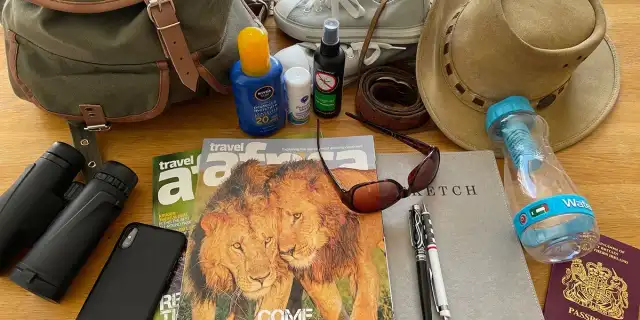
Experience the best Uganda gorilla tour packing lists on a Uganda Gorilla Tour, from sturdy waterproof boots and long-sleeved clothing to rain gear, camera equipment, and essential health items for trekking through the misty jungles.
Uganda is one of the world's most extraordinary destinations for primate encounters, home to over half of the world's remaining mountain gorillas. A Uganda Gorilla Tour takes travellers deep into the rainforests of Bwindi Impenetrable National Park and Mgahinga Gorilla National Park, where you will trek through steep, muddy terrain in search of these magnificent endangered creatures. Packing properly for a Uganda Gorilla Tour ensures you remain comfortable, safe, and fully prepared for the adventure of a lifetime. Several essential items and packing strategies stand out for their practicality, comfort, and ability to enhance your Uganda Gorilla Tour experience.
Popular Uganda Tour Packages
8 Day wildlife Uganda safaris with chimps in Kibale forest
08 Day Best of Uganda Gorillas, Chimpanzees, and Wildlife Safari
7 Days Queen Elizabeth Gorillas Trekking In Bwindi and Lake Mburo Safari
7 Days Primates Adventure Safari in Uganda
7 Days Murchison Falls, Kibale, and Queen Elizabeth National park Safari
Best Packing Lists on Uganda Gorilla Tours
1. Clothing: Long-Sleeved, Layered, and Neutral
Many travellers beginning a Uganda Gorilla Tour ask what clothing to bring. The key to comfortable packing is long-sleeved, lightweight clothing in neutral colours like khaki, olive, green, and brown. Bright colours and white should be avoided as they can disturb wildlife, and camouflage clothing is strictly prohibited as it is reserved for military use . The most effective layering system includes a base layer (moisture-wicking long-sleeved shirt), a mid layer (light fleece or sweater for cool mornings), and an outer layer (waterproof rain jacket). On a Uganda Gorilla Tour, mornings in the forest can be cool at high altitudes, while trekking through the jungle can become hot and humid by midday . Pack 2-3 long-sleeved shirts, 2 pairs of long trekking trousers (quick-dry material is ideal), 1 warm fleece or sweater, 1 lightweight waterproof rain jacket or poncho, underwear and socks for each day, and gaiters to keep mud and insects out of your boots .
2. Footwear: Sturdy, Waterproof, and Broken-In
Another essential on a Uganda Gorilla Tour is proper footwear. Sturdy, waterproof hiking boots with good ankle support are non-negotiable for navigating the steep, muddy, and uneven terrain of the rainforest . On a Uganda Gorilla Tour, you will walk for anywhere from 1 to 8 hours on slippery slopes, root-crossed paths, and muddy trails. The best options are broken-in hiking boots with thick, grippy soles and ankle support to prevent injuries. For evenings at the lodge, pack a pair of comfortable sandals or casual shoes. On a Uganda Gorilla Tour, never wear running shoes, sneakers, or open-toed shoes on the trek. Proper footwear is one of the most important items on a Uganda Gorilla Tour .
3. Rain Protection: Be Prepared for Unpredictable Weather
A critical category during a Uganda Gorilla Tour is rain protection. Bwindi and Mgahinga are tropical rainforests where rain can fall at any time, even during the dry season . On a Uganda Gorilla Tour, you will be exposed to the elements for several hours. Pack a lightweight, breathable waterproof rain jacket or poncho, waterproof trousers (optional but helpful), and a rain cover for your daypack to protect electronics. Some lodges provide ponchos, but bringing your own is recommended. On a Uganda Gorilla Tour, rain protection is not optional. Travellers who forget a rain jacket often end their trek cold, wet, and uncomfortable .
4. Camera Gear: Capture Every Moment
A unique and essential part of any Uganda Gorilla Tour is camera gear. The once-in-a-lifetime encounter with mountain gorillas deserves high quality documentation. On a Uganda Gorilla Tour, you should bring a camera with a mid-zoom lens (24-70mm or 100-400mm is ideal, as you will be close to the gorillas), extra camera batteries (at least 2-3, as cold and humidity drain batteries quickly), large memory cards (bring multiple), a lens cleaning cloth (lenses can fog up in the humidity), a waterproof dry bag or Ziploc bags for protection, and a smartphone as backup . Flash photography is strictly prohibited at all times, as it disturbs the gorillas . On a Uganda Gorilla Tour, your guide will position you for the best viewing, but your camera gear determines how well you capture the moment.
5. Daypack Essentials: Carry What You Need
A hidden essential on a Uganda Gorilla Tour is a well-packed daypack. You will need to carry your essentials for the trek, as you will be away from the lodge for several hours. On a Uganda Gorilla Tour, bring a small, comfortable daypack (20-30 litres) with a rain cover, at least 2 litres of water (hydration reservoirs are convenient), high-energy snacks (nuts, granola bars, dried fruit), insect repellent, sunscreen, hand sanitiser, toilet paper, and a small first aid kit . On a Uganda Gorilla Tour, hiring a porter (USD 15-20) is highly recommended—they carry your pack, assist you on difficult terrain, and support the local community . Your guide might say "there is a steep climb ahead," and having a porter makes your Uganda Gorilla Tour smoother and more comfortable.
Weather and Climate for Your Best Uganda Gorilla Tour
Uganda's climate is tropical but varies significantly by altitude and region. Understanding the weather is crucial for packing correctly on a Uganda Gorilla Tour. Bwindi Impenetrable National Park sits at an altitude between 1,160 and 2,607 metres, with cool mornings and humid afternoons. Mgahinga Gorilla National Park is even higher. The forests generate their own weather, meaning rain can occur at any time. Tanzania has two main rainy seasons: the long rains from March to May and the short rains from September to November. The dry seasons from June to August and December to February offer the most stable conditions for a Uganda Gorilla Tour, but even then, rain is still possible . Understanding these weather patterns is key to planning a successful Uganda Gorilla Tour.
Best Time to Visit for Your Best Uganda Gorilla Tour
The best months for a Uganda Gorilla Tour are during the dry seasons from June to August and December to February. During these periods, pack for warm, humid days and cool mornings, with less rain and drier trails. From March to May and September to November (wet seasons), pack a rain jacket, waterproof bags for electronics, and quick-drying clothing, as heavy rain is common and trails can be very muddy. A Uganda Gorilla Tour requires different packing for different seasons, so check your specific itinerary before packing .
What to Carry for Your Best Uganda Gorilla Tour
Packing appropriately is essential for a comfortable Uganda Gorilla Tour. Bring neutral-coloured, moisture-wicking clothing to stay comfortable during the trek. Layering is crucial, as temperatures vary from cool mornings to humid afternoons. Essential items include a good pair of broken-in waterproof hiking boots, a camera with extra batteries and memory cards, a wide-brimmed hat, sunglasses, sunscreen, insect repellent, a refillable water bottle, and a daypack to carry your gear. Don't forget your passport, visa, yellow fever vaccination certificate, travel insurance documents, and gorilla trekking permit . Being well-prepared enhances your overall Uganda Gorilla Tour experience.
Health and Toiletry Items for a Comfortable Uganda Gorilla Tour
Before starting a Uganda Gorilla Tour, pack a comprehensive health and toiletry kit. Bring prescription medications in original bottles (enough for your entire trip plus extra days), malaria prophylaxis (consult your doctor), insect repellent with DEET or picaridin, hand sanitiser and wet wipes, personal toiletries (toothpaste, toothbrush, deodorant, shampoo, conditioner), feminine hygiene products, contact lens solution and spare glasses, a small first aid kit including bandages, antiseptic cream, pain relievers (ibuprofen, paracetamol), anti-diarrhea medication (loperamide), oral rehydration salts, antihistamines for allergies, and motion sickness medication if needed. On a Uganda Gorilla Tour, lodges provide basic toiletries, but bringing your preferred brands ensures comfort .
How to Get There for Your Best Uganda Gorilla Tour
Most travellers begin their Uganda Gorilla Tour by flying into Entebbe International Airport (EBB), Uganda's main international gateway. From Entebbe, you will take a domestic flight to a regional airstrip near Bwindi (Kihihi or Kisoro) or Mgahinga, or travel by road on a scenic 8-10 hour journey through Uganda's countryside. Many tours include a stop at Lake Mburo National Park en route. Alternatively, you can fly from Kigali, Rwanda, to Bwindi by road via the Cyanika or Gatuna border crossings. Planning your travel logistics carefully is a critical step for a seamless Uganda Gorilla Tour .
Health and Safety for Your Best Uganda Gorilla Tour
Prioritizing your health and safety is vital for a stress-free Uganda Gorilla Tour. Consult a travel doctor at least 4-6 weeks before your trip for vaccinations and medications, including yellow fever, typhoid, hepatitis A, and malaria prophylaxis. Malaria is present in Uganda, so use insect repellent, sleep under mosquito nets (provided by lodges), and consider taking anti-malarial tablets. Drink only bottled or purified water to avoid stomach issues. When on the gorilla trek, always follow the guidance of your guide and rangers—maintain a safe distance from the gorillas, keep noise to a minimum, and wear a face mask if required to prevent disease transmission . Ensure you have comprehensive travel insurance that covers medical evacuation. By taking these precautions, you can ensure a safe and enjoyable Uganda Gorilla Tour.
Where to Stay for Your Best Uganda Gorilla Tour
Accommodation on a Uganda Gorilla Tour ranges from luxurious eco-lodges to comfortable tented camps and budget-friendly guesthouses. In Bwindi, you can choose from lodges with stunning views of the forest, some offering private verandas and spa services. Mgahinga offers a few lodges near the park headquarters. For those seeking ultimate luxury on a Uganda Gorilla Tour, there are high-end camps with gourmet dining and personalised service. For budget travellers, there are basic bandas and hostels in nearby towns. Your choice of accommodation significantly shapes your Uganda Gorilla Tour, and we can help you select the perfect option for your style and budget.
Where to Store Your Luggage on a Uganda Gorilla Tour
On a Uganda Gorilla Tour, you will move between lodges and camps, sometimes on small charter flights with strict luggage limits. Most flights within Uganda have a weight limit of 15 kg (33 lbs) per person, including camera gear, in soft-sided bags only. Hard-sided suitcases are not allowed on small safari planes. On a Uganda Gorilla Tour, you can leave extra luggage at your arrival hotel in Entebbe or Kampala while you are on the safari portion. Many travellers bring one main suitcase for international flights and one small soft-sided duffel for the tour portion. Your safari operator will advise you on luggage restrictions for your specific itinerary. Packing light and using soft bags makes your Uganda Gorilla Tour smoother and more comfortable .
Why Book with Lamz Tours and Travel for Your Best Uganda Gorilla Tour
Booking a Uganda Gorilla Tour with Lamz Tours and Travel ensures well-organised travel, experienced guides, and carefully arranged itineraries tailored to the season you visit. The company helps visitors explore Uganda's stunning gorilla habitats while enjoying comfortable accommodation and reliable transport throughout the journey. Before your departure, Lamz Tours and Travel provides a detailed packing list tailored to your specific itinerary, seasons, and activities. Our local guides know exactly what you need and what you can leave behind. Whether you are trekking through the misty jungles of Bwindi, tracking golden monkeys in Mgahinga, or exploring the savannahs of Queen Elizabeth National Park, Lamz Tours and Travel handles every detail. You focus on the adventure. We handle everything else, including luggage advice that saves you space and stress. For a safe, stress-free, unforgettable Uganda Gorilla Tour any month of the year, Lamz Tours and Travel is the best choice.
Ready to plan your safari?
Talk to a Lamz Tours specialist and get a tailor-made quote.
Make an enquiry