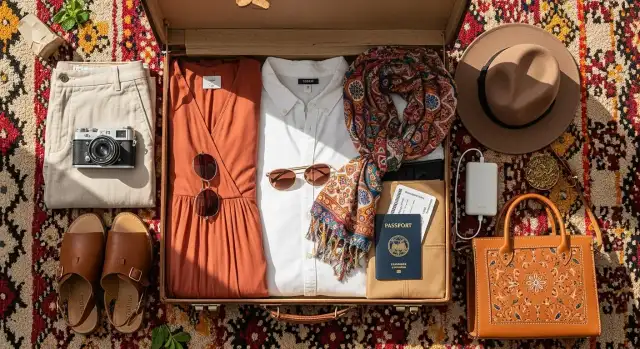
Experience the best Morocco desert tour packing lists on a Morocco Desert Tour, from neutral clothing and sun protection to camera gear, hydration essentials, and practical items for comfort under the stars.
Morocco is home to some of the most captivating and diverse landscapes in the world, and its Sahara Desert is undoubtedly one of the highlights of any visit. A Morocco Desert Tour takes travellers through vast sand dunes, ancient trade routes, and traditional Berber villages, where golden landscapes stretch to the horizon and nights are spent beneath a canopy of stars. Packing properly for a Morocco Desert Tour ensures you remain comfortable, safe, and prepared for every adventure. Several essential items and packing strategies stand out for their practicality, comfort, and ability to enhance your Morocco Desert Tour experience.
Popular Morocco Desert Tour Packages
Best Packing Lists on Morocco Desert Tours
1. Clothing: Lightweight, Layered, and Modest
Many travellers beginning a Morocco Desert Tour ask what clothing to bring. The key to comfortable packing is lightweight, breathable fabrics in neutral or light colours. Loose-fitting cotton or linen clothes are ideal for staying cool during hot daytime hours while protecting your skin from the harsh sun. A layering system works best: a base layer (breathable T-shirts or long-sleeved shirts), a mid layer (light fleece or sweater), and an outer layer (warm jacket for chilly desert nights). On a Morocco Desert Tour, daytime temperatures can soar above 35°C (95°F), while evenings can drop below 10°C (50°F), especially from November to March. Pack 3-4 lightweight long-sleeved shirts, 2-3 pairs of comfortable trousers (avoid tight jeans), 1-2 pairs of shorts (for warm afternoons only), 1 warm fleece or sweater, 1 lightweight down or insulated jacket, 1 scarf or shemagh (essential for dust and sun protection), and enough underwear and socks for each day. Remember that Morocco is a conservative country, so dressing modestly shows respect for local culture, particularly in rural areas .
2. Footwear: Sturdy, Comfortable, and Practical
Another essential on a Morocco Desert Tour is proper footwear. Sturdy closed-toe walking shoes or lightweight hiking boots are essential for exploring rocky terrain, walking on sand dunes, and navigating the medinas. On a Morocco Desert Tour, you will walk on uneven ground, sandy paths, and rocky tracks. The best options are broken-in walking shoes or lightweight hiking boots with good grip. For evenings at the camp, pack a pair of comfortable sandals or flip-flops. On a Morocco Desert Tour, avoid open-toed shoes during camel rides or walks, as they offer little protection from hot sand and sharp rocks. This makes proper footwear one of the most important items on a Morocco Desert Tour .
3. Sun Protection: Shield Yourself from the Desert Sun
A critical category during a Morocco Desert Tour is sun protection. The desert sun is intense, and the glare from the sand can be blinding. On a Morocco Desert Tour, you will spend long hours in open landscapes with limited shade. Pack a wide-brimmed hat or a traditional Moroccan cheche (headscarf) to protect your head and face, high SPF sunscreen (30 or higher, applied several times daily), sunglasses with UV protection (polarized lenses reduce glare), lip balm with SPF, and a light scarf or shemagh for neck and face protection from wind and dust. On a Morocco Desert Tour, sun protection is not optional. Travellers who forget a hat or sunscreen often end their first day with painful sunburn .
4. Camera Gear: Capture Every Moment
A unique and essential part of any Morocco Desert Tour is camera gear. The stunning desert landscapes, dramatic sunsets, and star-filled skies deserve high quality documentation. On a Morocco Desert Tour, you should bring a camera with extra memory cards (sand and dust are everywhere), extra camera batteries (at least 2-3, as cold nights drain batteries and charging opportunities vary), a lens cleaning kit (dust is unavoidable), a waterproof dry bag or zip-lock bags for protection, and a smartphone as backup. For travellers who prefer simplicity, a high-end compact camera works well. On a Morocco Desert Tour, the golden hour light over the dunes creates unforgettable photo opportunities, but your camera gear determines how well you capture the moment .
5. Hydration and Snacks: Stay Energised
A hidden essential on a Morocco Desert Tour is proper hydration and energy supplies. The desert heat can quickly dehydrate you. On a Morocco Desert Tour, bring a refillable water bottle (at least 2 litres capacity per person per day), electrolyte tablets or hydration salts to replenish lost minerals, and lightweight, energy-dense snacks like nuts, dried fruits, and granola bars for quick energy boosts during your trip. On a Morocco Desert Tour, access to water may be limited during camel rides and day excursions, so carrying your own supply is essential. Your guide will say "water stop ahead," and having your own bottle ensures you stay hydrated throughout the journey .
Weather and Climate for Your Best Morocco Desert Tour
Morocco's climate varies significantly by region and altitude. Understanding the weather is crucial for packing correctly on a Morocco Desert Tour. The Sahara Desert experiences extremes: daytime temperatures can soar to 40°C (104°F) in summer, while winter nights can drop below freezing. Spring and autumn offer the most pleasant weather, with warm days and cool evenings. The desert can also experience strong winds and occasional sandstorms. The best months for a Morocco Desert Tour are from October to April, when temperatures are moderate and comfortable for exploring. From May to September, pack for intense heat and sun protection, with lightweight and breathable clothing essential. Understanding these weather patterns is key to planning a successful Morocco Desert Tour.
Best Time to Visit for Your Best Morocco Desert Tour
The best months for a Morocco Desert Tour depend on your preferences. From October to April, temperatures are mild, making daytime exploration comfortable and nights cool but not freezing. This period is ideal for camel treks, camping under the stars, and visiting the dunes without extreme heat. From May to September, temperatures can be intensely hot during the day, but this is also the time for the clearest skies and most dramatic sunsets. For travellers seeking comfortable weather and vibrant landscapes, October to April is the best time for a Morocco Desert Tour. For those who can handle the heat and want the most affordable rates, the summer months still offer a unique experience.
What to Carry for Your Best Morocco Desert Tour
Packing appropriately is essential for a comfortable Morocco Desert Tour. Bring neutral-coloured, breathable clothing (cotton, linen) to stay cool. Layering is crucial, as days are hot and evenings can be surprisingly cold. Essential items include a good pair of walking shoes, a camera with extra batteries and memory cards, a wide-brimmed hat or scarf, sunglasses, high-SPF sunscreen, insect repellent, and a refillable water bottle. For overnight desert camps, pack a small flashlight or headlamp, a power bank for charging devices, and a warm layer for the evening. If you are travelling during the cooler months (November to March), a warm jacket is essential. Don't forget your passport, visa (if required), travel insurance documents, and any necessary medications. Being well-prepared enhances your overall Morocco Desert Tour experience.
Health and Toiletry Items for a Comfortable Morocco Desert Tour
Before starting a Morocco Desert Tour, pack a comprehensive health and toiletry kit. Bring prescription medications in original bottles (enough for your entire trip plus extra days), insect repellent, hand sanitizer and wet wipes (dusty conditions and limited water at camps), personal toiletries (toothpaste, toothbrush, deodorant, shampoo, conditioner, moisturiser), a small first aid kit including bandages, antiseptic cream, pain relievers (ibuprofen, paracetamol), anti-diarrhea medication, oral rehydration salts, antihistamines for allergies, and motion sickness medication if needed. On a Morocco Desert Tour, camps offer basic facilities, so bringing your preferred brands ensures comfort and hygiene.
How to Get There for Your Best Morocco Desert Tour
Most travellers begin their Morocco Desert Tour by flying into Marrakech Menara Airport (RAK) or Fès–Saïs Airport (FEZ). From these cities, you will travel by road to the desert towns of Merzouga or Zagora, with journeys taking approximately 8-10 hours. Many tours include a visit to the UNESCO World Heritage site of Ait-Ben-Haddou and the Dades Valley en route. Alternatively, you can arrange private transfers or join a group tour. For a seamless Morocco Desert Tour, planning your travel logistics carefully is essential, as the journey to the Sahara is as memorable as the destination.
Health and Safety for Your Best Morocco Desert Tour
Prioritizing your health and safety is vital for a stress-free Morocco Desert Tour. Drink only bottled or purified water to avoid stomach issues. Protect yourself from the sun with sunscreen, a hat, and sunglasses, and stay hydrated throughout the day. When riding camels, listen carefully to your guide's instructions, wear comfortable closed-toe shoes, and use a scarf to protect your face from sand. Ensure you have comprehensive travel insurance that covers medical evacuation. By taking these precautions, you can ensure a safe and enjoyable Morocco Desert Tour.
Where to Stay for Your Best Morocco Desert Tour
Accommodation on a Morocco Desert Tour ranges from luxurious desert camps to traditional Berber tents and budget-friendly hotels. In the desert, you can choose from luxury camps with private en-suite tents, comfortable beds, and traditional Moroccan cuisine, or simpler camps offering a more authentic experience. In cities like Marrakech and Fès, you can stay in beautiful riads (traditional Moroccan houses with courtyards) or modern hotels. For those seeking ultimate luxury on a Morocco Desert Tour, high-end camps offer private butlers, fine dining, and stargazing experiences. For budget travellers, there are hostels and basic accommodations in most towns. Your choice of accommodation significantly shapes your Morocco Desert Tour, and we can help you select the perfect option for your style and budget.
Where to Store Your Luggage on a Morocco Desert Tour
On a Morocco Desert Tour, you will move between cities, riads, and desert camps, sometimes with limited luggage space. Most desert tours recommend using soft-sided bags or backpacks rather than hard suitcases, as they are easier to transport on camels and in 4x4 vehicles. On a Morocco Desert Tour, you can leave extra luggage at your arrival hotel in Marrakech or Fès while you are in the desert. Many travellers bring one main suitcase for international flights and one small backpack or duffel for the desert portion. Your tour operator will advise you on luggage restrictions for your specific itinerary. Packing light and using soft bags makes your Morocco Desert Tour smoother and more comfortable.
Why Book with Lamz Tours and Travel for Your Best Morocco Desert Tour
Booking a Morocco Desert Tour with Lamz Tours and Travel ensures well-organised travel, experienced guides, and carefully arranged itineraries tailored to the season you visit. The company helps visitors explore Morocco's stunning desert landscapes while enjoying comfortable accommodation and reliable transport throughout the journey. Before your departure, Lamz Tours and Travel provides a detailed packing list tailored to your specific itinerary, seasons, and activities. Our local guides know exactly what you need and what you can leave behind. Whether you are riding camels across the dunes, sleeping under the stars in a Berber tent, or exploring ancient kasbahs, Lamz Tours and Travel handles every detail. You focus on the adventure. We handle everything else, including luggage advice that saves you space and stress. For a safe, stress-free, unforgettable Morocco Desert Tour any month of the year, Lamz Tours and Travel is the best choice.
Ready to plan your safari?
Talk to a Lamz Tours specialist and get a tailor-made quote.
Make an enquiry