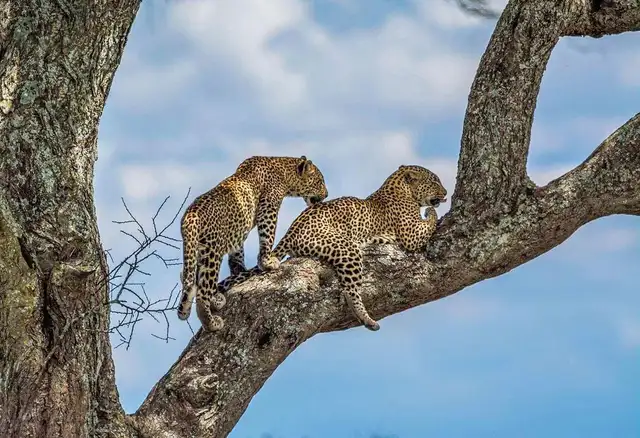
Best Tanzania safari guide, top parks, best seasons, how to get there, and what to do from Serengeti migration to walking safaris in Arusha and Ruaha.
Did you know that Tanzania tanzaia is home to some of Africa’s most diverse and rewarding safari experiences, including the legendary Great Migration and rare chimpanzee trekking? Whether you're drawn to the vast plains of the Serengeti, the wildlife-rich Ngorongoro Crater, or the remote wilderness of Ruaha and Mahale Mountains, a Tanzania safari offers something for every type of traveler. With well-managed parks, experienced guides, and a wide range of accommodations from luxury lodges to mobile camps Tanzania makes it easy to plan a safari that fits your style, budget, and interests. The country’s strong conservation efforts and cultural richness add even more depth to the experience.
A Tanzania safari is not just about game drives. You can walk among baobab trees in Tarangire, paddle past hippos in Arusha, or track chimpanzees in the forests of Mahale. The best times to visit are during the dry seasons June to October for peak wildlife viewing and January to February for calving season drama. With direct international flights, reliable domestic connections, and a variety of safari circuits, Tanzania is both accessible and rewarding. Whether it’s your first safari or a return trip, this guide will help you plan a smooth, meaningful, and unforgettable Tanzania safari adventure
Top Tanzania safari packages
2-days-fly-in-serengeti-safari-in-tanzania
2-days-tarangire-national-park-and-ngorongoro-crater-safari
3-days-tanzania-safari-in-serengeti-national-park
3-days-tanzania-wildlife-safari
4-days-epic-tanzania-wildlife-and-culture-safari
5-day-kenya-and-tanzania-safari
5-days-circuit-wildlife-safari-in-tanzania
6-days-ndutu-migration-safari-calving-season
8-day-serengeti-ngorongoro-crater-and-zanzibar
8-days-wildlife-and-beach-holiday-tanzania
Best time to go for Tanzania safari experience
The best time to go for a Tanzania safari experience is during the long dry season from June to October. These months offer the most reliable wildlife viewing, as animals gather around water sources and vegetation is sparse, making sightings easier. This is also the prime time to witness the Great Migration in the Serengeti, especially the dramatic river crossings in the northern region between July and October. Roads are more accessible, skies are clear, and photography conditions are excellent. Tanzania safari travelers visiting Southern and Western Circuit parks like Ruaha and Selous also benefit from dry conditions, which improve predator sightings and walking safari opportunities.
For those interested in calving season and predator-prey interactions, January to February is another excellent window. During this short dry period, wildebeest give birth in the Southern Serengeti, attracting predators and offering intense wildlife drama. Tanzania safari trips during this time are less crowded than peak migration months, and the weather is generally warm and dry. Birdwatchers also enjoy this season, as migratory species are present. While some areas may experience brief showers, they rarely disrupt game drives. Lodges often offer better rates compared to the mid-year peak, making it a good time for budget-conscious travelers.
April and May mark the long rainy season and are generally considered the least favorable time for a Tanzania safari. Heavy rains can make roads muddy and difficult to navigate, especially in remote parks. Wildlife tends to disperse, and visibility is reduced due to thick vegetation. However, this season does bring lush landscapes and dramatic skies, which may appeal to photographers. Some lodges close during this period, and others offer significant discounts. If traveling during these months, it’s best to focus on parks with good infrastructure or consider flying between destinations. Always check with local operators for updated conditions before planning a Tanzania safari during the rainy season
How to get to Tanzania safari during the best time
To get to Tanzania safari destinations during the best time June to October or January to February start by booking international flights into Kilimanjaro International Airport (JRO) or Julius Nyerere International Airport (DAR), depending on your chosen circuit. For the Northern Circuit, Kilimanjaro is ideal, with easy access to Arusha, the gateway to Serengeti, Ngorongoro, Tarangire, and Lake Manyara. Tanzania safari travelers heading to the Southern or Western Circuits should fly into Dar es Salaam, then connect via domestic flights to Selous (Nyerere), Ruaha, or Katavi. Booking early during peak seasons helps secure better rates and preferred lodges. Domestic flights are frequent but have strict baggage limits, so pack light and confirm weight allowances in advance.
Once in Tanzania, plan your safari route based on park accessibility and seasonal highlights. Tanzania safari operators often arrange transfers, flights, and guided tours, making logistics smoother. For the Great Migration, fly from Arusha to Serengeti airstrips near the action like Kogatende or Ndutu depending on the time of year. Southern parks like Ruaha and Selous are best reached by charter flights, while Western parks like Katavi and Mahale require more planning and longer connections. Always allow buffer time between flights and game drives, and confirm travel times to avoid rushed schedules. A clear itinerary ensures a relaxed and rewarding Tanzania safari experience
The Big Five Safari Circuits and Destinations during Tanzania Safari
The Big Five safari circuits during a Tanzania safari are centered around the Northern Circuit, which includes Serengeti National Park, Ngorongoro Conservation Area, Tarangire, Lake Manyara, and Arusha National Park. Serengeti offers year-round predator sightings and the Great Migration, while Ngorongoro Crater provides a concentrated chance to see all Big Five species in one location. Tarangire is known for its elephant herds and baobab trees, Lake Manyara for tree-climbing lions and birdlife, and Arusha for walking and canoe safaris with Mount Meru as a backdrop. Each destination adds a unique layer to the Tanzania safari experience, combining wildlife density, varied landscapes, and cultural access. Together, they form a well-connected circuit ideal for first-time visitors or those seeking a balanced and rewarding safari itinerary
Best Northern Safari Circuit for best Tanzania safari
Serengeti National Park
Serengeti National Park is the heart of any Tanzania safari, offering unmatched wildlife viewing across its vast plains. It’s best known for the Great Wildebeest Migration, where millions of animals move in search of fresh grazing. Key moments include the calving season in the Southern Serengeti from February to March and the dramatic river crossings in the north between July and October. Tanzania safari travelers can expect to see large numbers of lions, cheetahs, and leopards hunting year-round. Hot air balloon rides at dawn provide a wide view of the plains, while the Retina Hippo Pool is a reliable spot to watch hippos in large numbers. The park has a range of camps and lodges, and game drives are productive in every season due to the park’s rich biodiversity.
Ngorongoro Conservation Area
Ngorongoro Conservation Area is a must-visit during any Tanzania safari, especially for those wanting to see the Big Five in one place. The Ngorongoro Crater, the world’s largest intact volcanic caldera, holds a dense population of wildlife, including elephants, lions, buffalo, and the endangered black rhino. Tanzania safari visitors can descend into the crater for a full-day game drive, where sightings are frequent and landscapes are dramatic. The area also offers cultural experiences, such as visiting Maasai villages where communities still live traditionally. A stop at Olduvai Gorge adds historical depth, as it’s one of the most important archaeological sites in Africa. The conservation area is well-managed, and its proximity to the Serengeti makes it easy to include in most Northern Circuit itineraries.
Tarangire National Park
Tarangire National Park is often included in Tanzania safari plans for its large elephant herds and baobab-dotted landscape. During the dry season from June to October, wildlife gathers around the Tarangire River, making it one of the best places to see elephants in large numbers. Tanzania safari travelers also enjoy birdwatching here, with over 500 species recorded. The park’s quieter atmosphere and fewer vehicles make it ideal for those seeking a slower pace and more private game drives. Walking among the massive baobab trees adds a unique visual element to the experience. Tarangire is easily accessible from Arusha and pairs well with Lake Manyara or Ngorongoro for a short but rewarding safari loop. Lodges range from rustic bush camps to comfortable tented options with river views.
Lake Manyara National Park
Lake Manyara National Park is a compact stop on the Northern Circuit, offering a wide range of wildlife in a small area. It’s a great introduction to a Tanzania safari, especially for birdwatchers and those with limited time. The park is famous for its tree-climbing lions, which can sometimes be seen resting in acacia branches. Tanzania safari visitors can also spot elephants, hippos, and baboons, along with thousands of flamingos that gather on the lake when water levels are right. The treetop canopy walk gives a different view of the forest and is suitable for families and first-time safari-goers. Its location near Arusha makes it a convenient first or last stop, and the park’s varied habitats from groundwater forests to open plains support a surprising range of species.
Arusha National Park
Arusha National Park is often overlooked but offers a peaceful start or end to a Tanzania safari. Located just outside Arusha town, it’s one of the few parks where walking safaris are allowed, giving visitors a chance to see giraffes, zebras, and buffalo on foot with a ranger. Tanzania safari travelers can also enjoy canoeing on the Momella Lakes, where hippos and waterbirds are common. The park is dominated by Mount Meru, Tanzania’s second-highest peak, which offers a multi-day climb for those seeking a physical challenge. Though it doesn’t have the Big Five in full, the park’s landscapes ranging from forest to alpine meadows make it a good warm-up for the larger parks. It’s ideal for short visits, especially for travelers arriving or departing through Arusha
Top Southern and Western Circuits For the True Adventurer on Tanzania safari
Selous Game Reserve Now Nyerere National Park
Selous, now called Nyerere National Park, is one of Africa’s largest protected areas and a top choice for Tanzania safari travelers seeking remote wilderness. The Rufiji River runs through the park, offering boat safaris where you can see hippos, crocodiles, and elephants from the water. Tanzania safari visitors also enjoy walking safaris led by experienced guides, giving a close look at the bush and its smaller details. Fly-camping adds a raw edge to the experience, combining walking with overnight stays in lightweight mobile camps. Wildlife is abundant but spread out, so patience and time are key. The park is best accessed by air, and lodges are few but well-spaced, offering privacy and quiet. It’s ideal for those who want variety beyond traditional game drives.
Ruaha National Park
Ruaha is Tanzania’s largest national park and a stronghold for predators, making it a prime destination for Tanzania safari travelers focused on big cats. The park is known for large prides of lions, leopards, and cheetahs, often seen hunting in open areas. Tanzania safari guests also come to spot greater kudu, a striking antelope with spiral horns found in good numbers here. Ruaha’s rugged terrain and low visitor numbers create a strong wilderness feel you can go hours without seeing another vehicle. The Great Ruaha River attracts elephants, buffalo, and birds, especially in the dry season. Lodges are remote and well-integrated into the landscape, offering guided walks and extended game drives. Ruaha pairs well with Selous for a deeper southern circuit experience.
Katavi National Park
Katavi is one of the least visited parks in Tanzania, making it perfect for Tanzania safari travelers who want true isolation and raw nature. During the dry season, hundreds of hippos gather in shrinking mud pools, creating dramatic scenes. Tanzania safari guests can also enjoy walking safaris, which feel especially personal due to the park’s low tourist numbers. Katavi’s floodplains support rare antelope species like sitatunga and roan, which are difficult to find elsewhere. Game drives are productive but require time and patience due to the park’s vastness. Access is mainly by charter flight, and accommodations are limited but well-suited for serious wildlife enthusiasts. Katavi is best combined with Mahale Mountains or Ruaha for a complete western circuit itinerary.
Best Tanzania safari destinations for chimpanzee trekking
For chimpanzee trekking during a Tanzania safari, the top destinations are Mahale Mountains National Park and Gombe Stream National Park, both located along the shores of Lake Tanganyika in western Tanzania. Mahale offers remote, forested terrain where guided treks lead you to habituated chimpanzee groups, often seen grooming, playing, or foraging. Gombe, made famous by Jane Goodall’s research, provides shorter treks and excellent chances to observe chimpanzees in their natural habitat. Tanzania safari travelers seeking primate experiences should plan for charter flights and boat transfers, as these parks are isolated but rewarding. Trekking permits are required, and fitness is important due to steep trails and humid conditions. Combining chimpanzee trekking with classic wildlife parks like Serengeti or Ruaha creates a diverse and memorable Tanzania safari
Best things to do during Tanzania safari experience
During a Tanzania safari experience, witnessing the Great Wildebeest Migration in Serengeti National Park is one of the most powerful wildlife events you can see. Over a million wildebeest, zebras, and gazelles move across the plains in search of fresh grazing, attracting predators like lions and crocodiles. Key moments include the calving season in the southern Serengeti (February–March) and the river crossings in the north (July–October). Game drives in Serengeti offer consistent predator sightings year-round, and hot air balloon safaris provide a wide-angle view of the landscape at sunrise. Tanzania safari travelers who want dramatic wildlife action and excellent photography opportunities should prioritize this park.
Another highlight is visiting the Ngorongoro Crater, a UNESCO World Heritage Site and one of the best places to see the Big Five in a single day. Tanzania safari visitors descend into the crater for game drives across grasslands, swamps, and forests that support elephants, lions, buffalo, and the endangered black rhino. The crater’s enclosed ecosystem makes wildlife sightings frequent and reliable. Nearby, Olduvai Gorge offers historical depth as one of the most important human fossil sites in the world. Cultural visits to Maasai villages within the conservation area add a human connection to the experience, making Ngorongoro a well-rounded stop.
For those seeking variety, Tanzania safari experiences also include walking safaris, canoeing, and chimpanzee trekking. In parks like Selous (Nyerere) and Ruaha, walking safaris allow you to observe wildlife and nature up close with trained guides. Canoe safaris in Arusha National Park offer peaceful paddling among hippos and waterbirds. In western Tanzania, Mahale Mountains and Gombe Stream National Parks are top destinations for trekking to see wild chimpanzees in their natural forest habitat. These activities provide a break from vehicle-based safaris and add depth to your itinerary. Combining classic game drives with these active experiences creates a more balanced and rewarding Tanzania safari
Which Tanzania safari is best?
The best Tanzania safari depends on your interests, but Serengeti National Park consistently ranks highest for its wildlife density and the Great Migration. It offers year-round predator sightings and dramatic seasonal events like river crossings and calving. Ngorongoro Crater is ideal for seeing the Big Five in a compact area, while Ruaha and Selous (Nyerere) provide remote, crowd-free experiences with excellent predator action. For chimpanzee trekking, Mahale Mountains is unmatched. Tanzania safari travelers who want variety can combine Northern Circuit parks with coastal or Western destinations. Each park has its strengths, so the best Tanzania safari is one that matches your timing, budget, and wildlife priorities
Which safari is better, Kruger or Serengeti?
Both Kruger and Serengeti offer excellent wildlife viewing, but they differ in style and experience. Serengeti is better known for the Great Migration and vast open plains, offering dramatic predator-prey interactions and fewer crowds in many areas. Tanzania safari travelers often find Serengeti more immersive due to its scale and seasonal movement of animals. Kruger, on the other hand, has more infrastructure, self-drive options, and consistent Big Five sightings, making it easier for first-time safari-goers. If you're focused on raw wilderness and migration events, Serengeti is the better choice. For convenience and accessibility, Kruger may suit shorter trips
What not to miss in Tanzania?
During a Tanzania safari, don’t miss the Great Migration in Serengeti, especially the river crossings between July and October or the calving season in February. A game drive in Ngorongoro Crater offers a rare chance to see all Big Five in one day. Hot air balloon safaris over Serengeti plains provide a unique aerial view of wildlife. Chimpanzee trekking in Mahale Mountains or Gombe Stream adds a primate-focused adventure. Cultural visits to Maasai villages and historical stops at Olduvai Gorge deepen the experience. Tanzania safari travelers should also consider relaxing in Zanzibar or exploring Mount Kilimanjaro for a well-rounded itinerary
Best way to act responsible on Tanzania safari
To act responsibly on a Tanzania safari, follow park rules, respect wildlife, and support ethical tourism practices. Always stay inside your vehicle during game drives unless guided otherwise, and keep a safe distance from animals without disturbing them. Use a licensed guide, avoid littering, and choose lodges that support conservation and local communities. Tanzania safari travelers should avoid single-use plastics, carry reusable items, and minimize noise to preserve the natural environment. When visiting cultural sites or villages, ask permission before taking photos and engage respectfully. Responsible behavior helps protect wildlife, supports local livelihoods, and ensures a safer, more meaningful Tanzania safari for everyone
Top tips for best Tanzania safari experience
To get the best out of your Tanzania safari experience, plan your trip around the dry seasons June to October and January to February when wildlife is easier to spot and roads are more reliable. Book flights and lodges early, especially if you're targeting the Great Migration in Serengeti or visiting remote parks like Ruaha and Katavi. Use domestic flights to save time between parks, and confirm baggage limits if you're carrying camera gear. Tanzania safari travelers should choose parks based on their interests: Serengeti for migration and predators, Ngorongoro for Big Five sightings, and Mahale for chimpanzee trekking. A well-structured itinerary with buffer days helps avoid rushed schedules and allows time for rest and wildlife viewing.
Pack light but smart neutral clothing, binoculars, sun protection, and insect repellent are essential. Choose lodges that support conservation and local communities for a more meaningful experience. Tanzania safari trips are smoother with experienced guides who understand animal behavior and park logistics. Respect wildlife by keeping a safe distance and staying quiet during sightings. If visiting cultural sites, ask before taking photos and engage respectfully. Always carry cash for tips and small purchases, and check visa and health requirements before departure. A responsible, well-prepared approach ensures a safe and rewarding Tanzania safari
Top places to stay in during Tanzania safari
Tanzania safari travelers have a wide range of exceptional lodges and camps to choose from, each offering unique access to wildlife and landscapes. In Serengeti National Park, top stays include Four Seasons Safari Lodge, Singita Sasakwa, and Lemala Nanyukie each offering prime locations for viewing the Great Migration and year-round predator activity. For a more intimate experience, tented camps like Namiri Plains and Serengeti Under Canvas provide close-to-nature comfort with strong guiding services. Near Ngorongoro Crater, Gibb’s Farm and Ngorongoro Crater Lodge offer stunning views and quick access to the crater floor. These properties combine luxury, location, and conservation values, making them ideal for photographers, couples, and families seeking a high-quality Tanzania safari base
Booking Tanzania safari with Lamz Tours and Travel
Booking your Tanzania safari with Lamz Tours and Travel ensures a well-organized, personalized experience across the country’s top wildlife destinations. From the Great Migration in Serengeti to chimpanzee trekking in Mahale Mountains, Lamz Tours and Travel designs itineraries that match your travel goals, budget, and seasonal highlights. Our team handles flights, transfers, park fees, and lodge reservations, making logistics smooth and stress-free. With expert guides and strong local partnerships, Tanzania safari travelers benefit from deep wildlife knowledge, cultural insight, and ethical tourism practices. Whether you're planning a honeymoon, family trip, or photography tour, Lamz Tours and Travel delivers value, safety, and memorable moments across Tanzania’s Northern, Southern, and Western Circuits
Ready to plan your safari?
Talk to a Lamz Tours specialist and get a tailor-made quote.
Make an enquiry