Serengeti tour highlights migration, river crossings, calving season, top activities, best times, lodges, and practical travel tips for Tanzania safaris.
Do not miss out a Serengeti tour, as it is one of the most rewarding safari experiences in Africa. The Serengeti is home to the Great Migration, where millions of wildebeest, zebras, and gazelles move across its vast plains in search of fresh grazing. This natural cycle creates dramatic wildlife spectacles, from calving season in Ndutu to river crossings in the north. Beyond the migration, the Serengeti offers year-round game viewing with lions, leopards, cheetahs, elephants, and giraffes thriving in diverse habitats. Whether you prefer luxury lodges, tented camps, or mobile camps that follow the herds, the Serengeti provides options to suit every travel style. It is a destination that combines raw wilderness with comfort, making it ideal for both first-time and seasoned safari travelers.
A Serengeti tour also delivers variety in activities, ensuring every day feels unique. Classic game drives allow close encounters with predators and herds, while hot air balloon rides provide breathtaking views of the plains at sunrise. Bush meals, cultural visits to Maasai villages, and walking safaris add depth to the experience, connecting travelers to both wildlife and local traditions. Timing is key, as each season offers different highlights from dramatic crossings in July to tender calving in January. With expert guides and well-planned itineraries, a Serengeti tour guarantees meaningful wildlife encounters, stunning landscapes, and memories that last a lifetime
Best Serengeti tour safari packages
2-days-fly-in-serengeti-safari-in-tanzania
2-days-tarangire-national-park-and-ngorongoro-crater-safari
3-days-tanzania-safari-in-serengeti-national-park
3-days-tanzania-wildlife-safari
4-days-epic-tanzania-wildlife-and-culture-safari
5-day-kenya-and-tanzania-safari
5-days-circuit-wildlife-safari-in-tanzania
6-days-ndutu-migration-safari-calving-season
8-day-serengeti-ngorongoro-crater-and-zanzibar
8-days-wildlife-and-beach-holiday-tanzania
8-days-wildlife-safari-tanzania
9-days-zanzibar-and-wildlife-safari
10-days-uganda-and-tanzania-safari-gorillas-chimpanzees-and-wildlife
5-days-mount-kilimanjaro-marangu-route
6-days-mount-kilimanjaro-machame-route
7-day-climbing-kilimanjaro-via-the-machame-route
8-days-kilimanjaro-climbing-safari-lemosho-route-mount
Best attractions and key areas for Serengeti tour
Calving Season in South, Ndutu
From January to March, the southern plains of Ndutu transform into a nursery where thousands of wildebeest calves are born each day. This period is one of the most dramatic spectacles of the Serengeti tour, as predators such as lions, hyenas, and cheetahs are drawn to the abundance of vulnerable young. Travelers benefit from wide-open grasslands that make wildlife viewing straightforward, with excellent chances of observing natural predator-prey interactions. For those planning a Serengeti tour during this season, it is important to prepare for long days in the field, as the action unfolds continuously. The calving season also offers photographers unique opportunities to capture tender moments between mothers and calves, alongside the raw survival struggles that define the migration cycle.
River Crossings in Western Corridor
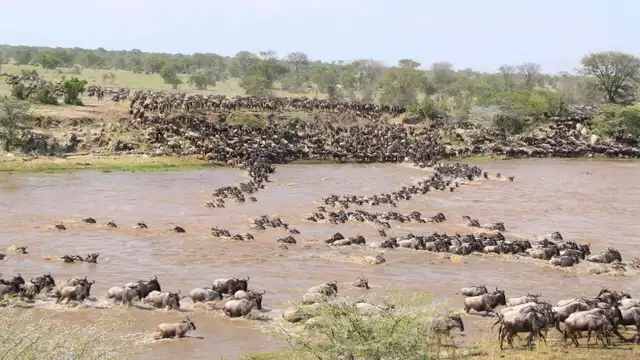
Between July and October, the migration reaches its most dramatic stage as herds attempt to cross the Grumeti and Mara Rivers. These crossings are central highlights of any Serengeti tour, with wildebeest and zebra facing crocodile-filled waters and strong currents. The unpredictability of when and where the herds will cross requires patience and flexibility, making it essential for travelers to plan several days in these areas. A Serengeti tour during this time provides not only the spectacle of the crossings but also excellent predator sightings, as lions and leopards take advantage of the chaos. Visitors should expect intense action, but also periods of waiting, which makes having an experienced guide critical to maximize viewing opportunities.
Central Seronera
The Seronera region is the year-round hub of wildlife activity, making it a reliable choice for any Serengeti tour. Permanent rivers sustain large populations of animals, ensuring consistent game viewing regardless of season. This area is particularly known for its high density of leopards, often spotted resting in sausage trees, as well as cheetahs patrolling the plains and large lion prides dominating territories. While the Seronera can be busier with vehicles compared to other regions, its productivity makes it worthwhile for travelers seeking guaranteed sightings. A Serengeti tour here is ideal for those who want variety and consistency, as the mix of resident and migratory species ensures that every day delivers meaningful wildlife experiences.
Southern Plains of Ndutu
From December to April, the southern plains of Ndutu provide vast open grasslands that are central to the migration cycle. This area is especially rewarding for a Serengeti tour during calving season, when wildebeest give birth in staggering numbers, attracting predators and offering dramatic wildlife interactions. The openness of the terrain makes it easier to spot cheetahs, which thrive in this environment, and travelers often enjoy clear views of hunting behavior. A Serengeti tour in Ndutu is also practical for those who prefer shorter drives between sightings, as the density of wildlife is high. The region’s accessibility and concentration of activity make it one of the most valuable areas to visit for those seeking both action and convenience.
Western Corridor
The Western Corridor is defined by the Grumeti River, which is home to some of the largest crocodiles in Africa. Between May and July, this area becomes a key stage of the migration, offering travelers a chance to witness herds navigating dense vegetation and preparing for river crossings. A Serengeti tour here provides a different perspective compared to the open plains, with more varied habitats supporting diverse wildlife. The corridor is also less crowded than central areas, giving visitors a more relaxed experience while still delivering strong game viewing. For those planning a Serengeti tour during this period, the Grumeti River crossings and predator activity make it a rewarding stop, especially for travelers seeking variety in landscapes and wildlife behavior.
Northern Serengeti Kogatende
The northern Serengeti, particularly Kogatende, is remote and rugged, offering a quieter alternative for travelers. From July to October, this area becomes the stage for the Mara River crossings, where herds face crocodiles and strong currents. A Serengeti tour here is highly rewarding for those who value fewer crowds and more space to observe wildlife. Rolling hills and permanent resident species ensure that game viewing remains productive even outside crossing events. Travelers benefit from the region’s balance of migration drama and consistent sightings of predators and grazers. Choosing a Serengeti tour in Kogatende allows visitors to combine the spectacle of river crossings with the comfort of less congestion, making it a practical option for those seeking both action and tranquility
Best time to experience Serengeti tour Tanzania
Peak which is the Dry Season from June – October
The peak dry season from June to October is widely considered the most reliable period for a Serengeti tour Tanzania. Wildlife congregates around waterholes, making sightings easier and more consistent, while clear skies enhance photography and reduce mosquito activity. This is also the time when the migration moves into the northern and western regions, offering the dramatic river crossings at the Mara and Grumeti Rivers. However, travelers should be prepared for higher costs, larger crowds, and chilly mornings. A Serengeti tour Tanzania during this season is best suited for those prioritizing guaranteed game viewing and dramatic migration spectacles, though it requires early booking and flexibility to secure accommodations in prime locations.
Green or Shoulder and Calving Season from January to March
Between January and March, the Serengeti tour transforms into vibrant green landscapes, offering a different but equally rewarding experience for a Serengeti tour Tanzania. This period is marked by the calving season in the southern plains, where thousands of wildebeest give birth daily, attracting predators and creating dramatic wildlife interactions. Birding is excellent, with migratory species adding variety to sightings. March tends to have fewer tourists, making it a good value option compared to peak months. Travelers should expect occasional short afternoon rains, but these rarely disrupt activities. A Serengeti tour Tanzania during this season is ideal for those seeking fewer crowds, rich photography opportunities, and the emotional spectacle of new life in the migration cycle.
Low and Rainy Season from April – May, November
The rainy season in April, May, and November offers the lowest prices and a sense of solitude, making it a unique time for a Serengeti tour Tanzania. The scenery is lush and photogenic, with dramatic skies and vibrant vegetation, while the absence of crowds gives travelers the feeling of having the wilderness to themselves. Wildlife is more dispersed, requiring patience and longer drives, but the rewards include intimate sightings without vehicle congestion. Some lodges and camps close, and roads can be challenging, so planning logistics carefully is essential. Insects are more prevalent, but manageable with preparation. A Serengeti tour Tanzania during this season suits travelers who value privacy, budget-friendly options, and striking landscapes over concentrated game viewing.
How to get to Tanzania for Serengeti tour
The easiest way to reach Tanzania for a Serengeti tour is by flying into Kilimanjaro International Airport (JRO) or Julius Nyerere International Airport (DAR) in Dar es Salaam. Kilimanjaro is the most convenient gateway for northern Tanzania safaris, located near Arusha, the main safari hub. From Arusha, travelers can connect to the Serengeti either by road or by domestic flights to one of the park’s seven airstrips. Flying saves time, with transfers taking about an hour, while driving offers the chance to see other parks along the way, such as Tarangire and Ngorongoro.
Once in Tanzania, travelers can choose between road safaris or short charter flights to reach different Serengeti regions. Road transfers from Arusha to the Serengeti take 7–8 hours, but they allow visitors to enjoy varied landscapes and cultural stops. Flights, on the other hand, provide quick access to specific areas like Seronera, Ndutu, or Kogatende, depending on the season of the migration. Many safari operators combine both options, using flights for efficiency and road travel for added experiences. Planning ahead is essential, as park fees, lodge availability, and seasonal migration movements influence the best route for a Serengeti tour
Top activities to during Serengeti tour in Tanzania
Best Game Drives both Morning and Afternoon
Morning and afternoon game drives are the foundation of any Serengeti tour in Tanzania, offering travelers the chance to track the Big Five and follow the migration herds with the guidance of skilled safari experts. These drives are carefully timed to maximize wildlife activity, with mornings often bringing predators on the move and afternoons showcasing grazing herds and dramatic sunsets. A Serengeti tour in Tanzania during these drives ensures consistent sightings, as guides use their knowledge of animal behavior and terrain to position vehicles strategically. The flexibility of shorter drives allows guests to return to camp for rest or meals, making them practical for families and those who prefer structured safari routines without long hours in the field.
Full-Day Game Drive with Picnic
A full-day game drive with a picnic is designed for travelers who want to explore deeper into the wilderness without rushing back to camp for lunch. This activity is a highlight of a Serengeti tour in Tanzania, as it allows guests to follow animal movements across different habitats and spend extended time observing wildlife interactions. With a packed picnic, travelers can pause in shaded areas or scenic spots, enjoying meals surrounded by nature. A Serengeti tour in Tanzania with a full-day drive is especially valuable during migration season, when herds move unpredictably and patience is required to witness river crossings or predator hunts. It offers flexibility, immersion, and the chance to maximize sightings across varied landscapes in one continuous safari experience.
Hot Air Balloon Safari in Seronera or Western Corridor
A hot air balloon safari is one of the most unique activities during a Serengeti tour in Tanzania, offering a sunrise view of the plains from above. Guests float silently over herds of wildebeest, zebra, and giraffes, gaining a perspective that cannot be matched by vehicle drives. The experience concludes with a champagne bush breakfast, adding a touch of luxury to the adventure. A Serengeti tour in Tanzania with a balloon ride is ideal for those seeking a different angle on the migration or resident wildlife, as the aerial vantage point highlights the vastness of the ecosystem. Though it is a splurge, the combination of tranquility, panoramic views, and memorable dining makes it a highly recommended addition to any safari itinerary.
Bush Meals
Bush meals add a special dimension to a Serengeti tour in Tanzania, allowing travelers to enjoy food and drinks in the middle of the wilderness. Sundowners are a favorite, with guests sipping cocktails or soft drinks as the sun sets over the savanna, creating a relaxed atmosphere after a day of game viewing. Bush breakfasts and lunches are equally magical, often set under acacia trees or near open plains, where wildlife can be seen in the distance. A Serengeti tour in Tanzania with bush meals combines comfort with adventure, offering travelers a chance to pause and appreciate the environment in a unique way. These experiences are carefully arranged to balance safety and authenticity, making them memorable highlights of any safari.
Visit a Maasai Village around Ngorongoro Area
Visiting a Maasai village near the Serengeti or Ngorongoro area provides a cultural interlude during a Serengeti tour in Tanzania. Guests learn about the traditions, daily life, and values of the Maasai people, who have lived alongside wildlife for centuries. Activities may include observing dances, exploring homesteads, and hearing stories about pastoral life. A Serengeti tour in Tanzania that includes a village visit should prioritize ethical, community-run experiences to ensure that tourism supports local livelihoods rather than exploitation. This cultural stop enriches the safari by connecting travelers to the human history of the region, offering insights into resilience and coexistence with nature. It is a meaningful way to balance wildlife viewing with cultural understanding, adding depth to the overall safari experience.
Night Game Drive in Specific Areas and Lodges
Night game drives are a rare but rewarding activity during a Serengeti tour in Tanzania, available only in certain concession areas and lodges. These drives reveal the nocturnal side of the savanna, with sightings of genets, bush babies, aardvarks, and predators like hyenas on the hunt. The atmosphere is completely different from daytime safaris, as guides use spotlights to track movements in the darkness. A Serengeti tour in Tanzania with a night drive offers travelers the chance to witness behaviors that are otherwise hidden, such as nocturnal feeding or stealth hunting. While not permitted everywhere, this activity adds variety and excitement to a safari itinerary, making it especially appealing for those seeking a comprehensive view of the ecosystem.
Walking Safari in Private Concessions
Walking safaris provide a ground-level perspective during a Serengeti tour in Tanzania, allowing travelers to feel the soil under their feet and connect more intimately with the environment. Led by armed guides, these walks focus on smaller details often missed from vehicles, such as animal tracks, plants, insects, and the sounds of the bush. A Serengeti tour in Tanzania with walking safaris emphasizes safety while offering a slower, more mindful exploration of the ecosystem. Travelers gain appreciation for the interconnectedness of the landscape, learning how guides interpret signs of wildlife presence. Offered mainly in private concessions, walking safaris are ideal for those who want a more personal and educational experience, complementing traditional game drives with a deeper understanding of nature.
Photographic Safari
A photographic safari is tailored for travelers who want to capture the best images during a Serengeti tour in Tanzania. Vehicles are often adapted with fewer seats to allow space for equipment, and guides focus on positioning for light and angles rather than just sightings. This activity is ideal for both professionals and hobbyists, as the Serengeti offers endless opportunities to photograph predators, herds, and dramatic landscapes. A Serengeti tour in Tanzania with a photographic focus ensures guests spend more time at sightings, waiting for the perfect shot, rather than rushing between locations. It’s a slower-paced but highly rewarding way to experience the park while building a collection of meaningful wildlife and landscape images.
Bird Watching Excursions
Bird watching is a rewarding activity for those who appreciate the smaller details of a Serengeti tour in Tanzania. With over 500 bird species recorded, including migratory flocks and colorful residents, the park is a paradise for birders. Guides help identify species such as lilac-breasted rollers, secretary birds, and kori bustards, while wetlands attract flamingos and storks. A Serengeti tour in Tanzania focused on birding is best during the green season, when migratory species arrive and landscapes are vibrant. This activity adds depth to the safari experience, offering variety beyond large mammals and predators. It’s especially appealing for travelers who enjoy quieter moments and the challenge of spotting and identifying diverse birdlife across different habitats.
Scenic Flights Light Aircraft
Scenic flights over the Serengeti provide a panoramic view of the ecosystem, complementing ground-based safaris. During a Serengeti tour in Tanzania, travelers can book short flights in light aircraft to see migration herds stretching across plains or to connect quickly between regions like Seronera, Ndutu, and Kogatende. These flights highlight the scale of the park and the movement of animals in ways not possible from vehicles. A Serengeti tour in Tanzania with scenic flights is practical for those with limited time or who want to maximize coverage of different areas. It combines efficiency with breathtaking views, making it a valuable addition for travelers seeking both convenience and a broader perspective of the migration cycle.
Conservation and Research Visits
Some lodges and operators offer opportunities to learn about conservation projects, adding an educational layer to a Serengeti tour in Tanzania. Guests may visit research centers or meet with rangers and scientists working on anti-poaching, predator monitoring, or community initiatives. This activity provides insight into the challenges of protecting wildlife and supporting local communities. A Serengeti tour in Tanzania that includes conservation visits helps travelers understand the importance of sustainable tourism and how their presence contributes to preservation efforts. It’s a meaningful way to connect with the park beyond game drives, offering knowledge and appreciation for the work that ensures the Serengeti remains a thriving ecosystem for future generations.
Best 7 day itinerary for Serengeti tour
A well-planned Serengeti tour over seven days allows travelers to experience the park’s most productive regions in sequence. Days 1–2 are spent in the Southern Serengeti/Ndutu, where the migration herds gather between December and March for calving season. This area is prime for cheetah sightings and dramatic predator-prey interactions, offering travelers intense wildlife action in open grasslands. Moving to the Central Serengeti (Seronera) on Days 3–4, guests enjoy classic savanna landscapes with permanent rivers that sustain year-round wildlife. Here, leopards are often seen in sausage trees, lions dominate large prides, and diverse game drives provide consistent sightings across habitats.
Days 5–6 shift to the Northern Serengeti (Kogatende), where travelers track the migration for river crossings between July and October or explore remote terrain rich with resident wildlife. This region is less crowded, offering a quieter safari experience while still delivering dramatic action along the Mara River. On Day 7, the itinerary concludes with a morning game drive en route to the airstrip, providing one last chance to spot wildlife before departure. This Serengeti tour balances migration highlights, predator viewing, and varied landscapes, ensuring travelers experience the park’s most valuable areas across different seasons
How to Book and Travel Style for Serengeti tour
When planning a Serengeti tour, travelers can choose from different accommodation styles depending on their preferences and budget. Luxury safari lodges such as Four Seasons, Singita, and &Beyond provide permanent structures with full amenities like pools, spas, and fine dining, making them ideal for those seeking maximum comfort. Tented camps, ranging from luxury to classic, offer the authentic “sounds of the bush” experience while still providing proper beds and ensuite bathrooms. Some are seasonal and movable, designed to position guests closer to wildlife activity. Mobile tented camps go a step further by following the migration itself, giving travelers a direct front-row seat to the herds and predator action, making them perfect for those prioritizing proximity to the spectacle.
Booking a Serengeti tour is best done through a reputable safari operator, as they handle the complex logistics of flights, transfers, park fees, and camp reservations. Operators also secure better rates and ensure travelers are matched with guides and camps suited to their travel dates and interests. This is especially important because the migration moves across different regions throughout the year, and the right camp placement determines the quality of the safari experience. A trusted operator will also advise on travel style, whether guests prefer the luxury of lodges, the authenticity of tented camps, or the mobility of migration-focused camps. This approach ensures a seamless safari, maximizing wildlife viewing while aligning with personal comfort and budget preferences.
Best packing tips for Serengeti tour
Packing smartly is key to enjoying a Serengeti tour, and focusing on essentials makes the experience smoother. Neutral-colored clothing such as khaki, green, or beige helps you blend into the environment and avoids attracting insects. Binoculars are a must, with one per person ensuring everyone can fully appreciate wildlife sightings. A quality camera with a zoom lens of at least 200mm is highly recommended to capture close-up shots of animals without disturbing them. Since mornings can be chilly, a warm layer is important for comfort during early game drives. To protect against the strong African sun, always carry a wide-brimmed hat, sunscreen, and good sunglasses. These items together guarantee practicality, safety, and enjoyment throughout your Serengeti tour
Best places to stay in during Serengeti tour
The Serengeti tour offers a wide range of accommodation options, from ultra-luxury lodges to mobile camps that follow the migration, ensuring travelers can match their comfort level and safari style.Luxury safari lodges such as Four Seasons Safari Lodge Serengeti, Singita Sasakwa Lodge, and &Beyond Serengeti Under Canvas provide permanent structures with pools, spas, and fine dining, making them ideal for travelers who want maximum comfort while still being close to wildlife. These lodges are strategically located in prime areas like Central Serengeti (Seronera), ensuring year-round game viewing. For those seeking a balance of authenticity and comfort, tented camps such as Namiri Plains Camp in the Central Serengeti or Serengeti Migration Camp near the Grumeti River offer ensuite bathrooms, proper beds, and the immersive sounds of the bush.
Travelers who want to be closest to the migration, mobile tented camps are the most practical choice. Camps like Serengeti Safari Camp by Nomad Tanzania or &Beyond Serengeti Under Canvas literally move with the herds, offering a front-row seat to calving in Ndutu or river crossings in Kogatende. These camps provide comfort while maximizing proximity to wildlife action. Choosing the best place to stay during a Serengeti tour depends on the season, as the migration shifts across regions. Booking through a reputable operator ensures travelers are placed in the right camp or lodge at the right time, combining convenience, wildlife access, and personal travel style.
Why book Serengeti tour with Lamz Tours and Travel
Trusting Lamz Tours and Travel for your Serengeti tour means choosing a partner with deep expertise in East African travel and a commitment to delivering authentic, well-planned safari experiences. Lamz Tours and Travel specializes in tailoring itineraries around the Great Migration, predator sightings, and seasonal highlights, ensuring travelers are in the right place at the right time. Our team handles complex logistics such as flights, transfers, and camp placements, while also prioritizing responsible tourism that supports local communities and conservation. With access to a range of accommodations from luxury lodges to mobile camps, Lamz Tours and Travel matches every traveler’s style and budget. Booking your Serengeti tour with them guarantees value, reliability, and a seamless safari that maximizes wildlife viewing and traveler satisfaction
Ready to plan your safari?
Talk to a Lamz Tours specialist and get a tailor-made quote.
Make an enquiry