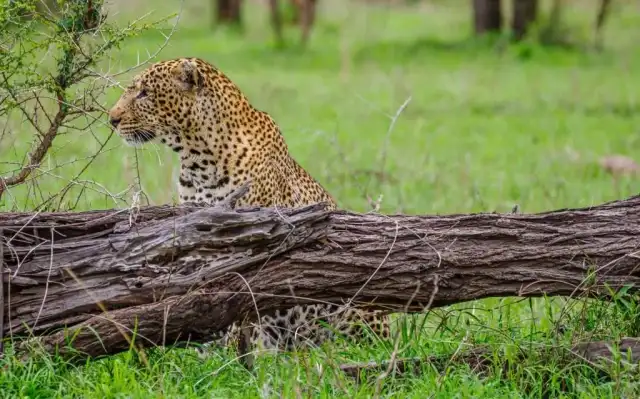
Plan your Serengeti national park Tanzania safari with expert tips on wildlife, activities, lodges, and seasonal highlights for a rewarding African adventure
Did you know that the Serengeti is one of the few places in the world where wildlife still roams freely across vast open plains, following natural cycles that have existed for centuries? A Serengeti national park Tanzania safari gives travelers the chance to witness the Great Migration, where millions of wildebeest and zebras move in search of fresh grazing. This spectacle, combined with the presence of lions, elephants, giraffes, and countless bird species, makes the park a living showcase of biodiversity. Whether you visit during calving season in the south or river crossings in the north, the Serengeti offers unique highlights throughout the year, ensuring every safari feels distinct and rewarding.
A Serengeti national park Tanzania safari is not only about wildlife; it’s also about the experience of being in a place where nature dictates the rhythm of life. Travelers can choose from a wide range of lodges and camps, from budget-friendly options to luxury retreats, each designed to bring you closer to the environment. Accessibility by road and air makes it easy to combine the Serengeti with other destinations like Ngorongoro or Zanzibar. With its scale, diversity, and year-round appeal, the Serengeti remains the centerpiece of Tanzanian safaris, offering travelers both adventure and comfort
Best Serengeti national park Tanzania safari packages
3-days-tanzania-safari-in-serengeti-national-park
3-days-tanzania-wildlife-safari
4-days-epic-tanzania-wildlife-and-culture-safari
5-day-kenya-and-tanzania-safari
5-days-circuit-wildlife-safari-in-tanzania
6-days-ndutu-migration-safari-calving-season
8-day-serengeti-ngorongoro-crater-and-zanzibar
8-days-wildlife-and-beach-holiday-tanzania
8-days-wildlife-safari-tanzania
9-days-zanzibar-and-wildlife-safari
10-days-uganda-and-tanzania-safari-gorillas-chimpanzees-and-wildlife
5-days-mount-kilimanjaro-marangu-route
Why choose Serengeti national park Tanzania safari
Choosing a Serengeti national park Tanzania safari gives you access to one of the richest wildlife areas in Africa. The park is home to large populations of lions, elephants, giraffes, and countless bird species, making it suitable for travelers who want to see animals in their natural environment without overcrowded spaces. A Serengeti national park Tanzania safari also allows you to plan around seasons, whether you prefer the migration months with millions of wildebeest or quieter periods when predators are more visible. This flexibility helps travelers match their expectations with the right timing, ensuring they get the most value from their visit.
A Serengeti national park Tanzania safari offers a wide range of accommodation options, from budget camps to luxury lodges, giving travelers control over comfort and cost. Many lodges are located inside or near the park, reducing travel time and maximizing hours spent on game drives. A Serengeti national park Tanzania safari is also supported by good road and air connections, making it easier to combine with other destinations like Ngorongoro or Zanzibar. This balance of accessibility and choice ensures travelers can design a safari that fits their budget, style, and schedule without unnecessary stress
Top attractions to see on Serengeti national park Tanzania safari
1. The Great Migration
One of the main attractions on a Serengeti national park Tanzania safari is the Great Migration, where millions of wildebeest and zebras move across the plains in search of fresh grazing. This natural cycle creates dramatic scenes as herds cross rivers and predators follow closely. A Serengeti national park Tanzania safari during migration season gives travelers a chance to witness this movement at different stages, from calving in the south to river crossings in the north. Timing is important, so planning around the months of movement ensures visitors see the migration at its most active.
2. Big Cat Sightings
A Serengeti national park Tanzania safari is well known for its large populations of lions, cheetahs, and leopards. These predators are often seen resting under acacia trees or hunting in the open plains. Travelers who want to observe natural predator behavior find the Serengeti rewarding, as the park’s size and habitat support healthy populations. A Serengeti national park Tanzania safari also allows visitors to spend extended time tracking these animals, with guides using their knowledge of territories and hunting patterns to increase chances of sightings.
3. Central Serengeti the Seronera Valley
The Seronera Valley is a highlight of any Serengeti national park Tanzania safari because it offers year-round wildlife viewing. Permanent water sources attract animals even outside migration months, making it reliable for visitors who cannot time their trip with the migration. A Serengeti national park Tanzania safari in Seronera often includes sightings of elephants, giraffes, and resident lions. The area is also known for leopard sightings, as rocky kopjes provide perfect habitats. Its accessibility makes it a practical choice for travelers with limited time.
4. Northern Serengeti and River Crossings
For travelers visiting between July and October, the northern section is a key attraction on a Serengeti national park Tanzania safari. This is where herds attempt to cross the Mara River, often facing crocodiles and strong currents. A Serengeti national park Tanzania safari in this region provides dramatic wildlife action and excellent photographic opportunities. The northern Serengeti is less crowded compared to central areas, offering a quieter experience while still delivering high-value sightings.
5. Ndutu Area and Calving Season
The Ndutu area, located in the southern Serengeti, is famous for the calving season between January and March. A Serengeti national park Tanzania safari here allows travelers to see thousands of newborn wildebeest, which in turn attract predators like hyenas and lions. This period is ideal for those interested in observing animal behavior and survival in real time. A Serengeti national park Tanzania safari in Ndutu also offers open plains that make wildlife viewing easier, with fewer vehicles compared to peak migration months
6. Western Corridor and Grumeti River
The Western Corridor is another highlight of a Serengeti national park Tanzania safari, especially between May and July when herds gather near the Grumeti River. This area is known for dramatic crossings where wildebeest face crocodiles waiting in the water. A Serengeti national park Tanzania safari here also offers excellent birdwatching, with species like kingfishers and storks thriving near the riverbanks. The mix of open plains and riverine forest makes this region attractive for travelers who want variety in landscapes and wildlife.
7. Moru Kopjes and Black Rhinos
Moru Kopjes provide a unique attraction on a Serengeti national park Tanzania safari because they are home to one of the few remaining populations of black rhinos in the park. These rocky outcrops also shelter lions and leopards, making them reliable spots for predator sightings. A Serengeti national park Tanzania safari in Moru Kopjes combines rare wildlife with cultural interest, as Maasai rock paintings can be found here. The area is less crowded compared to central zones, giving visitors a quieter safari experience while still offering high-value sightings
Best safari activities to do in Serengeti national park Tanzania safari
A Serengeti national park Tanzania safari offers more than just game drives; it opens up a wide range of activities that add depth to the experience. Travelers can enjoy sunrise and sunset drives where the light changes the landscape and wildlife behavior, making sightings more vivid. Hot air balloon rides provide a bird’s-eye view of the plains, giving perspective on the scale of the migration and the diversity of habitats. Walking safaris with trained guides allow guests to learn about smaller details such as plants, tracks, and birdlife. These activities make a Serengeti national park Tanzania safari flexible, catering to different interests while ensuring visitors connect with the environment in meaningful ways.
Beyond wildlife viewing, cultural visits enrich a Serengeti national park Tanzania safari by introducing travelers to Maasai communities living near the park. These interactions provide insight into traditional lifestyles, crafts, and conservation efforts, helping visitors understand the human side of the region. Photographers benefit from varied landscapes, from open plains to rocky kopjes, offering endless opportunities for creative shots. Night drives in designated areas reveal nocturnal species like civets and hyenas, adding variety to the safari. A Serengeti national park Tanzania safari is not limited to daytime activities; it combines wildlife, culture, and learning to create a balanced experience.
For those seeking relaxation, a Serengeti national park Tanzania safari includes stays in lodges and camps that offer amenities such as bush dinners, spa treatments, and swimming pools overlooking the plains. This balance between adventure and comfort ensures travelers can recharge after long days in the field. Birdwatching is another rewarding activity, with hundreds of species ranging from raptors to colorful smaller birds. Travelers who enjoy slower-paced exploration find these activities valuable, as they highlight details often missed during fast-paced drives. A Serengeti national park Tanzania safari therefore caters to both active explorers and those who prefer a mix of leisure and discovery.
Photography-focused safaris are increasingly popular, and the Serengeti provides ideal conditions for capturing wildlife behavior and dramatic landscapes. Guides often position vehicles for the best angles, helping visitors maximize their shots. A Serengeti national park Tanzania safari also supports conservation-focused activities, where travelers learn about anti-poaching efforts and habitat protection. These experiences add meaning to the trip, showing how tourism contributes to preserving the ecosystem. By combining photography, education, and conservation, a Serengeti national park Tanzania safari appeals to travelers who want more than just sightseeing.
Finally, seasonal activities make each Serengeti national park Tanzania safari unique. During calving season in the south, travelers witness thousands of newborn wildebeest, while river crossings in the north highlight predator-prey dynamics. Fishing and boating excursions on nearby lakes can be added for variety, extending the safari beyond the plains. Each season offers different highlights, ensuring repeat visitors always find something new. A Serengeti national park Tanzania safari is therefore not a one-time experience but a destination that rewards multiple visits, with activities tailored to changing wildlife patterns and traveler preferences
Best time to visit for Serengeti national park Tanzania safari
Dry Season from June to October
A Serengeti national park Tanzania safari during the dry season is often recommended because wildlife is easier to spot as animals gather around water sources. This period includes the famous Mara River crossings in the north, where wildebeest face crocodiles and predators. The weather is generally clear, with less rain and cooler mornings, making game drives more comfortable. A Serengeti national park Tanzania safari in these months is also less affected by muddy roads, so access to different areas is smoother. Travelers who want dramatic wildlife action and reliable sightings often choose this season.
Calving Season from January to March
For travelers interested in seeing newborn animals, a Serengeti national park Tanzania safari between January and March is the best choice. During this time, the southern plains around Ndutu host thousands of wildebeest calves, attracting predators such as lions and hyenas. The green season brings fresh grass, which supports large herds and creates excellent photographic opportunities. A Serengeti national park Tanzania safari in these months is also less crowded compared to peak migration times, giving visitors a quieter experience. This season is particularly rewarding for those who want to observe animal behavior and survival in real time.
Shoulder Months from April, May, November, December
A Serengeti national park Tanzania safari in April and May falls within the rainy season, which means fewer tourists and lower prices. While some roads may be muddy, the landscapes are lush and birdlife is abundant. November and December mark the start of short rains, but wildlife viewing remains strong, with herds beginning to move south. A Serengeti national park Tanzania safari in these months is suitable for travelers who prefer quieter parks and don’t mind occasional showers. The trade-off is less predictable migration viewing, but the overall experience is still rewarding.
Year-Round Appeal
The Serengeti remains productive throughout the year, so a Serengeti national park Tanzania safari can be planned at almost any time depending on personal interests. Migration herds move in cycles, meaning different regions of the park are active at different times. Travelers who prioritize river crossings should aim for mid-year, while those who want calving should plan for early in the year. For general wildlife viewing, central Serengeti offers reliable sightings year-round. A Serengeti national park Tanzania safari is therefore flexible, allowing visitors to match their timing with specific highlights without missing out on core wildlife experiences
How do travelers get there for Serengeti national park Tanzania safari
Travelers heading for a Serengeti national park Tanzania safari usually start their trip in Arusha, which is the main gateway city. From Arusha, there are scheduled flights to several airstrips inside the park, such as Seronera, Kogatende, and Ndutu, depending on the season and the area you want to explore. Flying saves time and gives visitors more hours for game drives. A Serengeti national park Tanzania safari can also be reached by road, though the drive is long, often taking six to eight hours, but it allows travelers to see other attractions along the way, including Lake Manyara and Ngorongoro Crater.
Another option for reaching a Serengeti national park Tanzania safari is combining international flights into Kilimanjaro International Airport with domestic connections. Many safari operators arrange transfers directly from the airport, making logistics easier for visitors. Road trips are popular for those who want to experience the changing landscapes and stop at cultural sites en route. A Serengeti national park Tanzania safari is well supported by both air and road networks, so travelers can choose based on time, budget, and personal preference. This flexibility ensures that reaching the park is manageable whether you want speed or a slower, scenic approach
Best safari tips for Serengeti national park Tanzania safari
When planning a Serengeti national park Tanzania safari, it helps to focus on practical tips that make the experience smoother and more rewarding. Book early to secure lodges or camps near the areas you want to explore, especially during migration season. Pack light but include essentials like layered clothing, sunscreen, insect repellent, and binoculars for better wildlife viewing. Always follow park rules and respect guides’ instructions to stay safe around animals. A Serengeti national park Tanzania safari is best enjoyed with flexibility wildlife sightings are never guaranteed, so patience pays off. Finally, consider combining your safari with nearby destinations like Ngorongoro or Zanzibar to maximize your trip and balance wildlife with cultural or beach experiences
How much is a safari in Serengeti National Park?
The cost of a Serengeti national park Tanzania safari varies depending on the level of comfort, season, and length of stay. Budget travelers can expect to spend around $200–$300 per person per day, covering basic camps and shared game drives. Mid-range safaris often range between $400–$600 per person daily, including lodges with better facilities and private guides. Luxury options can exceed $800–$1,500 per person per day, offering high-end lodges, exclusive vehicles, and personalized services. A Serengeti national park Tanzania safari also includes park fees, which are about $70 per adult per day, so factoring these costs is important when planning
What is the most famous safari park in Tanzania?
The Serengeti is widely considered the most famous safari park in Tanzania, attracting travelers from across the world. A Serengeti national park Tanzania safari is renowned for the Great Migration, where millions of wildebeest and zebras move across the plains, creating one of the most dramatic wildlife spectacles on earth. The park’s vast landscapes, predator populations, and year-round wildlife viewing make it stand out compared to other destinations. While Ngorongoro Crater and Tarangire are also popular, the Serengeti’s scale and diversity give it unmatched recognition. A Serengeti national park Tanzania safari is often seen as the centerpiece of Tanzanian tourism and a must-visit for anyone interested in African wildlife
Is Masai Mara or Serengeti better?
Choosing between Masai Mara and Serengeti depends on traveler priorities. The Masai Mara in Kenya is smaller but offers concentrated wildlife viewing, especially during the migration season. A Serengeti national park Tanzania safari, however, covers a much larger area, meaning visitors can explore different regions with varied habitats and fewer crowds. The Serengeti also hosts the migration for most of the year, while the Mara sees it for a shorter period. For travelers seeking scale, diversity, and extended migration viewing, a Serengeti national park Tanzania safari is often the better choice. Those with limited time may prefer the Mara’s compact size, but the Serengeti provides broader experiences
Does Tanzania have a Big 5 safari?
Yes, Tanzania offers Big 5 safaris, and the Serengeti is one of the best places to see them. A Serengeti national park Tanzania safari gives travelers the chance to spot lions, leopards, elephants, buffalo, and rhinos. Lions and buffalo are common across the plains, while leopards are often seen in the Seronera Valley. Elephants roam widely, and black rhinos can be found in specific areas such as Moru Kopjes. A Serengeti national park Tanzania safari also benefits from the park’s size and healthy ecosystems, which support these species year-round. While rhino sightings are rarer, the Serengeti remains one of the most reliable destinations for Big 5 viewing in Tanzania
Top hotels and lodges to stay in on Serengeti national park Tanzania safari
When planning a Serengeti national park Tanzania safari, accommodation plays a big role in shaping the experience. Luxury travelers often prefer Singita Sasakwa Lodge, Singita Faru Faru Lodge, or Four Seasons Safari Lodge Serengeti, which offer high-end comfort, private game drives, and stunning views of the plains. For those seeking mid-range options, Dunia Camp, Nomad Lamai Serengeti, and Lemala Ewanjan Tented Camp provide excellent service and close access to wildlife areas at more affordable rates. Seasonal mobile camps like Olakira Migration Camp and Singita Mara River Camp are perfect for travelers who want to follow the Great Migration. A Serengeti national park Tanzania safari therefore offers a wide range of stays, ensuring every traveler finds the right balance between comfort, cost, and proximity to wildlife
Booking Serengeti national park Tanzania safari with Lamz Tours and Travel
Booking a Serengeti national park Tanzania safari with Lamz Tours and Travel ensures travelers receive well-structured itineraries tailored to their needs. Lamz Tours and Travel specializes in combining wildlife experiences with comfort, offering options that range from budget-friendly camping to luxury lodges. Our team handles logistics such as flights, transfers, and park fees, making the process smooth and reliable. A Serengeti national park Tanzania safari booked through Lamz Tours and Travel also includes professional guides who know the best areas for seasonal highlights like the Great Migration or predator sightings. By choosing Lamz Tours and Travel, travelers benefit from personalized planning, local expertise, and a focus on value, ensuring their safari is both memorable and well-organized
Ready to plan your safari?
Talk to a Lamz Tours specialist and get a tailor-made quote.
Make an enquiry