African safari Kenya and Tanzania offers big cats, Great Migration, cultural Maasai visits, birdlife, and diverse landscapes for every traveler
Did you know that choosing African safari Kenya and Tanzania gives you access to some of the most diverse wildlife and landscapes in the world? These two destinations complement each other perfectly, offering travelers the chance to witness the Great Migration in the Serengeti and Maasai Mara, spot the Big Five in Ngorongoro Crater, and enjoy close elephant sightings in Amboseli with Mount Kilimanjaro as a backdrop. Beyond wildlife, cultural visits with the Maasai and local communities add depth to the experience, while birdwatching in Lake Nakuru and Lake Manyara brings variety for nature lovers. By combining African safari Kenya and Tanzania, you maximize your opportunities for rich game viewing, cultural insights, and even relaxation on Zanzibar’s beaches. This blend of adventure and authenticity ensures every traveler finds value, whether it’s their first safari or a return to East Africa’s wilderness
Best African safari Kenya and Tanzania packages
6-days-big-five-kenya-and-tanzania-combined-safari-trip
3-days-luxury-fly-in-safari-to-masai-mara
2-days-fly-in-serengeti-safari-in-tanzania
2-days-tarangire-national-park-and-ngorongoro-crater-safari
3-days-tanzania-safari-in-serengeti-national-park
3-days-tanzania-wildlife-safari
4-days-epic-tanzania-wildlife-and-culture-safari
5-day-kenya-and-tanzania-safari
5-days-circuit-wildlife-safari-in-tanzania
Best Places to visit for African safari Kenya and Tanzania
1. Serengeti National Park in Tanzania
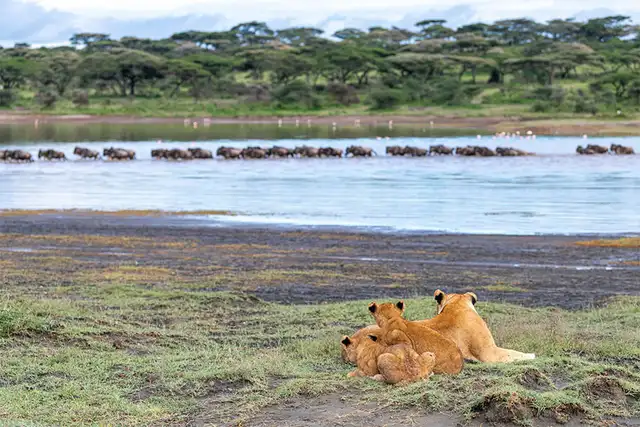
The Serengeti is the heart of African safari Kenya and Tanzania, famous for its endless plains and the Great Migration. Here, millions of wildebeest and zebras move across the land, followed closely by lions, cheetahs, and leopards. Visitors can enjoy year-round wildlife viewing, though the migration timing varies. The park’s vast size allows travelers to experience different regions, from predator-rich central areas to quieter northern zones. Choosing African safari Kenya and Tanzania ensures you witness this natural cycle, making Serengeti a must-see for anyone seeking authentic wildlife action and diverse ecosystems.
2. Maasai Mara National Reserve in Kenya
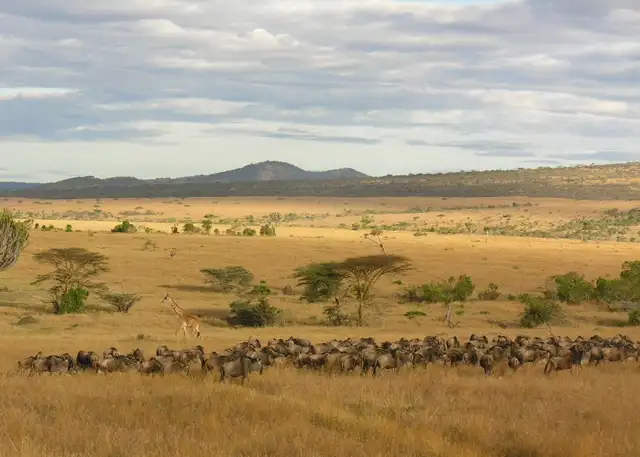
The Maasai Mara is a key highlight of African safari Kenya and Tanzania, offering dramatic river crossings during the Great Migration. Between July and October, wildebeest and zebras face predators at the Mara River, creating intense wildlife action. Lions, cheetahs, leopards, elephants, and hippos thrive here, making game drives rewarding. The reserve connects directly to the Serengeti, giving travelers a chance to experience both sides of the migration. By combining African safari Kenya and Tanzania, visitors maximize their chances of seeing predators in action and enjoying cultural visits with the Maasai people.
3. Ngorongoro Crater in Tanzania
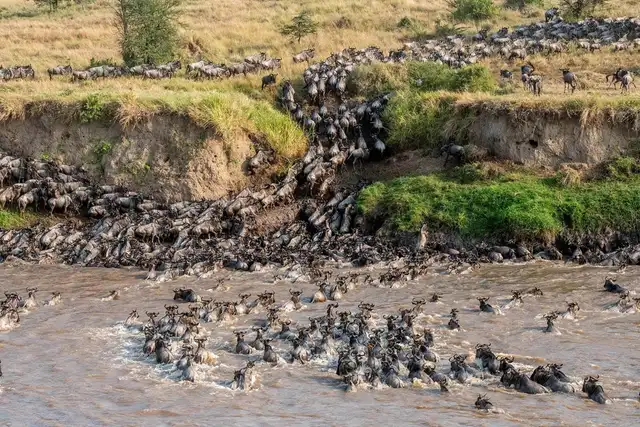
Ngorongoro Crater is a UNESCO World Heritage site and a top stop for African safari Kenya and Tanzania. Its unique volcanic caldera shelters an incredibly high density of wildlife, including lions, elephants, buffalo, hippos, and the rare black rhino. The crater floor provides easy game viewing, making it ideal for travelers who want to see the Big Five in one location. June to October is the best time, with clear views and concentrated wildlife. Choosing African safari Kenya and Tanzania ensures you experience Ngorongoro’s unmatched setting, where dramatic landscapes meet abundant wildlife in a compact, accessible area.
4. Amboseli National Park in Kenya
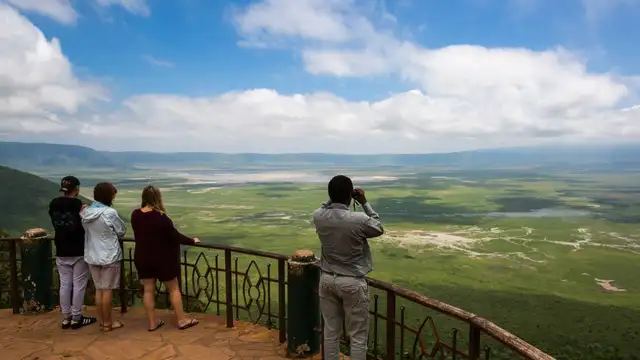
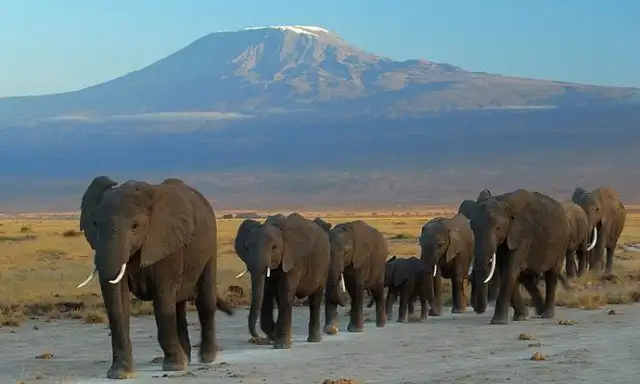
Amboseli is a favorite for elephant lovers during African safari Kenya and Tanzania. Known for its large herds, the park also offers striking views of Mount Kilimanjaro, especially at sunrise and sunset. Lions, cheetahs, buffalo, and giraffes roam freely, making game drives rewarding. The best times to visit are June to October and January to February, when visibility is clear. By including Amboseli in African safari Kenya and Tanzania, travelers enjoy both wildlife and landscapes, combining close elephant sightings with Africa’s tallest mountain as a backdrop.
5. Samburu National Reserve of Kenya
Samburu offers a different side of African safari Kenya and Tanzania, with rare species known as the “Special Five.” These include the reticulated giraffe, Grevy’s zebra, gerenuk, Somali ostrich, and Beisa oryx. The arid landscape contrasts with southern parks, giving visitors a unique safari experience. June to October is the best time to spot wildlife along the Ewaso Ng’iro River. Choosing African safari Kenya and Tanzania ensures travelers see not only the famous Big Five but also rare species found only in northern Kenya, making Samburu a valuable addition to any itinerary.
6. Tarangire National Park in Tanzania
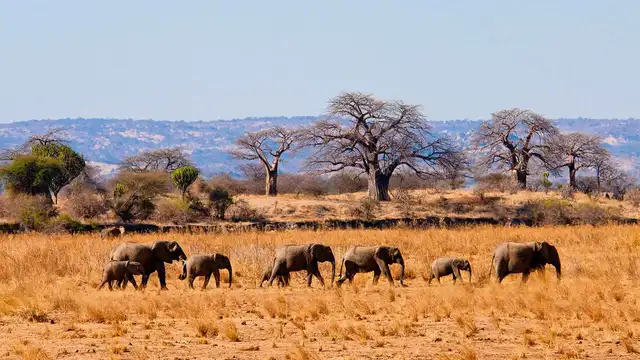
Tarangire is a hidden gem of African safari Kenya and Tanzania, known for massive elephant herds and ancient baobab trees. During the dry season from June to October, animals gather along the Tarangire River, creating excellent viewing opportunities. Lions, leopards, tree-climbing pythons, and over 550 bird species thrive here. The park’s landscapes are distinctive, with towering baobabs adding character to the safari experience. By including Tarangire in African safari Kenya and Tanzania, travelers enjoy quieter game drives, large herds, and diverse birdlife in a less crowded setting.
7. Lake Nakuru National Park in Kenya
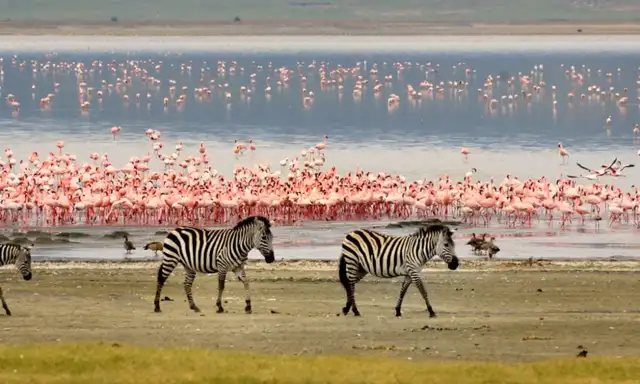
Lake Nakuru is a highlight of African safari Kenya and Tanzania, famous for its flamingos and rhino sanctuary. Both black and white rhinos are protected here, alongside lions, leopards, and pelicans. Birdwatchers will appreciate the variety, while game drives offer close rhino sightings. The park is accessible year-round, making it convenient for travelers. Choosing African safari Kenya and Tanzania ensures you experience Lake Nakuru’s unique mix of birdlife and rhino conservation, adding variety to your safari itinerary and supporting important wildlife protection efforts.
8. Lake Manyara National Park Tanzania
Lake Manyara is a compact but rewarding stop during African safari Kenya and Tanzania. It is famous for tree-climbing lions, large baboon troops, flamingos, elephants, and hippos. The park’s diverse habitats range from forests to wetlands, supporting rich birdlife. Year-round visits are possible, though dry seasons improve visibility. By including Lake Manyara in African safari Kenya and Tanzania, travelers enjoy a mix of predator sightings, birdwatching, and unique behaviors like lions resting in trees, making it a valuable addition to a multi-park safari experience
Top 10 Safari Activities to Do on African Safari Kenya and Tanzania
1. Game Drives Day and Night
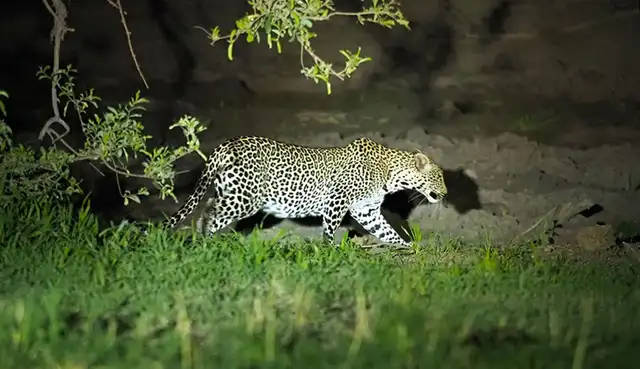
The quintessential experience on any African safari Kenya and Tanzania is the game drive, taking you across the savannas of Maasai Mara and Serengeti in open-topped vehicles. Day drives reveal lions lazing under acacia trees, cheetahs sprinting across grasslands, and massive elephant herds. However, night drives permitted mainly in Kenya's private conservancies unlock a hidden world. Under spotlights, you might glimpse elusive leopards descending from trees, spotted hyenas hunting, or the bizarre aardvark and bushbabies with their glowing eyes. Your guide uses radio calls to track predator movements, ensuring you don't miss the action. Whether sunrise or midnight, each drive offers unpredictable, thrilling encounters that change with every hour, making game drives the absolute core of your African safari Kenya and Tanzania adventure.
2. Witness the Great Migration River Crossings
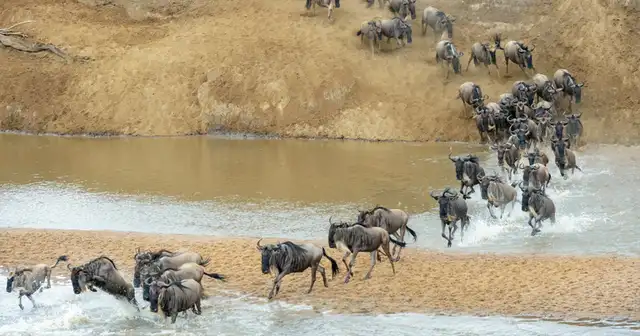
Arguably Earth's most dramatic wildlife spectacle, the Great Migration river crossings occur along the Mara River straddling the border between Kenya and Tanzania, making this a crown jewel of any African safari Kenya and Tanzania itinerary. From July to October, over 1.5 million wildebeest and zebras gather on riverbanks, hesitating before plunging into crocodile-infested waters. As you watch from a safe distance, panic erupts animals leap over corpses of those who didn't make it, while massive Nile crocodiles launch explosive attacks. Dust clouds rise, hooves thunder, and survivors scramble up the opposite bank. This raw battle of life and death unfolds over hours, and timing your African safari Kenya and Tanzania with a skilled guide increases your chances of witnessing multiple crossings during a single trip.
3. Hot Air Balloon Safari
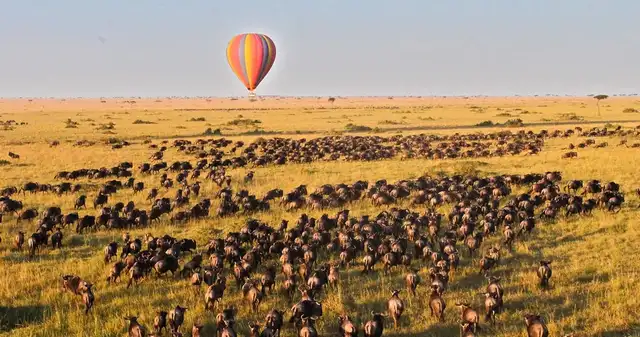
Drifting silently above the Serengeti or Maasai Mara at dawn offers a perspective few ever experience on their African safari Kenya and Tanzania journey. As the burner fires gently, you rise with the sun, watching shadows shrink below as herds of wildebeest, elephants, and giraffes move across endless plains. The stillness is profound only the occasional bird cry breaks the silence. After landing approximately one hour later, you are driven to a secluded spot where a full champagne breakfast awaits, complete with white linen and hot coffee in the bush. This activity excels for photographers capturing golden light, couples seeking romance, or anyone wanting to float like a bird over Africa's greatest wildlife concentrations, creating an unforgettable highlight of any African safari Kenya and Tanzania.
4. Walking Safari
Stepping out of the vehicle transforms your African safari Kenya and Tanzania from observation to immersion. On a walking safari around Ngorongoro Crater rim in Tanzania or Laikipia conservancies in Kenya, an armed ranger leads you through bushland, teaching you to read animal tracks, identify medicinal plants, and spot insects or bird nests you would have driven past. You learn how dung beetles navigate, why termite mounds face north, and how to distinguish a lion's pugmark from a hyena's. Though large animals may be spotted at a distance, the real magic lies in the small details. This two-to-four-hour walk awakens all your senses and leaves you deeply connected to the wilderness, offering a completely different dimension to your African safari Kenya and Tanzania experience.
5. Big Five Safari
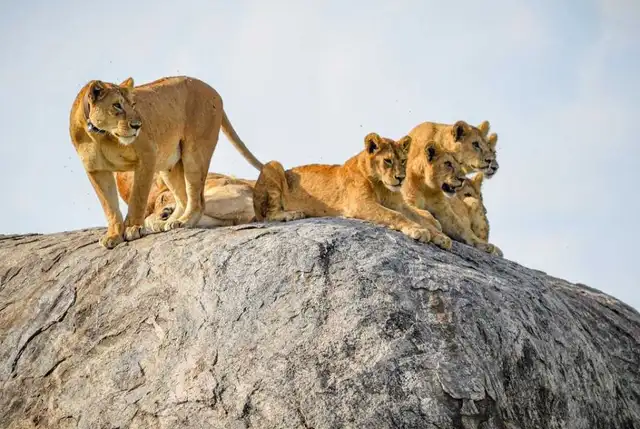
The ultimate bucket-list challenge on any African safari Kenya and Tanzania, finding the Big Five lion, leopard, elephant, buffalo, and black rhino is a thrilling quest. Ngorongoro Crater in Tanzania offers your best chance to see all five in a single day. As you descend 600 meters into this ancient volcanic caldera, lions laze beside the road, elephants cross your path, and buffalo herds gather near the soda lake. Leopards often rest in fever trees along the rim's edge, and critically endangered black rhinos rare elsewhere graze openly on the crater floor. With expert guiding, you might tick off all five before lunch. This activity combines luck, patience, and skill, making each sighting feel like a hard-won victory on your African safari Kenya and Tanzania adventure.
6. Bird Watching Safari
With over 500 species recorded, Lake Nakuru in Kenya and Lake Manyara in Tanzania are paradise for birders on an African safari Kenya and Tanzania. Flamingos gather by the thousands, turning shorelines pink, while great white pelicans fish in synchronized formations and fish eagles cry out from acacia branches. You might spot the rare shoebill stork, saddle-billed storks with their striking yellow wattles, and countless migratory species from Europe and Asia. Your guide will help you distinguish between similar species like egrets and herons, and teach you bird calls. The best birding occurs during the dry season when water sources concentrate wildlife, but year-round, this activity adds a colorful, melodic layer to your African safari Kenya and Tanzania.
7. Cultural Village Visit with the Maasai
No African safari Kenya and Tanzania is complete without experiencing the rich culture of the Maasai people. Visiting a traditional manyatta (village) near Maasai Mara or Ngorongoro Crater offers profound cultural immersion. You are greeted by warriors in brilliant red shukas who perform the famous adumu jumping dance, leaping higher and higher as they sing polyphonic songs. Elders explain their herding lifestyle, showing how they build homes from cow dung and sticks, make jewelry from beads and ostrich shells, and coexist with lions and elephants. You can purchase authentic beadwork directly from the women who made it. This respectful exchange deepens your understanding of East Africa, adding a human connection to your African safari Kenya and Tanzania that wildlife alone cannot provide.
8. Photography Safari
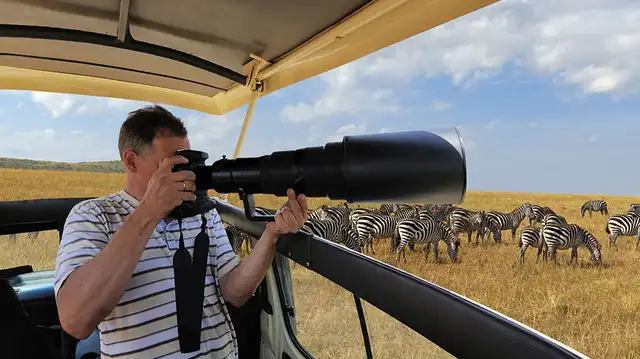
Serious photographers book dedicated photography safaris as part of their African safari Kenya and Tanzania to capture world-class images. Vehicles feature pop-up roofs, swiveling seats, and beanbag rests for stabilizing long lenses. Guides who understand animal behavior position you for perfect light sunrise at Amboseli with Kilimanjaro looming behind elephant herds, or golden hour in the Serengeti with lions draped over kopjes. You learn to use aperture priority for wildlife action, slow shutter speeds for panning with running cheetahs, and the rule of thirds for landscape compositions. Private vehicles allow you to wait hours for the perfect shot. Whether you are a professional or passionate amateur, this tailored experience elevates your African safari Kenya and Tanzania photography to exhibition quality.
9. Bush Dinner or Sundowner
For couples and luxury travelers on an African safari Kenya and Tanzania, a bush dinner or sundowner creates magical memories. As the sun begins to set, you drive to a scenic lookout spot often overlooking a river where hippos grunt or a plain where zebras graze. Your guide sets up a portable bar, offering chilled gin and tonics or Amarula liqueur as you watch the sky turn orange, then purple, then star-filled. Later, you move to a lantern-lit table set with white linen, surrounded by flickering firelight. A gourmet multi-course meal is served under the Southern Cross constellation, while distant lion roars provide the soundtrack. This intimate, romantic experience transforms your African safari Kenya and Tanzania into something truly extraordinary.
10. Canoe or Boat Safari
A canoe or boat safari offers a completely different perspective on your African safari Kenya and Tanzania, focusing on water-loving wildlife. On the Chobe River within Tanzania's Arusha National Park or on Kenya's Lake Naivasha, you glide silently past snorting hippos keeping a safe distance as they yawn their enormous jaws. Crocodiles bask like prehistoric logs on muddy banks, their eyes just breaking the water's surface. Fish eagles dive for prey, kingfishers hover then plunge, and herds of buffalo and elephants come to drink at the water's edge. Unlike vehicle safaris, the water provides a stealthy approach, allowing closer, calmer observation. This activity is particularly suitable for families, photographers seeking reflections, or anyone wanting to cool off while enriching their African safari Kenya and Tanzania adventure.
How much is an African safari Kenya and Tanzania
The cost of an African safari in Kenya and Tanzania varies significantly based on duration, accommodation style, and season, with a mid-range 10 to 14-day safari typically costing between $3,500 and $5,500 per person . For a budget-friendly overland camping experience, you can expect to spend around $120 to $180 per day, or approximately $1,200 to $2,500 for a 10-day trip ; a classic accommodated safari with lodges and tented camps ranges from $180 to $350 per day, totaling $2,000 to $4,200 . For a higher level of comfort and privacy, a mid-range package including key parks like the Masai Mara, Serengeti, and Ngorongoro Crater runs from $9,000 to $13,000 per person for 12 to 14 days , while a luxury safari with high-end lodges and private vehicles costs $13,000 to $17,000 or more . Shorter 6 to 9 day Kenya-only safays start around $6,000 to $9,000 , and all-inclusive guided tours can range from $6,039 for 12 days to over $13,000 for premium 14-day trips . It's also worth noting that Tanzania tends to have higher park fees, so daily costs are often slightly higher there than in Kenya
Best time to go for African safari Kenya and Tanzania
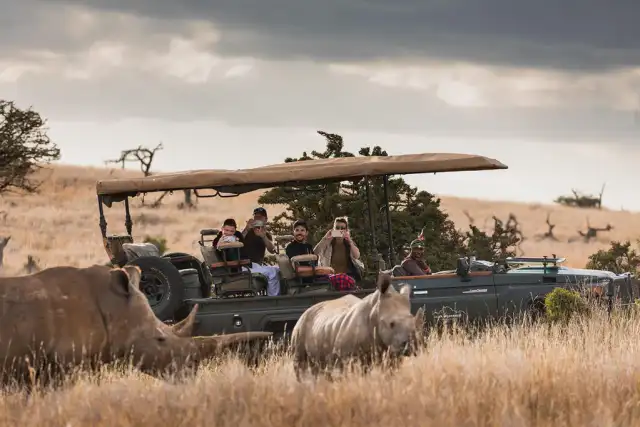
The dry season from late June to October is widely considered the best time for an African safari Kenya and Tanzania, offering exceptional wildlife viewing across both countries. During these months, minimal rainfall forces animals to congregate around permanent rivers and waterholes, making them far easier to spot. Vegetation is sparse, improving visibility dramatically, while mosquitoes are less prevalent due to the lack of standing water. This period also coincides with the most dramatic wildlife spectacle on Earth: the Great Migration river crossings along the Mara River, typically peaking between July and September. However, this is peak tourist season, meaning higher prices, crowded parks, and vehicles waiting at crossing points. Book accommodations at least six to nine months in advance if traveling during this window.
The green season from November to May offers compelling advantages for travelers seeking value and solitude on an African safari Kenya and Tanzania. From January to February, brief afternoon rains clear the air for stunning photography, and the Serengeti's southern plains host the calving season—over 8,000 wildebeest calves born daily, attracting intense predator action. March through May sees heavy rains, making some roads impassable, but lodge rates drop significantly, crowds disappear, and birdwatchers will find migratory species in abundance. The landscapes transform into lush, emerald vistas perfect for photographers. While wildlife is more dispersed, the experience feels more intimate and exclusive. For budget-conscious travelers or those prioritizing privacy over guaranteed river crossings, the green season delivers remarkable value
How to get there for African safari Kenya and Tanzania
Getting to your African safari Kenya and Tanzania adventure begins with flying into one of several major international gateways. For Kenya, Jomo Kenyatta International Airport (NBO) in Nairobi is the primary hub, receiving direct flights from Europe, Asia, and the Middle East . For Tanzania, Kilimanjaro International Airport (JRO) is most convenient for northern safari circuits, while Julius Nyerere International Airport (DAR) in Dar es Salaam serves southern parks and beach extensions . Many travelers start in Nairobi and end in Kilimanjaro or Arusha to avoid backtracking, as flights between these cities connect easily . Budget airlines and legacy carriers both offer competitive fares, especially during low season, with round-trip flights from Europe often available for under €500 . Note that light aircraft for park transfers from Arusha or Nairobi have strict luggage limits of 15 kg (33 lbs) in soft-sided bags .
Once you arrive in the region, getting between Kenya and Tanzania for your African safari Kenya and Tanzania itinerary involves road crossings or short flights. The most common road border posts are Namanga (between Amboseli and Arusha) and Isebania/Sand River (connecting the Serengeti and Maasai Mara) . Driving the full loop typically takes 10 to 14 days and allows you to see Amboseli, Ngorongoro, Serengeti, and Mara in sequence . Alternatively, AirKenya now operates daily scheduled flights between Nairobi's Wilson Airport and Arusha, Tanzania's safari capital, making regional connections seamless . You can also catch light aircraft charters directly between the Masai Mara and Serengeti, saving three to four driving days, though these cost $200 to $400 per segment . Whichever route you choose, always apply for Kenya's eTA or Tanzania's eVisa online before travel, as visa-on-arrival is being phased out
Best tips for experiencing African safari Kenya and Tanzania
Packing strategically for your African safari Kenya and Tanzania can make or break your experience. Stick to neutral-colored clothing like khaki, olive, and beige to blend into the bush and avoid attracting tsetse flies. Layer your outfits because early morning game drives are cold, often near freezing in open vehicles, but midday temperatures soar. A wide-brimmed hat, polarized sunglasses, and high-SPF sunscreen are essential even in winter. Bring binoculars one pair per person, not per couple since guides often spot animals far away. For photography, a telephoto lens of at least 200-300mm is crucial. Don't forget wet wipes, a power bank, and a headlamp for camps without reliable electricity. Leave dark blue and black clothing at home; they attract tsetse flies and biting insects.
Understanding wildlife viewing etiquette will enhance your African safari Kenya and Tanzania dramatically. Always remain seated inside the vehicle unless your guide says otherwise; animals perceive the vehicle as one large object but become alarmed when humans stand up. Listen carefully during safari briefings about minimum distances from predators, typically 25 meters from lions and leopards and over 100 meters from elephants with babies. Never shout, clap, or bang the vehicle to get an animal's attention patient silence yields better sightings. Ask your guide before requesting special maneuvers; they know animal behavior intimately. Respect that guides communicate via radio to share sightings without crowding animals. Most importantly,never litter or feed wildlife, as human food disrupts natural behaviors.
Timing and health preparations are critical for a successful African safari Kenya and Tanzania. The dry season from June to October offers the best wildlife viewing as animals gather around shrinking water sources, but this peak season also brings higher prices and crowded parks. Consider the green season from November to May for lush landscapes, fewer tourists, lower rates, and excellent birdwatching, though some roads become muddy. Book your safari at least six to nine months in advance for peak season, especially for popular camps in Serengeti and Masai Mara. Consult a travel doctor eight weeks before departure for yellow fever vaccination, malaria prophylaxis, and a diplomatic supply of anti-diarrheal medication. Purchase comprehensive travel insurance that specifically covers emergency medical evacuation, as serious injuries may require airlifting to Nairobi.
Best hotels, loges and camps to stay on African safari Kenya and Tanzania
For the ultimate luxury experience on your African safari Kenya and Tanzania, the Four Seasons Safari Lodge Serengeti stands out with 77 secluded rooms, an infinity pool overlooking a watering hole, and a world-class spa . In the exclusive Naboisho Conservancy bordering the Masai Mara, Ol Seki Hemingways Mara offers just nine beautifully designed tents with private decks and an infinity pool overlooking the plains . Other top luxury properties include Serengeti Bushtops, featuring private hot tubs and butler service, and the Elewana Collection's renowned camps such as Tortilis Camp in Amboseli and Sand River Masai Mara . For crater views, Entamanu Private on the Ngorongoro Crater rim provides complete privacy and tailored activities away from busy entrance gates .
Mid-range travelers seeking excellent value will find outstanding options across both countries. In the Masai Mara, Enkorok Mara Camp offers solar-powered ensuite tents with 180-degree savanna views from just $150 per night. Sarova Mara Game Camp and Keekorok Lodge provide comfortable amenities with excellent wildlife access. In Tanzania, Kati Kati Tented Camp places you in the heart of the Serengeti migration routes with authentic canvas tents and bucket showers from $160 per night. Ngorongoro Farm House, a rustic-chic lodge on a working coffee plantation 15 minutes from the crater rim, offers stone cottages with fireplaces and farm-to-table dining for $150-$250 per night. Budget-conscious travelers can choose Mara Hilltop near the Masai Mara, featuring dorm beds and glamping tents from around $15, with organized shared 4WD safaris to reduce costs
Booking African safari Kenya and Tanzania with Lamz Tours and Travel
Booking an African safari in Kenya and Tanzania with Lamz Tours and Travel provides a reliable, all-inclusive solution for experiencing East Africa's premier wildlife destinations. This established tour operator, headquartered in Uganda with extensive operations across both countries, specializes in crafting customized itineraries that cover iconic parks such as the Masai Mara, Serengeti, Amboseli, Lake Nakuru, and the Ngorongoro Crater . Our all-inclusive packages typically cover accommodation, meals, park entry fees, and guided game drives in well-equipped 4x4 vehicles, offering transparent pricing that simplifies budgeting . Lamz Tours and Travel is particularly noted for its knowledgeable local guides, personalized service, and flexibility in tailoring trips to suit various budgets and travel styles from luxury lodge safaris to budget camping options . Travelers consistently praise the company's professionalism, competitive pricing, and attention to detail, with many highlighting their expertise in orchestrating seamless multi-country adventures that may also include gorilla trekking or beach extensions to Zanzibar. For inquiries or to request a quote, you can contact Lamz Tours and Travel directly via email at info@Lamz Tours and Travel.com
Ready to plan your safari?
Talk to a Lamz Tours specialist and get a tailor-made quote.
Make an enquiry