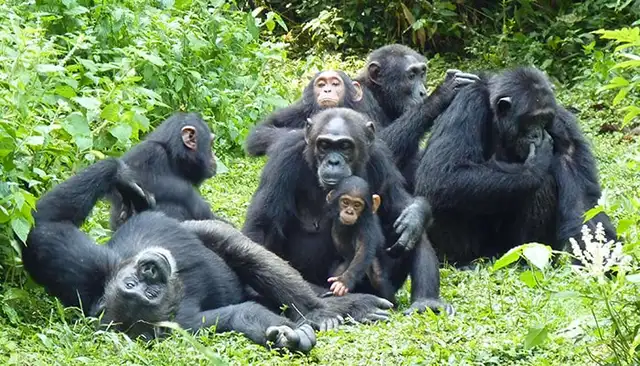
Best Kibale National Park Facts for Uganda Safari Tours highlights chimpanzees, wildlife, birdlife, travel tips, activities, and visitor information.
Kibale National Park is one of Uganda's leading wildlife destinations, renowned for its rich biodiversity and exceptional primate encounters. Home to one of Africa's largest chimpanzee populations, the park offers visitors opportunities to explore tropical forests, observe diverse wildlife, and experience community conservation initiatives. This guide to the Best Kibale National Park Facts for Uganda Safari Tours explores the park's unique features, attractions, and visitor experiences.
Top parks and Game reserves to Visit on a Uganda Safari Tours
Best Kibale National Park Facts for Uganda Safari Tours
1. Kibale National Park Is Known as the Primate Capital of East Africa
Kibale National Park is recognised as one of Africa’s most important destinations for primate conservation, making it a highlight of many Uganda Safari tours that focus on wildlife and nature experiences. Covering approximately 795 square kilometres in western Uganda, the park supports an exceptional diversity of primate species that attract wildlife enthusiasts, researchers, photographers, and conservationists from around the world. Visitors often arrive to experience the famous chimpanzee tracking activities but soon discover that the forest offers far more than chimpanzees alone. Kibale is home to thirteen primate species, including red colobus monkeys, black-and-white colobus monkeys, blue monkeys, grey-cheeked mangabeys, olive baboons, and L’Hoest’s monkeys. The remarkable concentration of primates allows travellers to gain a deeper understanding of forest ecosystems while enjoying close wildlife encounters. Experienced guides help visitors identify different species and explain their behaviours, feeding habits, and ecological importance. The abundance of primates and the rich biodiversity found throughout the forest explain why Kibale remains a leading destination featured on Uganda Safari tours.
2. Kibale Hosts One of Uganda’s Largest Chimpanzee Populations
Chimpanzees are undoubtedly the most celebrated residents of Kibale National Park, making encounters with these remarkable primates a major attraction on many Uganda Safari tours across western Uganda. The park supports more than 1,500 chimpanzees, making it one of the most significant chimpanzee habitats in East Africa. Visitors join guided tracking excursions that lead through the forest in search of habituated chimpanzee communities. Once located, travellers have the opportunity to observe behaviours such as feeding, grooming, playing, caring for young, and communicating through a variety of vocalisations. Researchers have spent decades studying these chimpanzees, helping conservationists better understand their social structures and daily activities. Watching wild chimpanzees interact in their natural environment provides a deeper appreciation of the close relationship between humans and great apes. The experience combines adventure, education, and wildlife observation in a way that appeals to visitors of all ages. These extraordinary encounters are among the main reasons travellers choose Kibale when planning Uganda Safari tours.
3. The Forest Contains Diverse Habitats Within a Single Protected Area
Kibale National Park contains an impressive variety of ecosystems, making it an important destination on Uganda Safari tours that focus on biodiversity and ecological exploration. Although many people associate the park with tropical rainforest, it also includes woodland areas, grasslands, wetlands, riverine habitats, and regenerating forest zones. This diversity creates ideal conditions for numerous plant and animal species to thrive within the same protected area. As visitors move through different sections of the park, they experience changing landscapes that support different forms of wildlife. Certain habitats provide shelter for primates, while others attract birds, reptiles, and smaller mammals. The interaction between these environments contributes to the ecological health of the region and supports a wide range of species throughout the year. Understanding these habitat variations helps travellers appreciate the complexity of natural ecosystems and the importance of conservation efforts. The rich environmental diversity found within Kibale continues to attract nature enthusiasts participating in Uganda Safari tours.
4. Kibale National Park Supports Hundreds of Bird Species
The exceptional birdlife found in Kibale National Park makes it a valuable destination for many Uganda Safari tours that cater to birdwatchers and wildlife enthusiasts. More than 375 bird species have been recorded within the park, creating excellent opportunities for both experienced birders and casual nature lovers. The mixture of forests, wetlands, and open habitats supports a wide range of resident and migratory species throughout the year. Visitors may spot colourful turacos, hornbills, greenbuls, flycatchers, sunbirds, and numerous forest specialists that are difficult to find elsewhere. Early morning birding walks often provide the best opportunities for sightings as many species become active shortly after sunrise. Guides help visitors identify birds by their appearance, calls, and behaviours while explaining their ecological importance. The variety of species ensures that every walk through the forest offers new discoveries and rewarding observations. This remarkable avian diversity is one of the reasons Kibale remains highly regarded among destinations featured on Uganda Safari tours.
5. Kibale Plays an Important Role in Scientific Research
Kibale National Park has earned international recognition for scientific studies, making it an educational destination included in many Uganda Safari tours that highlight conservation and wildlife research. For decades, researchers have conducted extensive studies on chimpanzees, monkeys, birds, plants, and forest ecosystems within the park. These long-term projects have generated valuable information about animal behaviour, ecological relationships, and the challenges facing tropical forests. Research findings from Kibale have contributed significantly to conservation planning both within Uganda and across Africa. Visitors often learn about ongoing studies during guided activities and gain insight into the methods used by scientists working in the field. Understanding how research supports wildlife protection adds depth to the visitor experience and encourages greater appreciation for conservation efforts. The park demonstrates how tourism, science, and environmental protection can work together to support sustainable management of natural resources. This commitment to knowledge and conservation strengthens the appeal of Kibale for travellers interested in meaningful Uganda Safari tours.
6. The Park Protects Important Water Catchment Areas
Kibale National Park serves an important environmental function beyond wildlife conservation, making it a valuable feature of Uganda Safari tours that explore the broader significance of protected areas. The forest acts as a major water catchment system that supports rivers, streams, wetlands, wildlife populations, and neighbouring communities. Dense vegetation helps absorb rainfall and regulate water flow throughout the year, reducing soil erosion and maintaining healthy ecosystems. These natural processes contribute to environmental stability across the region and provide essential resources for both people and wildlife. Visitors often gain a greater appreciation of how forests support daily life through the provision of clean water and ecological services. Protecting these natural systems is crucial for sustaining biodiversity and ensuring long-term environmental health. The role of Kibale in maintaining water resources demonstrates that conservation benefits extend well beyond the boundaries of the park itself. This important ecological contribution adds further value to experiences offered through Uganda Safari tours.
7. Bigodi Wetland Enhances the Kibale Experience
The nearby Bigodi Wetland complements visits to Kibale National Park, making it a popular addition to many Uganda Safari tours that combine wildlife encounters with community-based conservation experiences. Situated close to the forest, the wetland supports a rich variety of birds, monkeys, butterflies, and plant species. Guided walks through the area provide opportunities to observe wildlife while learning about local conservation initiatives and sustainable tourism projects. Community involvement has played a major role in protecting the wetland and ensuring that tourism benefits local residents. Revenue generated through visitor activities supports education, healthcare, and development programmes within surrounding villages. The experience offers travellers a broader understanding of the relationship between conservation and community wellbeing. Visitors appreciate the opportunity to engage with local guides who share knowledge about the environment and traditional practices. The successful partnership between conservation efforts and local communities makes Bigodi a rewarding destination frequently included in Uganda Safari tours.
8. Kibale National Park Forms Part of a Larger Conservation Landscape
Kibale National Park contributes to a wider network of protected ecosystems, making it an important component of comprehensive Uganda Safari tours that explore western Uganda’s natural heritage. The park is connected to surrounding habitats through ecological corridors that allow wildlife to move between different conservation areas. These connections help maintain healthy animal populations, support genetic diversity, and strengthen long-term conservation outcomes. Travellers often combine visits to Kibale with nearby destinations such as Queen Elizabeth National Park to experience both forest and savannah environments during the same journey. The surrounding landscape includes wetlands, crater lakes, community forests, and agricultural areas that together support a rich variety of life. Understanding how these ecosystems interact provides valuable insight into modern conservation strategies. Protecting these connections remains essential for preserving biodiversity and ecological balance throughout the region. The role Kibale plays within this broader conservation network further enhances its importance on Uganda Safari tours.
Best Time to Visit Kibale National Park on a Uganda Safari Tours
Kibale National Park can be visited throughout the year, although many travellers planning Uganda Safari tours prefer the drier months from December to February and from June to September. During these periods, forest trails are generally easier to navigate, making chimpanzee tracking and nature walks more comfortable. The vegetation is often less dense, which can improve wildlife viewing opportunities within certain parts of the forest. However, the wetter months also have advantages, including greener surroundings, fewer visitors, and excellent birdwatching opportunities as migratory species arrive in the region. Chimpanzees remain active throughout the year, meaning visitors still enjoy rewarding tracking experiences regardless of the season. Rain showers can occur at almost any time because of the park’s tropical climate, so flexibility is always beneficial. The best time ultimately depends on individual interests, travel schedules, and preferred activities. Careful planning helps visitors make the most of their forest experience while enjoying everything the park has to offer through Uganda Safari tours.
How to Get to Kibale National Park on a Uganda Safari Tours
Kibale National Park is easily accessible from several parts of Uganda, making it a popular destination on many Uganda Safari tours that explore the country's western region. The park is located near Fort Portal and can be reached by road from Kampala in approximately five to six hours, depending on traffic and weather conditions. The journey passes through changing landscapes that include rural villages, tea-growing areas, rolling hills, and agricultural communities, providing visitors with an introduction to Uganda's countryside. Many travellers prefer private safari vehicles because they offer flexibility and comfort throughout the journey. Domestic flights to nearby airstrips are also available for those wishing to reduce travel time. Most tour operators arrange transport as part of their safari packages, making the planning process straightforward for visitors. Travelling to Kibale is generally comfortable and provides opportunities to appreciate the country's natural and cultural diversity before arriving at the forest. This convenient accessibility continues to make the park a preferred destination included in Uganda Safari tours.
Things to Do in Kibale National Park on a Uganda Safari Tours
The wide variety of activities available in Kibale National Park makes it a highlight of many Uganda Safari tours that focus on wildlife, nature, and conservation experiences. Chimpanzee tracking remains the park's most sought-after activity, allowing visitors to spend time observing these intelligent primates within their natural habitat. Those looking for a more immersive experience can participate in chimpanzee habituation programmes, which provide additional time with researchers and chimpanzee groups. Guided forest walks reveal the rich biodiversity of the park, including various plant species, birds, insects, and smaller mammals. Birdwatching opportunities attract enthusiasts from around the world due to the large number of species recorded within the area. Visitors can also explore the nearby Bigodi Wetland, where community guides share insights into local conservation initiatives and wildlife habitats. Cultural visits offer another opportunity to learn about traditions and daily life in neighbouring communities. The diversity of experiences available ensures visitors enjoy a rewarding programme during Uganda Safari tours.
What to Carry for Kibale National Park on Uganda Safari Tours
Proper preparation contributes greatly to a comfortable forest experience, which is why travellers on Uganda Safari tours are encouraged to pack carefully before visiting Kibale National Park. Lightweight long-sleeved clothing is recommended to provide protection from insects, vegetation, and changing weather conditions within the forest. Comfortable walking boots with strong grip are essential, especially when trails become slippery after rainfall. A waterproof jacket is useful throughout the year because weather conditions can change quickly. Visitors should also bring insect repellent, sunscreen, a hat, personal medications, and a reusable water bottle to stay comfortable during activities. Binoculars can enhance wildlife viewing experiences, particularly for birdwatchers hoping to spot species high within the forest canopy. A camera with spare batteries and sufficient storage allows travellers to capture wildlife encounters and forest landscapes throughout their visit. Packing appropriately helps reduce unnecessary challenges while exploring the park. Being well prepared allows visitors to enjoy every activity offered through Uganda Safari tours.
Accommodation in Kibale National Park on a Uganda Safari Tours
The accommodation options around Kibale National Park cater to different budgets, making the area suitable for various Uganda Safari tours designed for different types of travellers. Visitors can choose from luxury lodges, comfortable mid-range properties, and budget-friendly camps located near the park's main activity areas. Many lodges are positioned within easy reach of chimpanzee tracking starting points, allowing guests convenient access to early morning excursions. Accommodation facilities often provide comfortable rooms, dining services, and opportunities to observe birds and other wildlife around the property. Some establishments focus on environmentally responsible practices that support conservation and community development. Luxury travellers can enjoy personalised services and premium facilities, while budget conscious visitors still have access to welcoming accommodation with essential comforts. Booking in advance is advisable during busy travel periods to secure preferred options. These choices allow travellers to find accommodation that complements their preferred style of Uganda Safari tours.
Health and Safety Tips for Kibale National Park on a Uganda Safari Tours
Maintaining good health and following safety guidelines is important for visitors participating in Uganda Safari tours within Kibale National Park and other protected areas across Uganda. Travellers are encouraged to seek medical advice before departure regarding recommended vaccinations and malaria prevention measures. Drinking safe water and maintaining good personal hygiene can help reduce the risk of common travel related illnesses. During chimpanzee tracking activities, visitors should always follow instructions provided by guides and maintain the required distance from wildlife. Wearing suitable footwear and clothing helps minimise the risk of slips, scratches, and insect bites while walking through the forest. Personal medications should be carried at all times, particularly by travellers with existing health conditions. Visitors should also avoid feeding wildlife or leaving litter within the park. Following established park regulations helps protect both visitors and animals while supporting conservation efforts. Following these precautions helps travellers enjoy safe and enjoyable experiences during Uganda Safari tours.
Why Book Kibale National Park with Lamz Tours and Travel on a Uganda Safari Tours
Choosing an experienced operator can greatly enhance a visit to Kibale National Park, which is why many travellers select Lamz Tours and Travel for their Uganda Safari tours across Uganda and East Africa. The company offers carefully planned itineraries that combine wildlife viewing, cultural experiences, comfortable accommodation, and reliable transportation. Lamz Tours and Travel assists clients with securing chimpanzee permits, arranging accommodation, organising transfers, and providing knowledgeable guides who share valuable insights throughout the journey. Their understanding of local destinations helps visitors gain a deeper appreciation of the places they explore while ensuring travel arrangements run smoothly. The company also offers flexible safari packages that can be tailored to suit different interests, travel durations, and budgets. Professional service, local expertise, and attention to detail help create enjoyable travel experiences from arrival to departure. Travellers benefit from personalised support before and during their safari, allowing them to focus fully on their adventure. These qualities continue to make Lamz Tours and Travel a trusted choice for Uganda Safari tours.
Ready to plan your safari?
Talk to a Lamz Tours specialist and get a tailor-made quote.
Make an enquiry