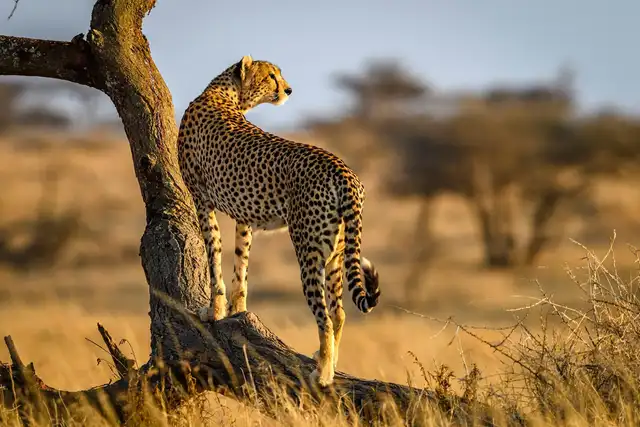
The ultimate guide to Tanzania safaris best times to go, top parks, travel tips, sample itineraries, and expert advice for unforgettable adventures.
Tanzania safaris offer one of the most diverse and exhilarating wildlife experiences in Africa, drawing travelers from around the world to its iconic landscapes and rich ecosystems. From the endless plains of the Serengeti to the dramatic depths of Ngorongoro Crater, Tanzania’s safari circuits are designed to showcase nature at its most raw and spectacular. Whether you're chasing the Great Migration, tracking big cats, or birdwatching in lush wetlands, every moment on Tanzania safaris is shaped by the rhythm of the wild. The country’s well-developed infrastructure, expert guides, and variety of accommodations from luxury lodges to mobile camps make it accessible to all traveler types, from honeymooners to backpackers.
Planning the perfect Tanzania safaris requires understanding the seasons, choosing the right parks, and matching your travel style to the experience. Dry months offer peak wildlife visibility and dramatic predator-prey interactions, while the green season reveals lush scenery and calving spectacles. Travelers can fly into major hubs like Kilimanjaro or Dar es Salaam and connect to remote parks via domestic flights or scenic road transfers. With options ranging from classic lodge safaris to immersive mobile camping and private guided adventures, Tanzania safaris can be tailored to suit every interest and budget. This guide explores the best times to go, how to get there, top parks, sample itineraries, and expert tips for a seamless trip
Best Tanzania Safaris now
2-days-fly-in-serengeti-safari-in-tanzania
2-days-tarangire-national-park-and-ngorongoro-crater-safari
3-days-tanzania-safari-in-serengeti-national-park
3-days-tanzania-wildlife-safari
4-days-epic-tanzania-wildlife-and-culture-safari
5-day-kenya-and-tanzania-safari
5-days-circuit-wildlife-safari-in-tanzania
6-days-ndutu-migration-safari-calving-season
8-day-serengeti-ngorongoro-crater-and-zanzibar
8-days-wildlife-and-beach-holiday-tanzania
8-days-wildlife-safari-tanzania
9-days-zanzibar-and-wildlife-safari
10-days-uganda-and-tanzania-safari-gorillas-chimpanzees-and-wildlife
Best Time to Go for Tanzania Safaris for Best Experience
Dry Season from June – October BEST for general game viewing.
The dry season is widely considered the prime time for Tanzania safaris, especially for travelers seeking exceptional wildlife viewing. From June to October, animals gather around dwindling water sources, making sightings more predictable and thrilling. The skies remain clear, temperatures are comfortable, and mosquito activity is minimal ideal conditions for game drives. Tanzania safaris during this period also coincide with the dramatic river crossings of the Great Migration in the Northern Serengeti, typically peaking in July and August. However, this is also the busiest and most expensive time to visit, with lodges and parks at full capacity. For those prioritizing wildlife density and photographic clarity, Tanzania safaris in the dry season deliver unmatched rewards despite the crowds.
Green Season November – May
The wet season transforms Tanzania safaris into a lush, vibrant spectacle, especially from November to February. Known as the “Green Season,” this period offers stunning landscapes, fewer tourists, and excellent birding opportunities. Tanzania safaris during this time are more affordable, with many lodges offering discounted rates. January and February mark the calving season in the Southern Serengeti, where thousands of wildebeest give birth, drawing predators and offering dramatic wildlife interactions. While short rains may occur, they rarely disrupt travel. However, from March to May, heavy rains can make some roads impassable and lead to temporary lodge closures. For travelers seeking serenity, rich scenery, and unique wildlife behavior, Tanzania safaris in the wet season offer a quieter, more intimate experience.
Shoulder Months Late May and Early November
For travelers seeking balance between wildlife activity and affordability, the shoulder months of late May and early November offer underrated windows for Tanzania safaris. These transitional periods blend the benefits of both wet and dry seasons landscapes are still green, wildlife is active, and crowds are thinner. Tanzania safaris during these months often come with reduced rates and more flexible availability at lodges. While brief rains may occur, they rarely disrupt game drives, and the scenery remains photogenic. Migratory birds begin to arrive in November, adding diversity to sightings. For photographers and seasoned safari-goers, Tanzania safaris in shoulder months provide a quieter, more relaxed rhythm without sacrificing the essence of the experience.
Special Interest Safaris Birding, Photography, Calving
Timing your Tanzania safaris around niche interests can elevate the entire experience. Birding safaris thrive from November to April, when migratory species arrive and breeding plumage is at its peak. Photography-focused Tanzania safaris benefit from the soft light and dramatic skies of the green season, especially in Ndutu and Tarangire. Calving season in January and February offers intense predator-prey drama, ideal for wildlife enthusiasts and filmmakers. Even during the rains, certain regions like the Ngorongoro Crater remain accessible and rewarding. Tanzania safaris tailored to specific passions allow travelers to go beyond the typical game drive and engage deeply with the rhythms of nature.
Best way to get to Tanzania safaris by all travellers
International Access Points
For most travelers, the best way to begin Tanzania safaris is by flying into one of the country’s major international airports Kilimanjaro International Airport (JRO) near Arusha or Julius Nyerere International Airport (DAR) in Dar es Salaam. Kilimanjaro is ideal for accessing the Northern Circuit, including Serengeti, Ngorongoro, and Tarangire, while Dar es Salaam serves those heading to Southern parks like Ruaha or Selous. Tanzania safaris often start with a short domestic flight or a scenic road transfer from these hubs. Travelers from Europe, North America, and Asia can connect via major airlines such as Qatar Airways, KLM, Turkish Airlines, or Ethiopian Airlines, which offer reliable routes into Tanzania.
Domestic Flights and Transfers
Once in-country, domestic flights are the most efficient way to reach remote safari destinations. Airlines like Coastal Aviation, Auric Air, and Flightlink operate scheduled and chartered flights to airstrips within national parks and conservancies. For Tanzania safaris in the Serengeti or Ruaha, flying saves time and offers stunning aerial views of the landscape. Road transfers are also common, especially for travelers on budget or overland itineraries. Arusha and Mwanza serve as key gateways for road-based Tanzania safaris, with 4x4 vehicles and experienced guides ensuring safe passage across rugged terrain. Combining flights and road transfers allows for flexible, customized safari planning.
Regional Combinations and Entry Options
For travelers combining Tanzania safaris with neighboring countries like Kenya, Rwanda, or Uganda, regional flights and border crossings are straightforward. The Namanga and Isebania borders connect Kenya’s safari circuits with Tanzania’s Northern parks, while flights from Nairobi to Kilimanjaro or Zanzibar are frequent. East African Tourist Visas simplify multi-country travel. Tanzania safaris can also be paired with beach extensions in Zanzibar or lake retreats in Malawi, with ferry and flight options available. Whether arriving by air, road, or sea, Tanzania safaris are accessible to all traveler types from luxury seekers to backpackers thanks to a well-developed network of entry points and transport options
Best travel styles for your Tanzania safaris
Tanzania safaris offer a wide spectrum of styles to suit every traveler’s comfort level, budget, and sense of adventure. Lodge safaris are ideal for those who prioritize amenities and relaxation, with hot showers, Wi-Fi, and even swimming pools available in many properties. These are especially popular among families and honeymooners who want a seamless experience. Tented camp safaris, on the other hand, immerse guests in the wild without sacrificing comfort ranging from rustic bush camps to ultra-luxury canvas suites in prime wildlife zones. Tanzania safaris in tented camps deliver the quintessential “Out of Africa” ambiance, where the sounds of lions and hyenas echo through the night, offering an unforgettable sensory experience.
For travelers seeking deeper immersion, mobile camping safaris and private guided safaris elevate Tanzania safaris to a more personalized and adventurous level. Mobile camps follow wildlife movements, especially during the Great Migration, placing guests right in the heart of the action. Though facilities are basic, the proximity to nature is unmatched. Private guided safaris offer full flexibility, with expert guides tailoring each day to your interests perfect for photographers or those with niche wildlife goals. Meanwhile, group joining safaris remain the most budget-friendly option, ideal for solo travelers or backpackers. These Tanzania safaris follow fixed itineraries and shared vehicles, offering affordability without compromising on core wildlife experiences
Top Tanzania safari park you must visit on Tanzania safaris
Serengeti National Park
Serengeti National Park is the crown jewel of Tanzania safaris, renowned for its vast plains and the awe-inspiring Great Migration. Every year, over a million wildebeest, zebras, and gazelles traverse the ecosystem in search of fresh grazing, followed closely by predators. Tanzania safaris in the Serengeti offer classic game drives, balloon safaris, and photographic opportunities unmatched anywhere else. The park’s diversity includes lions, cheetahs, elephants, and over 500 bird species. Whether visiting during the dry season for river crossings or the green season for calving, Serengeti remains a must-see highlight on all Tanzania safaris.
Ngorongoro Crater
Ngorongoro Crater is a UNESCO World Heritage Site and one of the most unique destinations on Tanzania safaris. Formed from a collapsed volcano, the crater hosts a dense concentration of wildlife within its 260-square-kilometer floor. Tanzania safaris here promise sightings of the Big Five, including rare black rhinos, in a dramatic setting of grasslands, forests, and soda lakes. The crater’s enclosed geography makes it ideal for short, high-impact game drives. Its proximity to the Serengeti and Lake Manyara makes it a strategic stop on Northern Circuit Tanzania safaris.
Tarangire National Park
Tarangire National Park is often overshadowed by its famous neighbors but offers a distinct experience on Tanzania safaris. Known for its massive baobab trees and large elephant herds, Tarangire is especially rewarding during the dry season when wildlife congregates around the Tarangire River. Tanzania safaris here are quieter and more intimate, with excellent birding and sightings of lions, leopards, and even tree-climbing pythons. The park’s varied terrain and seasonal migration patterns make it a valuable addition to multi-park Tanzania safaris.
Lake Manyara National Park
Lake Manyara National Park is a compact gem that adds diversity to Tanzania safaris. Famous for its tree-climbing lions and flamingo-filled lake, the park offers lush groundwater forests, open plains, and hot springs. Tanzania safaris in Manyara are ideal for birdwatchers and those seeking a scenic contrast to the savannahs of Serengeti and Tarangire. Its accessibility from Arusha makes it a popular first or last stop on Northern Circuit Tanzania safaris, especially for short itineraries or family-friendly adventures.
Nyerere (Selous) and Ruaha National Parks
For off-the-beaten-path Tanzania safaris, Nyerere (formerly Selous) and Ruaha National Parks in the south offer wild, remote experiences. Nyerere is Africa’s largest game reserve, known for boat safaris, walking safaris, and rich predator populations. Ruaha, with its rugged landscapes and high lion density, is a favorite among seasoned safari-goers. Tanzania safaris in these parks are less crowded and more adventurous, ideal for travelers seeking authenticity and solitude. Combining these southern parks with the north creates a well-rounded Tanzania safaris itinerary
Other best parks to visit on Tanzania safaris
Beyond the well-known parks, Tanzania safaris offer a rich tapestry of lesser-visited reserves that deliver exceptional wildlife and scenery. Parks like Mikumi, Saadani, Burigi-Chato, and Ibanda-Kyerwa provide unique ecosystems and fewer crowds, ideal for travelers seeking offbeat adventures. Mikumi, often called a mini-Serengeti, is easily accessible from Dar es Salaam and offers reliable game viewing. Saadani is the only park bordering the Indian Ocean, blending beach and bush experiences perfect for combining Tanzania safaris with coastal relaxation. Burigi-Chato and Ibanda-Kyerwa, located in the remote northwest, are emerging destinations with pristine landscapes and growing infrastructure, ideal for exploratory safaris and conservation-focused travel.
Other notable additions to Tanzania safaris include Kitulo National Park, famed for its wildflowers and montane meadows, and Udzungwa Mountains, a biodiversity hotspot for hiking and primate viewing. Rubondo Island National Park in Lake Victoria offers a rare mix of forest, water, and wildlife, including chimpanzees and sitatungas. Mkomazi National Park, bordering Kenya, is a rhino sanctuary and excellent for dry-country species. These parks may not feature on every itinerary, but they enrich Tanzania safaris with diversity, ecological depth, and cultural nuance. For travelers seeking authenticity, scientific interest, or solitude, these destinations offer compelling reasons to go beyond the mainstream
Best things to do on during Tanzania safaris
Tanzania safaris offer far more than just game drives they’re immersive journeys into diverse ecosystems, cultures, and sensory experiences. From the moment travelers enter the bush, they’re enveloped in a rhythm dictated by nature: sunrise departures, golden light filtering through acacia trees, and the distant roar of lions. The thrill of tracking wildlife with expert guides is unmatched, whether it’s spotting elusive leopards in Ruaha or watching elephants cross the Tarangire River. Tanzania safaris also allow for intimate encounters with smaller creatures dung beetles, colorful birds, and curious mongoose adding depth to the big game spectacle.
Beyond the vehicle, walking safaris offer a visceral connection to the land. In parks like Selous and Serengeti’s private concessions, travelers can explore on foot, learning about animal tracks, medicinal plants, and the subtle signs of the wild. These walks, led by armed rangers and naturalists, transform Tanzania safaris into educational and adrenaline-filled adventures. For those drawn to water, boat safaris in Nyerere National Park glide past hippos and crocodiles, offering a fresh perspective and tranquil pace. The blend of land and water activities ensures that Tanzania safaris cater to varied interests and energy levels.
Cultural immersion is another cornerstone of Tanzania safaris. Visits to Maasai villages, Hadzabe hunter-gatherer communities, or Chagga settlements near Kilimanjaro provide insight into traditional lifestyles and resilience. These interactions, when done ethically and respectfully, enrich the safari experience and foster cross-cultural understanding. Tanzania safaris that include cultural components often leave travelers with lasting impressions beyond wildlife—stories of song, dance, craftsmanship, and communal wisdom. They also support local economies and conservation efforts, reinforcing the value of responsible tourism.
For photographers and romantics, Tanzania safaris deliver unforgettable moments: sundowners on kopjes, golden-hour silhouettes of giraffes, and starlit dinners in remote bush camps. Balloon safaris over the Serengeti offer sweeping views of the plains and migrating herds, while private mobile camps allow for flexible, intimate itineraries. Tanzania safaris can be tailored to celebrate honeymoons, anniversaries, or solo retreats, with luxury lodges offering spa treatments, plunge pools, and curated experiences. The sensory richness from the scent of wild basil to the crackle of campfires makes every day feel cinematic.
Finally, conservation-focused Tanzania safaris invite travelers to engage with the future of Africa’s wild spaces. Visits to rhino sanctuaries, anti-poaching units, or community-run conservancies reveal the challenges and triumphs of protecting biodiversity. Travelers can participate in citizen science, support rewilding projects, or simply choose operators committed to sustainability. These safaris go beyond sightseeing they’re about stewardship, learning, and legacy. Whether it’s a first-time visitor or a seasoned explorer, Tanzania safaris offer layered experiences that evolve with each trip, always grounded in the magic of the land
How long to spend on Tanzania safaris
The ideal duration for Tanzania safaris ranges from 7 to 12 days, depending on the traveler’s interests, budget, and the regions being explored. A well-paced itinerary typically includes 2–3 nights in each major park such as Serengeti, Ngorongoro Crater, and Tarangire allowing time for varied game drives, relaxation, and optional activities like walking or balloon safaris. Shorter trips of 5–6 days can still deliver rewarding experiences, especially on the Northern Circuit, while longer safaris of 10+ days are perfect for combining remote parks like Ruaha or Nyerere with cultural visits or beach extensions in Zanzibar. Tanzania safaris benefit from slow travel, giving wildlife encounters time to unfold naturally and ensuring travelers absorb the full magic of each ecosystem
Best Sample Itineraries for Tanzania Safaris
5-Day Classic Northern Circuit
This compact itinerary is perfect for travelers seeking a high-impact introduction to Tanzania safaris. Starting in Tarangire National Park, guests enjoy elephant herds and baobab-studded landscapes before transferring to the Central Serengeti for two nights of thrilling game drives. Day three offers full immersion in the Serengeti’s predator-rich plains, followed by a descent into the Ngorongoro Crater home to the Big Five and rare black rhinos. The final day includes an optional visit to Lake Manyara, known for tree-climbing lions and flamingos, before departure. This Tanzania safaris route balances iconic wildlife, scenic diversity, and logistical ease, making it ideal for first-time visitors or those with limited time who still want to experience the essence of the Northern Circuit.
7-Day Northern Circuit with Migration Focus
Tailored for travelers chasing one of nature’s greatest spectacles, this itinerary aligns with the seasonal movements of the Great Migration. In July and August, Tanzania safaris head to the Northern Serengeti for dramatic river crossings at the Mara River, while January and February focus on the Southern Serengeti’s calving season, where thousands of wildebeest give birth and predators abound. The route includes strategic stops in Tarangire, Ngorongoro, and Serengeti regions, with flexible pacing to maximize wildlife encounters. This Tanzania safaris plan is ideal for photographers, wildlife enthusiasts, and return visitors who want to witness migration drama in real time, supported by expert guiding and prime-location camps.
8-Day Southern Circuit Wilderness
For those craving solitude and raw wilderness, this itinerary explores Tanzania safaris beyond the beaten path. Guests fly into Nyerere National Park (formerly Selous) for three nights of boat safaris, walking excursions, and classic game drives along the Rufiji River. Then, a short flight takes them to Ruaha National Park, known for its rugged terrain, high predator density, and baobab forests. With three nights in Ruaha, travelers enjoy intimate wildlife viewing and fewer crowds. The journey ends with a return to Dar es Salaam. This Tanzania safaris route is perfect for seasoned safari-goers, conservation-minded travelers, and those seeking immersive, low-impact experiences in remote, ecologically rich landscapes
Best budget guide, cost of Tanzania safaris
The cost of Tanzania safaris in 2025 varies widely depending on travel style, season, and park selection. Budget safaris typically start around $200–$250 per person per day, offering basic lodges or camping and shared game drives. Mid-range Tanzania safaris average $350–$600 daily, with comfortable accommodations, private guides, and more flexible itineraries. Luxury safaris can exceed $1,000–$1,500 per day, featuring high-end lodges, fly-in access, gourmet dining, and exclusive experiences like balloon safaris or private conservancies. Prices also fluctuate with seasonality peak months like July to October command higher rates, while green season offers discounts. Overall, Tanzania safaris can be tailored to suit diverse budgets without compromising on wildlife richness or scenic beauty
Getting involved in eco-tourism during Tanzania safaris
Getting involved in eco-tourism during Tanzania safaris means actively supporting conservation and community-based travel while enjoying the country’s natural beauty. Travelers can choose eco-lodges that use solar power, minimize waste, and employ local staff, ensuring their stay contributes directly to the region. Participating in low-impact activities like walking safaris, birding, and cultural visits helps preserve fragile ecosystems and traditions. Many Tanzania safaris also offer opportunities to engage with conservation projects such as rhino sanctuaries, anti-poaching units, or reforestation efforts where guests learn and contribute meaningfully. By prioritizing ethical operators and sustainable practices, Tanzania safaris become more than just wildlife viewing they become a force for protecting biodiversity and empowering local communities
Top health, safety and cultural tips for Tanzania safaris
Health, safety, and cultural awareness are essential for a smooth and respectful experience during Tanzania safaris. Travelers should consult a travel clinic before departure for recommended vaccinations such as yellow fever, hepatitis A and B, and typhoid, and consider malaria prophylaxis depending on the region and season. Carrying a personal medical kit with essentials like insect repellent, antihistamines, and rehydration salts is wise, especially in remote areas. Staying hydrated, using sun protection, and dressing in breathable, neutral-colored clothing helps prevent fatigue and insect bites. Tanzania safaris often involve long drives and variable terrain, so travelers should follow guide instructions, wear seatbelts, and avoid wandering off during bush walks or game drives.
Culturally, Tanzania safaris offer opportunities to engage with diverse communities, including Maasai, Chagga, and Hadzabe groups. Respectful behavior is key ask before taking photos, dress modestly in villages, and learn a few Swahili phrases to show appreciation. Tipping guides, drivers, and lodge staff is customary and appreciated, with small amounts going a long way. Travelers should also be mindful of local customs around food, greetings, and religious practices, especially in coastal or Muslim-majority areas. By observing etiquette and supporting local businesses, Tanzania safaris become not just wildlife adventures but meaningful cultural exchanges that foster mutual respect and understanding
Best places to stay in during Tanzania safaris
Tanzania safaris offer a wide range of accommodation options, from ultra-luxury lodges to mobile camps and eco-retreats, each tailored to different traveler styles. In the Serengeti, top choices include tented camps like Lemala Nanyukie, Singita Mara River, and Serengeti Safari Camp, which offer prime access to migration routes and intimate wildlife viewing. Ngorongoro Crater lodges such as The Highlands and Ngorongoro Serena provide dramatic views and quick access to the crater floor. Tarangire’s standout properties like Chem Chem Lodge and Oliver’s Camp blend luxury with authentic bush immersion. These lodges and camps are designed to enhance Tanzania safaris with comfort, location, and personalized service, often including private guides, sundowners, and cultural experiences.
For travelers seeking remote or eco-conscious stays, southern and western parks offer exceptional options. In Ruaha, Jabali Ridge and Kwihala Camp deliver rugged elegance and high predator density, while Nyerere’s Beho Beho and Sand Rivers offer walking safaris and riverfront views. Katavi’s Chada Katavi and Mahale’s Greystoke Mahale provide rare access to chimpanzees and untouched wilderness. Budget-conscious travelers can opt for semi-permanent camps, community-run lodges, or group-friendly accommodations like Africa Safari Lake Manyara or Kati Kati Camp. Whether prioritizing luxury, authenticity, or sustainability, Tanzania safaris offer accommodations that elevate the experience and match the rhythm of each traveler’s trip
Why book Tanzania safaris with Lamz Tours and Travel
Booking Tanzania safaris with Lamz Tours and Travel ensures a seamless, personalized, and ethically grounded travel experience crafted by experts who live and breathe East African adventure. With deep regional knowledge and a commitment to authentic, value-driven itineraries, Lamz Tours and Travel designs journeys that match each traveler’s style whether it’s luxury lodge stays, immersive tented camps, or remote mobile safaris. Our strategic planning covers everything from seasonal timing and logistics to cultural etiquette and eco-conscious choices, making Tanzania safaris not just memorable but meaningful. Travelers benefit from insider access, trusted local partnerships, and a team that prioritizes safety, sustainability, and storytelling at every turn
Ready to plan your safari?
Talk to a Lamz Tours specialist and get a tailor-made quote.
Make an enquiry