Kenya Tanzania safaris guide: plan budgets, best seasons, top parks like Masai Mara and Serengeti, plus tips for wildlife, culture, and lodging.
Kenya Tanzania safaris represent the ultimate African adventure, combining two of the continent’s most iconic safari destinations into one seamless tour. These safaris allow travelers to experience the dramatic savannahs of Kenya alongside the endless plains of Tanzania, creating a diverse itinerary filled with wildlife encounters, cultural immersion, and breathtaking scenery. From the predator-rich Masai Mara to the Serengeti’s Great Migration, every day offers a new spectacle. The Ngorongoro Crater adds a unique ecosystem with dense populations of animals, while Amboseli provides unforgettable views of elephants against the backdrop of Mount Kilimanjaro. Together, these destinations form the backbone of East Africa’s safari circuit, offering unmatched opportunities for photography, adventure, and discovery.
Planning Kenya Tanzania safaris requires careful consideration of timing, budget, and routing to maximize the experience. Peak seasons, such as the Great Migration months, deliver dramatic wildlife action but require early booking due to high demand. Shoulder and green seasons, on the other hand, provide quieter parks and more affordable rates, appealing to travelers who value privacy and cost savings. Whether choosing budget camping, mid-range lodges, or ultra-luxury accommodations, the safari experience can be tailored to suit different preferences. With expert guidance, Kenya Tanzania safaris become more than just trips they transform into unforgettable journeys across Africa’s most celebrated landscapes
Our best Kenya Tanzania safaris
4-days-masai-mara-and-lake-nakuru-safari
4-days-wildlife-safari-in-kenya
5-days-amboseli-and-tsavo-west-wildlife-safari
6-days-wildlife-safari-in-kenya
7-day-luxury-kenya-safari-holiday
7-days-kenya-wildlife-safari-tour
2-days-fly-in-serengeti-safari-in-tanzania
2-days-tarangire-national-park-and-ngorongoro-crater-safari
3-days-tanzania-safari-in-serengeti-national-park
3-days-tanzania-wildlife-safari
4-days-epic-tanzania-wildlife-and-culture-safari
5-day-kenya-and-tanzania-safari
5-days-circuit-wildlife-safari-in-tanzania
6-days-ndutu-migration-safari-calving-season
Getting start to plan your Kenya Tanzania safaris
The first step in planning Kenya Tanzania safaris is to determine your budget and travel dates. Costs vary widely depending on whether you choose camping, mid-range lodges, or luxury accommodations, so setting a clear budget helps narrow options. Once finances are outlined, decide on your must-see experiences, such as the Great Migration in the Serengeti or predator action in the Masai Mara. Kenya Tanzania safaris are highly seasonal, so aligning your travel dates with wildlife events ensures maximum value. Early planning also allows you to secure flights and accommodations that match your preferences.
Selecting a reputable operator with strong reviews is essential for Kenya Tanzania safaris, as quality guiding and logistics make a big difference. For peak migration months, plan at least 6–12 months ahead to secure prime lodges and camps. Consulting with a safari specialist ensures your routing is customized, balancing wildlife viewing with cultural visits or beach extensions. Kenya Tanzania safaris benefit from expert input, as specialists know which parks combine well and how to minimize travel time. With budget, dates, operator, and routing in place, you’ll have a solid foundation for a smooth and rewarding safari experience
Best time to go and experience Kenya Tanzania safaris
Great Migration Viewing Jul–Oct, Dec–Jul
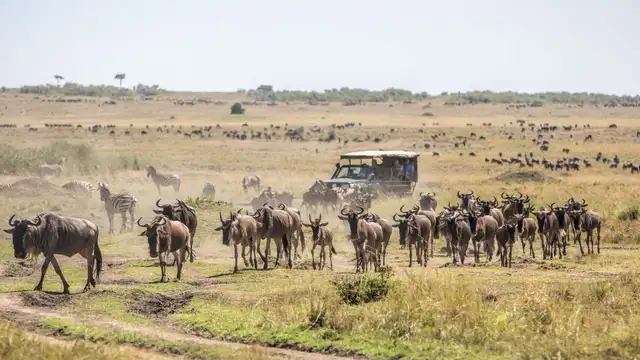
The Great Migration is one of the main reasons travelers plan Kenya Tanzania safaris. From July to October, the Mara River crossings in Kenya offer dramatic wildlife action as thousands of wildebeest and zebras move through crocodile-filled waters. Between December and July, the Serengeti in Tanzania becomes the stage for calving season, where herds spread across the plains and predators follow closely. Kenya Tanzania safaris during these months guarantee high wildlife activity, making them ideal for photographers and nature lovers. Planning ahead is important, as accommodations near the Mara or Serengeti fill quickly. Early booking ensures you secure the best camps and lodges close to migration routes.
Dry Season from Jun–Oct
The dry season is widely considered the most reliable time for Kenya Tanzania safaris. With little rainfall, animals gather around waterholes, making sightings easier and more predictable. Fewer mosquitoes also reduce the risk of malaria, which is a practical concern for many travelers. Kenya Tanzania safaris in this period provide clear skies, comfortable temperatures, and excellent visibility for game drives. Roads are more accessible, and camps remain open, offering smooth logistics for multi-park itineraries. While prices are higher due to demand, the quality of wildlife viewing justifies the investment. Travelers should prepare for cooler mornings and evenings, especially in higher-altitude parks like the Ngorongoro Crater.
Shoulder Seasons Jan–Mar, Nov
Shoulder seasons are perfect for travelers who want Kenya Tanzania safaris without heavy crowds. From January to March and in November, lodges often offer lower rates, making trips more affordable. Wildlife remains active, and guides have more time to personalize experiences since fewer visitors are around. Kenya Tanzania safaris during these months also allow flexibility in combining parks and beaches, as availability is better. While the migration may not be at its peak, predator sightings and resident wildlife are still rewarding. This period is ideal for travelers who value privacy, cost savings, and a more relaxed pace. It balances good wildlife viewing with budget-friendly options.
Green Season Apr–May
The green season brings rains, transforming landscapes into vibrant plains that attract birdlife. Kenya Tanzania safaris in April and May are best for travelers who enjoy quieter parks and discounted rates. Wildlife is still present, though herds may spread out, making sightings less concentrated. Kenya Tanzania safaris at this time are excellent for birdwatchers, as migratory species arrive and breeding activity peaks. Photographers benefit from dramatic skies and rich colors, though vehicles may face muddy conditions. Lodges often provide special offers, making luxury stays more accessible. Travelers should pack waterproof gear and expect occasional showers, but the rewards include peaceful parks and unique photographic opportunities.
Top parks to visit in Kenya during Kenya Tanzania safaris
Masai Mara National Reserve
Masai Mara National Reserve is one of the most recognized wildlife areas in Africa and a highlight of Kenya Tanzania safaris. Known for its vast savannahs and rich wildlife populations, it offers year-round game viewing, with the Great Migration between July and October being the most dramatic spectacle. Lions, cheetahs, leopards, elephants, and large herds of wildebeest and zebras dominate the plains. Kenya Tanzania safaris here are enhanced by the reserve’s accessibility and wide range of accommodations, from luxury lodges to tented camps. Travelers benefit from excellent guiding and the chance to witness predator-prey interactions in open landscapes. The Mara also connects with Tanzania’s Serengeti, making it ideal for cross-border safari itineraries that maximize wildlife diversity and seasonal migration experiences.
Amboseli National Park
Amboseli National Park is famous for its large elephant herds and the striking backdrop of Mount Kilimanjaro, making it a must-see during Kenya Tanzania safaris. The park’s open plains and swamps provide reliable sightings of elephants, buffalo, giraffes, and predators. Kenya Tanzania safaris in Amboseli are particularly rewarding for photographers, as the snow-capped peak of Kilimanjaro creates dramatic scenery behind wildlife. Birdwatchers also enjoy the park, with over 400 species recorded. Its compact size allows for concentrated game viewing, and the park is accessible from Nairobi, making it easy to combine with other destinations. Lodges and camps around Amboseli offer views of Kilimanjaro, adding to the experience. The park’s balance of landscapes, wildlife, and cultural interactions with the Maasai community enriches every visit.
Samburu National Reserve
Samburu National Reserve offers a different safari experience compared to southern Kenya, making it an important stop in Kenya Tanzania safaris. Located in the semi-arid north, it is home to the “Special Five” species: Grevy’s zebra, Somali ostrich, reticulated giraffe, gerenuk, and Beisa oryx. Kenya Tanzania safaris here highlight unique wildlife adapted to dry conditions, alongside elephants, lions, and leopards. The Ewaso Ng’iro River runs through the reserve, attracting animals and providing excellent viewing opportunities. Samburu is less crowded than the Mara, offering a more intimate safari atmosphere. Visitors also gain cultural insights from the Samburu people, whose traditions add depth to the experience. The reserve’s rugged terrain and distinctive species make it a valuable addition to itineraries seeking diversity beyond the classic savannah.
Lake Nakuru National Park
Lake Nakuru National Park is renowned for its birdlife, especially flamingos that gather along the alkaline lake, and it is a key stop during Kenya Tanzania safaris. The park also protects endangered species such as black and white rhinos, making it vital for conservation-focused travelers. Kenya Tanzania safaris here combine birdwatching with big game viewing, including lions, leopards, and giraffes. The park’s compact size allows for efficient game drives, and its proximity to Nairobi makes it accessible for shorter trips. Scenic viewpoints like Baboon Cliff provide panoramic views of the lake and surrounding landscapes. Lake Nakuru is also fenced, offering a safe environment for rhinos and other wildlife. Its mix of birdlife, predators, and rare species ensures travelers experience variety within a manageable area.
Tsavo East and West National Parks
Tsavo East and West together form one of the largest protected wilderness areas in Kenya, making them essential for extended Kenya Tanzania safaris. Tsavo East is known for its red-dust elephants and wide open plains, while Tsavo West offers dramatic landscapes with volcanic hills, lava flows, and the Mzima Springs. Kenya Tanzania safaris in Tsavo provide a sense of raw wilderness, with fewer crowds compared to other parks. Wildlife includes lions, leopards, buffalo, giraffes, and diverse bird species. The parks are ideal for travelers seeking vast, untamed areas and longer safari drives. Lodges and camps are spread across the parks, offering varied experiences from remote bush stays to comfortable lodgings. Tsavo’s scale and diversity make it perfect for travelers who want authentic, wide-ranging safari adventures.
Best parks to visit in Tanzania during Kenya Tanzania safaris
Serengeti National Park
Serengeti National Park is the heart of Tanzania’s safari experience and a key highlight of Kenya Tanzania safaris. Its endless plains host the Great Migration, where millions of wildebeest and zebras move across the landscape in search of fresh grazing. Kenya Tanzania safaris here provide unmatched wildlife viewing, with predators such as lions and cheetahs following the herds. The park is vast, allowing travelers to explore different regions, from central Serengeti’s year-round game to the western corridor and northern areas near the Mara River. Accommodation ranges from mobile camps that follow the migration to permanent lodges offering comfort and convenience. The Serengeti’s scale and wildlife density make it one of the most rewarding safari destinations in Africa.
Ngorongoro Crater
Ngorongoro Crater is the world’s largest intact caldera and a unique stop during Kenya Tanzania safaris. Its enclosed ecosystem supports a dense population of animals, including lions, elephants, buffalo, and rhinos. Kenya Tanzania safaris here are ideal for travelers who want concentrated game viewing in a compact area. The crater floor combines grasslands, swamps, and forests, offering diverse habitats within a single drive. Scenic viewpoints along the rim provide panoramic views before descending into the crater. Because wildlife rarely leaves the area, sightings are consistent throughout the year. Lodges on the crater rim offer dramatic sunrise and sunset views, adding to the experience. Ngorongoro is also part of the broader conservation area, which connects to the Serengeti, making it easy to combine both destinations.
Tarangire National Park
Tarangire National Park is known for its massive elephant herds and striking baobab trees, making it a distinctive stop during Kenya Tanzania safaris. Wildlife congregates around the Tarangire River, especially in the dry season, creating excellent viewing opportunities. Kenya Tanzania safaris here showcase elephants in large numbers, alongside lions, leopards, giraffes, and diverse birdlife. The park is less crowded than Serengeti or Ngorongoro, offering a quieter safari atmosphere. Its landscapes of rolling hills, river valleys, and ancient baobabs provide a different visual appeal compared to other parks. Tarangire is also accessible from Arusha, making it easy to include in northern circuit itineraries. For travelers seeking variety and fewer crowds, Tarangire delivers both wildlife richness and unique scenery.
Lake Manyara National Park
Lake Manyara National Park is famous for its tree-climbing lions and diverse habitats, making it a valuable addition to Kenya Tanzania safaris. The park’s alkaline lake attracts flamingos and other bird species, while forests and grasslands support elephants, hippos, and giraffes. Kenya Tanzania safaris here are compact yet rewarding, with game drives offering a mix of birdwatching and big game viewing. The park’s location near Arusha makes it a convenient stop before heading to Serengeti or Ngorongoro. Scenic viewpoints provide wide views of the Rift Valley escarpment and the lake. Though smaller than other parks, Lake Manyara’s variety of wildlife and landscapes ensures travelers experience something different. Its tree-climbing lions remain a rare and memorable sight for visitors.
Selous/Nyerere Game Reserve
Selous, now officially Nyerere National Park, is part of Tanzania’s Southern Circuit and offers remote wilderness experiences during Kenya Tanzania safaris. Covering vast areas of rivers, lakes, and woodlands, it is home to elephants, lions, wild dogs, and hippos. Kenya Tanzania safaris here focus on adventure and solitude, as the reserve is less visited compared to northern parks. Boat safaris along the Rufiji River provide close views of crocodiles and hippos, while walking safaris allow travelers to explore on foot with guides. The park’s scale and diversity make it ideal for those seeking authentic wilderness away from crowds. Lodges and camps are fewer, emphasizing exclusivity and privacy. Selous/Nyerere is perfect for travelers wanting a deeper, more remote safari experience.
How to get there to Kenya Tanzania safaris
Reaching Kenya Tanzania safaris begins with international flights into major hubs like Nairobi in Kenya and Kilimanjaro or Dar es Salaam in Tanzania. Nairobi’s Jomo Kenyatta International Airport and Kilimanjaro International Airport are the most common entry points, with daily connections from Europe, the Middle East, and North America. Once you arrive, domestic flights operated by regional carriers link you to safari gateways such as the Masai Mara, Amboseli, Serengeti, and Ngorongoro. Kenya Tanzania safaris are easier when you plan flights in advance, as small aircraft have strict baggage limits and schedules that fill quickly. Travelers should also check visa requirements, which differ between the two countries, and ensure they carry valid travel documents before arrival.
The parks for Kenya Tanzania safaris can also be done by road, which offers flexibility and the chance to see rural landscapes along the way. In Kenya, safari vehicles drive from Nairobi to destinations like the Masai Mara or Amboseli, while in Tanzania, Arusha serves as the main hub for road transfers to Serengeti, Tarangire, and Ngorongoro. Kenya Tanzania safaris by road are cost-effective for groups and allow stops at towns or viewpoints, though travel times can be long due to road conditions. Private transfers and guided tours are recommended for comfort and safety. Whether by air or road, combining both methods often provides the best balance of convenience and exploration.
Best planning essentials for Kenya Tanzania safaris
When preparing for Kenya Tanzania safaris, visas are the first requirement to address. Travelers need separate visas for Kenya and Tanzania, which are obtainable on arrival for most nationalities, though applying online in advance can save time. It is important to check entry rules before traveling, as regulations may change. Kenya Tanzania safaris also require proof of yellow fever vaccination, especially if crossing borders, since health authorities enforce this strictly. Carrying the vaccination certificate is essential to avoid delays. Malaria is present in both countries, so prophylaxis is strongly recommended. Consulting a doctor before travel ensures you get the right medication and advice tailored to your health needs.
Another key step in planning Kenya Tanzania safaris is securing comprehensive travel insurance. This should cover medical emergencies, evacuation, trip cancellations, and lost belongings, as safari destinations are often remote. Kenya Tanzania safaris involve flights, road transfers, and stays in wilderness areas, so insurance provides peace of mind in case of unexpected issues. Travelers should also pack personal medications, insect repellent, and a basic first-aid kit. Preparing these essentials ensures smoother travel and reduces risks during the safari. With visas, health precautions, and insurance in place, you can focus on enjoying the wildlife and landscapes across both countries
Top best activities to do during Kenya Tanzania safaris
Game drives are the foundation of Kenya Tanzania safaris, offering travelers the chance to see wildlife up close in their natural habitats. Morning and evening drives are the most productive, as animals are more active during cooler hours. Kenya Tanzania safaris provide opportunities to spot lions, elephants, giraffes, zebras, and countless other species across diverse landscapes. Guides use their expertise to track animals and position vehicles for the best viewing. Whether in the open plains of the Serengeti or the rolling savannahs of the Masai Mara, game drives deliver consistent wildlife action. Travelers should prepare with layered clothing, binoculars, and cameras to maximize the experience.
Walking safaris add a different dimension to Kenya Tanzania safaris, allowing travelers to explore on foot with trained guides. This activity emphasizes smaller details often missed from vehicles, such as animal tracks, plants, and birdlife. Kenya Tanzania safaris on foot provide a deeper connection to the environment, with guides sharing knowledge about ecosystems and survival skills. Safety is prioritized, with armed rangers accompanying groups. Walking safaris are available in select areas like Selous/Nyerere in Tanzania and conservancies around the Masai Mara in Kenya. They are ideal for travelers seeking a slower pace and more personal engagement with nature.
Balloon safaris are a unique highlight of Kenya Tanzania safaris, offering aerial views of vast landscapes and wildlife below. At sunrise, hot air balloons lift over the Serengeti or Masai Mara, providing a peaceful and panoramic perspective. Kenya Tanzania safaris from the air reveal herds moving across plains, rivers winding through valleys, and predators stalking prey. After the flight, travelers often enjoy a bush breakfast, adding to the experience. Balloon safaris are more expensive than traditional activities but deliver unmatched photographic opportunities and memorable moments. They are best booked in advance due to limited availability.
Cultural visits enrich Kenya Tanzania safaris by connecting travelers with local communities. Meeting Maasai in Kenya or Hadzabe in Tanzania provides insights into traditional lifestyles, crafts, and customs. Kenya Tanzania safaris that include cultural stops balance wildlife viewing with human stories, offering a fuller understanding of the region. Visitors may tour villages, watch dances, or learn about pastoral practices. These experiences support local economies and promote responsible tourism. Travelers should approach with respect, valuing authenticity over staged performances. Cultural visits add depth to safaris, making them more than just wildlife-focused adventures.
Boat safaris are another exciting option during Kenya Tanzania safaris, especially in areas with rivers and lakes. In Tanzania’s Selous/Nyerere, travelers glide along the Rufiji River to see hippos, crocodiles, and birdlife. In Kenya, Lake Naivasha offers similar opportunities, with views of giraffes and antelope near the shores. Kenya Tanzania safaris on water provide a different angle, allowing close observation of aquatic species and peaceful scenery. They are ideal for birdwatchers and those seeking variety beyond traditional drives. Combining boat safaris with land-based activities ensures a more diverse and rewarding safari itinerary
Best travel itinerary to Kenya Tanzania safaris
A 7–10 day classic safari offers the perfect balance of Kenya and Tanzania highlights. Starting in Nairobi, travelers spend the first three days in the Masai Mara, where vast savannahs and abundant wildlife provide unforgettable game drives. This section of Kenya Tanzania safaris is especially rewarding during the Great Migration, but even outside migration season, predators and resident herds ensure excellent sightings. From the Mara, the itinerary continues with a flight or drive into Tanzania’s Serengeti for two days, where endless plains and dramatic wildlife activity await. Combining these two parks guarantees travelers experience the best of East Africa’s safari landscapes and wildlife diversity.
On day six, the itinerary moves to Ngorongoro Crater, a unique ecosystem with dense populations of lions, elephants, and rhinos. Kenya Tanzania safaris here are efficient, as the crater’s enclosed environment makes sightings consistent. Day seven includes Lake Manyara, famous for tree-climbing lions and birdlife, before ending in Arusha, the safari hub. This itinerary is designed to maximize time in each destination while minimizing travel stress. Kenya Tanzania safaris following this plan provide a well-rounded experience, blending dramatic migration scenes, predator action, and diverse habitats across two countries. It is ideal for travelers seeking both variety and efficiency in a single trip
Best guide to costs for Kenya Tanzania safaris
Kenya Tanzania safaris can be tailored to different budgets, starting with camping options that range between $150–$300 per person, per day. This level covers basic tents, shared facilities, and simple meals, making it suitable for travelers who prioritize wildlife experiences over comfort. Mid-range lodges cost around $300–$600 daily, offering private rooms, better amenities, and guided game drives. Kenya Tanzania safaris at this level balance affordability with comfort, making them popular among families and small groups. Travelers should factor in park fees, transfers, and meals, which are often included in package rates.
Luxury safaris range from $600–$1,500 per person, per day, providing high-end lodges or tented camps with superior service, gourmet dining, and prime locations near wildlife hotspots. Ultra-luxe options exceed $1,500 daily, reaching up to $2,000+, and include exclusive camps, private vehicles, and personalized experiences. Kenya Tanzania safaris in this category emphasize privacy, comfort, and unique touches such as bush dinners or spa treatments. Costs vary depending on season, with peak migration months commanding higher rates. Travelers should book early to secure preferred accommodations, especially in Masai Mara and Serengeti
Best ethical practices for Kenya Tanzania safaris
Kenya Tanzania safaris are most rewarding when travelers choose operators who actively support local communities. This ensures that tourism benefits extend beyond lodges and parks, helping schools, healthcare, and small businesses thrive. Maintaining distance from wildlife is equally important, as close interference can stress animals and disrupt natural behavior. Kenya Tanzania safaris should prioritize safety for both visitors and wildlife, with guides enforcing responsible viewing practices. Avoiding single-use plastics is another key step, as waste management in remote areas is limited. Carrying reusable bottles and bags reduces environmental impact and keeps parks cleaner for future generations.
Respecting cultural protocols when visiting villages adds value to Kenya Tanzania safaris by fostering genuine connections with local traditions. Travelers should dress modestly, ask permission before taking photos, and engage respectfully with hosts. Supporting conservation-focused properties is also vital, as these lodges reinvest in habitat protection and anti-poaching efforts. Kenya Tanzania safaris that emphasize ethical choices create positive outcomes for communities, wildlife, and ecosystems. By combining responsible behavior with thoughtful planning, travelers not only enjoy memorable safaris but also contribute to long-term sustainability across East Africa’s most treasured destinations
Top pro tips for Kenya Tanzania safaris
Kenya Tanzania safaris are best planned with early booking, especially between July and October when the Great Migration peaks and luxury lodges fill quickly. Securing space months in advance ensures you get prime locations near wildlife action. Combining safaris with beach stays in Zanzibar, Lamu, or Mombasa adds relaxation after days of game drives, creating a balanced trip. Kenya Tanzania safaris also benefit from considering shoulder seasons in January–March or November, when rates are lower and crowds are fewer, yet wildlife viewing remains strong. This approach saves money while still delivering rewarding experiences.
Adding cultural visits to Masai villages or local markets enriches Kenya Tanzania safaris by connecting travelers with traditions and daily life. Night game drives, available in certain conservancies, reveal nocturnal species like hyenas, leopards, and bush babies, offering a different perspective. Hot air balloon rides over the Masai Mara or Serengeti are worth the splurge, providing sunrise views of herds moving across the plains. Kenya Tanzania safaris that include these extras go beyond standard game drives, giving travelers variety and deeper engagement with both wildlife and culture. These tips ensure your safari is well-rounded, memorable, and tailored to your interests
What to bring for Kenya and Tanzania safaris
For Kenya Tanzania safaris, packing smart ensures comfort and better wildlife viewing. Neutral-colored clothing such as khaki, green, or beige helps you blend into the environment and avoid attracting insects. Binoculars are essential for spotting animals at a distance, while a quality camera with a zoom lens allows you to capture memorable moments. Sun protection is critical, so carry a wide-brimmed hat, sunglasses, and sunscreen to stay safe during long hours outdoors. Light layers are recommended for cool mornings and evenings, especially in higher-altitude areas like Ngorongoro. With these basics, Kenya Tanzania safaris become smoother, allowing you to focus on the wildlife and landscapes without worrying about discomfort or missing key sightings
Best places to stay in During Kenya and Tanzania safaris
In Tanzania, Four Seasons Safari Lodge Serengeti offers luxury stays with panoramic views of the plains, perfect for travelers seeking comfort while staying close to wildlife action. Ndutu Safari Lodge is another excellent choice, especially during calving season, as it sits in the migration corridor. Africa Safari Maasai Boma provides a more cultural and budget-friendly option, blending traditional Maasai design with safari convenience. These lodges ensure travelers experience both wildlife and authentic local hospitality. Kenya Tanzania safaris benefit from combining such accommodations, balancing luxury with cultural immersion.
In Kenya, Mara Serena Safari Lodge and Royal Mara Safari Lodge are prime choices in the Masai Mara, offering direct access to migration routes and predator-rich areas. For Amboseli, Kibo Safari Camp and Amboseli Serena Safari Lodge provide comfortable stays with views of Mount Kilimanjaro and large elephant herds. Severin Safari Camp in Tsavo adds a wilderness feel, ideal for travelers who want remote experiences. These properties cater to different budgets and preferences, making Kenya Tanzania safaris flexible and rewarding. Booking early ensures availability, especially during peak migration months
Booking Kenya Tanzania safaris with Lamz Tours and Travel
Trusting Lamz Tours and Travel gives travelers confidence when planning Kenya Tanzania safaris, thanks to our expertise in designing routes that cover the Masai Mara, Serengeti, Ngorongoro Crater, and Amboseli. Our team ensures smooth coordination of flights, transfers, and lodge bookings, while tailoring itineraries to match specific budgets and preferences. Kenya Tanzania safaris booked through Lamz Tours and Travel also emphasize responsible tourism, supporting local communities and conservation projects. With early booking, travelers secure prime accommodations during peak migration months, while flexible options allow extensions to beach destinations like Zanzibar or Mombasa. Trustiong Lamz Tours and Travel means your safari is not only well-organized but also impactful, blending wildlife, culture, and sustainability into one seamless experience
Ready to plan your safari?
Talk to a Lamz Tours specialist and get a tailor-made quote.
Make an enquiry