Experience the ultimate guide for excursionists on Kenya and safari adventures, from planning your dream Kenya safari to navigating the best parks, wildlife viewing tips, and essential travel advice, ensuring an unforgettable journey through East Africa's most iconic landscapes.
Kenya is one of Africa's most celebrated safari destinations, offering endless savannah plains, the Great Rift Valley, and stunning Indian Ocean coastlines. A Kenya safari tours takes travellers through landscapes where the Great Migration moves in massive herds, where lions rest on grassy plains, and where elephants roam beneath the shadow of Mount Kilimanjaro. For excursionists seeking the ultimate wildlife experience, understanding the best parks, packing essentials, and safari etiquette is crucial. Whether you are embarking on a safari in Kenya or a longer tours and safaris Kenya itinerary, this guide provides everything you need for a seamless and unforgettable adventure.
Popular Kenya Safari Packages
1. Best Parks for a Kenya Safari
On a safari Kenya, the Maasai Mara National Reserve is the crown jewel, famous for the Great Migration, river crossings, and predators in action. It's a natural starting point for first-time visitors, offering a high chance of seeing the Big Five, especially during the migration months. For marine enthusiasts, Watamu Marine National Park and Reserve offers vibrant coral reefs and over 600 fish species. South Island National Park in Lake Turkana provides a completely different experience with its rugged volcanic island and large Nile crocodile populations. For those seeking a Kenya safaris from Nairobi experience, Buffalo Springs National Reserve and Samburu National Reserve are accessible and offer unique northern species. Boni National Reserve and Arawale National Reserve provide remote coastal forest and dry savannah experiences.
2. Best Time for a Kenya Safari
The best time for a Kenya safari packages is during the dry season from July to October, offering clear skies, sparse vegetation, and excellent wildlife viewing as animals gather around water sources. This is the peak season for witnessing the Great Migration in the Maasai Mara. The quieter green season from November to June has lush landscapes, fantastic birdlife, and lower prices—offering excellent value without compromising the quality of the experience. For marine parks like Watamu Marine National Park and Reserve and South Island National Park, the dry seasons from June to October offer the most stable weather for boat excursions. For those looking for an african safari Kenya on a budget, the low season months of April, May, and June can save you 20-40% compared to peak season.
3. How to Get to Kenya for a Safari
For a Kenya safari adventure, the primary international gateway is Jomo Kenyatta International Airport (NBO) in Nairobi. From Nairobi, you can reach most safari parks by road or light aircraft. For remote reserves like South Turkana National Reserve and Boni National Reserve, charter flights are often the most practical option. For marine parks, you can fly into Malindi or Mombasa airports. Many safari Kenya package options include a drive to the Maasai Mara, which takes five to six hours. Opt for a sturdy 4x4 vehicle for park roads. Arriving a day before your safari starts is recommended to rest and acclimatise.
4. What to Pack for a Kenya Safari
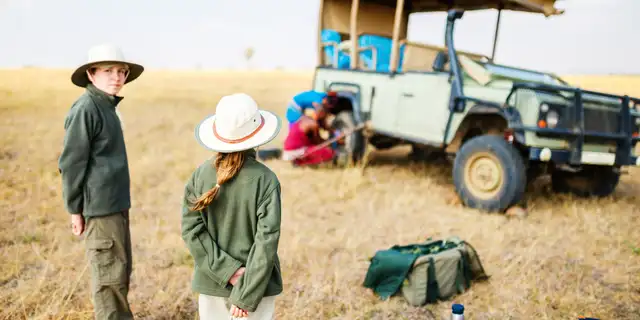
Packing carefully for a Kenya safaris is essential. Stick to neutral shades like khaki, beige, and greens for game drives. Avoid blue and black, as blue can attract tsetse flies and black gets very hot. Pack a mix of layers; mornings and evenings on game drives can be cool, so bring a fleece or hoody, while days are warm. For marine activities at Watamu Marine National Park and Reserve, pack swimwear, reef-safe sunscreen, and snorkeling gear. A hat, sunscreen, and sunglasses are essential. Bring comfortable closed-toe shoes for game drives and sandals for camp. Binoculars are another essential, as is a camera with extra memory cards and batteries.
5. Safari Etiquette & Safety Tips
On a safari in Kenya, following safari etiquette ensures a safe and respectful experience. Listen to your guide's instructions, stay inside the vehicle, and keep noise to a minimum. Never feed or touch wildlife. Always ask permission before photographing people. For health, drink bottled or purified water, and take anti-malarial precautions as recommended. Travel insurance is essential and must cover medical evacuation. Kenya is generally safe in tourist areas, but avoid displaying valuables, don't walk alone at night, and use registered taxis or arranged transfers.
6. What to Do on a Kenya Safari
A Kenya safari offers game drives in the Maasai Mara, Samburu National Reserve, and Buffalo Springs National Reserve. Witness the Great Migration, spot the Big Five, and explore the unique volcanic landscapes of South Island National Park. A hot-air balloon flight over the Maasai Mara at sunrise is a once-in-a-lifetime experience. For marine exploration, Watamu Marine National Park and Reserve offers snorkeling and diving in vibrant coral reefs. For those interested in conservation, the Mount Kenya safari club and mt Kenya safari club offer unique eco-safaris and wildlife rescue experiences at the foothills of Mount Kenya. Your itinerary can be as active or relaxed as you desire.
7. How to Plan a Kenya Safari Itinerary
The best Kenya safari packages typically require 7-10 days to hit the highlights: the Maasai Mara, Samburu National Reserve, and Lake Nakuru. For a Kenya safaris from Nairobi, you can join group safari packages that depart from the capital. A 3-day group budget safari in the Maasai Mara costs around US$900–US$1,200 per person, while a 5-day group safari with a budget lodge upgrade is approximately US$1,300–US$1,800. For marine parks, combine your safari with a beach stay at Watamu or Malindi. Many operators offer all-inclusive packages including transport, accommodation, meals, and game drives.
8. Health and Safety Tips for Travelers on a Kenya Safari
Before starting a safari Kenya, travelers should check recommended vaccinations including Hepatitis A, tetanus, and typhoid. A yellow fever vaccination certificate may be required, especially if visiting multiple African countries. Malaria is present across most of Kenya, so take antimalarials as advised and use high-strength insect repellent. Drink bottled or purified water. Travel insurance with medical coverage is essential. Book early for peak season (July-October) to get first choice of camps and lodges. Ask before taking photos of local people, and never photograph government buildings or military sites.
9. Why Book with Lamz Tours and Travel for Travelers on a Kenya Safari
Booking a Kenya safari with Lamz Tours and Travel ensures well-organised travel, experienced guides, and carefully arranged itineraries. Lamz Tours and Travel is a trusted tour operator operating across multiple African countries, including Kenya, Tanzania, Uganda, Rwanda, Morocco, South Africa, Botswana, and Namibia. The company understands dietary requirements and communicates them to all lodges before arrival. Lamz Tours and Travel provides packing lists, visa guidance, flight recommendations, and cultural tips. Our local guides are experienced with guests from around the world. Whether you want to witness the Great Migration, explore Samburu National Reserve and Buffalo Springs National Reserve, snorkel at Watamu Marine National Park and Reserve, visit the remote South Island National Park, or stay at the Mount Kenya safari club or other premier accommodations, Lamz Tours and Travel handles every detail. We also provide 24/7 support during your Kenya safaris, ensuring a safe, stress-free, and unforgettable african safari Kenya. For travelers seeking a Kenya safari packages or any of our other incredible African destinations, Lamz Tours and Travel is the best choice.
Ready to plan your safari?
Talk to a Lamz Tours specialist and get a tailor-made quote.
Make an enquiry