Serengeti tour migration guide with timing, routes, costs, and travel tips for calving, river crossings, predator action, and seasonal highlights
Are you looking forward to a Serengeti tour focused on the Great Migration? This extraordinary event is one of nature’s most dramatic spectacles, drawing travelers from around the world to witness millions of wildebeest, zebras, and gazelles moving across the plains in search of fresh grazing. Each stage of the migration offers something unique, from calving season in the south where predators hunt daily, to the intense river crossings in the north where crocodiles lie in wait. A Serengeti tour during this time is not just about watching animals move it’s about experiencing the rhythm of the land, the challenges of survival, and the beauty of Africa’s most famous ecosystem. With careful planning, the right timing, and practical preparation, you can maximize your chances of seeing the migration at its most dramatic while enjoying the comfort of well-placed lodges and expert guiding
Best Tanzania safari packages
2-days-fly-in-serengeti-safari-in-tanzania
2-days-tarangire-national-park-and-ngorongoro-crater-safari
3-days-tanzania-safari-in-serengeti-national-park
3-days-tanzania-wildlife-safari
4-days-epic-tanzania-wildlife-and-culture-safari
5-day-kenya-and-tanzania-safari
5-days-circuit-wildlife-safari-in-tanzania
The Serengeti Great Migration Calendar (Typical Annual Cycle)
| Month(s) | Location in Serengeti | Key Highlights |
|---|---|---|
| Jan – Mar | Southern Serengeti (Ndutu and Ngorongoro plains) | Calving season: 500,000 wildebeest born; predator action (lions, hyenas). |
| Apr – May | Central and Western Serengeti | Herds move north; dramatic crossings of Grumeti River with crocodile encounters |
| Jun – Jul | Western Corridor to Northern Serengeti | Herds gather; river crossings begin at Grumeti and Mara Rivers |
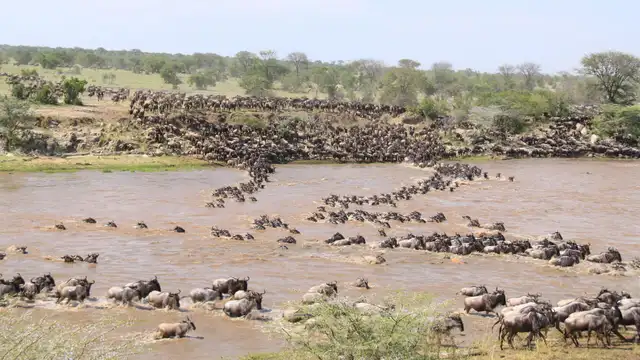
| Aug – Sep | Northern Serengeti and Maasai Mara (Kenya) | Peak Mara River crossings; magical scenes of wildebeest plunging into crocodile-filled waters. |
| Oct – Nov | Northern Serengeti returning south | Herds move back toward central Serengeti; less crowded viewing. |
| Dec | Southern Serengeti | Herds settle for grazing; migration cycle resets |
The Best great migration timing guide on Serengeti tour Tanzania
1. January to March for Calving Season in the South
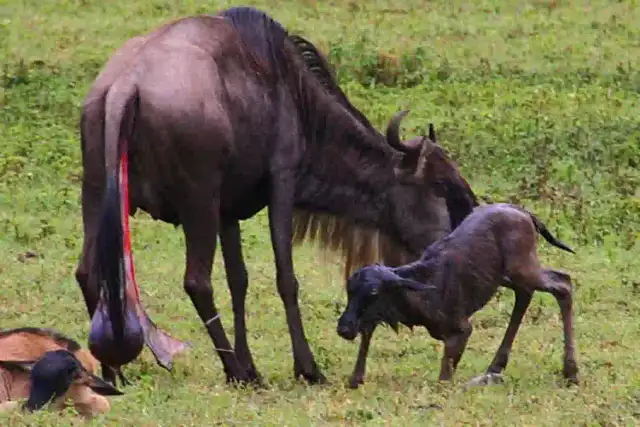
A Serengeti tour from January to March places you in the southern plains near Ndutu. Around 500,000 calves are born here in February, drawing lions and cheetahs that hunt daily. This timing works for travelers who want lower prices and fewer vehicles on the roads. The short grass makes animals easy to spot without tall vegetation blocking your view. A Serengeti tour during calving gives you direct predator action without waiting hours for a river crossing. You should pack warm clothes for cool mornings and neutral colors to avoid scaring the herds.
2. April to June for Moving Herds and Low Prices
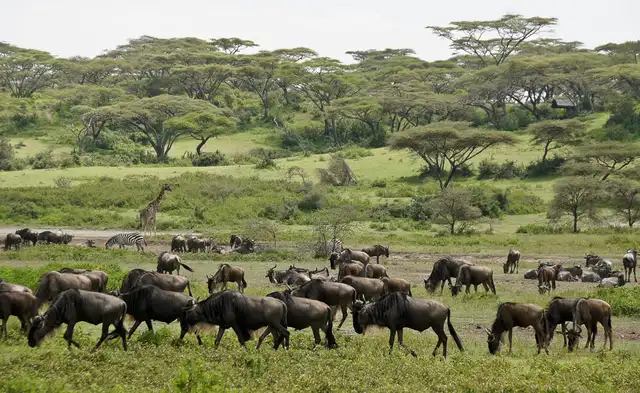
A Serengeti tour in April brings heavy rain, but lodges drop their rates by nearly half. The wildebeest start moving west toward the Grumeti River by May. Roads get muddy, so you need a good four-wheel-drive vehicle and a driver who knows the back tracks. June shows the first river crossings at Grumeti, with big crocodiles waiting below. A Serengeti tour this season means fewer tourists and more space to watch the herds. Bring waterproof jackets and zip-lock bags for cameras. You also avoid the July crowds while still seeing real migration movement.
3. July the Herds Gather in the North
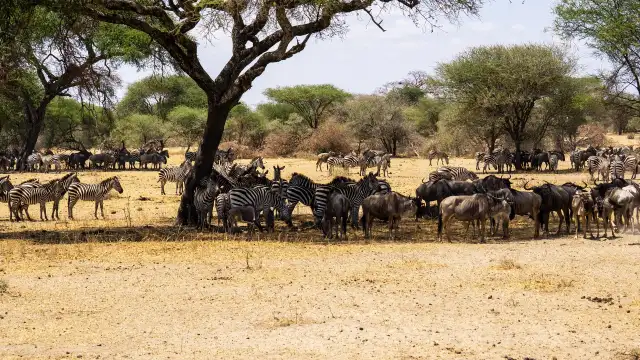
A Serengeti tour in July finds the migration reaching the northern Mara River area. The wildebeest pile up along the banks, but crossings are not guaranteed every day. You should stay at least three nights in the north to improve your chances. Weather stays dry with clear skies, so morning and evening drives work best. A Serengeti tour this month costs more than early year trips, but you avoid the peak August rush. Book your lodges six months ahead because northern camps fill fast. Pack a pair of binoculars for scanning distant riverbanks.
4. August to September the Peak Crossing Action
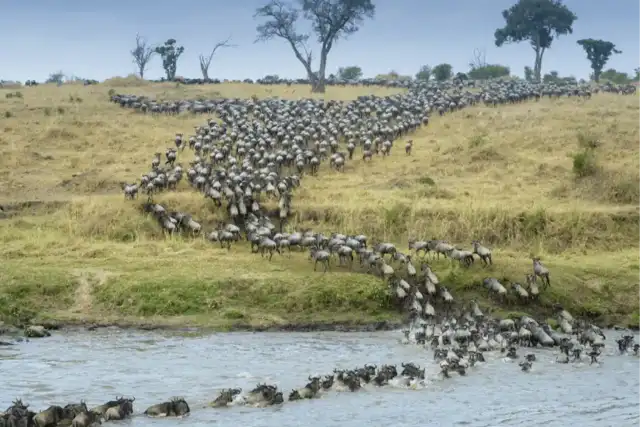
A Serengeti tour in August or September shows the most famous river crossing drama. The herds cross the Mara River back and forth multiple times each week. Crocodile attacks happen fast, and you need a patient driver to wait at good spots. A Serengeti tour during these months brings many vehicles to the same river bends, so early morning arrival matters. You should expect higher prices and busier camps compared to any other season. Bring a camera with a good zoom lens because you cannot get too close to the crossing points. Secure your trip before March.
5. October for Last Crossings Before the Rains
A Serengeti tour in October captures the final river crossings as the herds start moving south. The short rains begin late in the month, turning some roads slippery. Wildebeest spread across the northern and central regions, making them harder to find in one spot. A Serengeti tour this month still gives dry weather for most days, but you face changing conditions. Prices drop slightly from August levels, and camps have more open beds. You need a flexible plan because the herds may cross at unexpected times. Check the weekly migration reports before booking flights.
6. November to December Herds Return to the South
A Serengeti tour in November sees the wildebeest traveling back through the central Seronera area. Rain showers happen daily but usually last only one or two hours. The grass turns green, and the animals spread across wider plains than in dry months. A Serengeti tour this late in the year works for travelers who want lower costs and don't mind some mud. Bird species arrive from Europe, adding variety to your game drives. You should rent a vehicle with high ground clearance and carry rain covers for your bags. December gets busier near the holidays.
7. Choosing Your Best Month Based on Your Needs
A Serengeti tour for river crossings needs July through September, but you pay more and share the roads. A Serengeti tour for predator action and fewer people works better in February or June. Your budget decides a lot: low season from March to May costs half of peak rates. Your patience with waiting matters because crossings never follow a schedule. Your comfort with mud determines if you pick a dry month or a green month. Write down what you want most: baby animals, croc attacks, or quiet drives. Then match that to the calendar above
How to get there for great migration on a Serengeti tour
By Air Fast and Direct
Flying is the quickest way to reach the Serengeti for your tour. You first take an international flight to Kilimanjaro International Airport (JRO) near Arusha. From Arusha, small charter planes fly directly to several airstrips inside the park. The main airstrips are Seronera in the central Serengeti and Kogatende in the north. Airlines like Precision Air run daily flights from Arusha, Dar es Salaam, and Zanzibar. A one-way ticket costs $250 to $400 per person. The flight takes about one hour, saving you a full day of driving. This option works well if you have limited time or want to avoid rough roads. A Serengeti tour using flights lets you start game drives right after landing. Pack your items in soft bags because aircraft have small storage spaces. Book your seats at least three weeks before travel for better rates.
By Road Cheaper and Scenic
Driving from Arusha to the Serengeti costs less than flying. Most Serengeti tour vehicles depart Arusha early morning and drive 6 to 8 hours to reach the park gates. The main entry point is Naabi Hill Gate, located in the southeastern Serengeti. Your driver uses a 4x4 vehicle because the roads become rough and muddy during rainy months. The route passes through the Ngorongoro Conservation Area, where you pay a transit fee. You also spot wildlife like zebras and giraffes along the way. This road option fits travelers on a budget or those combining several parks in one trip. A private 4x4 rental with a driver costs $200 to $400 per day. Bring enough water and snacks because shops are rare after Karatu town. Starting your drive at 6 AM helps you reach the park before sunset
Best safari activities to do on a Serengeti tour for great migration
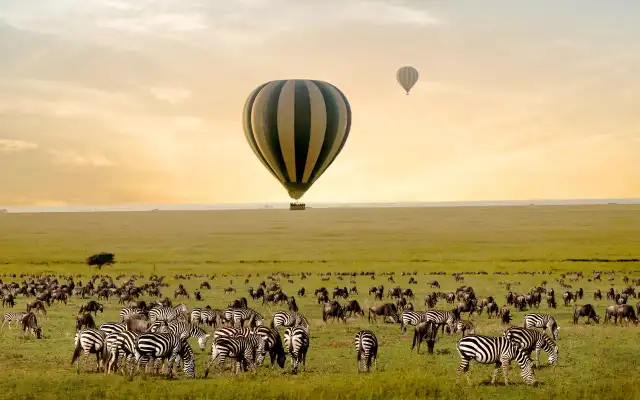
Game drives are the backbone of any Serengeti tour during the Great Migration. They allow travelers to follow herds of wildebeest and zebra across the plains, often leading to dramatic river crossings. Guides use their knowledge of animal movements to position vehicles at the right spots, increasing chances of seeing predators in action. Morning and evening drives are most productive, with cooler temperatures and better light for photography. Travelers should expect long hours in the vehicle, but the reward is witnessing one of the largest wildlife spectacles on earth. Flexibility is key, since the migration shifts with rainfall, and guides adapt routes daily to maximize sightings.
Hot air balloon rides add a unique perspective to a Serengeti tour. Floating above the plains at sunrise, travelers see the migration spread across the land in patterns impossible to appreciate from ground level. The aerial view highlights the scale of the herds and the beauty of the landscape. Balloon safaris usually end with a bush breakfast, making the experience both adventurous and comfortable. While more costly than game drives, many consider it worth the investment for the rare vantage point. Booking early is essential, especially during peak migration months when demand is high and slots fill quickly.
Photography-focused safaris are another valuable activity during a Serengeti tour. The migration offers rare opportunities to capture dramatic wildlife scenes, from river crossings to predator hunts. Guides often position vehicles at calving grounds or riverbanks, where action is most intense. Travelers benefit from advice on lighting and angles, but patience is equally important, as waiting for the right moment is part of the process. The Serengeti’s open plains make it easier to photograph large herds without obstruction. Extra batteries, memory cards, and a zoom lens are essential for capturing fast-moving events. For many visitors, this becomes a chance to build a portfolio of powerful wildlife images.
Walking safaris provide a slower, more detailed way to experience a Serengeti tour. Guided by rangers, travelers explore areas where smaller details of the ecosystem come into focus. Tracks, plants, and birdlife are observed closely, offering insights often missed from vehicles. While migration herds are usually seen from a safe distance, the walks highlight how animals interact with their environment. Safety is prioritized, with armed guides ensuring protection. This activity balances the intensity of game drives, appealing to those who want a grounded and educational safari. It’s a way to connect with the land itself, not just the spectacle of the herds.
Cultural visits to Maasai communities complement wildlife-focused activities on a Serengeti tour. Meeting local people provides context for the land and animals, as the Maasai have lived alongside wildlife for generations. Travelers learn about traditions, daily life, and conservation efforts that protect both communities and ecosystems. These visits add depth to the safari, showing how human culture and wildlife coexist. They also support local livelihoods, making the safari more responsible and sustainable. For many, this cultural dimension enriches the overall experience, turning the migration from a purely wildlife event into a broader understanding of the Serengeti’s heritage.
Best tips for experiencing Serengeti tour for great migration
Planning a Serengeti tour for the Great Migration requires careful timing and preparation. The migration shifts with rainfall, so flexibility is key. Travelers should aim for specific months depending on what they want to see: calving in January–March, Grumeti River crossings in May–June, or Mara River crossings in July–August. Booking accommodations early is essential, especially for peak months when lodges fill quickly. Choosing camps located near migration routes saves long drives and maximizes time with the herds. Working with experienced guides ensures better positioning for sightings, since they track herd movements daily. This planning stage sets the foundation for a rewarding safari experience.
Packing smartly makes a Serengeti tour more comfortable and productive. Lightweight clothing in neutral colors helps blend into the environment, while layers are useful for cool mornings and hot afternoons. A wide-brimmed hat, sunscreen, and insect repellent are must-haves. Binoculars enhance wildlife viewing, especially during river crossings when animals may be far away. A good camera with extra batteries and memory cards is vital for capturing migration scenes. Travelers should also carry reusable water bottles to stay hydrated during long game drives. Preparing with the right gear reduces discomfort and ensures focus remains on the migration itself.
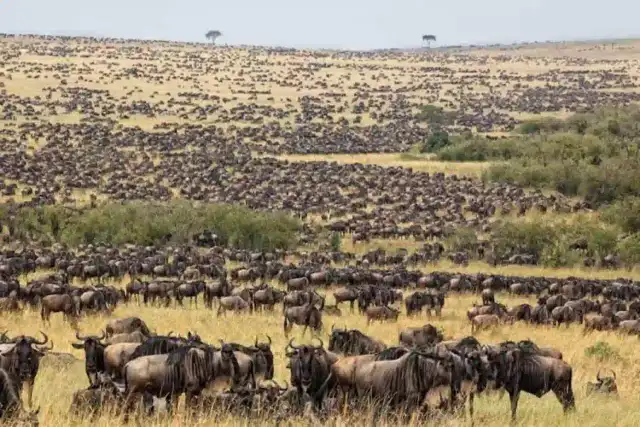
Choosing the right safari activities adds depth to a Serengeti tour. Game drives remain the core, but hot air balloon rides provide a rare aerial view of the herds. Walking safaris allow closer observation of tracks, plants, and smaller wildlife, offering balance to vehicle-based experiences. Photography-focused safaris are ideal for those wanting to capture dramatic scenes, while cultural visits to Maasai communities add human context to the land. Mixing activities ensures travelers don’t just watch the migration but also understand the ecosystem and culture surrounding it. This variety makes the safari richer and more memorable, beyond just the spectacle of moving herds.
Managing expectations is crucial for enjoying a Serengeti tour. The migration is natural and unpredictable, so sightings can vary. Travelers should prepare for long hours in vehicles, dusty roads, and occasional missed crossings. Patience often pays off, as guides may wait at riverbanks for hours before herds decide to cross. Costs are higher during peak months, but green season safaris offer lower rates and fewer crowds. Respecting wildlife rules, such as keeping distance and minimizing noise, ensures safety and conservation. By approaching the safari with flexibility, patience, and respect, travelers maximize their chances of experiencing the migration in its most dramatic moments
Top accommodation options during Serengeti tour for migration
During a Serengeti tour for the Great Migration, accommodation plays a big role in shaping the experience. Staying close to migration routes reduces long drives and maximizes time with the herds. Mobile tented camps move seasonally to follow the animals, offering comfort while keeping travelers near the action. Luxury lodges in the northern and southern Serengeti provide spacious rooms, fine dining, and prime access to river crossings or calving grounds. Mid-range tented camps balance affordability with proximity, often including guided game drives and basic amenities. For those seeking exclusivity, private camps deliver personalized service and flexible schedules. Choosing the right option depends on budget, desired level of comfort, and how close travelers want to be to the migration
Booking a Serengeti tour with Lamz Tours and Travel
Booking a Serengeti tour with Lamz Tours and Travel ensures travelers experience the Great Migration with expert planning and personalized service. The team designs itineraries that match specific migration stages, whether calving in Ndutu or river crossings at the Mara. Guests benefit from carefully selected lodges and camps positioned near herd movements, reducing long drives and maximizing wildlife viewing. Lamz Tours and Travel also integrates cultural visits, photography guidance, and optional balloon rides to add depth to the safari. With strong knowledge of logistics, permits, and seasonal changes, the company provides clarity and confidence for travelers. Choosing Lamz Tours and Travel means securing a well-organized safari that balances comfort, value, and authentic experiences in the Serengeti
Ready to plan your safari?
Talk to a Lamz Tours specialist and get a tailor-made quote.
Make an enquiry