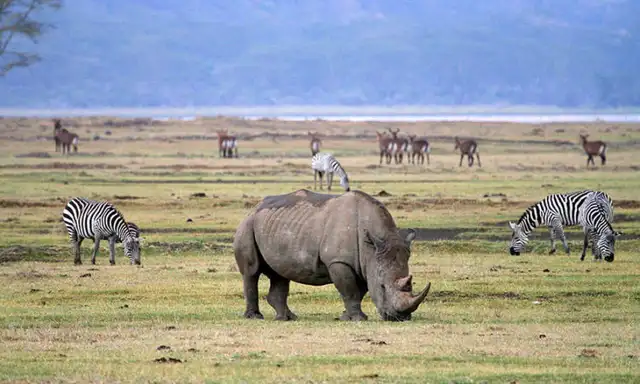
Ngorongoro Crater offers rich wildlife, striking landscapes, and year‑round game viewing, making it a top choice for a well‑planned and rewarding Tanzania safari.
A Tanzania safari in Ngorongoro Crater offers one of the most concentrated wildlife experiences in Africa, making it a top choice for travelers who want strong sightings without long drives. The crater’s unique structure a vast volcanic caldera with permanent water sources creates a natural gathering point for animals throughout the year. This means visitors can expect reliable viewing of lions, elephants, buffalo, hyenas, zebras, wildebeest, and even the rare black rhino in a single day. The open terrain and varied habitats make the crater especially appealing for first‑time safari‑goers, families, and photographers who want clear views and consistent activity from morning to afternoon.
Tanzania safari in Ngorongoro also stands out because of its dramatic scenery and cultural depth. The steep crater walls, sweeping grasslands, forests, and soda lake create a landscape that feels both compact and visually rich. Travelers can move between habitats quickly, maximizing their time on the crater floor. Beyond wildlife, the surrounding region offers meaningful cultural experiences with Maasai communities and access to Olduvai Gorge, one of the world’s most important archaeological sites. Together, these elements make Ngorongoro a destination that delivers strong value, efficient game viewing, and a deeper understanding of Tanzania’s natural and human history
Best Tanzania safari packages
2-days-tarangire-national-park-and-ngorongoro-crater-safari
3-days-tanzania-safari-in-serengeti-national-park
3-days-tanzania-wildlife-safari
4-days-epic-tanzania-wildlife-and-culture-safari
5-day-kenya-and-tanzania-safari
5-days-circuit-wildlife-safari-in-tanzania
6-days-ndutu-migration-safari-calving-season
8-day-serengeti-ngorongoro-crater-and-zanzibar
8-days-wildlife-and-beach-holiday-tanzania
8-days-wildlife-safari-tanzania
9-days-zanzibar-and-wildlife-safari
10-days-uganda-and-tanzania-safari-gorillas-chimpanzees-and-wildlife
5-days-mount-kilimanjaro-marangu-route
6-days-mount-kilimanjaro-machame-route
Why Ngorongoro is so Unique for Tanzania safari
Ngorongoro stands out as one of the most reliable wildlife areas for any Tanzania safari because it combines a rare landscape with steady animal movement throughout the year. The crater is the world’s largest intact volcanic caldera, creating a natural enclosure that keeps wildlife concentrated in one area. This makes a Tanzania safari here especially rewarding for travelers who want strong chances of seeing lions, elephants, buffalo, hyenas, and large herds of zebras and wildebeest without long drives. Permanent water sources support wildlife even in the dry season, so visitors don’t need to worry about timing their trip to match migrations. The crater floor’s open views also help travelers spot animals easily, which is ideal for photographers and first‑time safari-goers who want clear, consistent sightings.
The landscape inside the crater adds even more value to a Tanzania safari because it offers several habitats in a compact space. Travelers move from forests to grasslands, swamps, and the soda lake of Magadi within minutes, giving them a wide range of wildlife scenes without covering long distances. This variety is especially helpful for those planning a Tanzania safari with limited time, as they can experience diverse environments in a single day. The steep crater walls create a dramatic backdrop while also protecting the ecosystem, allowing animals to thrive with minimal outside disturbance. With the chance to see the rare black rhino, famous black‑maned lions, and seasonal flamingos, Ngorongoro provides a concentrated wildlife experience that feels rich, efficient, and well-suited for travelers who want maximum value from every hour spent in the wild
Best time to visit Ngorongoro crater for Tanzania safari
The dry season from June to October is the most reliable period for a Tanzania safari in Ngorongoro, especially for travelers who want clear wildlife sightings. Vegetation is thin, animals gather around water, and visibility is strong throughout the day. This is also the busiest period, so planning early helps secure good lodges and guides. A Tanzania safari during these months offers steady game viewing, though mornings can feel cold due to the crater’s high altitude. For first‑time visitors, July to September provides the most consistent conditions, making it easier to enjoy long hours on the crater floor without worrying about weather disruptions.
The green season from November to May offers a different but equally rewarding Tanzania safari experience, especially for photographers and travelers who prefer quieter parks. Landscapes turn vibrant, birdlife increases, and prices drop, making this period attractive for those seeking value. A Tanzania safari between January and March is excellent for capturing wildebeest calving and dramatic predator activity, though wildlife can be more spread out. Heavy rains in April and May may affect road access, but the crater remains accessible and visually striking. This season suits travelers who want softer light, fewer vehicles, and a more relaxed pace
How to get there and entry to Ngorongoro crater on Tanzania safari
Most Tanzania safari trips to Ngorongoro begin in Arusha, the country’s main safari hub with easy access to major parks. From here, travelers usually join a pre-booked safari operator who provides a 4x4 vehicle and a trained driver‑guide. This setup is essential because private vehicles without permits cannot enter the crater floor. A Tanzania safari from Arusha gives you flexibility, whether you prefer a private tour or a small group option, and ensures all logistics are handled professionally.
Reaching the crater is straightforward. By road, the drive from Arusha to the crater rim takes about 3–4 hours, passing through small towns and viewpoints along the way. For those who want to save time, domestic flights from Arusha or Zanzibar land at Lake Manyara Airstrip or the closer Ngorongoro Airstrip, followed by a short road transfer. This option works well for travelers with tight schedules or those combining a Tanzania safari with a Zanzibar beach stay.
Entry into the Ngorongoro Conservation Area requires several fees, most of which are included in packaged tours. The main conservation fee is $100 per adult for every 24 hours. Vehicles pay around $300 for a 6‑hour crater floor permit, and a guide is mandatory for the descent. Campsites and lodges have their own charges. Before starting your Tanzania safari, confirm with your operator that all fees are covered to avoid surprises and ensure a smooth experience from start to finish
Top attractions to see on Tanzania safari in Ngorongoro
Animal Attractions
Ngorongoro is one of the strongest wildlife areas for a Tanzania safari because animals stay inside the crater year‑round. The high concentration of lions, including well‑known black‑maned males, makes sightings consistent and close‑range. Large herds of buffalo, wildebeest, and zebras graze openly on the crater floor, while elephants often older bulls with impressive tusks move between the forests and swamps. The rare black rhino is the highlight for many visitors, and Ngorongoro remains one of the few places in Tanzania where travelers still have a realistic chance of seeing one in the wild. Hyenas, jackals, and hippos add to the diversity, giving travelers a full wildlife experience in a compact area.
Bird Attractions
Bird lovers find Ngorongoro rewarding during any Tanzania safari thanks to its mix of water, grassland, and forest habitats. Lake Magadi attracts flamingos when conditions are right, creating a striking pink band across the water. The swamps host crowned cranes, herons, and storks, while the crater rim forests shelter turacos, sunbirds, and raptors. During the green season, migratory species increase the bird count, making this period especially productive for photographers. The variety of birds in such a small area helps travelers enjoy steady sightings without long drives, which is ideal for those who want both wildlife and birding opportunities in one destination.
Landscape Attractions
The landscape is one of the main reasons a Tanzania safari in Ngorongoro feels so different from other parks. The crater floor covers about 260 square kilometers, surrounded by steep 600‑meter walls that create a dramatic natural amphitheater. Inside, travelers move through grasslands, forests, swamps, and the soda lake of Magadi within minutes, giving them a wide range of scenery in a short time. The open views make wildlife easy to spot, while the crater rim offers panoramic lookouts that are perfect for sunrise or midday stops. This combination of compact size and varied terrain makes Ngorongoro both efficient and visually striking.
Cultural Attractions
Ngorongoro also offers meaningful cultural experiences that add depth to any Tanzania safari. The area is home to Maasai communities who continue to live and graze livestock within the conservation area. Travelers can visit designated Maasai bomas to learn about traditional housing, beadwork, and daily life. These visits help travelers understand how people and wildlife coexist in this protected landscape. Beyond the crater, Olduvai Gorge one of the world’s most important archaeological sites provides insight into early human history. Together, these cultural elements make Ngorongoro more than a wildlife destination; it becomes a place where nature, people, and history connect
Top activities to do in Ngorongoro crater on Tanzania safari
Game Drives on the Crater Floor
Game drives are the core activity on any Tanzania safari in Ngorongoro, offering close wildlife viewing in a compact and productive area. The crater floor holds lions, buffalo, elephants, hyenas, zebras, wildebeest, and the rare black rhino, all within short driving distances. Because animals stay year‑round, travelers don’t need to worry about migration patterns or long search times. The open terrain and permanent water sources make sightings steady throughout the day. A Tanzania safari here is especially rewarding for first‑timers who want reliable wildlife viewing without covering huge distances. Morning drives are ideal for predators, while midday offers excellent views of grazing herds and hippos in the swamps.
Birdwatching Around Lake Magadi and the Swamps
Birdwatching is a major highlight for travelers who want more than big mammals on their Tanzania safari. Lake Magadi attracts flamingos when water conditions allow, creating a striking pink band across the lake. The surrounding swamps host crowned cranes, herons, storks, and various raptors that circle above the crater walls. During the green season, migratory species increase the diversity, making this period especially productive for photographers. A Tanzania safari focused on birdlife benefits from the crater’s mix of habitats grasslands, forests, and wetlands allowing travelers to see many species in a short time. The calm, open views also make it easier to photograph birds without heavy equipment.
Photography Sessions Across Diverse Landscapes
Ngorongoro is one of the best places in East Africa for photography because the landscapes and wildlife are concentrated in a single, dramatic setting. A Tanzania safari here gives photographers access to sweeping crater views, misty mornings on the rim, and clear wildlife scenes on the floor. The steep walls create natural light variations that work well for portraits of lions, elephants, and rhinos. The soda lake, forests, and grasslands offer different textures and colors, allowing photographers to build a varied portfolio in one day. A Tanzania safari during the green season provides softer light and vibrant backgrounds, while the dry season offers crisp visibility and strong contrast.
Cultural Visits to Maasai Bomas
Cultural visits add depth to a Tanzania safari in Ngorongoro by giving travelers insight into the Maasai communities who live within the conservation area. Designated bomas welcome visitors to learn about traditional housing, beadwork, livestock practices, and daily routines. These visits help travelers understand how people and wildlife coexist in a protected landscape. A Tanzania safari that includes cultural experiences offers a more rounded understanding of the region, especially for travelers interested in local traditions and community life. The interaction is structured to respect both visitors and residents, making it a meaningful addition to wildlife activities.
Exploring the Crater Rim Viewpoints
The crater rim offers some of the most impressive viewpoints on any Tanzania safari, giving travelers a full panoramic look at the 260‑square‑kilometer caldera. These stops are perfect for sunrise, photography, or simply understanding the scale of the landscape before descending. The rim is cooler and often misty in the morning, creating a dramatic atmosphere that contrasts with the bright crater floor. A Tanzania safari that includes rim viewpoints helps travelers appreciate the geological history of the area and the natural enclosure that supports such dense wildlife. Many lodges on the rim also offer views directly into the crater, adding to the overall experience
What to expect on game drives during Tanzania safari in Ngorongoro
Game drives in Ngorongoro during a Tanzania safari start early, with gates opening at 6:00 AM, giving travelers the best chance to see active predators before other vehicles arrive. After a quick breakfast, most visitors descend into the crater by 7:00 AM using the steep, forested access road, then spend 4–6 hours exploring grasslands, swamps, forests, and the soda lake. Picnic lunch is usually taken at the hippo pool site, which has simple benches but no facilities. Each entry allows a maximum of 6 hours on the crater floor, and all vehicles must exit before 6:00 PM. A skilled guide is essential, using radio networks and experience to locate rhinos, lion activity, and the best viewing spots.
Top tips and must knows for Tanzania safari in Ngorongoro
Ngorongoro’s high altitude about 2,300 meters means early mornings and evenings can be surprisingly cold, even during the warm months. Travelers on a Tanzania safari should pack layers, a warm fleece, and a beanie to stay comfortable during dawn game drives. The descent and ascent into the crater can be dusty, so carrying a bandana or buff helps reduce irritation, often called the “crater cough.” Off‑roading is strictly prohibited to protect the fragile ecosystem, so all vehicles must stay on marked tracks. Since there are no shops or restaurants on the crater floor, lodges provide packed picnic lunches for the day’s activities.
A Tanzania safari in Ngorongoro fits perfectly into a wider Northern Circuit itinerary, making it ideal for a 1–2‑night stay before or after visiting Tarangire, Lake Manyara, or the Serengeti. Travelers looking to add cultural depth can visit a Maasai Boma on the crater rim, where structured, respectful interactions offer insight into traditional life. These visits usually come with an extra fee but provide meaningful context to the region’s history and community presence. With the right preparation and expectations, Ngorongoro becomes one of the most rewarding and efficient safari stops in Tanzania.
Top to carry for Tanzania safari in Ngorongoro crater
Pack practical items that keep you comfortable in Ngorongoro’s changing conditions. Bring warm layers, a fleece, and a beanie for the cold crater rim mornings, plus light clothing for midday warmth. A buff or bandana helps with dust during the descent and ascent. Carry sunscreen, sunglasses, and a hat for sun protection, along with a reusable water bottle to stay hydrated. Binoculars are essential for spotting wildlife at a distance, and a good camera with extra batteries is useful for capturing the crater’s landscapes and animals. Include personal medication, wet wipes, and a small daypack to organize your essentials during your Tanzania safari
Best places to stay in during Tanzania safari in Ngorongoro crater
Ngorongoro offers a range of stays that suit different travel styles, from crater‑rim lodges with sweeping views to comfortable mid‑range options close to the gate. Lodges on the rim give travelers the advantage of quick morning access, which is valuable for early game drives during a Tanzania safari. These properties often provide warm rooms, fireplaces, and panoramic viewpoints overlooking the crater floor. Staying on the rim also helps travelers adjust to the cooler temperatures at higher altitude while enjoying direct views that set the tone for the next day’s wildlife experience.
For travelers seeking value or a quieter setting, accommodations in the nearby Karatu area offer excellent comfort and easy access to the Loduare Gate. These lodges provide spacious rooms, good food, and a relaxed atmosphere after a full day of exploring. They are ideal for travelers combining Ngorongoro with Tarangire, Lake Manyara, or the Serengeti as part of a wider Tanzania safari. Whether choosing a rim lodge for the views or a Karatu stay for convenience, both options provide strong comfort and smooth access to the crater
Why book Tanzania safari with Lamz Tours and Travel
Booking a Tanzania safari with Lamz Tours and Travel gives travelers a well‑planned, reliable, and value‑driven experience backed by deep regional knowledge. The team understands how to match each traveler with the right routes, lodges, and timing, ensuring smooth logistics from Arusha to Ngorongoro, Serengeti, and beyond. Our guides are trained to read animal behavior, use radio networks effectively, and position guests for strong wildlife sightings without rushing. Lamz Tours and Travel also focuses on clear communication, transparent pricing, and responsible tourism practices that support local communities. For travelers who want a Tanzania safari that feels organized, personal, and tailored to real needs rather than generic packages, Lamz Tours and Travel delivers a dependable and thoughtful approach.
Ready to plan your safari?
Talk to a Lamz Tours specialist and get a tailor-made quote.
Make an enquiry