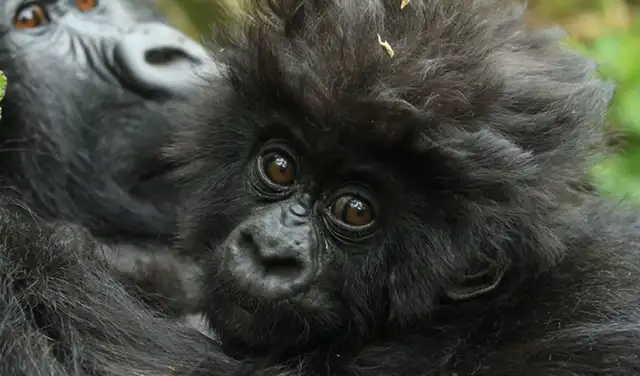
This Best Comparison Guide for Gorilla Tracking Rwanda vs Uganda talks about differences in gorilla permit costs, trekking difficulty, and accommodation options at Volcanoes National Park and Bwindi.
Popular African Safari Packages
3 Days Gorilla Trekking Safari in Rwanda
3 Days Chimpanzee Trekking Safari in Nyungwe Forest, Rwanda
4 Days Nyungwe Forest National Park and Lake Kivu Safari
4 Days Golden monkeys And Gorilla Trekking Safari
5 Days Amboseli and Tsavo West Wildlife Safari
6 Days Mount Kilimanjaro Machame Route
8 Day Serengeti, Ngorongoro Crater and Zanzibar
Is Uganda Better Than Rwanda for Gorilla Trekking?
When comparing gorilla tracking Rwanda vs Uganda, Uganda often wins for budget-conscious travelers and those seeking diverse wildlife experiences. Gorilla tracking Rwanda vs Uganda reveals that permits in Uganda cost $800 compared to Rwanda's $1,500, making Uganda more financially accessible. The gorilla tracking Rwanda vs Uganda comparison also shows that Uganda offers longer hikes through more challenging terrain, which adventure seekers may prefer. Additionally, gorilla tracking Rwanda vs Uganda demonstrates that Uganda provides more habituated gorilla families across multiple sectors of Bwindi Impenetrable Forest, offering varied experiences. While Rwanda offers easier accessibility and more luxury accommodations, Uganda's combination of affordability and the opportunity to combine gorilla trekking with classic safaris makes it particularly attractive for many travelers.
Which Country is Best for Gorilla Trekking?
The debate about gorilla tracking Rwanda vs Uganda often comes down to specific traveler needs. Gorilla tracking Rwanda vs Uganda reveals that Rwanda excels in convenience and high-end experiences, with shorter treks and premium lodging options. The gorilla tracking Rwanda vs Uganda comparison shows Rwanda's Volcanoes National Park is just a 2-hour drive from Kigali, making it ideal for time-constrained travelers. Meanwhile, gorilla tracking Rwanda vs Uganda demonstrates that Uganda offers a more immersive, authentic experience with more gorilla families across four different sectors of Bwindi Impenetrable Forest. The best country ultimately depends on your priorities: choose Rwanda for convenience and luxury, or Uganda for affordability and a more adventurous, diverse wildlife experience.
How Much Does Gorilla Trekking Cost in Uganda vs Rwanda?
The price difference in gorilla tracking Rwanda vs Uganda is substantial. Gorilla tracking Rwanda vs Uganda shows that Rwanda's permits cost $1,500 per person, while Uganda's are $800. Beyond permits, gorilla tracking Rwanda vs Uganda reveals accommodation costs vary widely: Rwanda offers more luxury options ranging from $300-1,000+ per night, while Uganda provides more mid-range and budget accommodations between $100-500 per night. The gorilla tracking Rwanda vs Uganda comparison also includes transportation costs, with Rwanda being more accessible from Kigali (2 hours) versus the 8–10-hour drive to Bwindi from Entebbe in Uganda. Additional expenses like guides, porters ($20 in both countries), and meals make the overall gorilla tracking experience in Rwanda approximately 30-40% more expensive than Uganda.
Where is the Easiest Gorilla Trekking?
For those concerned about physical demands, gorilla tracking Rwanda vs Uganda shows clear differences in trekking difficulty. Gorilla tracking Rwanda vs Uganda reveals that Rwanda offers more accessible treks, with most lasting 1-3 hours through less challenging terrain in Volcanoes National Park. The gorilla tracking Rwanda vs Uganda comparison demonstrates that Rwanda's gorilla families tend to be located in gentler sloping areas, making it more suitable for travelers with moderate fitness levels or physical limitations. Conversely, gorilla tracking Rwanda vs Uganda shows that Uganda's Bwindi Impenetrable Forest features more demanding terrain with steeper slopes and denser vegetation, with treks potentially lasting 2-6 hours. Rwanda is generally considered the easier option, though both countries can accommodate different fitness levels by assigning appropriate gorilla families.
Is Rwanda or Uganda Safer?
Safety is paramount when considering gorilla tracking Rwanda vs Uganda. Gorilla tracking Rwanda vs Uganda reveals that both countries are considered safe for tourism, with Rwanda often praised for its exceptionally clean and organized approach to tourism. The gorilla tracking Rwanda vs Uganda comparison shows that Rwanda has invested heavily in security around its national parks, with a strong military presence ensuring tourist safety. Meanwhile, gorilla tracking Rwanda vs Uganda demonstrates that Uganda has similarly established robust safety measures, particularly around Bwindi Impenetrable Forest. Both destinations maintain stable political environments in their gorilla trekking regions, with Rwanda sometimes perceived as having slightly better infrastructure and Uganda offering more varied terrain. Safety standards for the actual gorilla encounters are equally high in both countries.
How Difficult is Gorilla Trekking in Uganda?
The physical demands of gorilla tracking Rwanda vs Uganda differ significantly in Uganda's Bwindi Impenetrable Forest. Gorilla tracking Rwanda vs Uganda reveals that Uganda's treks are generally more strenuous, with hikes ranging from 2-6 hours each way through steep, muddy terrain and dense vegetation. The gorilla tracking Rwanda vs Uganda comparison shows that Uganda's elevation (1,160-2,607 meters) combined with humidity creates more challenging conditions. Moreover, gorilla tracking Rwanda vs Uganda demonstrates that some gorilla families in Uganda's Rushaga and Ruhija sectors require particularly demanding hikes. However, Uganda offers gorilla families at varying distances, allowing operators like Lamz Tours and Travel to match trekkers with appropriate groups based on fitness levels. Porters are highly recommended for gorilla tracking in Uganda to assist with the challenging terrain, costing approximately $20 per trek.
Is Uganda Gorilla Trekking Safe?
Safety protocols for gorilla tracking Rwanda vs Uganda are comprehensive in Uganda. Gorilla tracking Rwanda vs Uganda shows that Uganda's national parks have implemented stringent safety measures, including armed ranger escorts for all trekking groups. The gorilla tracking Rwanda vs Uganda comparison demonstrates that Uganda's rangers are highly trained both in wildlife protection and ensuring tourist safety throughout the experience. Additionally, gorilla tracking Rwanda vs Uganda reveals that Uganda's gorilla families are well-habituated to human presence, minimizing unpredictable behavior. Uganda has maintained a strong safety record for tourists despite its challenging terrain. Pre-trek briefings cover safety guidelines extensively, and the 7-meter distance rule from gorillas is strictly enforced to protect both visitors and these endangered primates from potential disease transmission.
Where is the Cheapest Place to See Gorillas?
Budget considerations make gorilla tracking Rwanda vs Uganda an important comparison for many travelers. Gorilla tracking Rwanda vs Uganda reveals that Uganda offers the most affordable experience, with permits priced at $700 compared to Rwanda's $1,500. The gorilla tracking Rwanda vs Uganda comparison shows that Uganda also provides more budget accommodation options near Bwindi, with guesthouses starting around $50-100 per night. Furthermore, gorilla tracking Rwanda vs Uganda demonstrates that Uganda offers low-season discounts in April, May, and November, potentially reducing permit costs. While the Democratic Republic of Congo offers even cheaper permits (approximately $400), security concerns make Uganda the preferred budget-friendly option. When factoring in total trip costs including accommodation, transportation, and permits, Uganda typically costs 30-40% less than gorilla tracking in Rwanda.
How Difficult is the Trek to See the Gorillas in Rwanda?
The physical demands of gorilla tracking Rwanda vs Uganda tend to be more manageable in Rwanda. Gorilla tracking Rwanda vs Uganda reveals that Rwanda's Volcanoes National Park features relatively gentler terrain with clearer trails and less dense vegetation. The gorilla tracking Rwanda vs Uganda comparison shows that Rwanda's treks typically last 1-3 hours each way, with gorilla families often located in more accessible areas. Additionally, gorilla tracking Rwanda vs Uganda demonstrates that Rwanda's park management intentionally keeps some gorilla families in more accessible locations specifically for visitors with limited mobility. Rwanda's higher permit cost partly reflects this accessibility advantage, with shorter drives from Kigali and generally less physically demanding trekking experiences. Even in Rwanda, however, guides match visitors with gorilla families based on fitness levels, and hiking sticks and porters ($20) are recommended for all trekkers.
How Fit Do You Need to Be for Uganda Gorilla Trekking?
Fitness requirements differentiate gorilla tracking Rwanda vs Uganda experiences in Uganda. Gorilla tracking Rwanda vs Uganda reveals that moderate to good physical fitness is recommended for Uganda treks, as they can involve 2-6 hours of hiking through challenging terrain. The gorilla tracking Rwanda vs Uganda comparison shows that Uganda's trails often feature steep, muddy sections requiring good balance and stamina. Furthermore, gorilla tracking Rwanda vs Uganda demonstrates that the high elevation (1,160-2,607 meters) can make the experience more demanding, especially for those unaccustomed to altitude. While you don't need to be an athlete, being able to hike for several hours and navigate uneven terrain is important. Uganda offers trek difficulty options, allowing visitors to request easier treks, though these cannot be guaranteed as gorillas move daily.
Which Month is Best for Gorilla Trekking in Uganda?
Timing considerations for gorilla tracking Rwanda vs Uganda should focus on Uganda's dry seasons. Gorilla tracking Rwanda vs Uganda reveals that June to August and December to February are considered optimal for Uganda visits due to drier conditions making trails less muddy and slippery. The gorilla tracking Rwanda vs Uganda comparison shows that these periods also coincide with peak tourism seasons, requiring booking, especially for gorilla permits. Additionally, gorilla tracking Rwanda vs Uganda demonstrates that shoulder seasons (March, September, and October) can offer good compromises between weather conditions and tourist crowds. While gorilla tracking is available year-round, the rainy seasons (April-May and November) present more challenging trekking conditions but potentially lower costs and fewer tourists. Uganda's equatorial climate means temperatures remain relatively consistent year-round, with daily variations primarily due to altitude rather than seasons.
Can You Wear Black Gorilla Trekking?
Clothing choices matter for gorilla tracking Rwanda vs Uganda experiences in both countries. Gorilla tracking Rwanda vs Uganda reveals that wearing black is discouraged as gorillas may perceive it as threatening, potentially altering their behavior during encounters. The gorilla tracking Rwanda vs Uganda comparison shows that neutral colors (khaki, green, brown) blend better with the forest environment, making the experience less disruptive for the gorillas. Moreover, gorilla tracking Rwanda vs Uganda demonstrates that appropriate attire includes long-sleeved shirts, long pants, sturdy hiking boots, and garden gloves to protect against nettles and thorns. Waterproof or quick-drying clothing is highly recommended due to the humid forest conditions and potential rain. Additionally, insect repellent, a hat, and sunscreen are essential despite the forest canopy, as are rain gear and a water bottle for hydration during the trek.
What Are the Odds of Seeing Gorillas in Uganda?
Success rates for gorilla tracking Rwanda vs Uganda are remarkably high in Uganda. Gorilla tracking Rwanda vs Uganda reveals that Uganda boasts a near 99% success rate for gorilla sightings, with experienced trackers locating families before tourists arrive. The gorilla tracking Rwanda vs Uganda comparison shows that Uganda's multiple gorilla families across four sectors of Bwindi Impenetrable Forest increase the likelihood of successful encounters. Additionally, gorilla tracking Rwanda vs Uganda demonstrates that Uganda's park management system ensures groups are distributed effectively, maximizing sighting opportunities. While gorilla movements are unpredictable, their relatively small home ranges and the skilled tracking systems make failed sightings extremely rare. In the highly unusual case of not seeing gorillas, both countries typically offer partial refunds or rescheduled treks, though specific policies vary between operators.
How to Get There to Gorilla Tracking Rwanda and Uganda
Transportation logistics differ substantially when comparing gorilla tracking Rwanda vs Uganda. Gorilla tracking Rwanda vs Uganda reveals that Rwanda offers easier access, with Volcanoes National Park just 2 hours from Kigali International Airport, which receives direct flights from Brussels, Amsterdam, Dubai, and Johannesburg. The gorilla tracking Rwanda vs Uganda comparison shows that Uganda requires longer transfers, with Bwindi approximately 8-10 hours by road from Entebbe International Airport, or a domestic flight to Kisoro followed by a shorter drive. Additionally, gorilla tracking Rwanda vs Uganda demonstrates that cross-border access is possible, with travelers sometimes flying into Kigali and then driving to Bwindi (4-5 hours) or combining both countries in one itinerary. Both destinations are accessible by road from neighboring countries, with Rwanda being particularly convenient for those also visiting Tanzania or Kenya.
What to Carry for Gorilla Tracking Rwanda and Uganda?
Packing essentials remain consistent for gorilla tracking Rwanda vs Uganda experiences. Gorilla tracking Rwanda vs Uganda requires comfortable, waterproof hiking boots with good ankle support and traction. The gorilla tracking Rwanda vs Uganda comparison shows both destinations necessitate long-sleeved shirts and pants in neutral colors (avoid black), garden gloves for protection against nettles, and a rain jacket or poncho. Furthermore, gorilla tracking Rwanda vs Uganda demonstrates the importance of carrying a daypack with water, high-energy snacks, insect repellent, sunscreen, camera (without flash), and any personal medications. Additional recommended items include hiking gaiters for muddy conditions, a hat for sun protection, and hand sanitizer. For maximum comfort during gorilla tracking Rwanda vs Uganda experiences, consider bringing hiking poles (or rent them locally) and a waterproof cover for your camera equipment.
Booking Gorilla Tracking Rwanda and Uganda with Lamz Tours and Travel
Securing permits is critical for gorilla tracking Rwanda vs Uganda adventures. Gorilla tracking Rwanda vs Uganda permits should be booked through reputable operators like Lamz Tours and Travel, we handle all permit arrangements well in advance (6-12 months recommended for peak seasons). The gorilla tracking Rwanda vs Uganda comparison shows that Lamz Tours and Travel offers comprehensive packages including transportation, accommodation, permits, and experienced guides familiar with both destinations. Additionally, gorilla tracking Rwanda vs Uganda experiences with Lamz Tours and Travel include customizable itineraries that can combine gorilla trekking with other attractions like Akagera National Park in Rwanda or Queen Elizabeth National Park in Uganda. Working with established operators ensures smooth logistics and up-to-date information on gorilla families and trekking conditions.
Contact Lamz Tours and Travel to seek guidance on responsible tourism practices to ensure these endangered primates remain protected while offering unforgettable wildlife encounters.
Ready to plan your safari?
Talk to a Lamz Tours specialist and get a tailor-made quote.
Make an enquiry