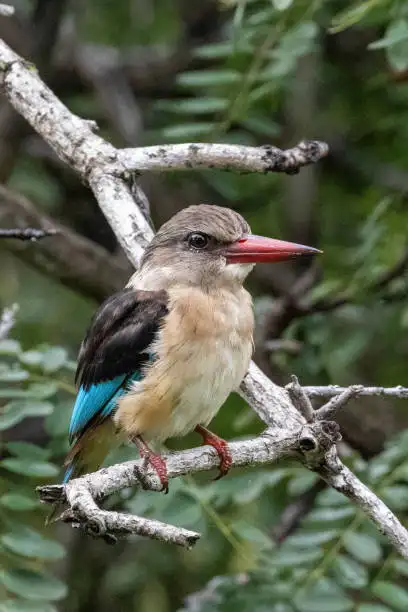
Explore the best birding spots during a South Africa Safari, from wetlands to national parks filled with rare birds and rich natural habitats.
Birdwatching adds a different experience to a South Africa Safari by introducing travellers to wetlands, forests, rivers, and coastal habitats filled with colourful birdlife. Beyond the famous Big Five, South Africa is home to hundreds of bird species that attract both experienced birders and casual nature lovers throughout the year. A South Africa Safari becomes more rewarding when combined with birding because each region offers unique landscapes, seasonal migrations, and peaceful moments surrounded by natural sounds and scenery.
Popular South African Safari Packages
Best Birding Spots to Visit during a South Africa Safari
Kruger National Park
Kruger National Park remains one of the strongest birding destinations for travellers planning a South Africa Safari because of its enormous range of habitats and more than 500 recorded bird species. The northern sections around Pafuri and Punda Maria are especially respected among birders because they attract species that are difficult to find elsewhere in the country. During a South Africa Safari in Kruger, mornings often begin with the calls of hornbills, rollers, fish eagles, and storks around rivers and woodland areas. The park’s wetlands, dams, riverbanks, and bushveld create ideal conditions for both resident and migratory birds throughout the year. Travellers moving slowly through the park often stop longer for birds than for mammals because sightings constantly change from one area to another. The summer months between October and March are particularly rewarding for birding as migratory species arrive in large numbers. Bird hides across the park also provide quiet viewing opportunities without disturbing the surrounding wildlife.
iSimangaliso Wetland Park
iSimangaliso Wetland Park along the KwaZulu-Natal coastline offers one of the richest wetland birding experiences during a South Africa Safari because of its lakes, estuaries, marshes, and coastal forests. The area supports hundreds of bird species, including flamingos, pelicans, herons, kingfishers, and many waterbirds that gather around the shallow wetlands. A South Africa Safari through iSimangaliso feels calmer and slower compared to busy game reserves because much of the experience revolves around waterways, bird calls, and changing light over the wetlands. Early mornings are especially active as birds feed along the shores while hippos and crocodiles move quietly through the water channels nearby. Birders also appreciate the mixture of forest and wetland species found within a relatively short distance. The park attracts both experienced birdwatchers and travellers who simply enjoy peaceful nature experiences away from crowded safari routes. Seasonal flooding changes the landscape throughout the year, making every visit slightly different depending on rainfall and migration patterns.
Mkhuze Game Reserve
Mkhuze Game Reserve is often considered one of the finest birding areas in KwaZulu-Natal and offers a rewarding stop during a South Africa Safari for travellers interested in rare and specialised bird species. The reserve contains sand forests, acacia woodland, wetlands, and pans that support over 400 recorded bird species across different habitats. During a South Africa Safari in Mkhuze, birding frequently happens from quiet hides overlooking water sources where pelicans, storks, kingfishers, and herons gather throughout the day. The reserve is also known for species such as Pel’s fishing owl, broad billed roller, and various bush-shrikes that attract dedicated birders from around the world. Unlike larger parks where driving distances can be long, Mkhuze allows travellers to focus more slowly on individual sightings and natural sounds around the reserve. The atmosphere feels peaceful and less crowded, creating more time to appreciate small movements in the trees and wetlands. Forest sections become especially active after rainfall when bird calls echo through the thick vegetation.
West Coast National Park
West Coast National Park provides a completely different birding environment during a South Africa Safari because of its coastal lagoons, tidal mudflats, salt marshes, and dry strandveld vegetation near Cape Town. The park is especially popular among birders searching for coastal species and endemic birds found in the Western Cape region. A South Africa Safari that includes the West Coast introduces travellers to flamingos feeding in shallow lagoons, African oystercatchers along the shore, and raptors moving across open landscapes. Seasonal flowers during spring also attract increased bird activity across the park, adding colour and movement to the experience. Many visitors enjoy the relaxed pace here because birdwatching can often be done directly from the vehicle or along short walking trails overlooking the wetlands. Migratory birds arrive during different times of the year, meaning sightings constantly shift with the seasons. The combination of ocean air, open skies, and quiet lagoons creates a peaceful atmosphere that feels very different from traditional inland safari parks.
Addo Elephant National Park
Addo Elephant National Park is widely recognised for elephants, but it also offers rewarding birdwatching opportunities during a South Africa Safari because of its varied landscapes stretching from dense thicket vegetation to coastal forests and open grasslands. Birdlife changes noticeably between different sections of the park, giving travellers opportunities to spot both woodland and wetland species within a single visit. A South Africa Safari through Addo often includes sightings of kingfishers, weavers, sunbirds, and raptors while travelling between wildlife viewing areas. The park’s quieter atmosphere compared to larger reserves allows visitors to spend more time listening and observing smaller details around the bush. Many birds remain active around campsites and picnic areas, making birdwatching accessible even during breaks from game drives. Expanded conservation areas surrounding Addo have also increased habitat diversity over time, helping support more bird species across the region. Morning drives become especially rewarding as birds move actively through the thickets while sunlight begins to spread across the landscape.
Best Time for Birding during a South Africa Safari
The best time for birdwatching during a South Africa Safari often depends on the region and the type of birds travellers hope to see, but many birders prefer the warmer months between October and March. This period brings summer rainfall to several parts of the country, creating greener landscapes, fuller wetlands, and increased insect activity that attracts both resident and migratory birds. A South Africa Safari during these months usually offers more colourful breeding plumage, louder bird calls, and higher activity around rivers, forests, and open grasslands. Coastal areas and wetland reserves become especially productive as migratory species arrive from Europe and other parts of Africa. Early mornings remain the most rewarding time for birding because temperatures are cooler and bird movement is more active before the midday heat settles in. Travellers visiting during the dry winter season can still enjoy excellent sightings, particularly in national parks where birds gather around permanent water sources alongside other wildlife.
How to get to the birding destinations on a South Africa Safari
Reaching the top birding destinations during a South Africa Safari is relatively straightforward because the country has a strong road network, domestic flights, and organised tour connections linking major wildlife regions. Travellers arriving internationally usually enter through Johannesburg or Cape Town before connecting to parks and wetland areas known for birdlife. A South Africa Safari to Kruger National Park is often accessed through flights to Nelspruit or Hoedspruit, while birding areas in KwaZulu-Natal can be reached through Durban. Many travellers prefer self-drive holidays because they allow flexibility to stop at hides, wetlands, and roadside sightings without rushing through the experience. Guided birding tours are also available for visitors interested in learning more about species identification and seasonal migration patterns. Coastal reserves such as West Coast National Park are easily reached by road from Cape Town, making them convenient additions to broader travel plans. Roads inside most parks are well maintained, allowing travellers to comfortably combine wildlife viewing with dedicated birdwatching activities.
Things to Do during South Africa Safari birding experience
Birdwatching during a South Africa Safari involves much more than simply identifying species because the experience naturally blends with photography, guided walks, boat cruises, and traditional wildlife viewing. Many travellers begin their mornings listening to bird calls around camps and lodges before joining slow game drives focused on both mammals and birds. A South Africa Safari becomes more rewarding when visitors spend time at bird hides near dams, wetlands, and rivers where species gather quietly throughout the day. Boat safaris in wetland areas provide close views of kingfishers, herons, pelicans, and fish eagles while also offering opportunities to see hippos and crocodiles. Photography is another major activity, especially during sunrise when lighting conditions are softer and birds become highly active. Guided nature walks also allow travellers to notice smaller bird species often missed during vehicle safaris. Some reserves organise specialised birding excursions led by experienced guides who understand local habitats, seasonal movements, and rare species that attract dedicated birdwatchers from around the world.
What to Carry for a Birding Experience on a South Africa Safari
Packing properly can greatly improve the experience of a South Africa Safari focused on birdwatching because birding often requires patience, comfort, and attention to detail throughout the day. Binoculars remain one of the most important items since many species stay high in trees or across wetlands where close viewing becomes difficult without proper equipment. A South Africa Safari also becomes more enjoyable with lightweight neutral coloured clothing that blends naturally into the environment and helps travellers stay comfortable during changing temperatures. Early mornings can feel cold in some regions, especially during winter, so carrying a light jacket is useful even on warmer trips. Bird guidebooks or birding mobile applications help travellers identify species during drives and walks. Cameras with zoom lenses are helpful for photography, particularly around wetlands and forest areas where birds may remain hidden at a distance. Travellers should also carry sunscreen, insect repellent, reusable water bottles, hats, and comfortable walking shoes suitable for uneven trails and nature paths.
Where to stay for accommodation while on your South Africa Safari birding experience
Accommodation options for birdwatching during a South Africa Safari range from simple bush camps and guesthouses to luxury lodges positioned near wetlands, forests, and national parks. Many travellers prefer staying inside protected areas because early morning access allows better opportunities to observe birds during their most active feeding hours. A South Africa Safari in places such as Kruger National Park or iSimangaliso Wetland Park includes lodges and camps located close to rivers, waterholes, and woodland habitats where birdlife remains active throughout the day. Some properties even place bird feeders and small water features near dining areas, creating relaxed viewing opportunities without leaving camp. Travellers interested in photography often choose quieter lodges with private decks overlooking wetlands or forest edges. Coastal birding areas near Cape Town also offer boutique accommodation with easy access to lagoons and shoreline habitats. Whether choosing budget camps or luxury safari lodges, staying close to birding areas allows visitors to spend more time observing nature instead of travelling long distances between activities.
Health and Safety on a South Africa Safari
Health and safety remain important considerations during a South Africa Safari, especially for travellers visiting remote birding areas, wetlands, and national parks across different climates. Most birding activities are safe when visitors follow park regulations and listen carefully to guides, particularly around rivers and wildlife zones where animals move freely. A South Africa Safari often involves long hours outdoors, so staying hydrated and protecting against sun exposure is important during warmer months. In some low altitude regions such as parts of Kruger National Park, travellers may need to consider malaria precautions depending on the season and medical advice before travel. Wearing comfortable closed shoes helps protect against uneven ground, insects, and thorny vegetation during guided walks or forest trails. Travellers should also avoid approaching birds too closely, especially nesting species, because sudden disturbance can affect breeding behaviour. Carrying basic medication, insect repellent, and travel insurance adds extra comfort throughout the trip while allowing visitors to focus fully on wildlife and birdwatching experiences.
Why Book with Lamz Tours and Travel for a South Africa Safaris
Planning a birdwatching experience through Lamz Tours and Travel gives travellers the advantage of local safari knowledge, personalised planning, and carefully organised travel arrangements across Southern Africa. The company understands that a South Africa Safari focused on birdlife requires more than standard wildlife routes because birders often need access to wetlands, forest regions, hidden bird hides, and quieter reserves away from crowded tourist areas. We help travellers combine famous wildlife destinations with specialised birding locations while creating itineraries that move at a comfortable pace. A South Africa Safari arranged through us also allows visitors to combine birdwatching with cultural visits, scenic drives, photography experiences, and coastal travel within one organised trip. The team assists with accommodation selection, transport, park bookings, and seasonal travel advice depending on the birds travellers hope to see. Whether someone is an experienced birder or simply interested in adding birdwatching to a wildlife holiday, we create flexible safari plans designed around individual travel interests and comfort levels.
Ready to plan your safari?
Talk to a Lamz Tours specialist and get a tailor-made quote.
Make an enquiry