Safari to Katavi National Park offers dramatic hippo fights, giant crocodiles, vast buffalo herds, tree-climbing lions, rich birdlife, and unmatched wilderness solitude.
Embrace a safari to Katavi National Park and step into one of Tanzania’s most remote and unspoiled wilderness areas. Tucked away in the far west of the country, Katavi offers a raw, authentic safari experience that few travelers ever witness. This is a land where nature reigns supreme where vast floodplains stretch endlessly, herds of buffalo thunder across the horizon, and hippos clash in muddy pools as water sources dwindle. A safari to Katavi National Park is not about luxury lodges or crowded game drives; it’s about solitude, primal encounters, and the thrill of being completely immersed in the wild. With minimal human presence, every moment feels intimate and untouched.
From July to October, the dry season transforms Katavi into a dramatic stage for wildlife behavior. Crocodiles bask along the Katuma River, lions lounge in sausage trees near Ikuu Bridge, and elephants roam freely through riverine forests. Birdlife flourishes in the wetlands, while walking safaris offer heart-pounding proximity to nature. A safari to Katavi National Park is ideal for seasoned travelers seeking depth, authenticity, and exclusivity. Whether you're photographing massive buffalo herds or sleeping under the stars on a fly-camping adventure, Katavi delivers a rare kind of magic one that lingers long after the journey ends
Best packages to Tanzania safari
2-days-fly-in-serengeti-safari-in-tanzania
2-days-tarangire-national-park-and-ngorongoro-crater-safari
3-days-tanzania-safari-in-serengeti-national-park
3-days-tanzania-wildlife-safari
4-days-epic-tanzania-wildlife-and-culture-safari
5-day-kenya-and-tanzania-safari
5-days-circuit-wildlife-safari-in-tanzania
6-days-ndutu-migration-safari-calving-season
8-day-serengeti-ngorongoro-crater-and-zanzibar
8-days-wildlife-and-beach-holiday-tanzania
8-days-wildlife-safari-tanzania
9-days-zanzibar-and-wildlife-safari
10-days-uganda-and-tanzania-safari-gorillas-chimpanzees-and-wildlife
Best Attraction to See During Safari to Katavi National Park
Hippo Spectacle
During the dry season, a Safari to Katavi National Park offers a raw and intense view of hippo behavior. With water sources shrinking, hundreds of hippos cram into shallow, muddy pools along the Katuma River. This overcrowding sparks nonstop territorial fights loud roars, splashing, and tusk clashes fill the air. It’s not just noise; it’s a display of dominance and survival. Visitors on a Safari to Katavi National Park should prepare for close-up views of these battles, often just meters from the riverbanks. The action is constant, and the tension between bulls is visible. For photographers and wildlife watchers, this is a rare chance to study hippos in their most aggressive and social state.
Crocodile Bonanza
A Safari to Katavi National Park during the dry season reveals Nile crocodiles at their most strategic and powerful. As animals gather at the Katuma River to drink, crocodiles lie in wait silent, massive, and perfectly camouflaged. The concentration of prey, including fish and vulnerable hippo calves, makes this a prime hunting ground. On a Safari to Katavi National Park, you’ll see crocodiles basking along the banks or gliding through the shallows, some reaching lengths that rival small cars. Their patience and precision are unmatched. Visitors should stay alert and follow guide instructions closely, as these reptiles strike fast and without warning. It’s a rare chance to observe their behavior in a natural, high-stakes setting.
Enormous Herds of Buffalo
A Safari to Katavi National Park offers one of Africa’s most dramatic wildlife scenes: herds of Cape buffalo that stretch across the horizon. These groups often exceed 1,000 animals, moving together in tight formation and kicking up clouds of dust as they graze and shift. The sheer size and movement of the herd create a powerful visual dark bodies flowing like a tide across the plains. On a Safari to Katavi National Park, this spectacle is not rare; it’s part of the daily rhythm of the park’s open grasslands. Visitors can observe complex social behavior, from dominant bulls to protective mothers, all within a setting that feels untouched and wild.
Remote and Exclusive Wilderness
A Safari to Katavi National Park is defined by its solitude. As one of Tanzania’s least visited parks, Katavi offers a rare experience: full days of game viewing without crossing paths with another vehicle. The vast landscapes woodlands, floodplains, and rivers feel completely yours. On a Safari to Katavi National Park, this isolation isn’t a drawback; it’s the main draw. You’re not sharing sightings or waiting in line for a photo. Instead, you’re immersed in raw nature, with only the sounds of wildlife and wind through the trees. For travelers seeking privacy and authenticity, this park delivers unmatched value.
Classic Big Game
A Safari to Katavi National Park delivers consistent sightings of Africa’s most recognized animals. Elephants roam freely, especially near riverine forests, often in family groups. Lions are frequently seen and sometimes rest in sausage trees near the airstrip. Leopards are present but require patience to spot, while spotted hyenas are active and vocal. On a Safari to Katavi National Park, you’ll also see plains game in abundance giraffe, zebra, topi, hartebeest, impala, and eland graze across the open areas. The diversity and density of wildlife make this park ideal for those who want to observe natural behavior without crowds or distractions.
The "Sausage Tree" at Ikuu Bridge
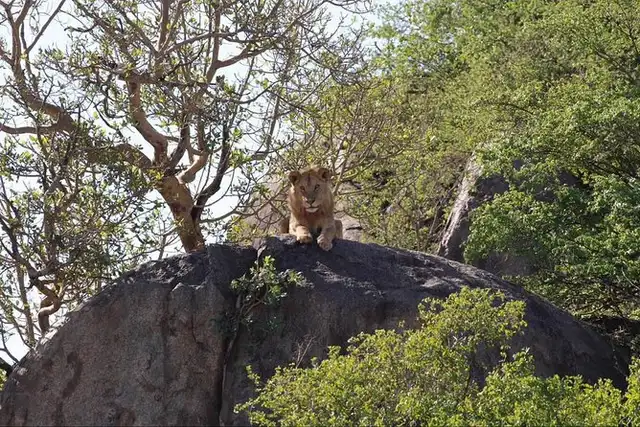
One of the most recognized landmarks during a Safari to Katavi National Park is the giant sausage tree near Ikuu Bridge. Lions regularly climb and lounge on its thick, horizontal branches, making it a reliable spot for sightings. The tree’s location near the bridge makes it easy to access, and its shade attracts predators during the heat of the day. On a Safari to Katavi National Park, this tree becomes more than a landmark it’s a symbol of the park’s quiet drama. Visitors often pause here, cameras ready, hoping to catch lions resting, grooming, or scanning the plains from their elevated perch.
Birdlife
A Safari to Katavi National Park isn’t just about mammals the birdlife is equally impressive. The park’s wetlands and seasonal lakes attract a wide range of waterbirds, including saddle-billed and yellow-billed storks, African fish eagles, and various plovers and kingfishers. On a Safari to Katavi National Park, birdwatchers can enjoy long, peaceful sessions observing feeding, nesting, and flight patterns. The diversity is high, and the setting quiet, remote, and rich in natural features makes it ideal for photography and study. Whether you’re a casual observer or a dedicated birder, the avian life here adds depth to the overall experience
Best time for a safari to Katavi national park and Tanzania safari
The best time for a safari to Katavi National Park and for most Tanzania safaris is during the dry season from July to October. In Katavi, this period transforms the park into a wildlife hotspot as animals gather around the shrinking Katuma River and floodplains, making sightings of hippos, crocodiles, buffalo, and predators much easier and more dramatic. Across Tanzania, this same window offers prime conditions in parks like Serengeti, Ruaha, and Tarangire, with thinner vegetation, minimal rainfall, and fewer mosquitoes. Roads are more accessible, camps are open, and wildlife is concentrated near water sources, giving travelers the best chance for consistent, high-quality game viewing
How to get there for a safari to Katavi national park
Getting to Katavi National Park for a safari requires planning due to its remote location in western Tanzania. The most practical option is flying scheduled flights operate twice weekly (usually Monday and Thursday) from Arusha or Dar es Salaam to Katavi’s airstrip, often arranged by tour operators as part of a safari package. These flights may also connect with other parks like Ruaha or Mahale. For those flying internationally, you’ll likely arrive at Kilimanjaro International Airport (JRO) or Julius Nyerere International Airport (DAR), then transfer to a domestic flight. Overland travel is possible but extremely long and challenging, taking up to three days by 4×4 from Dar es Salaam, and is not recommended during the wet season due to poor road conditions
Top things to do during safari to Katavi National park
Witness the Dry Season Hippo Spectacle
During a safari to Katavi National Park, the dry season from July to October reveals one of Africa’s most intense wildlife scenes. Hundreds of hippos cram into shrinking pools along the Katuma River, sparking nonstop territorial fights. The sound of jaws clashing and bodies colliding echoes across the plains. On a safari to Katavi National Park, this is not a quiet moment it’s raw, loud, and unforgettable. Visitors often find themselves just meters away from the action, watching mud fly and dominant bulls battle for space. It’s a rare chance to observe hippos in their most aggressive and social state, offering photographers and wildlife lovers a front-row seat to nature’s power.
Track Massive Herds of Buffalo
A safari to Katavi National Park offers unmatched views of Cape buffalo herds, often numbering over a thousand. These dark, muscular animals move in tight formation across the plains, kicking up dust and creating a visual wave of motion. On a safari to Katavi National Park, spotting these herds is a daily highlight. Their sheer size and synchronized movement make them feel like a living force. Observing their behavior dominant bulls, protective mothers, and alert calves adds depth to the experience. Whether you’re watching from a vehicle or a lookout point, the sight of these herds crossing open terrain is one of the most powerful and memorable scenes in African wildlife viewing.
Seek Out the Tree-Climbing Lions of Ikuu
During a safari to Katavi National Park, head to the Ikuu Bridge area to find lions resting in the branches of giant sausage trees. These trees offer shade and elevation, making them ideal for lions escaping the midday heat. On a safari to Katavi National Park, this scene is iconic lions draped over thick limbs, tails hanging, eyes scanning the plains below. It’s a unique behavior not commonly seen in other parks, and it provides excellent photo opportunities. Guides know the exact trees to check, and with patience, you’re likely to spot a pride lounging in the canopy. This blend of predator and tree creates a surreal and unforgettable wildlife moment.
Experience the Katavi Floodplains on a Walking Safari
A walking safari to Katavi National Park’s floodplains is the most direct way to feel the wilderness. With an armed guide, you’ll walk across the Katavi or Chada Plains, tracking animal prints, learning about plants, and approaching wildlife on foot. On a safari to Katavi National Park, this experience strips away the vehicle and puts you in nature’s rhythm. Every sound, scent, and movement becomes sharper. You may spot giraffes from ground level or hear elephants before you see them. It’s not about covering distance it’s about connection. This kind of safari builds respect for the land and its creatures, offering a deeper understanding of the park’s ecosystem.
Go on a Night Game Drive
A safari to Katavi National Park doesn’t end at sunset. Where permitted, night game drives open a window into the park’s nocturnal world. With a spotlight and guide, you’ll search for creatures rarely seen during the day genets, civets, honey badgers, porcupines, and predators on the move. On a safari to Katavi National Park, the darkness adds suspense and surprise. Eyes shine from the bushes, and the sounds of the night take over. It’s a chance to witness hunting behavior, silent stalking, and the secret lives of animals that thrive after dusk. For many visitors, this drive becomes a favorite memory, offering a completely different side of the bush.
Birdwatch in the Wetland Ecosystems
A safari to Katavi National Park is a treat for bird lovers, especially around its rivers and floodplains. These wetlands attract a wide range of waterbirds, including saddle-billed and yellow-billed storks, African fish eagles, giant kingfishers, and countless plovers and sandpipers. Even in the dry season, birdlife remains active and colorful. On a safari to Katavi National Park, bring binoculars and a camera many birds are easily spotted from camp or during drives. The variety of species and behaviors, from fishing to nesting, makes birdwatching here both relaxing and rewarding. Whether you’re a seasoned birder or a curious observer, the avian diversity adds richness to the overall experience.
Find the Enormous Nile Crocodiles
A safari to Katavi National Park during the dry season reveals Nile crocodiles at their most visible and impressive. As water sources shrink, these massive reptiles gather along the Katuma River, basking in the sun or lurking in the shallows. On a safari to Katavi National Park, you’ll see crocodiles that rival the size of small cars motionless, ancient, and perfectly adapted. Their presence adds tension to the riverbanks, especially with prey nearby. Watching them hunt or simply lie in wait is a reminder of nature’s patience and power. These crocodiles are not just part of the landscape they’re key players in the park’s predator-prey drama.
Visit the Sacred "Tamarind Tree" Spirit Site
A safari to Katavi National Park includes more than wildlife it also touches on cultural history. Near Lake Chada, a large tamarind tree is believed to house the spirit of Chief Katabi, a legendary hunter. Locals still leave offerings here, honoring his memory. On a safari to Katavi National Park, visiting this site adds depth to your understanding of the land. It’s a quiet moment to reflect on the human stories woven into the wilderness. The tree stands as a symbol of respect and tradition, reminding visitors that conservation includes cultural heritage. Guides often share the legend, making this stop both meaningful and memorable.
Enjoy Fly-Camping Under the Stars
For those seeking raw adventure, a safari to Katavi National Park offers fly-camping sleeping under the stars with only a mosquito net and the sounds of the bush. You’ll walk to a remote site, dine by firelight, and fall asleep to hyenas whooping or lions roaring in the distance. On a safari to Katavi National Park, this experience strips away luxury and replaces it with connection. It’s not about comfort it’s about presence. With minimal setup and maximum exposure to nature, fly-camping delivers a rare kind of peace. It’s ideal for travelers who want to feel the land, not just see it, and wake up with the sunrise as their alarm.
Simply Soak Up the Profound Solitude
A safari to Katavi National Park offers something few places can true solitude. With low visitor numbers and vast landscapes, it’s common to go hours or even a full day without seeing another vehicle. On a safari to Katavi National Park, this quiet becomes a luxury. Sit at a waterhole, sip a drink on the plains, or listen from your tent as wildlife moves nearby. There’s no rush, no crowd, just space to observe and reflect. This sense of having Africa to yourself is rare and powerful. It allows for deeper connection, better wildlife viewing, and a kind of peace that’s hard to find anywhere else
What to carry for a safari to Katavi National Park
For a safari to Katavi National Park, pack light but smart. Essentials include neutral-colored, breathable clothing for hot days and a warm layer for cooler mornings. A wide-brimmed hat, sunglasses, and high-SPF sunscreen are vital for sun protection. Sturdy walking shoes are a must, especially if you plan on a walking safari. Don’t forget insect repellent, a refillable water bottle, and a small daypack for game drives. Binoculars and a good camera with zoom lens will enhance wildlife viewing. Carry personal medications, a flashlight or headlamp, and a power bank for charging devices. Since Katavi is remote, bring extra cash in small denominations and any specialty snacks or toiletries you might need there are no shops nearby
Top places to stay on a safari to Katavi national park
On a safari to Katavi National Park, top accommodations blend wilderness immersion with comfort and exclusivity. Chada Katavi Camp offers a refined, eco-conscious experience with stylish tented suites and personalized guiding deep in the heart of the park. Katavi Wildlife Camp, perched along the Katuma River, provides rustic charm and excellent wildlife viewing right from your veranda. Mbali Mbali Katavi Lodge delivers elevated luxury with spacious rooms overlooking the Katisunga floodplains, complete with private decks and outdoor showers. Each of these options enhances your safari to Katavi National Park by placing you close to the action while offering serene retreats after thrilling game drives and walking safaris
Why book a safari to Katavi national park with Lamz Tours and Travel
Booking a safari to Katavi National Park with Lamz Tours and Travel means choosing a deeply immersive, expertly guided experience in one of Tanzania’s most remote and untouched wilderness areas. Our tailored itineraries like the 3-day Katavi safari holiday combine thrilling game drives, guided walking safaris, and even optional boat rides on the Katuma River, offering close-up encounters with hippos, crocodiles, and vast herds of buffalo and elephants. Lamz Tours and Travel emphasizes flexibility, allowing you to customize your journey based on wildlife interests, budget, and preferred activities. With a focus on authentic experiences, breathtaking landscapes, and personalized service, they ensure your safari to Katavi National Park is not only memorable but also aligned with your travel values and expectations
Ready to plan your safari?
Talk to a Lamz Tours specialist and get a tailor-made quote.
Make an enquiry