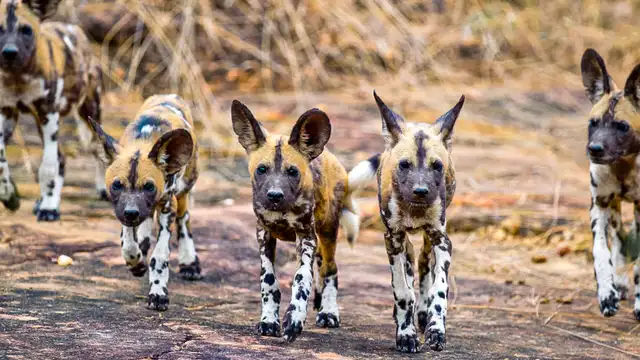
Top wildlife to see during a safari to Nyerere National Park wild dogs, elephants, lions, birds, and more across rivers, plains, and night drives.
Nyerere National Park, formerly part of the Selous Game Reserve, is one of Tanzania’s largest and most diverse wildlife areas. Its vast landscapes rivers, woodlands, open plains, and wetlands support a wide range of species, making it a strong choice for travelers seeking variety and depth in their safari experience. The park is especially known for its healthy populations of African wild dogs, large elephant herds, and tree-climbing lions. Boat safaris along the Rufiji River offer close-up views of hippos and crocodiles, while game drives reveal buffalo, giraffes, and plains game in large numbers. With over 440 bird species, it’s also a reliable destination for birdwatchers and photographers.
What sets a safari to Nyerere National Park apart is the flexibility it offers. Unlike many northern parks, night drives are allowed, giving access to nocturnal wildlife such as genets, civets, and leopards. Walking safaris add another layer, allowing guests to learn about tracks, plants, and smaller creatures often missed from vehicles. Whether you're focused on photography, wildlife behavior, or simply seeing animals in their natural rhythm, Nyerere delivers consistent sightings across seasons. A Tanzania safari that includes this park offers access to both water-based and land-based activities, making it one of the most well-rounded wildlife destinations in East Africa
best packages to Tanzania safari
2-days-fly-in-serengeti-safari-in-tanzania
2-days-tarangire-national-park-and-ngorongoro-crater-safari
3-days-tanzania-safari-in-serengeti-national-park
3-days-tanzania-wildlife-safari
4-days-epic-tanzania-wildlife-and-culture-safari
5-day-kenya-and-tanzania-safari
5-days-circuit-wildlife-safari-in-tanzania
6-days-ndutu-migration-safari-calving-season
8-day-serengeti-ngorongoro-crater-and-zanzibar
8-days-wildlife-and-beach-holiday-tanzania
8-days-wildlife-safari-tanzania
9-days-zanzibar-and-wildlife-safari
10-days-uganda-and-tanzania-safari-gorillas-chimpanzees-and-wildlife
Best Animals and Wildlife to See During Safari to Nyerere National Park
African Wild Dog, the Painted Dog
The African wild dog is one of the most sought-after species during a safari to Nyerere National Park. With one of the largest populations in Africa, this park offers rare chances to photograph and observe their social behavior, coordinated hunts, and playful interactions. These endangered predators are most active in the early morning, especially during the dry season when they den near open plains. A Tanzania safari that includes Nyerere gives photographers and wildlife lovers a strong chance to see them in action. Their movements are fast and unpredictable, so a guide familiar with their patterns is essential for getting close without disturbing them.
Large Elephant Herds
A safari to Nyerere National Park offers consistent sightings of large elephant herds, often with impressive tuskers among them. These elephants are relaxed and frequently seen bathing, feeding, or crossing the Rufiji River. The dry season concentrates them around water sources, making it easier to photograph their interactions. Tanzania safari itineraries that include Nyerere give access to riverbanks and lakes where elephants gather in big numbers. Whether you're after wide-angle shots of herds or close-ups of textured skin and tusks, this park delivers reliable opportunities. Early morning and late afternoon light enhances the mood and detail in your images.
Lions Often Tree-Climbing
Lions in Nyerere have developed a rare habit climbing trees to escape heat and biting insects. During a safari to Nyerere National Park, you may spot them lounging on thick branches of acacia or baobab trees, offering unique photo angles. This behavior is not common elsewhere, making it a standout feature of the park. Tanzania safari guides familiar with lion territories can help position you for low-angle shots that emphasize height and posture. The dry season improves visibility and access to areas with climbable trees. Patience pays off here, especially when waiting for a lion to shift position or make eye contact.
Hippos and Crocodiles
The Rufiji River is central to any safari to Nyerere National Park, and it's packed with hippos and Nile crocodiles. Boat safaris offer low-angle views of hippos yawning, swimming, or sunbathing in pods that can number in the dozens. Crocodiles are often seen basking on the banks or lurking near fish-rich waters. A Tanzania safari that includes river activities gives you access to these aquatic giants in their natural habitat. Use a telephoto lens to capture expressions and textures without getting too close. Reflections in the water add symmetry and depth to your shots, especially in the early morning light.
Birdlife Over 440 Species
Birdwatching during a safari to Nyerere National Park is rewarding year-round, with over 440 species recorded. The park’s mix of rivers, lakes, woodlands, and grasslands attracts a wide range of birds, including migrants from November to April. Key species include the fish eagle, Goliath heron, Pel’s fishing-owl, and carmine bee-eaters nesting in riverbanks. A Tanzania safari here gives bird photographers access to rare and colorful subjects in varied habitats. Early morning is best for light and activity, while night drives may reveal owls and nightjars. Bring binoculars and a long lens to capture detail without disturbing the birds.
Black Rhinoceros
Black rhinos are extremely rare, but they do exist in protected zones within Nyerere. A safari to Nyerere National Park may offer a chance though not guaranteed to glimpse one of these critically endangered animals. Their presence highlights the park’s role in conservation and biodiversity. Tanzania safari operators with access to restricted areas may improve your odds, but sightings depend on timing and luck. If you do spot one, keep your distance and use a zoom lens to avoid stress. Even without a sighting, knowing they’re part of the ecosystem adds depth to your safari experience.
Buffalo Herds
Cape buffalo are common and impressive during a safari to Nyerere National Park. Herds often number in the hundreds and are seen grazing or drinking near lakes and rivers. These animals are part of the Big Five and offer strong photographic subjects due to their size and group behavior. Tanzania safari drives through open grasslands provide consistent views, especially in the dry season when water sources attract them. Use a medium zoom lens to capture herd movement or isolate individuals. Their alert posture and intense gaze make for powerful portraits, especially in golden light.
Giraffes Masai and Reticulated
Giraffes are widespread and photogenic during a safari to Nyerere National Park. The mix of Masai and reticulated giraffes adds variety to your shots, with different patterns and behaviors. Tanzania safari routes through woodlands and open plains offer chances to photograph them feeding, walking, or silhouetted against the sunset. Their height and slow movement make them easy to frame, especially near acacia trees. Use a wide lens for landscape context or zoom in for detail. Early morning and late afternoon light brings out the warm tones in their coats and the textures of the surrounding habitat.
Plains Game
Plains game are the backbone of predator-prey dynamics during a safari to Nyerere National Park. Impala, wildebeest, zebra, hartebeest, and waterbuck are seen throughout the park, especially near water. Their group behavior and alert movements offer dynamic photo opportunities. Tanzania safari guides often track predators by following these herbivores, making them key to understanding the ecosystem. Use a fast shutter speed to capture movement or a wide lens to show scale. Their presence also helps frame larger scenes, adding depth and context to your wildlife photography.
Nocturnal Species On Night Drives
Night drives during a safari to Nyerere National Park reveal a different side of wildlife. Species like genets, civets, bushbabies, porcupines, and nightjars become active, along with predators like leopards and lions. Tanzania safari tours that include night drives offer rare chances to photograph animals that are almost invisible during the day. Use a camera with good low-light performance and avoid flash unless permitted. Guides use spotlights to locate animals, so timing and positioning are key. These drives add variety to your portfolio and deepen your understanding of animal behavior across different times of day
Best time to Safari to Nyerere National Park for Best Animals and Wildlife
The best time to safari to Nyerere National Park for wildlife viewing is during the dry season from June to October. This period offers the highest concentration of animals around rivers and lakes, making sightings more predictable and photography more rewarding. African wild dogs are easier to track near denning sites, elephants gather in large herds along the Rufiji River, and tree-climbing lions are often seen resting on branches to escape the heat. Boat safaris during this season provide excellent views of hippos and crocodiles, while open plains reveal buffalo herds and plains game. A Tanzania safari planned in this window ensures better access, clearer skies, and fewer insects ideal for both photographers and wildlife lovers.
From November to April, the park transforms into a birdwatcher’s paradise, with over 440 species active across wetlands, forests, and grasslands. Migratory birds arrive, and colorful species like carmine bee-eaters and Pel’s fishing-owl become more visible. This is also the green season, when the landscape is vibrant and animals are more spread out. While sightings may be less concentrated, the lighting and backdrops are excellent for photography. A Tanzania safari during this time offers a quieter experience with fewer crowds and a chance to spot nocturnal species on night drives, adding variety to your wildlife portfolio
How to there for Safari to Nyerere National Park
Getting to Nyerere National Park for a safari starts with flying into Julius Nyerere International Airport (DAR) in Dar es Salaam, Tanzania’s main coastal city. From there, you can take a short domestic flight to one of the park’s airstrips such as Mtemere or Siwandu which are well-connected during the dry season. These flights save time and offer aerial views of the landscape. Alternatively, road transfers are available but can take 6–8 hours depending on the entry gate and road conditions. For a smoother experience, most Tanzania safari operators arrange flights and transfers as part of a package, ensuring timely arrival for game drives and boat safaris.
Once inside the park, movement is typically by 4x4 safari vehicles or boats, depending on your lodge’s location. A safari to Nyerere National Park often includes guided drives, walking safaris, and river excursions, so choosing accommodation near the Rufiji River or key wildlife zones is important. Tanzania safari itineraries that focus on photography or wildlife density should prioritize lodges with early access to game routes and flexible scheduling. Booking through a trusted operator ensures your logistics are handled professionally, with attention to timing, safety, and wildlife movement patterns
Best things to do during Safari to Nyerere National Park
During a safari to Nyerere National Park, one of the most rewarding activities is a boat safari along the Rufiji River. This offers a different angle for wildlife viewing, with close-up sightings of hippos, crocodiles, elephants, and birdlife from a low, water-level perspective. It’s ideal for photography and gives access to areas unreachable by vehicle. Game drives are equally essential, especially in the early morning and late afternoon when animals are most active. A Tanzania safari here often includes tracking African wild dogs, observing tree-climbing lions, and watching large elephant herds gather at water sources. The open plains and woodlands also support buffalo, giraffes, and plains game, making every drive productive.
Night drives are another highlight during a safari to Nyerere National Park, offering a rare chance to see nocturnal species like genets, civets, bushbabies, and leopards on the move. These drives reveal a different rhythm of the park and add depth to your wildlife experience. Walking safaris, led by armed guides, allow you to learn about tracks, plants, and smaller creatures often missed from vehicles. A Tanzania safari in Nyerere is not just about big game it’s about variety, timing, and access. Combining boat, vehicle, and walking activities ensures a well-rounded and engaging wildlife experience
What to carry for a Safari to Nyerere National Park
When preparing for a safari to Nyerere National Park, pack light but smart. Bring neutral-colored clothing (like khaki or olive) to blend into the environment, a wide-brimmed hat, sunglasses, and sunscreen to handle the sun. A good pair of binoculars and a zoom lens are essential for wildlife viewing and photography. Include insect repellent, especially during the green season, and a reusable water bottle to stay hydrated. Comfortable walking shoes are useful for short bush walks. A small daypack helps carry essentials during game drives. Also, pack extra camera batteries, memory cards, and a dustproof bag to protect your gear from the elements. A light jacket is useful for early mornings and evenings when temperatures drop
Best places to stay in during Safari to Nyerere National Park
During a safari to Nyerere National Park, top places to stay include lodges and camps that offer direct access to the Rufiji River and key wildlife zones. Options like Siwandu Camp, Beho Beho, and Sand Rivers Selous provide boat safaris, walking tours, and early game drives ideal for photographers and wildlife-focused travelers. These properties are known for knowledgeable guides, flexible schedules, and positioning near high-density animal areas. A Tanzania safari based at these locations ensures you’re close to hippo pods, elephant herds, and tree-climbing lions, with minimal transit time. Choose accommodations that prioritize wildlife access and timing over luxury extras to get the most value from your experience
Why book a Safari to Nyerere National Park with Lamz Tours and Travel
Booking a safari to Nyerere National Park with Lamz Tours and Travel means choosing a team that understands timing, terrain, and wildlife behavior better than most. Their itineraries are built around real photographic and wildlife priorities not generic sightseeing. With deep knowledge of the Rufiji River system, denning zones for wild dogs, and seasonal movements of elephants and lions, Lamz Tours and Travel ensures you're in the right place at the right time. Their guides are trained to position vehicles for optimal light and angles, and their partnerships with lodges support early starts, boat access, and night drives. If your Tanzania safari needs to deliver real value whether for photography, conservation interest, or wildlife depth Lamz Tours and Travel is the operator that delivers with precision and purpose
Ready to plan your safari?
Talk to a Lamz Tours specialist and get a tailor-made quote.
Make an enquiry