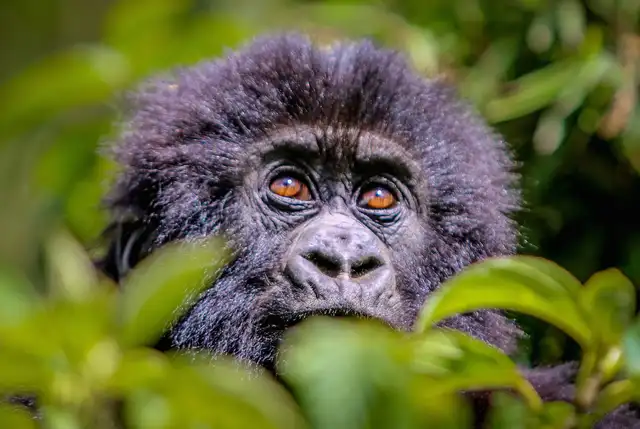
Wildlife holidays on a Rwanda tour feature gorilla trekking, primate tracking, Big Five safaris, birdwatching, and diverse landscapes, offering adventure and conservation focus
A Rwanda tour offers an exceptional wildlife experience, featuring gorilla trekking, primate tracking, Big Five safaris, birdwatching, and diverse landscapes. In Volcanoes National Park, visitors can encounter mountain gorillas and golden monkeys, while Nyungwe Forest is home to chimpanzees and colobus monkeys. Akagera National Park provides safaris with lions, elephants, leopards, rhinos, and buffaloes, along with zebras, giraffes, and hippos. Birdwatchers can spot rare species like the shoebill and grey crowned crane. A Rwanda tour also includes scenic lakes, volcanic hikes, and cultural interactions, creating a well-rounded adventure. The country’s strong conservation policies ensure sustainable tourism, making every visit meaningful. Whether exploring dense rainforests, open savannahs, or tranquil wetlands, a Rwanda tour delivers unmatched wildlife encounters, breathtaking landscapes, and immersive cultural experiences, making it one of Africa’s most rewarding destinations
Popular Rwanda Tour packages
2 day Gorilla trekking safari in Rwanda
2 Days Nyungwe Chimpanzee and Canopy Walk Safari in Rwanda
3 Days Gorilla and Golden Monkey Trekking Rwanda Tour
3 Days Safari to Rwanda and Uganda Gorilla Trekking
4 Days Luxury Gorilla Tracking Rwanda Tour
4 Days Primate Safari to Rwanda with Gorillas and Chimps
5 Days in Rwanda with Gorillas and Akagera Big Five Safari
8 Days Rwanda Cultural and Primate Experience
3Days Rwanda Safari Holiday with Gorilla Trekking
12 Days Rwanda Safari in Volcanoes, Nyungwe and Akagera National Park
Primate animal attractions on Rwanda tour
Mountain Gorilla
Mountain gorillas are one of the most sought-after highlights of any Rwanda tour, found in the dense forests of Volcanoes National Park. These majestic primates live in close-knit family groups, displaying deep social bonds and intelligence. Gorilla trekking allows visitors to observe their natural behaviors up close, guided by expert trackers. A permit is required for this unique experience, ensuring conservation efforts support their survival. Wildlife enthusiasts on a Rwanda tour can witness gorillas interacting, feeding, and nurturing their young, making it an unforgettable adventure in Rwanda’s misty highlands.
Eastern Chimpanzee
Eastern chimpanzees add an exciting dimension to a Rwanda tour, thriving in the lush rainforests of Nyungwe National Park. These intelligent primates communicate through vocalizations and gestures, forming complex social structures within their communities. Tracking them involves hiking through thick vegetation, where visitors can observe their interactions. Rwanda tour participants also have access to Nyungwe’s canopy walkway, providing an aerial view of the chimps’ habitat. Conservation efforts ensure their protection, making encounters with these fascinating animals a rewarding part of the experience.
Golden Monkey
Golden monkeys bring vibrancy to a Rwanda tour, their striking golden-orange fur contrasting beautifully with Volcanoes National Park’s green bamboo forests. These energetic primates leap gracefully between trees, providing an entertaining sight for visitors. Guided treks offer an easier alternative to gorilla trekking, allowing travelers to observe them without the strenuous hike. Rwanda tour participants learn about their feeding habits and group dynamics, gaining insight into their daily life. Their high-altitude adaptation and playful nature make them one of the most exciting primates to see in Rwanda’s forests.
Angolan Colobus Monkey
The Angolan colobus monkey is a striking species encountered on a Rwanda tour, particularly in Nyungwe National Park, These black-and-white primates form large troops, often numbering in the hundreds, creating an impressive spectacle. With long, flowing fur and graceful movements, they navigate the treetops effortlessly. Rwanda tour participants can watch them forage, groom, and communicate within their family groups during guided forest treks. Their peaceful nature and social bonds make observing them a fascinating experience, highlighting Rwanda’s rich primate diversity.
L’Hoest’s Monkey
L’Hoest’s monkeys are a fascinating species found on a Rwanda tour, inhabiting Nyungwe and Volcanoes National Parks, Recognizable by their deep-set eyes and white bibs, they are known for their shy demeanor and preference for forest undergrowth. Unlike other primates, they live in female-led groups, displaying unique social structures. Rwanda tour participants often spot them during guided forest hikes, where their cautious yet curious nature adds to the experience. Their presence enriches Rwanda’s biodiversity, making them a memorable primate to observe.
Vervet Monkey
Vervet monkeys are a common sight on a Rwanda tour, especially in the open landscapes of Akagera National Park. With distinctive black faces and silver-gray fur, they are highly adaptable and thrive in both forested and savannah environments. These social primates are often seen playing and grooming within their groups, offering entertaining sightings. Rwanda tour visitors can observe them near lodges, riverbanks, and along safari routes. Their playful interactions and widespread presence make them a delightful addition to any wildlife itinerary.
Olive Baboon
Olive baboons are a dominant primate species on a Rwanda tour, widely distributed across Akagera National Park and forested regions. They live in large, hierarchical troops and display impressive intelligence and problem-solving skills. As omnivores, they forage for fruits, insects, and small mammals, contributing to ecosystem balance. Rwanda tour guests can witness their social behaviors, including grooming, vocal communication, and interactions with younger members. Their adaptability allows them to thrive in diverse landscapes, making them an essential component of Rwanda’s wildlife.
Patas Monkey
Patas monkeys add diversity to a Rwanda tour, inhabiting the dry savannahs of Akagera National Park. Unlike other primates, they are ground-dwelling and known for their remarkable speed, reaching up to 55 km/h. Their reddish fur contrasts with the golden grasslands, making them easy to spot during game drives. Rwanda tour visitors can observe their agile movements and structured social groups, typically led by a dominant male. With a diet consisting of fruits, seeds, and small insects, they play a crucial role in the ecosystem, offering a unique primate sighting in Rwanda’s safari landscapes.
Blue Monkey
Blue monkeys add charm to any Rwanda tour, found in Nyungwe and Volcanoes National Parks. Their striking blue-gray fur and expressive faces make them easily recognizable as they forage in forest canopies. Though shy, they display social behaviors within their groups, moving gracefully through trees in search of food. Rwanda tour participants can observe them on guided hikes, learning about their interactions with other primates, including colobus monkeys. Their preference for dense vegetation ensures an enriching wildlife experience, offering insights into Rwanda’s rich biodiversity and the delicate balance of its ecosystems.
Bush Baby
Bush babies bring nocturnal wildlife encounters to a Rwanda tour, known for their large, reflective eyes and incredible jumping ability. These small primates are commonly heard rather than seen, with distinct calls echoing through the forests at night. Found across Rwanda’s woodland areas, including Nyungwe and Akagera, they navigate trees effortlessly in search of insects and fruits. Rwanda tour guests on night game drives have the best chance of spotting them, as they become active after sunset. Their secretive nature and acrobatic skills make them one of Rwanda’s most fascinating small primates.
Red-tailed Monkey
Red-tailed monkeys enhance primate diversity on a Rwanda tour, thriving in Nyungwe Forest’s dense canopy. Their long, striking tails and reddish-brown fur distinguish them from other species, making them easy to identify during forest treks. They are playful and curious, often engaging in social grooming and territorial calls. Rwanda tour participants can observe them alongside other primates, showcasing Rwanda’s interconnected wildlife ecosystem. Their adaptability and varied diet contribute to their success in forest environments, offering engaging wildlife sightings for travelers exploring Nyungwe’s primate-rich landscapes.
Grey-cheeked Mangabey
Grey-cheeked mangabeys contribute to primate on a Rwanda tour, residing in Nyungwe’s mid-elevation forests. These medium-sized monkeys, with their dark fur and distinctive cheek tufts, exhibit strong vocalizations to communicate within their groups. Unlike baboons, they prefer treetops but descend occasionally for food. Rwanda tour guests trekking through Nyungwe have the opportunity to watch their interactions with other primates, such as colobus monkeys. Their cautious movements and group dynamics provide an insightful wildlife experience, reflecting the complexity of Rwanda’s primate populations
Big Five and Large Mammals in Akagera National Park
African Lion
African lions are a key highlight of a Rwanda tour, reintroduced to Akagera National Park in 2015. As apex predators, they play a vital role in maintaining ecological balance. Rwanda tour visitors can spot them lounging in the grasslands or stalking prey during early morning and evening game drives. Their numbers have steadily grown since their return, contributing to Akagera’s thriving ecosystem. Watching lions in their natural habitat offers a powerful glimpse into Rwanda’s successful conservation efforts and the resilience of these majestic creatures.
African Elephant
African elephants are a dominant presence on a Rwanda tour, roaming Akagera’s savannahs and wetlands. Often seen near lakes, these massive animals display strong family bonds, with herds led by experienced matriarchs. Their interactions include protective behaviors, playful movements, and essential roles in shaping their environment. A Rwanda tour featuring boat safaris or game drives allows travelers to witness elephants drinking, bathing, and socializing, ensuring remarkable sightings. Their presence highlights Rwanda’s commitment to protecting one of Africa’s most iconic species.
African Leopard
African leopards are among the most elusive species on a Rwanda tour, hiding within Akagera’s dense woodlands and rocky terrains. Their solitary nature and nocturnal habits make them challenging to spot, with night game drives offering the best chances. Agile climbers, they often rest in trees and silently stalk prey under the cover of darkness. A Rwanda tour provides the opportunity to search for these secretive predators, showcasing their adaptability and stealth within Rwanda’s wilderness. Their rarity makes each sighting a valuable experience for safari enthusiasts.
Black Rhinoceros
Black rhinos were reintroduced to Akagera in 2017, reinforcing Rwanda’s conservation efforts and adding to its wildlife diversity. On a Rwanda tour, spotting one of these critically endangered animals is a rare and special experience. Their preference for dense bush makes sightings difficult, but guided safaris increase the likelihood of observing their movements. Their hooked upper lip allows them to browse shrubs, distinguishing them from white rhinos. A Rwanda tour supports conservation initiatives aimed at safeguarding these incredible mammals for future generations.
White Rhinoceros
White rhinos were introduced to Akagera in 2021, strengthening Rwanda’s role in protecting endangered species. These large, social grazers differ from black rhinos by their square-shaped lips and preference for open grasslands. A Rwanda tour through Akagera provides opportunities to watch them feeding, resting, and interacting in their groups. As conservation efforts progress, their presence in Rwanda enhances the safari experience, ensuring travelers witness Africa’s most iconic wildlife in a protected environment. Their survival reflects Rwanda’s dedication to restoring ecosystems and preventing poaching.
African Buffalo
African buffaloes are a formidable sight on a Rwanda tour, moving in large, cohesive herds across Akagera’s landscapes. With powerful builds and strong group dynamics, they defend themselves from predators like lions. They are often seen near water sources, where they wallow and socialize. A Rwanda tour through Akagera provides multiple opportunities to observe their behaviors up close during safari drives. Their resilience makes them one of the most intriguing animals to watch, demonstrating the complex interactions of Rwanda’s wildlife.
Masai Giraffe
Masai giraffes are a striking feature of a Rwanda tour, towering over the landscape with their long necks and distinctive patterned coats. They were introduced to Akagera in recent years, thriving in the open plains and acacia woodlands. Their slow movements and graceful browsing habits make them easy to observe during daytime safaris. A Rwanda tour gives travelers the chance to watch them feeding, interacting, and even engaging in gentle neck-battling displays, a behavior typical of males establishing dominance. Their presence adds elegance to Rwanda’s safari experience.
Plains Zebra
Plains zebras add vibrancy to a Rwanda tour, forming large herds that traverse Akagera’s savannahs. Their black-and-white striped coats help with camouflage and social bonding, making them fascinating to observe. Game drives provide excellent viewing opportunities as they graze, move in unison, and interact with other herbivores. A Rwanda tour showcases their dynamic herd behaviors, highlighting their role in Rwanda’s rich ecosystem. Their constant movement and social nature make them an exciting addition to any safari.
Hippopotamus
Hippopotamuses are an unmistakable presence on a Rwanda tour, inhabiting Akagera’s lakes and the waters of Lake Kivu. During the day, they submerge themselves to stay cool, emerging at night to graze on land. Boat safaris offer intimate viewing experiences, as travelers witness them displaying territorial behaviors, such as vocalizing and mock fights. A Rwanda tour allows close encounters with these massive mammals while learning about their vital role in aquatic ecosystems. Their dominance in water-based environments makes them one of Rwanda’s most interesting animals to observe.
Spotted Hyena
Spotted hyenas are an essential part of a Rwanda tour, playing a crucial role in maintaining balance within Akagera’s predator-prey dynamics. Often misunderstood, they are highly intelligent and social animals, living in structured clans. Their powerful jaws and scavenging abilities make them vital for ecosystem health. A Rwanda tour featuring night game drives increases the chances of spotting hyenas as they hunt or interacts with their clans. Their vocalizations and complex behaviors provide insight into the adaptability of Rwanda’s carnivores.
Side-Striped Jackal
Side-striped jackals add diversity to a Rwanda tour, roaming Akagera’s woodlands and grasslands. Unlike black-backed jackals, they are more secretive, often hunting small prey and scavenging during quieter hours. Their adaptability allows them to coexist with larger predators, avoiding direct conflict. A Rwanda tour through Akagera provides rare glimpses of these cautious animals, highlighting their ability to survive in varied environments. Their presence, though subtle, adds depth to Rwanda’s nighttime and early-morning wildlife experiences
Smaller Mammals to See on Rwanda Tour
Serval Cat
A serval cat is one of the most elusive species on a Rwanda tour, found in Akagera National Park’s grasslands. Known for its long legs and spotted coat, it is a skilled hunter with an extraordinary ability to leap high while catching prey. Nocturnal by nature, servals are best seen during night drives where they silently stalk rodents and birds. Conservation efforts in Rwanda help protect these elegant felines, ensuring that visitors on a Rwanda tour have the chance to witness them thriving in their natural habitat.
Civet Cat
Spotting a civet cat is a rare delight on a Rwanda tour, as these secretive nocturnal animals roam the forests of Nyungwe and Akagera. With a musky scent used in the perfume industry, civets have a fascinating ecological role. Their omnivorous diet includes fruit, insects, and small vertebrates, making them adaptable to various environments. They are most active at night, with guided walks increasing the chances of seeing them. A Rwanda tour provides the opportunity to observe these intriguing mammals, adding depth to Rwanda’s rich biodiversity.
Genet
Genets are widespread across Rwanda, making them a common yet elusive sight on a Rwanda tour. Their slender bodies, spotted coats, and long tails enable them to navigate forest canopies with ease. Though solitary and nocturnal, they are occasionally spotted near lodges and camps. Their diet consists of small rodents and insects, aiding in ecosystem balance. Observing genets on a Rwanda tour requires patience, but their presence highlights Rwanda’s diverse nocturnal wildlife, offering insight into the country’s intricate food chain.
Bushbaby
Bushbabies are among the most intriguing primates encountered on a Rwanda tour, especially in Nyungwe Forest during night walks. These small creatures have large, reflective eyes that help them navigate the dark while leaping effortlessly between trees. Their vocal calls echo through the forest, alerting visitors to their presence. Feeding on fruits and insects, bushbabies play a crucial role in forest ecosystems. A Rwanda tour focused on nocturnal wildlife offers excellent opportunities to observe these fascinating primates in action.
Warthog
Warthogs are a common sight in Akagera National Park, making them an essential part of any Rwanda tour. Recognized by their large heads, curved tusks, and bristly manes, they thrive in savannah landscapes. These sturdy animals graze on grass, using their strong snouts to dig for roots. Despite their rugged appearance, they are surprisingly fast runners when faced with predators. During a Rwanda tour, travelers can observe warthogs in groups known as sounders, adding to the diversity of herbivores in Rwanda’s national parks.
Bushbuck
Bushbucks are one of the most adaptable antelope species spotted on a Rwanda tour, inhabiting forest edges and national parks. With reddish-brown coats marked by white spots, they blend seamlessly into their surroundings. Unlike other antelopes, bushbucks prefer solitude, quietly moving through vegetation rather than forming large herds. Their cautious nature makes sightings rewarding for visitors on a Rwanda tour, offering a glimpse into their elusive behaviors and role in Rwanda’s rich wildlife ecosystem.
Defassa Waterbuck
Defassa waterbucks are large antelopes frequently seen near water sources in Akagera, making them a memorable part of a Rwanda tour. Their shaggy coats and distinctive white rumps set them apart, while their preference for riverbanks ensures excellent safari sightings. Strong swimmers, they rely on water for safety from predators. During a Rwanda tour, travelers can observe these antelopes in herds, often resting or grazing near wetlands, showcasing their importance in maintaining balance within Rwanda’s ecosystems.
Topi
Topis add movement and energy to a Rwanda tour, thriving in Akagera’s open grasslands. Their reddish-brown coats and dark facial markings make them easily recognizable during safari drives. Fast runners, they rely on speed and endurance to evade predators while covering long distances in search of fresh grazing areas. Visitors on a Rwanda tour can witness males engaging in territorial displays, adding an exciting dynamic to the wildlife experience. Their presence enhances the diversity of antelopes in Rwanda’s savannah landscapes.
Oribi
Oribis are small, graceful antelopes often spotted during a Rwanda tour in Akagera National Park. With slender builds and reddish coats, they favor open landscapes where they rely on speed to escape predators. Unlike larger antelopes, oribis are usually seen alone or in pairs, grazing on short grass. Observing them on a Rwanda tour provides insight into their role within Rwanda’s savanna ecosystems, making them a rewarding sight for wildlife enthusiasts
Highlight Bird Species to See on Rwanda Tour
Grey Crowned Crane
The grey crowned crane is the most bird species on a Rwanda tour, recognized as Rwanda’s national bird. With its elegant golden crown and graceful movements, it thrives in wetlands and open grasslands. Found across the country, this species plays a vital role in local ecosystems. Conservation efforts focus on protecting its habitat, ensuring stable populations. A Rwanda tour provides opportunities to observe these cranes performing their elaborate courtship dances, reinforcing their cultural and ecological significance. Their striking presence makes them one of the most rewarding birds to see in Rwanda’s diverse landscapes.
Shoebill
A rare and fascinating bird to spot on a Rwanda tour, the shoebill lurks in the papyrus swamps of Akagera National Park. Its prehistoric appearance, characterized by a massive bill and towering frame, makes it one of Africa’s most sought-after sightings. Despite its intimidating features, it remains motionless for long periods before striking swiftly at fish. A Rwanda tour through Akagera offers dedicated birdwatching excursions to locate this elusive species. With shrinking habitats threatening its survival, conservation efforts are essential to ensure future generations can marvel at its unusual beauty.
Great Blue Turaco
The great blue turaco is an unmistakable sight on a Rwanda tour, thriving in the dense forests of Nyungwe. With vibrant blue-green plumage and striking red and yellow facial markings, it is considered one of Africa’s most beautiful birds. Known for its melodious calls, this fruit-eating species plays a crucial role in forest regeneration. A Rwanda tour includes guided birdwatching walks in Nyungwe, where visitors can observe turacos gliding between branches. Their presence highlights Rwanda’s biodiversity, reinforcing the importance of protecting tropical forest habitats for rare and colorful bird species.
Ruwenzori Turaco
A Rwanda tour through Volcanoes National Park offers the chance to see the rare Ruwenzori turaco, an Albertine Rift endemic. With shimmering green and crimson feathers, it blends seamlessly into the montane forest canopy. Unlike its larger turaco relatives, it remains within high-altitude regions, foraging for fruit and insects. Guided treks in Volcanoes National Park enhance the opportunity to spot this elusive bird. A Rwanda tour allows visitors to admire its beauty while exploring Rwanda’s mountain ecosystems, ensuring a deeper appreciation for the country’s avian diversity.
African Fish Eagle
One of the most recognizable birds on a Rwanda tour, the African fish eagle is often seen soaring over Akagera’s lakes and rivers. Its distinct call, a loud, melodious cry, echoes across the park’s wetlands. With sharp talons and keen eyesight, it swoops down to capture fish, displaying remarkable hunting precision. A Rwanda tour featuring boat safaris on Lake Ihema provides prime opportunities to observe this magnificent raptor. Its presence symbolizes the health of Rwanda’s aquatic ecosystems, reinforcing the balance between land and water wildlife.
Papyrus Gonolek
A Rwanda tour through Akagera’s wetlands introduces birdwatchers to the striking papyrus gonolek, a species that thrives in dense papyrus reeds. With brilliant red underparts and black upper plumage, it remains well-hidden, often detected by its loud duet calls. Unlike many songbirds, its preference for wetland environments makes sightings challenging. Guided birdwatching excursions offer the best chances of observing its secretive behavior. A Rwanda tour dedicated to avian diversity ensures the chance to appreciate this rare bird while supporting conservation efforts in fragile wetland habitats
Reptiles and Amphibians to See on Rwanda Tour
Nile Crocodile
The Nile crocodile is one of the most formidable species on a Rwanda tour, thriving in the waters of Akagera National Park and Lake Kivu. As Africa’s largest crocodilian, it reaches lengths of up to six meters, with powerful jaws capable of taking down large prey. Often seen basking along riverbanks or gliding silently beneath the surface, these reptiles play a crucial role in aquatic ecosystems. Boat safaris offer safe viewing opportunities, allowing visitors on a Rwanda tour to observe their behaviors while appreciating their importance in maintaining ecological balance.
African Rock Python
The African rock python is a fascinating predator on a Rwanda tour, found in the savannahs and wetlands of Akagera National Park. As one of Africa’s largest snakes, it can grow over five meters long, using constriction to subdue prey such as antelopes, birds, and rodents. Though non-venomous, its sheer size and strength make it an impressive sight in the wild. A Rwanda tour through Akagera provides opportunities to spot these powerful reptiles coiled in trees or hidden in tall grasses, reinforcing Rwanda’s rich biodiversity and unique reptile encounters.
Chameleons
Chameleons add color to a Rwanda tour, inhabiting the dense forests of Nyungwe, where their slow movements and camouflage abilities make them masters of disguise. These remarkable reptiles shift skin tones to regulate temperature and communicate, blending seamlessly with the vegetation. Their independently moving eyes allow for a 360-degree view, helping them locate insects. Forest walks during a Rwanda tour offer excellent chances to find these intriguing creatures clinging to branches. Their presence in Rwanda’s tropical
rainforests underscores the country’s exceptional biodiversity and reptile diversity.
Tree Frogs
Tree frogs enhance the nocturnal experience on a Rwanda tour, thriving in Nyungwe’s wet landscapes. Their vibrant colors and delicate calls create a rich nighttime symphony, signaling the health of Rwanda’s forests. These tiny amphibians rely on moisture-rich habitats for survival, often found clinging to leaves near streams. Guided night walks provide opportunities to locate them, adding a different dimension to wildlife exploration. A Rwanda tour through Nyungwe reveals the intricate role tree frogs play in the ecosystem, making them a small but vital species to appreciate
How to get on Rwanda tour
Getting on a Rwanda tour begins with a flight into Kigali International Airport (KGL), the country’s main gateway. Airlines like RwandAir, Qatar Airways, and Ethiopian Airlines offer direct or connecting flights from major cities. Travelers can also enter Rwanda by land from Uganda, Tanzania, Burundi, or the Democratic Republic of the Congo via designated border posts. A visa is required, obtainable online or on arrival. A Rwanda tour ensures smooth entry and access to top wildlife destinations, making travel convenient and well-organized
Best time to go for Rwanda tour
The best time for a Rwanda tour is during the dry seasons, which run from June to September and December to February. These months offer clear skies, easier trekking conditions, and better wildlife visibility, especially for gorilla trekking in Volcanoes National Park and safaris in Akagera National Park. The wet seasons, from March to May and October to November, bring lush landscapes but can make trekking more challenging due to muddy trails. Birdwatching is particularly rewarding in October and November, when migratory species arrive. A Rwanda tour can be enjoyed year-round, but timing your visit enhances the experience
Why book Rwanda tour with Lamz Tours and Travel
Booking with Lamz Tours and Travel ensures a seamless and immersive Rwanda tour, offering expertly crafted itineraries tailored to diverse travel preferences. We specialize in mountain gorilla trekking, wildlife safaris, birdwatching, and cultural experiences, ensuring travelers enjoy Rwanda’s breathtaking landscapes and rich biodiversity. With experienced guides, superior vehicles, and a commitment to conservation, Lamz Tours and Travel prioritizes responsible tourism while delivering unforgettable adventures. Our attention to detail and professionalism make every Rwanda tour well-organized and rewarding
Ready to plan your safari?
Talk to a Lamz Tours specialist and get a tailor-made quote.
Make an enquiry