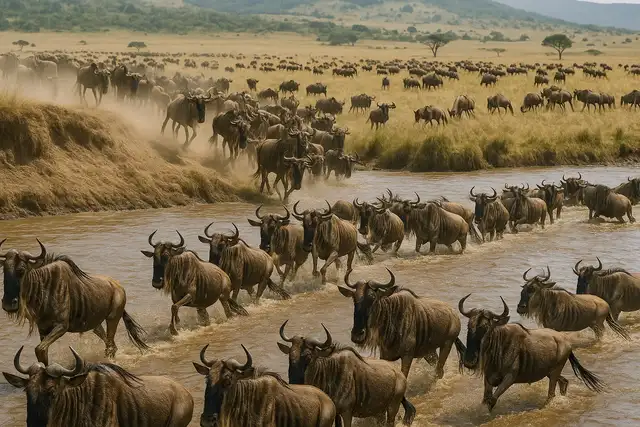
Masai Mara National Park safari offers Great Migration drama, Big Five sightings, birding, cultural visits, and year-round wildlife experiences for all travelers
Best Kenya safari packages
3-days-luxury-fly-in-safari-to-masai-mara
3-days-amboseli-national-park-safaris
4-days-masai-mara-and-lake-nakuru-safari
4-days-wildlife-safari-in-kenya
5-days-amboseli-and-tsavo-west-wildlife-safari
6-days-wildlife-safari-in-kenya
7-day-luxury-kenya-safari-holiday
7-days-kenya-wildlife-safari-tour
7-days-kenya-wildlife-safari-and-beach-holiday
8-days-luxury-kenya-safaris-and-mombasa-beach-tour
8-days-samburu-lake-nakuru-and-masai-mara-safari
8-days-magical-kenya-wildlife-safari
9-days-best-of-kenya-safari-and-diane-beach-tour
9-day-kenya-wildlife-safari-experience
10-days-kenya-uganda-wildlife-safari---gorilla-and-chimpanzees-trekking
Why choose Masai Mara National Park safari
Choosing a Masai Mara National Park safari is about experiencing one of Africa’s richest wildlife reserves where every day offers something remarkable. The park is home to the Big Five, vast herds of wildebeest, zebras, and antelopes, and predators like lions and cheetahs that thrive in its open plains. The Great Migration between July and October is a spectacle unmatched anywhere else, drawing travelers from across the globe. Beyond wildlife, a Masai Mara National Park safari provides cultural depth through visits to Maasai villages, giving insight into traditional ways of life. Accessibility from Nairobi by road or air makes planning simple, while a wide range of lodges ensures comfort for every budget. With year-round wildlife and diverse activities, the Mara consistently delivers value and memorable experiences
The Best and Right Time to Visit for Masai Mara National Park Safari
 The best time for a Masai Mara National Park safari is during the dry season from July to October, when the Great Migration takes place. Millions of wildebeest and zebras cross the Mara River, creating dramatic wildlife scenes that attract predators. This period offers clear skies, short grass, and easy visibility, making game drives highly rewarding. Masai Mara National Park safari during these months is considered peak season, so travelers should book early to secure lodges and camps. For those seeking guaranteed action and predator sightings, this window provides the most consistent safari value.
Another excellent time for a Masai Mara National Park safari is January to February, known as the short dry season. Wildlife is concentrated around water sources, and calving season brings thousands of newborn animals. Predators are active, taking advantage of the abundance of prey, which makes sightings frequent and dramatic. Masai Mara National Park safari during these months is less crowded compared to mid-year, offering a more relaxed experience. The weather is warm and clear, with minimal rainfall, ensuring comfortable game drives. This period is ideal for travelers who want strong wildlife activity without the busyness of peak migration season.
Masai Mara National Park safari in November and December also provides good value, as the short rains refresh the plains without making roads impassable. The landscape turns green, attracting herbivores and bird species, while predators remain active. Masai Mara National Park safari during this time is more affordable, with lodges offering reduced rates. Travelers benefit from fewer crowds, making sightings more personal and less competitive. While the migration may have moved south, resident wildlife ensures consistent game viewing. This season suits visitors who prefer balance between cost, comfort, and wildlife diversity.
April and May mark the long rains, a quieter period for Masai Mara National Park safari. Heavy showers make some roads muddy, but the park remains open and wildlife is still present. Lodges often reduce prices significantly, making this the most budget-friendly time to visit. Masai Mara National Park safari in these months is best for travelers who prioritize solitude and scenery over predator action. Birdwatching is excellent, with migratory species thriving in the refreshed environment. Though sightings may be less predictable, the green landscapes and peaceful atmosphere appeal to those seeking a slower pace.
Masai Mara National Park safari is flexible year-round, with each season offering unique highlights. While July to October is famous for migration drama, other months provide quieter yet rewarding experiences. Masai Mara National Park safari in the off-peak seasons ensures travelers avoid crowds and enjoy more personalized guiding. Families, photographers, and birdwatchers often prefer these times, as they balance wildlife with comfort. The park’s diverse ecosystems guarantee sightings regardless of season, making it a reliable destination. Travelers can plan based on personal priorities, whether it’s migration, predator action, or affordability.
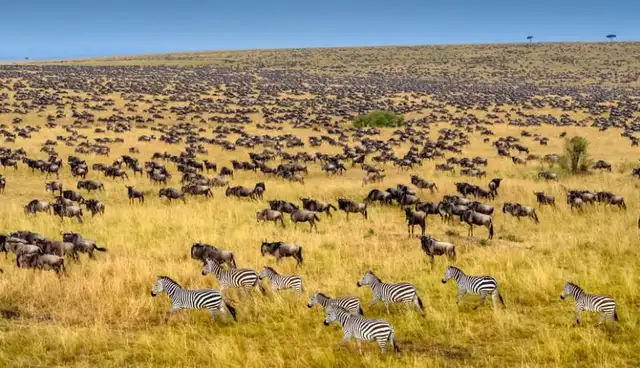
For first-time visitors, the dry season from June to October remains the most recommended period for a Masai Mara National Park safari. Wildlife density, predator activity, and the migration spectacle combine to deliver maximum value. Masai Mara National Park safari during this time ensures travelers experience the park at its most dramatic. However, those returning or seeking quieter experiences may find January to March or November to December equally rewarding. The key is aligning travel dates with personal interests and expectations. Tanzania’s Serengeti often complements the Mara, creating cross-border safari itineraries for migration-focused travelers.
Ultimately, the right time for a Masai Mara National Park safari depends on what travelers want most migration drama, predator sightings, birding, or affordability. Each season has strengths, and the park’s year-round wildlife ensures no visit is wasted. Masai Mara National Park safari remains one of Africa’s most reliable destinations, offering consistent value across months. By planning carefully and considering seasonal highlights, travelers can match their safari to their budget and interests. Whether peak season or quieter months, the Mara delivers experiences that justify its reputation as a premier safari destination
What are the top attractions to see on Masai Mara National Park safari
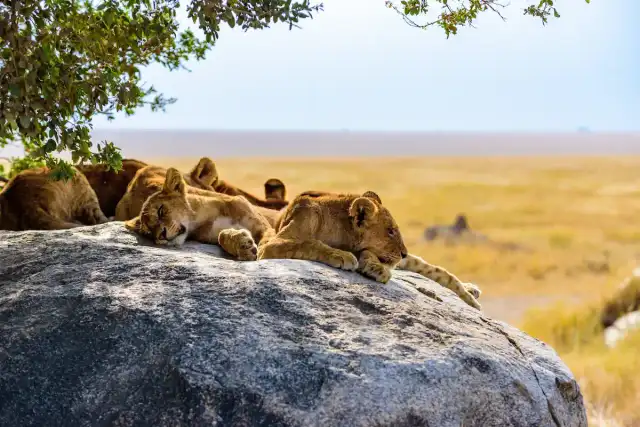
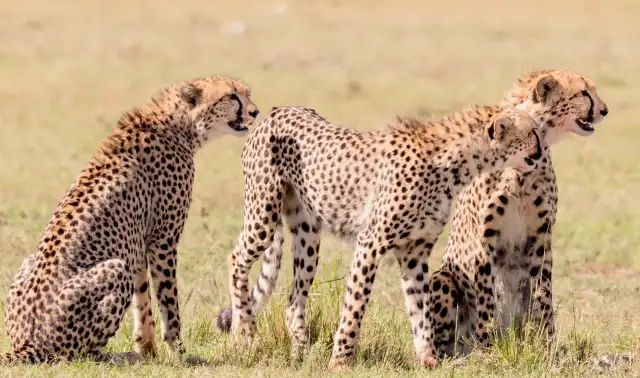
On a Masai Mara National Park safari, travelers are treated to a wide range of attractions that make the park one of Africa’s most rewarding destinations. The Great Migration is the highlight, with millions of wildebeest and zebras crossing the Mara River between July and October, often pursued by crocodiles and predators. Beyond the migration, Masai Mara National Park safari offers consistent Big Five sightings, with lions, leopards, elephants, buffalo, and rhinos thriving in the reserve. Birdwatchers enjoy over 470 species, while open plains provide clear views of cheetahs and hyenas. Cultural visits to nearby Maasai villages add depth, giving travelers insight into traditional lifestyles. Scenic hot air balloon rides and guided walking safaris further enhance the experience, ensuring every visit feels complete
Best safari activities to do during Masai Mara National Park safari
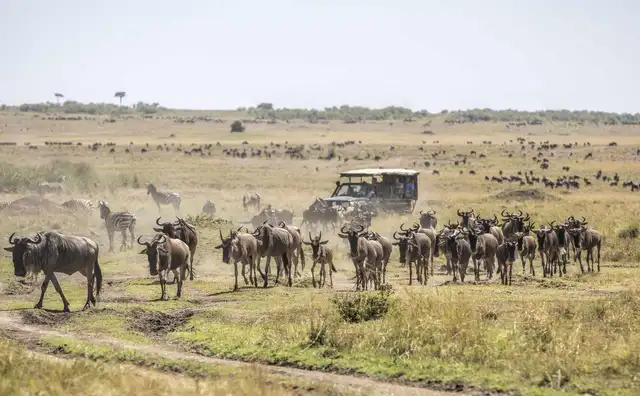
African safari activities in Masai Mara National Park safari are diverse and designed to give travelers a complete experience of wildlife, culture, and landscapes. Game drives remain the foundation, offering close views of lions, elephants, and the Great Migration herds. Yet, the park also provides balloon safaris at sunrise, giving guests panoramic views of the plains and river crossings. Masai Mara National Park safari activities are enhanced by guided walking tours, where smaller animals, plants, and tracks are explained in detail. These varied options ensure that visitors enjoy both large-scale wildlife spectacles and intimate bush experiences.
Masai Mara National Park safari also integrates cultural visits with the Maasai community, allowing travelers to learn about traditional practices, dances, and pastoral life. These visits are conducted respectfully, avoiding staged performances, and add depth to the wildlife-focused itinerary. Masai Mara National Park safari therefore balances natural wonders with human heritage, giving travelers a broader understanding of the region. This cultural dimension makes the safari more meaningful, as guests connect with the people who live alongside the wildlife. For many, this combination of culture and nature is what makes the Mara stand out among other safari destinations.
Another highlight of Masai Mara National Park safari is the seasonal drama of the Great Migration. Between July and October, millions of wildebeest and zebras cross the Mara River, often pursued by crocodiles and predators. This spectacle is unmatched in scale and intensity, drawing visitors from around the world. Masai Mara National Park safari during this time ensures travelers witness one of nature’s most dramatic events. Guides position vehicles at safe viewing points, allowing guests to see the crossings without disturbing the animals. For photographers and wildlife lovers, this activity provides some of the most memorable safari moments.
Masai Mara National Park safari also caters to birdwatchers, with over 470 species recorded in the reserve. From colorful bee-eaters to large raptors, the diversity is impressive. Birding is especially rewarding during the wet season, when migratory species arrive. Masai Mara National Park safari activities often combine birdwatching with game drives, ensuring variety for travelers. This makes the park suitable for mixed-interest groups, where some focus on mammals while others enjoy birdlife. The abundance of species guarantees that every safari feels rich and rewarding, even beyond the Big Five.
Finally, Masai Mara National Park safari offers relaxation options that balance the intensity of wildlife viewing. After long game drives, travelers can enjoy sundowners in the bush, private dinners under the stars, or peaceful evenings at lodges overlooking the plains. Masai Mara National Park safari therefore solves the common issue of safari fatigue, giving guests time to rest while still feeling connected to nature. This mix of adventure and relaxation ensures that every visit is complete, appealing to families, couples, and solo travelers alike. The Mara’s ability to combine action with comfort makes it one of Africa’s most versatile safari destinations
How to get there for Masai Mara National Park safari
Getting to Masai Mara National Park safari is straightforward, with Nairobi serving as the main gateway. Most travelers arrive at Jomo Kenyatta International Airport and then transfer to Wilson Airport for domestic flights to airstrips inside the reserve, such as Keekorok or Ol Kiombo. These flights take about 45 minutes and save time compared to road travel. For those preferring ground transfers, safari operators provide 4x4 vehicles for the five to six-hour drive from Nairobi, which also allows scenic views of the Rift Valley along the way. Masai Mara National Park safari is therefore accessible by both air and road, giving travelers flexibility depending on budget, time, and preference. This convenience makes planning a safari to the Mara simple and reliable
How much is a Masai Mara National Park safari
A Masai Mara National Park safari can cost anywhere from $250 to over $1,500 per person per day, depending on the level of comfort and exclusivity chosen. Budget safaris with shared vehicles and basic campsites usually range between $250–$400 daily, while mid-range options with comfortable lodges and private guides average $500–$800. Luxury safaris, featuring fly-in transfers, exclusive tented camps, and personalized services, often exceed $1,000 per day. Park fees, transport, and seasonal demand—especially during the Great Migration also influence costs. On average, travelers should plan for about $600 per person per day for a balanced mid-range experience. This flexibility ensures Masai Mara National Park safari can suit backpackers, families, and luxury seekers
Best safari tips for experiencing Masai Mara National Park safari
For the best experience during a Masai Mara National Park safari, travelers should plan ahead and follow practical tips that maximize both comfort and wildlife viewing. Booking early is essential, especially during the Great Migration season, as lodges and camps fill quickly. Packing light but smart—neutral clothing, binoculars, sunscreen, insect repellent, and a good camera—ensures readiness for long game drives. Listening to guides and respecting park rules keeps both visitors and animals safe. A Masai Mara National Park safari is most rewarding when travelers remain patient, as sightings often require time and focus. Combining early morning and late afternoon drives increases chances of seeing predators and active wildlife. Finally, balancing adventure with rest allows guests to enjoy the safari fully without fatigue.
Another useful tip for a Masai Mara National Park safari is to plan your daily schedule carefully to maximize wildlife viewing. Early morning and late afternoon drives are the most productive, as animals are more active during cooler hours. Midday can be reserved for rest at the lodge, reviewing photos, or enjoying cultural activities with the Maasai community. A Masai Mara National Park safari is also enhanced by choosing experienced guides who know animal behavior and can position vehicles for the best views without disturbing wildlife. Flexibility is important weather and animal movements can change plans quickly, so keeping an open mindset ensures a smoother experience. This approach helps travelers enjoy both comfort and consistent wildlife action throughout their stay
Best lodges to stay in for Masai Mara National Park safari
The best lodges for a Masai Mara National Park safari range from intimate eco-camps to ultra-luxury tented retreats, offering travelers comfort, prime wildlife access, and authentic experiences. Options like Porini Lion Camp, Angama Mara, and Sanctuary Olonana are highly rated for exclusivity, while Mara Serena Safari Lodge and Sarova Mara Game Camp provide excellent mid-range choices with strong game-viewing opportunities. For travelers seeking luxury and exclusivity, lodges such as Angama Mara, Cottar’s 1920s Camp, and Sanctuary Olonana stand out. Angama Mara sits on the Oloololo Escarpment, offering sweeping views of the Mara plains and direct access to migration routes. Cottar’s 1920s Camp blends vintage safari style with modern comfort, while Sanctuary Olonana provides riverside suites with private decks overlooking the Mara River. These lodges emphasize personalized service, gourmet dining, and prime wildlife positioning, making them ideal for couples, honeymooners, or travelers wanting a premium safari experience.
For mid-range and family-friendly stays, Mara Serena Safari Lodge, Sarova Mara Game Camp, and Kichwa Tembo Tented Camp are excellent choices. Mara Serena offers panoramic views from its hilltop location, while Sarova Mara combines resort-style amenities with proximity to wildlife-rich areas. Kichwa Tembo, located near the Oloololo Escarpment, provides tented accommodations with strong guiding and cultural experiences. Budget-conscious travelers can also consider Basecamp Adventure near Talek Gate, which balances affordability with eco-luxury and community engagement. These lodges ensure comfort, accessibility, and reliable game drives, making them suitable for families, groups, or travelers seeking value without compromising on wildlife encounters
Booking Masai Mara National Park safari with Lamz Tours and Travel
Choosing Lamz Tours and Travel for a Masai Mara National Park safari guarantees travelers a well-structured, authentic, and value-driven experience. As a trusted operator, Lamz Tours and Travel manages all logistics including park fees, transport, accommodation, and professional guiding, ensuring a smooth and stress-free process. Booking with them also supports conservation and local communities, as they emphasize responsible tourism practices. A Masai Mara National Park safari arranged through Lamz Tours and Travel covers prime wildlife areas, giving guests access to the Great Migration, Big Five sightings, and cultural visits with the Maasai. Their expertise in seasonal planning and wildlife behavior ensures travelers maximize both time and investment, making Lamz Tours and Travel a reliable partner for exploring Kenya’s most famous safari destination
Ready to plan your safari?
Talk to a Lamz Tours specialist and get a tailor-made quote.
Make an enquiry