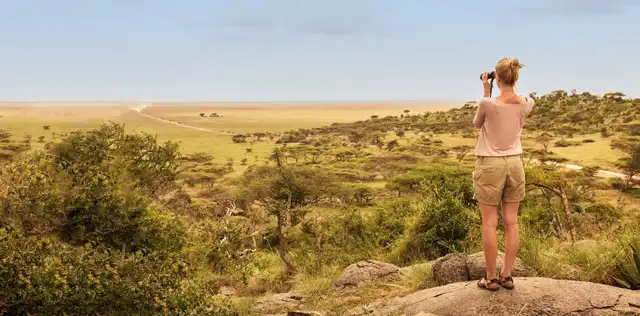
Plan your Tanzania tour safari during the dry season for reliable wildlife viewing, smooth park access, and rewarding migration sightings.
Wondering when to go for a Tanzania tour safari? Timing matters more than most travelers realize. The dry season from June to October is widely considered the best window, offering reliable wildlife sightings, cooler temperatures, and easier access to parks. During these months, animals gather around rivers and waterholes, making game drives in Serengeti, Tarangire, and Ruaha especially productive. Roads are passable, skies are clear, and the Great Migration peaks with dramatic river crossings in northern Serengeti. If you’re planning a Tanzania tour safari focused on wildlife, photography, or multi-park itineraries, this season delivers the most consistent results.
That said, January to February also offers unique value, especially for travelers interested in calving season in southern Serengeti. Wildebeest give birth in large numbers, attracting predators and offering rare wildlife interactions. Birdwatchers benefit from migratory species, and the green landscape adds contrast to your photos. Lodges may be quieter, and prices slightly lower than peak months. Avoid the long rainy season from March to May if your Tanzania tour safari depends on road access and game drives. Heavy rains can limit movement and reduce visibility. Whether you’re chasing the migration or looking for a quieter safari, choosing the right time ensures your experience is smooth, rewarding, and well-paced
Popular Tanzania safari packages
2-days-fly-in-serengeti-safari-in-tanzania
2-days-tarangire-national-park-and-ngorongoro-crater-safari
3-days-tanzania-safari-in-serengeti-national-park
3-days-tanzania-wildlife-safari
4-days-epic-tanzania-wildlife-and-culture-safari
5-day-kenya-and-tanzania-safari
5-days-circuit-wildlife-safari-in-tanzania
6-days-ndutu-migration-safari-calving-season
8-day-serengeti-ngorongoro-crater-and-zanzibar
8-days-wildlife-and-beach-holiday-tanzania
The Best and prime time to experience things to do on Tanzania tour safari
The best time to experience Tanzania tour safari activities is during the dry season from June to October, when wildlife viewing is most reliable and park access is easier.The dry season from June to October is widely considered the prime time for a Tanzania tour safari. During these months, animals gather around water sources, making game drives in parks like Serengeti, Tarangire, and Ruaha highly productive. Vegetation is thinner, improving visibility, and the weather is cooler with minimal rainfall. This period is ideal for travelers who want consistent wildlife sightings and comfortable conditions. Whether you're planning a classic Tanzania tour safari or combining it with beach time in Zanzibar, June to October offers the most stable logistics and rewarding experiences.
If your Tanzania tour safari focuses on the Great Migration, the best months are June to July for the Grumeti River crossings and August to September for dramatic Mara River crossings in northern Serengeti. These events attract predators and offer intense wildlife action. Booking early is essential, as lodges and camps fill up quickly during migration season. A Tanzania tour safari during this time also benefits from cooler temperatures and dry roads, which make travel between parks smoother. For photographers and wildlife enthusiasts, this is the most dynamic window to plan your trip.
For travelers interested in calving season and lush landscapes, January to February is another excellent time for a Tanzania tour safari. This is when wildebeest give birth in southern Serengeti, attracting predators and offering unique wildlife interactions. The short dry spell between rains makes it easier to move around, and the green scenery adds contrast to your photos. A Tanzania tour safari during this period is also great for birdwatching, as migratory species are present. Lodges in the southern circuit offer quieter experiences, and prices may be slightly lower than peak migration months.
Avoid the long rainy season from March to May if your Tanzania tour safari depends on game drives and road access. Heavy rains can make some areas impassable, and wildlife disperses into thicker vegetation. However, this period may suit budget travelers or those focused on birding and photography in lush settings. A Tanzania tour safari in the green season offers fewer crowds and discounted rates, but it requires flexibility and waterproof gear. If you’re planning a multi-park itinerary or want to include Kilimanjaro or Zanzibar, dry months remain the most practical and rewarding choice.
How to get there to Tanzania tour safari at best time
To get to your Tanzania tour safari at the best time typically June to October start by booking an international flight to Kilimanjaro International Airport (JRO) or Julius Nyerere International Airport (DAR) in Dar es Salaam. Kilimanjaro is ideal for northern circuit safaris like Serengeti, Ngorongoro, and Tarangire, while Dar es Salaam suits southern parks like Ruaha and Selous. Most travelers arrive a day before their safari begins to rest and meet their guide. Tanzania tour safari operators usually include airport transfers and handle all internal logistics, including 4x4 vehicles, domestic flights, and park entry coordination.
Once in Tanzania, your safari operator will arrange private transport or short domestic flights to reach the parks efficiently. For example, from Arusha to Serengeti, you can drive or fly depending on your budget and time. Tanzania tour safari packages often include all transfers, so you won’t need to navigate public transport. Booking early during peak months ensures better flight options and lodge availability. Always confirm your arrival airport matches your safari route, and check visa requirements in advance. A well-planned arrival sets the tone for a smooth and rewarding safari experience
Top parks to visit for Tanzania tour safari
Top parks to visit for a Tanzania tour safari include Serengeti, Ngorongoro Crater, and Tarangire each offering distinct wildlife experiences and seasonal advantages.The Serengeti National Park is the most famous destination for a Tanzania tour safari, especially during the Great Migration from June to October. Over a million wildebeest, zebras, and gazelles move across the plains, attracting predators and offering dramatic wildlife viewing. The park’s vast open landscapes make it ideal for game drives and photography. A Tanzania tour safari in Serengeti also includes access to luxury tented camps and mobile units that follow the migration path, ensuring you’re always near the action.
Ngorongoro Crater is another prime stop on a Tanzania tour safari, known for its dense concentration of wildlife within a collapsed volcanic caldera. You can see the Big Five lion, leopard, elephant, buffalo, and rhino within a single day. The crater’s enclosed ecosystem supports year-round sightings, making it ideal for travelers with limited time. A Tanzania tour safari here also offers cultural visits to nearby Maasai villages and easy access from Arusha, making it a popular choice for first-time visitors.
Tarangire National Park is best visited from June to October and is known for its large elephant herds and ancient baobab trees. It’s less crowded than Serengeti or Ngorongoro, offering a quieter Tanzania tour safari experience. The park’s river attracts animals during the dry season, making game drives productive and relaxed. A Tanzania tour safari in Tarangire is often paired with Lake Manyara or used as a starting point for northern circuit itineraries. It’s ideal for travelers who want strong wildlife viewing without long transfers
Best things to do for best Tanzania tour safari experience
For the best Tanzania tour safari experience, focus on timing, location, and variety in how you explore. The dry season from June to October offers the most reliable wildlife viewing, especially in parks like Serengeti and Tarangire. During this period, animals gather around water sources, making them easier to spot. Game drives are more productive, and roads are in better condition. Planning your Tanzania tour safari during this window also means fewer disruptions from rain and clearer skies for photography. It’s the most practical time for first-time visitors and those with limited days.
A well-rounded Tanzania tour safari includes more than just driving through the parks. Walking safaris in areas like Selous or Ruaha allow you to observe animal tracks, plants, and smaller species up close. These guided walks are safe and informative, offering a slower pace that complements the faster rhythm of game drives. Boat safaris on the Rufiji or Mara Rivers add another layer, letting you watch hippos, crocodiles, and birds from the water. Including these options in your Tanzania tour safari gives you a deeper understanding of the ecosystem and breaks up long hours in a vehicle.
Cultural experiences are another valuable part of a Tanzania tour safari. Visiting Maasai communities near Ngorongoro or Hadzabe hunter-gatherers near Lake Eyasi adds human context to the landscapes you explore. These visits are often arranged with respect and benefit local communities directly. They also help travelers understand how people live alongside wildlife and adapt to changing environments. A Tanzania tour safari that includes cultural elements becomes more than just a wildlife trip it becomes a learning experience that connects nature and people.
For those seeking something different, consider a hot air balloon safari over the Serengeti at sunrise. It’s a premium activity, but it offers a quiet, panoramic view of the plains and wildlife below. This is especially rewarding during the Great Migration, when herds stretch across the horizon.
Another unique option is night game drives in private conservancies or select parks, where you can spot nocturnal animals like genets, civets, and bush babies. These additions elevate your Tanzania tour safari by offering perspectives that aren’t possible during standard daytime drives.
Finally, the quality of your Tanzania tour safari depends heavily on your guide, vehicle, and accommodation. Choose operators who provide experienced, English-speaking guides and well-maintained 4x4 vehicles with pop-up roofs. Lodges and camps should be well-located, with early breakfast service and knowledgeable staff. Whether you prefer luxury or mid-range, comfort and proximity to wildlife matter more than flashy extras. A Tanzania tour safari that’s well-supported behind the scenes allows you to focus on the experience itself watching lions hunt, elephants bathe, or simply enjoying the quiet of the bush
How long to spend on Tanzania tour safari
Most travelers spend 7 to 10 days on a Tanzania tour safari to cover key parks like Serengeti, Ngorongoro Crater, Tarangire, and optionally Lake Manyara or Ruaha. This duration allows time for game drives, internal transfers, and rest without rushing. A Tanzania tour safari of 7 days suits those focused on wildlife, while 10 days works better for combining northern and southern circuits or adding cultural visits and beach time in Zanzibar. Shorter safaris of 4 to 5 days are possible but limit your park coverage and depth of experience. Always factor in travel time between parks and your arrival airport
What is the cost for Tanzania tour safari?
Tanzania tour safari costs typically range from $250 to $1,500 per person per day in 2025, depending on your travel style and park selection.Budget safaris start around $250–$350 per day, covering basic lodges, shared transport, and group game drives. Mid-range options cost $500–$800 per day, offering private 4x4 vehicles, comfortable tented camps, and personalized guiding. Luxury Tanzania tour safari packages can reach $1,200–$1,500 per day, especially during peak migration months, with premium lodges, fly-in access, and exclusive experiences like hot air balloon safaris. These prices usually include accommodation, meals, park fees, and guiding, but international flights, visas, and tips are extra. Booking early helps secure better rates, especially from June to October when demand is highest
How to book Tanzania tour safari
To book a Tanzania tour safari, start by choosing a trusted safari operator who offers clear itineraries, park coverage, and pricing that match your travel goals. Decide on your preferred travel dates ideally during the dry season from June to October and confirm availability for lodges, guides, and internal flights if needed. Most Tanzania tour safari packages include accommodation, park fees, transport, and meals, so review the inclusions carefully before paying a deposit. Booking at least 6 to 12 months in advance is recommended, especially for peak migration months. Once confirmed, your operator will handle permits, logistics, and airport transfers, making the process smooth and well-organized
Top health, safety and cultural tips for Tanzania tour safari
For health and safety during your Tanzania tour safari, start by consulting a travel clinic at least 4–6 weeks before departure. Vaccinations for yellow fever (required if arriving from certain countries), hepatitis A and B, typhoid, and tetanus are commonly recommended. Malaria is present in most safari regions, so bring prescribed prophylactics and use insect repellent with DEET. Drink bottled or filtered water, and avoid raw foods in remote areas. During game drives, follow your guide’s instructions strictly stay inside the vehicle, keep noise low, and never approach wildlife. A Tanzania tour safari is safe when you respect park rules, wear neutral clothing, and pack essentials like sunscreen, a hat, and a small first aid kit
Culturally, Tanzania is welcoming but conservative, so dress modestly outside safari zones, especially in towns and villages. Learn a few Swahili greetings like “Jambo” (hello) and “Asante” (thank you) to show respect. When visiting Maasai or other communities during your Tanzania tour safari, ask before taking photos and avoid intrusive questions. Tipping is customary for guides, lodge staff, and porters usually $10–$20 per day depending on service. Respect local customs around food, religion, and personal space. Being polite, patient, and open-minded helps you connect with people and makes your Tanzania tour safari more meaningful
What to bring for Tanzania tour safari
For a Tanzania tour safari, pack lightweight neutral-colored clothing (long sleeves and trousers for sun and insect protection), a wide-brim hat, sunglasses, and sturdy closed shoes for game drives and walks. Bring a good camera with extra batteries, binoculars, and a daypack for essentials. Include sunscreen, insect repellent with DEET, personal medications, and a basic first aid kit. A reusable water bottle, travel documents, and copies of your passport and insurance are also important. For cooler mornings and evenings, carry a fleece or light jacket. Most lodges offer laundry, so avoid overpacking. A Tanzania tour safari is smoother when you’re prepared for sun, dust, and changing temperatures
Best places to stay in during Tanzania tour safari
Top places to stay during a Tanzania tour safari include lodges and camps near Serengeti, Ngorongoro Crater, Tarangire, and Ruaha, offering comfort and direct access to wildlife.In Serengeti, mobile tented camps like Serengeti Safari Camp and luxury lodges such as Four Seasons Serengeti provide prime locations for migration viewing. Near Ngorongoro Crater, options like Ngorongoro Crater Lodge and mid-range lodges like Rhino Lodge offer crater-edge views and easy access to game drives. Tarangire features Elewana Tarangire Treetops and budget-friendly camps like Tarangire Safari Lodge, both known for elephant sightings. For southern circuit safaris, Ruaha’s Jabali Ridge and Mwagusi Safari Camp offer remote, wildlife-rich stays. These accommodations vary in price and style but all enhance your Tanzania tour safari by placing you close to key ecosystems, with reliable guiding, meals, and safety standards
Why book Tanzania tour safari with Lamz Tours and Travel
Booking your Tanzania tour safari with Lamz Tours and Travel means working with a team that prioritizes practical planning, traveler safety, and authentic experiences. Our itineraries are crafted with deep knowledge of East Africa’s wildlife seasons, park logistics, and accommodation standards ensuring you get the most value from your time and budget. Whether you're tracking the Great Migration in Serengeti or combining game drives with cultural visits near Ngorongoro, Lamz Tours and Travel matches your travel style with the right guides, lodges, and routes.
Lamz Tours and Travel also stands out for its commitment to responsible tourism. We support local communities, choose eco-conscious partners, and avoid mass-market shortcuts that dilute the safari experience. Our Tanzania tour safari packages are tailored not template so you won’t be stuck with generic stops or rushed schedules. With clear communication, reliable transport, and well-paced itineraries, Lamz Tours and Travel helps you focus on what matters: seeing wildlife, connecting with nature, and enjoying a safari that’s both memorable and meaningful
Ready to plan your safari?
Talk to a Lamz Tours specialist and get a tailor-made quote.
Make an enquiry