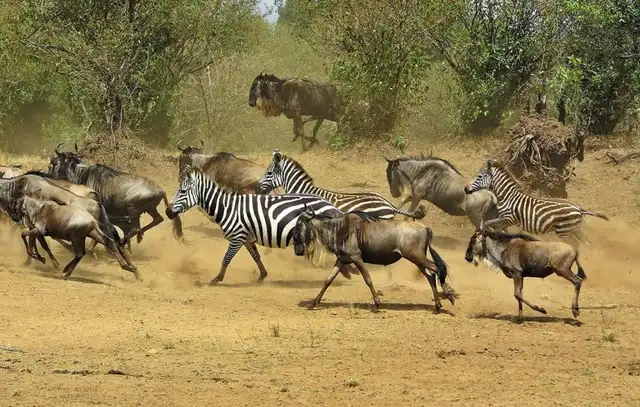
Best and prime time for an African safari Kenya is June–October for big game, July–September for migration, and November–March for birdlife and fewer crowds
Are you looking for the best window for your African safari Kenya? Timing is everything when it comes to experiencing the magic of Kenya’s wildlife. Each season offers unique opportunities, from the dry months of June to October when animals gather around waterholes, to the dramatic Great Migration between July and September. An African safari Kenya during these periods ensures travelers witness breathtaking scenes of predators, elephants, giraffes, and vast herds moving across the plains. The green season from November to March, with its lush landscapes and migratory birdlife, provides a quieter yet equally rewarding experience. Choosing the right time allows visitors to align their safari with personal interests, whether photography, predator action, or birdwatching.
Beyond timing, planning an African safari Kenya involves considering destinations and logistics that maximize value and comfort. The Maasai Mara, Amboseli, and Tsavo each offer distinct wildlife spectacles, while eco-lodges and luxury camps provide accommodation tailored to different budgets. Travelers benefit from experienced guides who know the best vantage points and routes, ensuring every game drive is memorable. By consulting trusted operators, visitors can match their priorities with seasonal realities, creating a safari that is authentic, well-organized, and deeply rewarding. With thoughtful preparation, an African safari Kenya becomes an unforgettable tour into nature’s finest theater
Top African safari Kenya packages
3-days-luxury-fly-in-safari-to-masai-mara
3-days-amboseli-national-park-safaris
4-days-masai-mara-and-lake-nakuru-safari
4-days-wildlife-safari-in-kenya
5-days-amboseli-and-tsavo-west-wildlife-safari
6-days-wildlife-safari-in-kenya
7-day-luxury-kenya-safari-holiday
7-days-kenya-wildlife-safari-tour
7-days-kenya-wildlife-safari-and-beach-holiday
8-days-luxury-kenya-safaris-and-mombasa-beach-tour
8-days-samburu-lake-nakuru-and-masai-mara-safari
8-days-magical-kenya-wildlife-safari
The Best and prime time for African safari Kenya
1. Dry Season Highlights
The best and prime time for an African safari Kenya is during the dry season, which runs from late June to October. Wildlife gathers around rivers and waterholes, making sightings more predictable and rewarding. An African safari Kenya in this period offers clear skies, comfortable weather, and easier access to remote areas. Roads are less muddy, and game drives are smoother, allowing travelers to cover more ground. Big cats, elephants, giraffes, and zebras are commonly seen, and guides can plan routes with confidence. This season is also popular for photography, as dust-free skies provide sharp visibility. Travelers should book early since lodges and camps fill quickly due to high demand during these months.
2. Great Migration Season
One of the most famous events during an African safari Kenya is the Great Migration, which peaks between July and September. Millions of wildebeest and zebras cross the Mara River, creating dramatic wildlife action. An African safari Kenya at this time provides opportunities to witness predator-prey interactions and vast herds moving across the plains. The spectacle is not limited to crossings; it includes calving and grazing cycles that sustain the ecosystem. Visitors should plan well in advance to secure accommodations near prime viewing areas. Guides often know the best vantage points, ensuring travelers maximize their experience. This season is considered the highlight for many, offering unmatched wildlife drama in the Maasai Mara.
3. Green Season Advantages
From November to March, the green season offers a different African safari Kenya experience. Short rains bring fresh vegetation, attracting animals to graze and creating vibrant landscapes. An African safari Kenya during this time is ideal for birdwatchers, as migratory species arrive in large numbers. Prices for lodges and camps are often lower, making it more budget-friendly for travelers. Wildlife is still visible, though animals may be more spread out due to abundant water sources. Photographers enjoy dramatic skies and lush backdrops, adding depth to their images. Fewer crowds mean more personal space in parks, allowing for a quieter and more relaxed safari. This season suits travelers who prefer value and tranquility.
4. Calving and Predator Action
January and February mark the calving season in the Maasai Mara, another unique African safari Kenya opportunity. Thousands of wildebeest give birth, attracting predators such as lions, hyenas, and cheetahs. An African safari Kenya during this time allows visitors to witness natural cycles of life and survival. The open plains make it easier to spot newborns and predator hunts, offering dramatic scenes daily. Families traveling with children often find this period educational, as guides explain animal behavior in detail. While rains may occur, they are usually short and do not disrupt activities significantly. This season is excellent for photography, with powerful wildlife moments unfolding in front of travelers.
5. Choosing Based on Priorities
The best and prime time for an African safari Kenya depends on traveler priorities. For big game and dry conditions, June to October is ideal. For migration drama, July to September is unmatched. For birdlife and fewer crowds, November to March works well. An African safari Kenya can be tailored to personal interests, whether photography, predator action, or budget considerations. Travelers should also factor in park locations, as conditions vary between Maasai Mara, Amboseli, and Tsavo. Consulting with local operators helps match expectations with seasonal realities. By aligning priorities with timing, visitors ensure their African safari Kenya delivers maximum value and satisfaction
How to get to African safari Kenya by Travellers
Most travelers begin their African safari Kenya experience by flying into Jomo Kenyatta International Airport in Nairobi, which is the country’s main entry point. From Nairobi, visitors can connect to domestic flights heading to popular safari destinations such as Maasai Mara, Amboseli, and Samburu. An African safari Kenya often starts with a short flight to airstrips located inside or near the parks, saving time compared to long road transfers. Road travel is also possible, with well-established routes leading to major reserves, though journeys can take several hours. Tour operators usually arrange transfers, ensuring travelers move smoothly from the airport to lodges or camps. Choosing between flights and road travel depends on budget, time, and personal preference.
For those seeking variety, African safari Kenya can also be accessed through regional airports like Wilson Airport in Nairobi, which specializes in domestic flights to safari destinations. Travelers heading to coastal areas such as Tsavo or Amboseli may combine road and air transfers for convenience. An African safari Kenya is often tailored by operators to match traveler needs, balancing comfort with efficiency. Charter flights are common for remote parks, offering direct access to airstrips near lodges. Road trips, while longer, provide opportunities to see rural landscapes and interact with local communities along the way. With proper planning, travelers can reach their safari destinations smoothly and maximize their time in the wilderness
Best places to visit during African safari Kenya
The best places to visit during an African safari Kenya combine world-famous reserves with diverse landscapes and wildlife spectacles. An African safari Kenya is incomplete without the Maasai Mara, which is renowned for the Great Migration and its dense predator population. The Mara’s open plains host millions of wildebeest, zebras, and gazelles, making it one of the most dramatic wildlife stages in Africa. Beyond the migration, the reserve offers year-round sightings of lions, cheetahs, and elephants. Pairing the Mara with Amboseli adds variety, as this park is famous for its large elephant herds set against the backdrop of Mount Kilimanjaro. Together, these destinations showcase both raw wildlife action and breathtaking scenery, making them prime highlights for any safari itinerary.
Travelers seeking diversity during an African safari Kenya often include Tsavo East and Tsavo West, which together form one of the largest protected areas in the country. These parks are known for red-dusted elephants, rugged landscapes, and unique geological features such as lava flows and Mzima Springs. Samburu, located in northern Kenya, adds another dimension with species not commonly found elsewhere, including Grevy’s zebra, reticulated giraffe, and Somali ostrich. Visiting these regions ensures travelers experience both classic savannah wildlife and rare species. Combining northern and southern parks creates a balanced safari, offering variety in both animals and scenery.
For those who want to mix wildlife with cultural and natural heritage, an African safari Kenya can also include Lake Nakuru and Nairobi National Park. Lake Nakuru is famous for its rhinos and birdlife, while Nairobi National Park offers a unique contrast of wildlife against a city skyline. These destinations highlight Kenya’s ability to combine accessibility with rich biodiversity. By planning across multiple parks whether it’s the drama of the Mara, the elephants of Amboseli, the rare species of Samburu, or the rhinos of Nakuru travelers ensure their African safari Kenya is varied, rewarding, and deeply memorable
Best safari activities to do during African safari Kenya
An African safari Kenya offers a wide range of activities that make the experience rich and rewarding. Game drives remain the most popular, giving travelers the chance to see wildlife across open plains and riverbanks. Early morning and late afternoon drives reveal different animal behaviors, from predators hunting to herds grazing. An African safari Kenya also includes guided walking safaris in certain reserves, where visitors learn about tracks, plants, and smaller creatures often missed from vehicles. These walks add depth to the adventure, making it more interactive and educational while keeping travelers connected to the environment.
Beyond traditional drives, an African safari Kenya provides opportunities for cultural visits with local communities such as the Maasai. These experiences allow travelers to understand traditions, daily life, and the role of conservation in supporting livelihoods. An African safari Kenya that includes cultural interaction adds meaning to wildlife viewing, showing how people and nature coexist. Travelers often find these visits enriching, as they combine storytelling, crafts, and shared meals. This balance between wildlife and culture ensures the safari is not only about animals but also about appreciating Kenya’s broader heritage.
Water-based activities are another highlight of an African safari Kenya, especially in regions like Amboseli or along rivers in Tsavo. Boat trips allow travelers to see hippos, crocodiles, and elephants from a different perspective, while birdlife thrives along the banks. An African safari Kenya on water contrasts with land drives, offering a calmer pace and unique photographic opportunities. Fishing and canoeing are available in some areas, adding variety for those who enjoy active experiences. These activities expand the safari beyond the savannah, ensuring travelers enjoy diverse ecosystems and wildlife interactions.
For those seeking something extraordinary, hot air balloon rides over the Maasai Mara elevate the African safari Kenya experience. Floating above the plains at sunrise provides panoramic views of herds, predators, and endless landscapes. An African safari Kenya from the air offers a perspective that cannot be matched on the ground, combining silence with breathtaking scenery. After landing, many operators include bush breakfasts, adding a celebratory touch. While this activity comes at an extra cost, it is often considered worth it for the unique vantage point. Together with drives, walks, cultural visits, and boat trips, balloon rides complete the range of safari activities available in Kenya
How to book an African safari Kenya
Booking an African safari Kenya begins with choosing the right operator or travel company that understands your needs. Many travelers start by identifying their priorities, such as witnessing the Great Migration, focusing on big cats, or combining wildlife with cultural visits. An African safari Kenya can be customized to match budget, comfort, and duration, so it’s important to communicate clearly with the operator. Once priorities are set, the company provides suggested itineraries, including park options, accommodation styles, and transport logistics. Early booking is recommended, especially for peak seasons like July to September, when demand is high. This ensures availability in lodges and camps located near prime wildlife viewing areas.
The next step in booking an African safari Kenya involves confirming travel dates and securing accommodations. Operators usually handle park fees, domestic flights, and transfers, making the process smoother for travelers. An African safari Kenya often includes a mix of lodges, tented camps, or eco-friendly stays, depending on preference. Payment schedules are typically divided into deposits and final balances, with clear cancellation policies. Travelers should review inclusions carefully, such as meals, guides, and activities, to avoid unexpected costs. Choosing reputable operators ensures safety, reliability, and quality service throughout the safari experience.
Finally, travelers booking an African safari Kenya should prepare necessary documents and practical details. A valid passport, visa, and travel insurance are essential, while vaccinations may be required depending on the region. Operators often provide packing lists, covering clothing, gear, and essentials for comfort in the bush. An African safari Kenya may also include optional extras like hot air balloon rides or cultural visits, which can be arranged in advance. Clear communication with the operator helps tailor the safari to personal interests, ensuring a smooth and rewarding trip. By planning early and working with trusted professionals, travelers secure a safari that matches their expectations and delivers lasting memories
What to carry while going for African safari Kenya
When preparing for an African safari Kenya, travelers should pack light but focus on essentials that ensure comfort and practicality. Neutral-colored clothing is best, as it blends into the environment and keeps attention away from animals. A hat, sunglasses, and sunscreen protect against strong sun, while a light jacket or sweater is useful for cool mornings and evenings. Sturdy shoes are important for walks, and insect repellent helps guard against mosquitoes. Binoculars and a good camera with extra batteries enhance wildlife viewing, while reusable water bottles keep hydration easy. Personal medications, a small first-aid kit, and travel documents such as passport, visa, and insurance are vital. With these items, an African safari Kenya becomes smoother, safer, and more enjoyable
Best places to stay in during African safari Kenya
During an African safari Kenya, travelers can choose from a wide range of accommodation options that suit different budgets and preferences. Luxury lodges and tented camps in the Maasai Mara provide comfort with prime access to wildlife, while mid-range lodges in Amboseli and Tsavo offer solid facilities and great views of elephants and landscapes. Eco-lodges are also popular, blending sustainability with authentic safari experiences. In Samburu, intimate camps give guests a closer connection to unique species found only in northern Kenya. Whether selecting lodges, tented camps, or eco-friendly stays, an African safari Kenya ensures travelers enjoy both convenience and proximity to nature, making the overall experience rewarding and well-matched to personal expectations.
Booking African safari Kenya with Lamz Tours and Travel
Booking an African safari Kenya with Lamz Tours and Travel ensures a well-organized and personalized experience tailored to traveler needs. The team designs itineraries that highlight prime destinations such as Maasai Mara, Amboseli, and Tsavo, while also offering options to combine wildlife viewing with cultural visits. An African safari Kenya booked through Lamz Tours and Travel includes professional guides, carefully selected lodges or camps, and seamless logistics covering park fees, transfers, and domestic flights. Travelers benefit from clear communication, flexible packages, and expert advice on the best times to visit for migration, predator action, or birdlife. By choosing Lamz Tours and Travel, visitors secure an African safari Kenya that balances comfort, authenticity, and value, making the adventure both rewarding and memorable
Ready to plan your safari?
Talk to a Lamz Tours specialist and get a tailor-made quote.
Make an enquiry