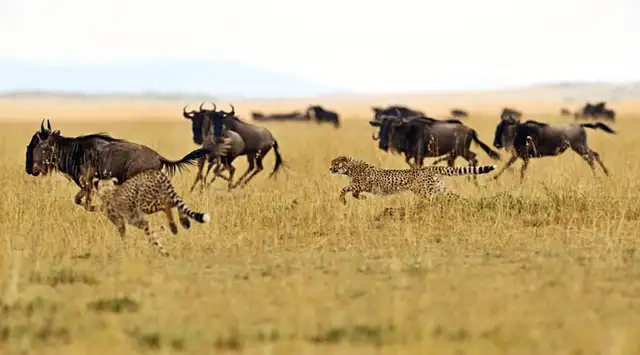
Best time for Masai Mara national park safari with activities like migration, game drives, balloon rides, culture, bush meals, walking, photography, and horseback
Know the wonders of Masai Mara National Park safari, one of Africa’s most celebrated wildlife destinations. This reserve in southwestern Kenya is renowned for its vast plains, diverse habitats, and extraordinary wildlife populations. A Masai Mara national park safari offers travelers the chance to see lions, elephants, cheetahs, giraffes, and the famous Big Five in their natural environment. The park is also part of the greater Serengeti ecosystem, making it central to the Great Migration, where millions of wildebeest and zebras cross the Mara River each year. With its rich biodiversity and dramatic landscapes, the Mara provides an authentic safari experience that combines adventure, education, and close encounters with nature.
Beyond wildlife, a Masai Mara national park safari is about variety and depth. Visitors can enjoy game drives across open plains, hot air balloon rides at sunrise, cultural visits with Maasai communities, and bush meals surrounded by nature. Each activity adds a unique layer to the safari, ensuring travelers experience both the animals and the traditions that define the region. Whether you visit during migration season or quieter months, the Mara delivers consistent value with resident wildlife and breathtaking scenery. It remains a year-round destination that caters to both first-time safari travelers and seasoned adventurers
Best Masai Mara national park safari tour packages
The Best and excellent time to go for Masai Mara national park safari tour
July to October The Great Migration Season
The best and most excellent time for a Masai Mara national park safari is between July and October when the Great Migration takes place. Millions of wildebeest, zebras, and gazelles cross from Serengeti into the Mara, creating dramatic wildlife action along the Mara River. A Masai Mara national park safari during this period ensures travelers witness large herds, predator activity, and intense survival battles. The dry season also makes game drives easier, with animals gathering around water sources. This is the peak season, so booking early is important to secure accommodation and guides. Travelers looking for maximum wildlife viewing will find this period highly rewarding, though prices are higher due to demand.
November to December the Short Rains and Fresh Landscapes
A Masai Mara national park safari in November and December offers a different experience as short rains refresh the plains. The grasslands turn green, attracting herbivores and supporting predator activity. A Masai Mara national park safari at this time is less crowded compared to migration season, making it ideal for travelers seeking quieter drives. Birdwatching is excellent, with migratory species arriving. Photography is enhanced by vibrant colors and dramatic skies. While wildlife is still abundant, the rains may cause occasional delays, so flexible planning is advised. This period balances good sightings with fewer tourists, offering value for those who prefer a calmer safari atmosphere.
January to March the Calving Season
The months of January to March are known as calving season, making it a special time for a Masai Mara national park safari. Thousands of wildebeest give birth, attracting predators such as lions, cheetahs, and hyenas. A Masai Mara national park safari during this period provides opportunities to see newborn animals and predator-prey interactions. The weather is generally warm and dry, with clear skies that favor photography. Visitor numbers are moderate, so accommodation is easier to secure compared to peak migration months. This season is perfect for travelers interested in observing animal behavior and the cycle of life in the wild.
April to June the Long Rains and Low Crowds
April to June is the long rainy season, often considered off-peak for a Masai Mara national park safari. Heavy rains make some roads muddy, but the park transforms into a green paradise with fewer tourists. A Masai Mara national park safari at this time is budget-friendly, with discounted rates on lodges and camps. Birdlife is abundant, and predators remain active despite the rains. Travelers who don’t mind occasional showers can enjoy peaceful drives and uninterrupted views. This period is best for those who value privacy and lower costs while still experiencing the richness of the Mara ecosystem.
Year Round Appeal of Masai Mara
While specific months offer unique highlights, a Masai Mara national park safari is rewarding throughout the year. Wildlife is resident, meaning lions, elephants, giraffes, and buffalo can be seen anytime. A Masai Mara national park safari outside peak migration still delivers excellent game drives, cultural visits with Maasai communities, and diverse birdlife. The choice of timing depends on traveler priorities whether it’s witnessing migration, enjoying green landscapes, or seeking fewer crowds. With proper planning, every season provides value, making the Masai Mara one of the most reliable safari destinations in Africa.
Best safari activities to do on Masai Mara national park safari
Game Drives Across the Plains
One of the best safari activities in Masai Mara national park safari is the classic game drive. The open grasslands provide excellent visibility, making it easy to spot lions, elephants, giraffes, and herds of wildebeest. Morning and evening drives are particularly rewarding, as animals are most active during cooler hours. A Masai Mara national park safari game drive also allows travelers to follow predator movements, observe hunting behavior, and enjoy close views of resident species. Guides use their knowledge of animal patterns to maximize sightings, ensuring every drive is productive. This activity is perfect for travelers who want to experience the diversity of wildlife in its natural habitat while covering large areas of the reserve.
Witnessing the Great Migration
The Great Migration is one of the most sought-after safari activities during a Masai Mara national park safari. Between July and October, millions of wildebeest and zebras cross the Mara River, facing crocodiles and predators along the way. A Masai Mara national park safari at this time offers dramatic wildlife action, with herds stretching across the plains and predators taking advantage of the abundance of prey. Visitors can watch crossings from safe vantage points and capture incredible photographs. This activity is ideal for travelers who want to see nature’s most famous wildlife spectacle, combining scale, drama, and survival in one unforgettable event.
Hot Air Balloon Safari
A hot air balloon ride is a unique way to experience Masai Mara national park safari. Floating above the plains at sunrise gives travelers panoramic views of wildlife and landscapes. Herds of animals can be seen moving below, while predators patrol silently across the grasslands. A Masai Mara national park safari from the air provides a fresh perspective, highlighting the vastness of the reserve and the patterns of animal movement. The ride usually ends with a bush breakfast, adding comfort to the adventure. This activity is perfect for those who want a blend of excitement and tranquility while enjoying breathtaking views of the Mara.
Cultural Visits with the Maasai People
A Masai Mara national park safari is not only about wildlife but also about connecting with the Maasai community. Cultural visits allow travelers to learn about traditional practices, pastoral life, and the deep relationship the Maasai have with the land. Guests can tour villages, watch dances, and hear stories about daily life. A Masai Mara national park safari that includes cultural interaction adds depth to the experience, showing how people and wildlife coexist. This activity is valuable for travelers who want to understand the human side of the Mara, gaining respect for traditions while supporting local communities through responsible tourism.
Bush Meals and Sundowners
Bush meals are a relaxing highlight of a Masai Mara national park safari. Breakfasts or lunches served in the wild allow travelers to enjoy fresh food while surrounded by nature. Sundowners are equally popular, with drinks served as the sun sets over the plains. A Masai Mara national park safari that includes these activities combines comfort with immersion, giving guests time to pause and appreciate the environment. The sounds of wildlife, the changing colors of the sky, and the open-air setting make bush meals memorable. This activity is ideal for those who want to balance adventure with relaxation during their safari.
Walking Safaris with Guides
A walking safari is a rewarding addition to a Masai Mara national park safari, offering a slower and more detailed way to experience the reserve. Guided by trained rangers, travelers explore safe areas on foot, learning how to identify animal tracks, plants, and bird calls. A Masai Mara national park safari on foot emphasizes awareness and patience, allowing guests to notice smaller details often missed from vehicles. The sounds of nature, the feel of the ground, and the explanations from guides create a deeper connection with the environment. This activity is ideal for those who want a more educational and intimate experience, focusing on the ecosystem beyond the large animals seen during game drives.
Photography Safaris
Photography-focused tours are designed to maximize opportunities for capturing wildlife and landscapes during a Masai Mara national park safari. Professional guides understand lighting, positioning, and animal behavior, ensuring photographers get the best angles and timing. A Masai Mara national park safari tailored for photography often includes longer stops at sightings, giving ample time to frame shots of lions, cheetahs, or migration herds. The vast plains, dramatic skies, and predator-prey interactions provide endless subjects. Whether using professional equipment or a simple camera, this activity helps travelers return with meaningful images. It is especially valuable for those who want to document their safari with high-quality photos that reflect the richness of the Mara.
Horseback Safaris
Horseback riding offers a unique way to explore the reserve during a Masai Mara national park safari. Without the noise of engines, travelers can move quietly across the plains, often getting closer to wildlife. A Masai Mara national park safari on horseback provides a fresh perspective, as riders experience the landscape at a natural pace. Guides ensure safety and select routes where animals are accustomed to horses, making sightings more relaxed. This activity is ideal for adventurous travelers who want a different style of safari, combining freedom with wildlife viewing. It adds variety to the experience, allowing guests to appreciate the Mara’s beauty in a more personal and active way.
Birdwatching Excursions
Birdwatching is a rewarding activity during a Masai Mara national park safari, with hundreds of species to observe. Raptors soar above the plains, ostriches stride across grasslands, and colorful birds like rollers and bee-eaters add vibrancy. A Masai Mara national park safari focused on birdlife is perfect for travelers who enjoy spotting rare or migratory species. Guides help identify calls, behaviors, and habitats, making the experience educational as well as enjoyable. The diversity of birds ensures sightings throughout the day, from early morning flights to evening roosts. This activity adds depth to the safari, appealing to those who want more than just large mammals and predators.
Conservation and Community Visits
Conservation and cultural visits enrich a Masai Mara national park safari by highlighting the balance between people and wildlife. Guests can learn about projects protecting lions, elephants, and habitats, while also visiting Maasai villages to understand traditional life. A Masai Mara national park safari that includes these activities provides context, showing how communities coexist with nature. Travelers gain insight into challenges such as grazing, conservation funding, and cultural preservation. Supporting local initiatives also ensures tourism benefits residents. This activity is valuable for those who want their safari to be meaningful, combining wildlife viewing with respect for the people who live alongside the animals in the Mara.
How to get there to Masai Mara national park safari tour
The most common way to reach Masai Mara National Park safari is by road from Nairobi. The reserve lies about 225–280 kilometers southwest of the capital, depending on which gate you use. Driving takes roughly 5–6 hours, with routes passing through towns like Narok and Mai Mahiu. Travelers often use 4x4 vehicles or safari vans with pop-up roofs, which are well-suited for the rugged terrain. A Masai Mara national park safari by road is cost-effective and allows you to see rural Kenya along the way, though the journey can be bumpy in sections. Many tour operators arrange private transfers, making the trip comfortable and flexible for families or groups.
Flying is the fastest option for a Masai Mara national park safari. Daily scheduled flights operate from Nairobi’s Wilson Airport, taking 40–60 minutes to reach airstrips inside or near the reserve, such as Keekorok, Ol Kiombo, or Musiara. International visitors usually arrive at Jomo Kenyatta International Airport (NBO) and then transfer to Wilson for domestic flights. A Masai Mara national park safari by air saves time and avoids long road journeys, making it ideal for travelers with limited days or those combining multiple parks. Lodges and camps typically provide transfers from the airstrips, ensuring smooth access to game drives upon arrival
How many days are enough for Masai Mara national park safari
For a Masai Mara national park safari, three to four days are generally enough to enjoy a well-rounded experience. This duration allows travelers to cover different areas of the reserve, including the Mara River, open plains, and predator-rich zones. A Masai Mara national park safari over several days increases chances of seeing diverse wildlife, from lions and elephants to cheetahs and large herds of wildebeest, especially during migration season. Spending multiple nights also provides opportunities for varied activities such as game drives, cultural visits, and even hot air balloon rides. While shorter visits can feel rushed, three to four days strike the right balance between depth of wildlife viewing and efficient use of travel time
What are the Big Five in Masai Mara?
The Big Five in Masai Mara national park safari are lion, leopard, elephant, buffalo, and rhino. These animals were historically considered the most challenging to hunt, but today they represent the most sought-after sightings for safari travelers. A Masai Mara national park safari offers excellent chances to see lions and elephants daily, while leopards are often spotted resting in trees. Buffalo herds roam widely, and rhinos, though rarer, can be seen in certain areas. Spotting all five requires patience and multiple game drives, but the diversity of habitats in the Mara makes it possible. For many visitors, seeing the Big Five is a highlight that defines the safari experience in this world-famous reserve
What is the Masai Mara National Park safari?
A Masai Mara national park safari is a wildlife experience in Kenya’s most famous reserve, known for its open plains and rich biodiversity. It involves guided game drives, cultural visits, and optional activities like hot air balloon rides. A Masai Mara national park safari gives travelers the chance to see large predators, herds of wildebeest, elephants, giraffes, and hundreds of bird species. The park is part of the greater Serengeti ecosystem, making it central to the Great Migration. Safari packages vary from budget camping to luxury lodges, ensuring options for different travelers. The focus is on observing animals in their natural environment while enjoying the landscapes and traditions that make the Mara unique
How much is safari in Masai Mara?
The cost of a Masai Mara national park safari depends on park fees, accommodation, and transport. Entry fees for non-residents are about $80 per adult per day, with lower rates for children. Lodges and camps range from budget options at $150 per night to luxury stays exceeding $600. A Masai Mara national park safari also includes costs for guides, vehicles, and transfers from Nairobi, which can add $200–$400 per day depending on services. Flights to airstrips in the reserve increase expenses but save travel time. Overall, a mid-range safari typically costs $300–$500 per person per day, while luxury packages can be higher, depending on inclusions and season
What is the 12-hour rule for Masai Mara?
The 12-hour rule in Masai Mara national park safari refers to the official game drive hours, usually from 6:00 a.m. to 6:00 p.m. Visitors must remain inside the reserve only during these hours unless staying at lodges within the park. A Masai Mara national park safari outside these hours is not permitted for safety reasons, as predators are more active at night. Night drives are generally restricted, though some conservancies bordering the Mara allow them. This rule ensures wildlife protection and visitor safety while maintaining order in the reserve. Travelers should plan their safari activities within this timeframe to maximize sightings and comply with park regulations
Which is the best month to visit Masai Mara?
The best month for a Masai Mara national park safari is typically August, when the Great Migration river crossings are at their peak. However, July to October is generally considered the prime season, with millions of wildebeest and zebras moving across the plains. A Masai Mara national park safari during these months offers dramatic wildlife action, predator activity, and excellent photography opportunities. For travelers seeking fewer crowds, January to March is also rewarding, with calving season attracting predators. The choice depends on whether you want to see migration drama or enjoy quieter drives. Each season has unique highlights, making the Mara a year-round safari destination.
Can I wear shorts in Masai Mara?
Yes, you can wear shorts during a Masai Mara national park safari, especially in the warm daytime hours. The climate is generally mild, but mornings and evenings can be cooler, so packing layers is recommended. A Masai Mara national park safari requires practical clothing, and shorts are fine for game drives inside vehicles. However, for walking safaris or cultural visits, longer trousers may be more comfortable and protective against insects or thorny plants. Neutral colors such as beige or khaki are advised to blend with the environment and avoid attracting insects. Shorts are acceptable, but combining them with other clothing options ensures comfort throughout the safari
What to pack for Masai Mara national park safari
When preparing for a Masai Mara national park safari, pack lightweight neutral-colored clothing such as khaki or beige to stay comfortable and reduce insect attention. Include a wide-brimmed hat, sunglasses, and sunscreen for sun protection, plus a warm jacket or fleece for cool mornings and evenings. Sturdy walking shoes are essential for game drives and optional walking safaris. A Masai Mara national park safari is enhanced by carrying binoculars for spotting distant wildlife and a good camera with extra batteries and memory cards. Insect repellent, reusable water bottles, and personal medications should also be included. A small daypack is useful for keeping essentials close, ensuring comfort and readiness throughout your safari experience in the Mara
Best places to stay in on Masai Mara national park safari
The best places to stay during a Masai Mara national park safari include a mix of luxury lodges, tented camps, and mid-range options that provide comfort while keeping guests close to wildlife. Mara Serena Safari Lodge offers panoramic views of the plains and easy access to game drives, while Ashnil Mara Camp provides spacious tents along the Mara River. Governors’ Camp is well-known for its classic safari atmosphere and prime location near rich wildlife areas. For travelers seeking exclusivity, Angama Mara delivers high-end service with stunning views from the Oloololo Escarpment. Each of these choices enhances a Masai Mara national park safari by combining convenience, excellent hospitality, and proximity to the reserve’s most active wildlife zones
Booking Masai Mara national park safari with Lamz Tours and Travel
Booking a Masai Mara national park safari with Lamz Tours and Travel ensures a well-planned and personalized experience that highlights the best of Kenya’s wildlife and landscapes. Lamz Tours and Travel specializes in creating tailored itineraries that include game drives across the Mara plains, opportunities to witness the Great Migration, cultural visits with Maasai communities, and optional activities such as hot air balloon rides. A Masai Mara national park safari arranged through Lamz Tours and Travel also provides carefully selected lodges and camps, professional guides, and seamless logistics from Nairobi to the reserve. This approach guarantees travelers maximize their time in the park, enjoying comfort, expert knowledge, and unforgettable wildlife moments while supporting responsible tourism practices
Ready to plan your safari?
Talk to a Lamz Tours specialist and get a tailor-made quote.
Make an enquiry