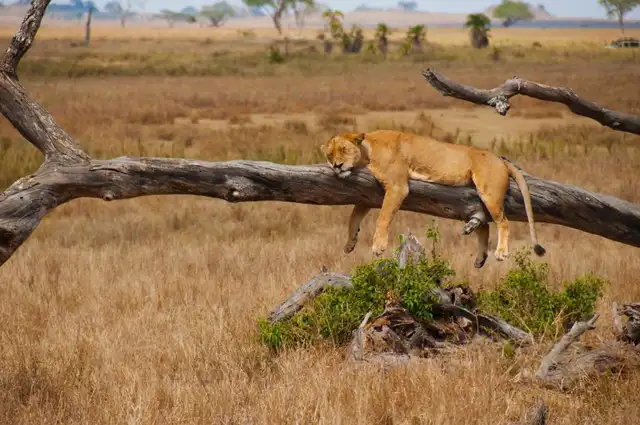
African safari tours Tanzania offer peak wildlife from June–October, calving in Jan–Mar, birdlife in Apr–May, and rich diversity year-round.
Experience the best of African safari tours Tanzania during the best seasons, when wildlife spectacles and diverse landscapes combine to create unmatched value for travelers. From June to October, the dry season concentrates animals around water sources, offering clear views of elephants, lions, and herds of wildebeest. This period also brings the dramatic Great Migration river crossings, a highlight for anyone seeking authentic safari experiences. Between January and March, the southern Serengeti transforms into a calving ground, where thousands of newborn wildebeest attract predators, creating powerful scenes of survival. Each season offers unique advantages, ensuring African safari tours Tanzania deliver rewarding encounters tailored to traveler priorities.
Beyond wildlife, African safari tours Tanzania provide cultural depth and comfort that elevate the safari tour. Visits to the Maasai community reveal traditions that have coexisted with nature for centuries, while balloon safaris at sunrise give travelers rare aerial views of the endless plains. Lodges and tented camps range from rustic adventure to luxury retreats, ensuring every traveler finds the right balance of comfort and immersion. Conservation efforts supported by tourism add meaning to each visit, making African safari tours Tanzania not only about wildlife viewing but also about contributing to the preservation of ecosystems and local communities
Best African safari tours Tanzania Packages
3-days-tanzania-safari-in-serengeti-national-park
3-days-tanzania-wildlife-safari
4-days-epic-tanzania-wildlife-and-culture-safari
5-day-kenya-and-tanzania-safari
5-days-circuit-wildlife-safari-in-tanzania
6-days-ndutu-migration-safari-calving-season
8-day-serengeti-ngorongoro-crater-and-zanzibar
8-days-wildlife-and-beach-holiday-tanzania
8-days-wildlife-safari-tanzania
9-days-zanzibar-and-wildlife-safari
10-days-uganda-and-tanzania-safari-gorillas-chimpanzees-and-wildlife
Best absolute time and peak season for African safari tours Tanzania
Peak season is June to October
The perfect time and the peak season for African safari tours Tanzania is from June to October, when the weather is dry, wildlife is concentrated around water sources, and the Great Migration river crossings take place. African safari tours Tanzania during this period guarantee high chances of seeing large herds of wildebeest and zebra, along with predators that follow them. The dry season also makes roads more accessible, ensuring smoother game drives. Travelers should note that this is the busiest season, so prices are higher and lodges fill quickly. Booking early ensures access to prime locations and guides who know the migration routes, making this the most reliable time for safari value.
January to March for Calving Season
African safari tours Tanzania in January to March focus on the southern Serengeti, where wildebeest give birth to hundreds of thousands of calves. This calving season attracts predators such as lions and cheetahs, creating dramatic wildlife activity. African safari tours Tanzania during these months are ideal for travelers who want to see newborn animals and predator-prey interactions. The weather is generally pleasant, with clear skies and comfortable temperatures for game drives. This period is less crowded compared to the river crossing season, offering travelers a balance of action and accessibility. For those seeking authentic safari experiences, calving season provides unique opportunities to witness survival and growth in the wild.
April to May the Green Season
African safari tours Tanzania in April and May fall within the rainy season, often called the green season. Wildlife is still abundant, but the landscape transforms into vibrant greenery, making photography especially rewarding. African safari tours Tanzania during this time are quieter, with fewer visitors and lower costs, appealing to travelers who prefer privacy. Birdwatching is excellent, as migratory species arrive, and predators remain active around the herds. While some lodges close due to rain, those that stay open provide discounted rates. Roads can be muddy, so flexibility is required, but the rewards include dramatic skies, fresh vegetation, and a more intimate safari experience without the crowds of peak season.
November to December the Short Rains and Migration Return
African safari tours Tanzania in November and December coincide with the short rains, refreshing the plains and drawing wildlife back to the southern Serengeti. This is when the migration herds return, creating strong wildlife viewing opportunities. African safari tours Tanzania during this period are less crowded than peak months, offering good value for travelers who want action without high-season prices. The rains are brief and usually fall in the evenings, leaving most days clear for game drives. This season is also excellent for birdlife, with many species active. For travelers seeking a balance between affordability and rewarding wildlife, November and December provide a versatile safari option.
Balancing Wildlife and Comfort
African safari tours Tanzania are best planned with traveler priorities in mind, whether it’s dramatic river crossings, calving season, or quieter green months. The dry season from June to October is perfect for those who want guaranteed wildlife density, while January to March offers predator action with newborn calves. African safari tours Tanzania in April, May, November, and December provide cost savings and fewer crowds, appealing to travelers who value privacy. Each season has unique advantages, so the best time depends on whether travelers prioritize wildlife spectacles, affordability, or comfort. By aligning safari timing with personal goals, visitors ensure a rewarding and well-balanced experience in Tanzania’s diverse parks
Top safari parks to visit for African safari tours Tanzania at best time
Serengeti National Park
African safari tours Tanzania are incomplete without Serengeti National Park, especially during the Great Migration season from June to October or the calving months of January to March. This park offers unmatched wildlife density, with millions of wildebeest, zebra, and gazelle moving across its plains, followed closely by predators. African safari tours Tanzania in the Serengeti also provide reliable sightings of the Big Five, making it a top choice for travelers seeking authentic safari value. Balloon rides at sunrise, luxury lodges, and mobile camps add variety to the experience. The Serengeti’s vast landscapes ensure every day feels different, whether exploring central Seronera for predator action or northern areas for dramatic river crossings.
Ngorongoro Crater
African safari tours Tanzania often combine Serengeti with Ngorongoro Crater, a UNESCO World Heritage Site known as “Africa’s Garden of Eden.” The crater’s enclosed environment concentrates wildlife, offering travelers a chance to see black rhinos, large lion prides, elephants, and abundant herbivores in one location. African safari tours Tanzania benefit from this contrast, as Ngorongoro provides a more compact safari compared to the Serengeti’s open plains. The crater floor is accessible year-round, but the dry season from June to October offers the clearest views and easiest drives. For travelers, Ngorongoro adds depth to itineraries, balancing the vastness of the Serengeti with an intense, highly rewarding wildlife experience in a single day’s exploration.
Tarangire National Park
African safari tours Tanzania are enriched by Tarangire National Park, best visited during the dry season from June to October when wildlife gathers around the Tarangire River. Known for its massive elephant herds and striking baobab trees, Tarangire offers a quieter safari compared to the Serengeti. African safari tours Tanzania here provide sightings of diverse species, including lions, leopards, giraffes, and over 500 bird species. The park’s unique landscapes and fewer crowds make it ideal for travelers seeking variety and privacy. Tarangire is particularly rewarding for those who want to see elephants in large numbers and enjoy a more relaxed pace. Combined with Serengeti and Ngorongoro, it creates a well-rounded safari itinerary that balances scale, intensity, and tranquility
Other places to visit for African safari tours Tanzania
African safari tours Tanzania extend beyond the northern circuit to include southern and western reserves that offer unique safari experiences. Selous Game Reserve, now called Nyerere National Park, is Africa’s largest protected area and famous for boat safaris along the Rufiji River, where elephants, hippos, and crocodiles thrive. Katavi National Park provides a raw wilderness atmosphere, with massive buffalo herds and hippos crowding shrinking pools during the dry season. African safari tours Tanzania in these parks are ideal for travelers seeking solitude, fewer crowds, and authentic wilderness, making them excellent complements to Serengeti, Ngorongoro, and Tarangire.
African safari tours Tanzania also include Mahale Mountains and Gombe Stream National Parks, both renowned for chimpanzee trekking. Mahale combines forested slopes with Lake Tanganyika, offering travelers the chance to track chimpanzees and enjoy water activities like kayaking or swimming. Gombe, made famous by Jane Goodall’s research, provides intimate primate experiences in a smaller reserve rich in birdlife and biodiversity. African safari tours Tanzania in these parks highlight the country’s diversity, showing that safaris are not only about plains game but also about primates and unique ecosystems. Together, Mahale and Gombe add depth and variety, creating itineraries that balance wildlife, culture, and adventure
Top best safari activities to do during African safari tours Tanzania
The African safari tours Tanzania are defined by game drives, which allow travelers to explore vast landscapes and observe wildlife in its natural environment. Morning drives often reveal predators hunting, while evening drives showcase grazing herds and stunning sunsets. African safari tours Tanzania ensure visitors cover diverse habitats, from Serengeti’s plains to Tarangire’s baobab-filled valleys. Guides use their expertise to track animals, making each drive productive and rewarding. For travelers, game drives provide flexibility, offering hours of close wildlife observation. This activity remains the foundation of any safari, delivering consistent value through direct encounters with elephants, lions, giraffes, and countless antelope across Tanzania’s most famous reserves.
Best African safari tours Tanzania give travelers the chance to witness the Great Migration, one of the most dramatic wildlife spectacles on Earth. Millions of wildebeest, zebra, and gazelle move across the Serengeti, creating powerful scenes of survival. African safari tours Tanzania are timed to match migration routes, ensuring visitors see river crossings or calving seasons depending on the month. Guides position travelers at key points where herds gather, offering unmatched opportunities for photography and observation. For those seeking authentic safari value, this activity is central, as it highlights the raw power of nature and the interconnectedness of predator and prey. The migration is not just a highlight but a defining feature of Tanzania’s safari experience.
Exceptional African safari tours Tanzania often include balloon safaris, offering a rare aerial perspective of the plains. Floating silently at sunrise, travelers watch herds moving below and predators beginning their day. African safari tours Tanzania coordinate with licensed operators to ensure safe and memorable flights, followed by a champagne breakfast in the bush. This activity provides a different perspective compared to ground drives, emphasizing the vastness of the landscape and the scale of wildlife populations. For travelers, balloon safaris combine adventure with comfort, making them a popular choice for those wanting variety in their safari. It’s an experience that blends wildlife viewing with tranquility, adding depth to the overall safari itinerary.
African safari tours Tanzania often integrate cultural visits with communities such as the Maasai, who have lived alongside wildlife for centuries. These exchanges allow travelers to learn about traditions, livestock practices, and the role of local people in conservation. African safari tours Tanzania ensure these visits are respectful and genuine, offering insight into how communities sustain heritage while adapting to modern life. For visitors, this adds cultural depth to the safari, showing that Tanzania is not only about animals but also about people who protect and share the land. It’s a chance to connect with culture while supporting community-driven tourism initiatives, making the safari more meaningful and balanced.
African safari tours Tanzania sometimes include walking safaris, guided by experts who ensure safety while exploring on foot. This activity allows travelers to notice smaller details often missed during drives, such as tracks, plants, and birdlife. African safari tours Tanzania highlight how walking safaris deepen understanding of ecosystems, offering a slower, more intimate connection with nature. For travelers, this is about experiencing the bush at ground level, hearing sounds and observing signs that reveal the daily rhythm of wildlife. It’s a valuable complement to vehicle-based safaris, adding variety and perspective. Walking safaris emphasize respect for the environment and provide a more personal way to engage with Tanzania’s diverse landscapes
How many days are enough for African safari tours Tanzania
For African safari tours Tanzania, the ideal duration is between 7 to 10 days, as this allows travelers to fully experience the country’s diverse parks without feeling rushed. A week-long safari provides enough time to explore the Serengeti for the Great Migration, visit Ngorongoro Crater for concentrated wildlife viewing, and include Tarangire or Lake Manyara for variety. African safari tours Tanzania lasting 10 days or more give travelers the chance to add southern or western parks like Ruaha or Selous for a more private wilderness experience. Shorter safaris of 4 to 5 days are possible but often limit the range of destinations. Overall, 7–10 days strike the best balance between wildlife diversity, comfort, and value
How much to save for African safari tours Tanzania
While planning to go for African safari tours Tanzania, travelers should plan to save between $250 and $1,500 per person per day, depending on the level of comfort and inclusions. Budget camping safaris average around $250–$350 daily, mid-range lodge or tented camp safaris cost about $350–$600 daily, while luxury options can reach $1,000–$1,500 daily. A typical 7–10 day safari therefore ranges from $3,000 to $7,000 per person, covering park fees, accommodation, meals, and guided game drives . Travelers should also budget extra for optional activities like balloon safaris (about $500–$600 per person) and tips for guides and staff. Saving with these ranges ensures flexibility to choose the right safari style while avoiding unexpected expenses
Top health, safety and cultural tips for African safari tours Tanzania
During African safari tours Tanzania, travelers should prioritize health and safety by preparing well before arrival. Vaccinations such as yellow fever and routine immunizations are often required, while malaria prevention through medication and insect repellent is strongly advised. African safari tours Tanzania also demand practical safety measures, including drinking bottled or filtered water, wearing neutral-colored clothing to avoid attracting insects, and carrying sunscreen for strong sun exposure. Listening to guides is essential, as they know how to keep visitors safe around wildlife. Staying inside vehicles during game drives, keeping a respectful distance from animals, and avoiding loud noises all help ensure both traveler safety and animal welfare.
African safari tours Tanzania are enriched by cultural respect, especially when visiting Maasai or other local communities. Travelers should dress modestly, ask permission before taking photos, and show interest in traditions without imposing. African safari tours Tanzania encourage supporting local artisans by purchasing crafts directly, which benefits communities and sustains heritage. Learning a few Swahili greetings such as “Jambo” (hello) or “Asante” (thank you) shows appreciation and builds positive connections. Respecting customs, avoiding waste, and being mindful of conservation practices reflect responsible tourism. By combining cultural sensitivity with wildlife respect, travelers ensure their safari experience is meaningful and contributes positively to both people and nature
Best packing list for African safari tours Tanzania
A practical packing list for African safari tours Tanzania includes lightweight, neutral-colored clothing to blend with the environment, a wide-brimmed hat, sunglasses, and sunscreen to protect against strong sun, sturdy walking shoes suitable for game drives and bush walks, insect repellent, a reusable water bottle, and personal medications. African safari tours Tanzania also benefit from carrying a good camera with extra batteries and memory cards, binoculars to enhance wildlife viewing, layered clothing to handle cool mornings and evenings, and a small daypack to keep essentials close. Travel documents, park permits, and cash for tips or local purchases complete the list, ensuring comfort, safety, and readiness throughout the safari experience
Best places to sleep, eat and drink on African safari tours Tanzania
The best places to sleep, eat, and drink during African safari tours Tanzania range from luxury lodges to mobile camps that follow the Great Migration. Serengeti lodges such as Four Seasons Safari Lodge or Singita offer fine dining with international and local cuisine, while tented camps like Asilia or Nomad provide authentic bush meals under the stars. African safari tours Tanzania also feature eco-lodges in Tarangire and Ngorongoro, where guests enjoy fresh farm-to-table dishes and sundowner drinks overlooking wildlife-rich landscapes. In remote parks like Ruaha or Selous, lodges serve hearty meals and local specialties, complemented by evening campfires and cocktails. These accommodations combine comfort, quality dining, and unique settings, ensuring travelers experience both adventure and relaxation
Booking African safari tours Tanzania with Lamz Tours and Travel
Booking African safari tours Tanzania with Lamz Tours and Travel guarantees expertly crafted itineraries that balance wildlife, comfort, and cultural depth. As specialists in East African travel, Lamz Tours and Travel ensures travelers experience highlights such as the Serengeti’s Great Migration, Ngorongoro Crater’s dense wildlife, and Tarangire’s elephant herds, all guided by professionals who understand seasonal patterns and local ecosystems. African safari tours Tanzania arranged through Lamz Tours and Travel also include carefully selected lodges, tented camps, and dining options that match traveler preferences, while supporting conservation and community initiatives. With seamless logistics from arrival to departure, Lamz Tours and Travel provides travelers with authentic safari value, making every moment in Tanzania rewarding, memorable, and responsibly managed
Ready to plan your safari?
Talk to a Lamz Tours specialist and get a tailor-made quote.
Make an enquiry