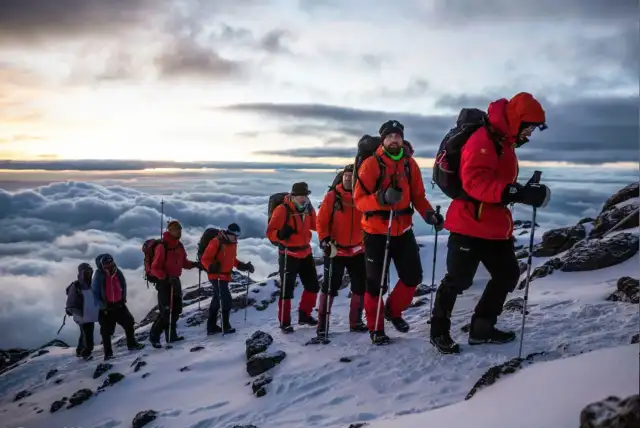
Know these top 5 things before climbing Kilimanjaro on a Tanzania safari, from choosing the right route to understanding altitude sickness and what a summit night actually involves.
Kilimanjaro is the tallest free-standing mountain in the world, and climbing it is often the headline reason people extend a Tanzania safari beyond the parks. It requires no technical climbing skill, no ropes, no ice axes, which makes it feel deceptively approachable. On a Tanzania safari, here are the best 5 things you should know before you commit to a Kilimanjaro climb.
Popular Tour Packages
Best 5 Things to Know Before Climbing Kilimanjaro on Tanzania Safari
1. Route Choice Changes Everything
On a Tanzania safari, Kilimanjaro has several official routes, and they are not interchangeable. Marangu is the shortest and uses hut accommodation, but its speed gives less time to acclimatize. Machame and Lemosho take longer, climb higher before dropping down to sleep, and report noticeably better summit success rates. On a Tanzania safari, choosing a longer route is the single biggest decision affecting whether you reach Uhuru Peak.
2. Altitude, Not Fitness, Decides Most Outcomes
On a Tanzania safari, it is tempting to assume that being fit guarantees a summit. It does not. Altitude sickness affects people unpredictably, regardless of age or fitness level, because it depends on how quickly your body adapts to lower oxygen levels. On a Tanzania safari, a gradual ascent profile, with proper acclimatization days built in, matters more than how many miles you can run at sea level.
3. Summit Night Is Unlike Any Other Day on the Mountain
On a Tanzania safari, most routes push for the summit overnight, often starting around midnight, to reach Uhuru Peak by sunrise before clouds roll in. Temperatures can drop well below freezing, and the final push is slow, dark, and mentally demanding regardless of route. On a Tanzania safari, trekkers consistently describe summit night as the hardest single stretch of the entire climb.
4. Packing the Wrong Gear Can End Your Climb Early
On a Tanzania safari, temperatures range from tropical heat at the gate to sub-zero cold at the summit, all within the same climb. Layered clothing, a proper four-season sleeping bag, broken-in waterproof boots, and trekking poles are not optional extras. On a Tanzania safari, reputable operators provide detailed packing lists and gear checks before departure for exactly this reason.
5. A Good Crew Can Make or Break the Climb
On a Tanzania safari, your guides, porters, and cook are not just support staff, they are the difference between a safe, well-paced climb and a miserable one. Experienced guides monitor climbers for altitude symptoms daily and will turn someone around if it becomes unsafe. On a Tanzania safari, choosing an operator with trained, well-treated mountain crews is worth prioritizing over price alone.
Weather and Climate on Kilimanjaro for Tanzania Safari
On a Tanzania safari, Kilimanjaro passes through five distinct climate zones from base to summit: cultivated land, rainforest, heath and moorland, alpine desert, and arctic summit. Conditions can shift from warm and humid to freezing and wind-exposed within a single day's walk. On a Tanzania safari, this is exactly why layered clothing matters more than any single piece of gear.
Best Time for Climbing Kilimanjaro on Tanzania Safari
The best time for climbing Kilimanjaro on a Tanzania safari is January to March or June to October, the driest windows with the clearest summit conditions. The rainy season, April and May, brings slippery trails and reduced visibility. On a Tanzania safari, booking during the dry windows also means busier camps, so reserve your slot well ahead.
How to Get to Kilimanjaro on Tanzania Safari
On a Tanzania safari, climbers fly into Kilimanjaro International Airport (JRO) and transfer to Moshi, the staging town for most routes. From Moshi, route starting points are 30 minutes to just over an hour away by road. On a Tanzania safari, most operators build in a rest night in Moshi before and after the climb.
Health and Safety Tips for Climbing Kilimanjaro
On a Tanzania safari, train with cardio and hiking beforehand, stay well hydrated throughout the climb, and discuss altitude sickness medication with a travel health clinic before departure. Reputable operators carry oxygen and a pulse oximeter and check climbers for symptoms daily. On a Tanzania safari, never hide altitude symptoms from your guide, since early reporting is what keeps a climb safe.
Why Climb Kilimanjaro with Lamz Tours and Travel on Your Tanzania Safari
Climbing Kilimanjaro as part of your Tanzania safari with Lamz Tours and Travel means experienced mountain crews, gradual acclimatization schedules, and daily health monitoring built into every itinerary. We help you choose the right route for your fitness and timeline, and handle permits, gear guidance, and pre-climb logistics. You focus on reaching the summit. We handle everything else on your Tanzania safari.
Ready to plan your safari?
Talk to a Lamz Tours specialist and get a tailor-made quote.
Make an enquiry