Top 15 experiences on African safari tours Tanzania from wildlife and culture to volcano treks and Zanzibar beaches. Plan smart, travel well, and enjoy more.
Do not miss African safari tours Tanzania as they offer some of the richest wildlife and cultural experiences on the continent. From the thunderous river crossings of the Great Migration in the Serengeti to the dense chimpanzee forests of Mahale, Tanzania delivers variety, depth, and authenticity. Whether you're tracking lions in Ngorongoro Crater, watching elephants gather in Tarangire, or floating silently over the plains in a sunrise balloon safari, each moment is shaped by expert guides, seasonal timing, and the land’s natural rhythm. African safari tours Tanzania are not just about ticking off animals they’re about understanding ecosystems, respecting local communities, and traveling with purpose.
Beyond the bush, Tanzania offers spice plantations, remote volcano treks, and the powdery beaches of Zanzibar. You can walk with Maasai warriors, visit ethical villages, and toast the sunset with a cold drink in hand. The key is planning well choosing the right parks, the right time, and the right operator. African safari tours Tanzania can be tailored to fit budget, style, and interests, whether you want luxury lodges or rugged adventure. This guide highlights the top 15 experiences to help you build a trip that’s not only memorable but meaningful. Travel smart, stay curious, and let Tanzania show you its wild and beautiful side
Best African Safari Tours Tanzania
2-days-fly-in-serengeti-safari-in-tanzania
2-days-tarangire-national-park-and-ngorongoro-crater-safari
3-days-tanzania-safari-in-serengeti-national-park
3-days-tanzania-wildlife-safari
4-days-epic-tanzania-wildlife-and-culture-safari
5-day-kenya-and-tanzania-safari
5-days-circuit-wildlife-safari-in-tanzania
6-days-ndutu-migration-safari-calving-season
8-day-serengeti-ngorongoro-crater-and-zanzibar
8-days-wildlife-and-beach-holiday-tanzania
8-days-wildlife-safari-tanzania
9-days-zanzibar-and-wildlife-safari
10-days-uganda-and-tanzania-safari-gorillas-chimpanzees-and-wildlife
The Best 15 Experiences on African Safari Tours Tanzania
Witness the Great Wildebeest Migration River Crossing in the Serengeti
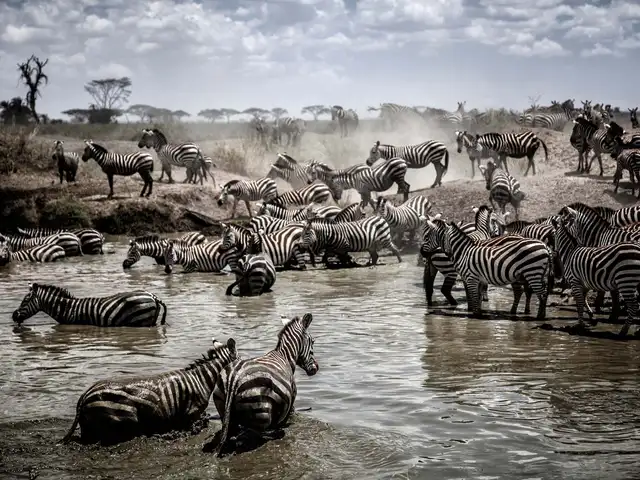
From July to October, African safari tours Tanzania offer front-row access to the dramatic river crossings in the Northern Serengeti. Thousands of wildebeest and zebra push across the Mara or Grumeti Rivers, where crocodiles lie in wait. The chaos, dust, and sheer numbers make this a raw and powerful wildlife moment. Timing is everything miss the peak weeks and you might only see scattered herds. For those planning African safari tours Tanzania, this event is a must-see, but it requires careful coordination with guides who know the migration’s patterns. Book early, stay in mobile camps near the action, and prepare for early mornings to catch the crossings when they happen.
Go on a Balloon Safari over the Serengeti at Sunrise
African safari tours Tanzania often include the chance to float silently above the Serengeti at dawn. As the sun rises, the golden light stretches across the plains, revealing herds of elephants, giraffes, and antelope moving below. The balloon ride offers a peaceful way to see the land from a new angle. It’s not cheap, but many travelers say it’s worth every dollar. Most African safari tours Tanzania that include this experience end with a bush breakfast, complete with fresh fruit, eggs, and even champagne. It’s a calm, beautiful way to start your day before heading out on game drives or relaxing at camp.
Track Chimpanzees in Mahale Mountains National Park
For a different kind of wildlife experience, African safari tours Tanzania can take you to Mahale Mountains National Park on the shores of Lake Tanganyika. Here, you’ll hike through dense forest to find wild chimpanzees. It’s physical expect steep trails and humid conditions but the reward is seeing these intelligent animals up close in their natural home. This isn’t a typical safari, but it’s one of the most meaningful wildlife experiences available. African safari tours Tanzania that include Mahale are usually fly-in due to the park’s remote location, and lodges here are few, so plan well in advance for this rare opportunity.
Seek the Big Five in Ngorongoro Crater
Ngorongoro Crater is one of the best places on African safari tours Tanzania to see the Big Five lion, leopard, elephant, buffalo, and rhino all in one day. The crater’s enclosed ecosystem supports around 25,000 large animals, making sightings frequent and close. The drive down into the caldera is steep, but once inside, the landscape opens up to grasslands, swamps, and forests. African safari tours Tanzania often include a full-day game drive here, with picnic lunches near hippo pools. It’s a great option for travelers short on time who still want to see a wide range of wildlife in a compact area.
Marvel at the Elephants of Tarangire
During the dry season from June to October, African safari tours Tanzania often highlight Tarangire National Park for its massive elephant herds. The Tarangire River becomes the main water source, drawing in wildlife from across the region. You’ll see elephants digging into dry riverbeds, rubbing against baobab trees, and moving in large family groups. This park is less crowded than others, offering a quieter experience. African safari tours Tanzania that include Tarangire also provide chances to see lions, giraffes, and over 500 bird species. It’s a great first or last stop on a northern circuit itinerary.
Experience a Night Drive in Manyara or Private Conservancies
Most parks in Tanzania don’t allow night drives, but African safari tours Tanzania that include Lake Manyara or private conservancies offer this rare chance. With a spotlight and an experienced guide, you’ll look for nocturnal animals like genets, bushbabies, porcupines, and even hunting leopards. The bush feels different at night quieter, cooler, and more mysterious. African safari tours Tanzania that offer night drives often include them as part of a package or as an optional extra. It’s a great way to see a side of wildlife behavior that’s missed during the day, especially for those interested in predators and rare species.
Walk with Maasai Warriors
Walking safaris are a powerful way to slow down and notice the details. African safari tours Tanzania that include guided walks with Maasai warriors give you a deeper look at the land. You’ll learn to read animal tracks, identify useful plants, and understand the rhythm of the bush. These walks are usually done in the early morning or late afternoon when it’s cooler. African safari tours Tanzania that offer this experience often take place in private conservancies or community lands where walking is allowed. It’s a respectful and educational way to connect with both nature and local culture.
Visit an Authentic Maasai Village
Many African safari tours Tanzania include a visit to a Maasai village, but not all are created equal. Choose a community-run village where your visit supports local families and cultural preservation. You’ll learn about Maasai traditions, see how homes are built, and hear stories about their relationship with wildlife. It’s not a performance it’s a chance to understand a way of life that still thrives today. African safari tours Tanzania that prioritize ethical tourism will ensure your visit is meaningful and respectful. Ask your operator how the community benefits and whether the visit is part of a long-term partnership.
Go Bird Watching on Lake Manyara
Lake Manyara National Park is a compact but rich stop on African safari tours Tanzania. It’s famous for its tree-climbing lions, but bird watchers come for the 400+ species found here. Flamingos line the lake’s edge, while pelicans, storks, and hornbills fill the skies and trees. The mix of forest, wetland, and open plains makes it easy to spot a wide variety of birds in a short time. African safari tours Tanzania that include Manyara often pair it with Tarangire or Ngorongoro. It’s a great park for a half-day visit, especially for travelers who enjoy photography or quieter wildlife viewing.
Wander the Spice Plantations of Zanzibar
After the dust of the bush, African safari tours Tanzania often end with a few days on Zanzibar. One of the best things to do here is visit a spice plantation. You’ll walk through rows of cinnamon, vanilla, nutmeg, and cloves, learning how they’re grown and harvested. Guides often let you taste and smell the spices straight from the plant. African safari tours Tanzania that include Zanzibar usually offer this as a half-day tour, and it’s a great way to understand the island’s history and economy. It’s also a fun, interactive break from game drives and beach lounging.
Relax on the Pristine Beaches of Zanzibar
Zanzibar’s beaches are the perfect way to unwind after African safari tours Tanzania. The white sand is soft, the water is warm and clear, and the pace is slow. Whether you stay in a boutique hotel in Nungwi or a quiet eco-lodge in Michamvi, the island offers something for every traveler. Swim, snorkel, or just read a book under a palm tree. African safari tours Tanzania that include Zanzibar give you the best of both worlds wildlife and relaxation. It’s also a good time to reflect on your trip, enjoy fresh seafood, and recharge before heading home.
Trek to the Ol Doinyo Lengai Volcano
For those who want a physical challenge, African safari tours Tanzania can include a trek up Ol Doinyo Lengai. This active volcano is sacred to the Maasai and offers views over Lake Natron and the Rift Valley. The climb is steep and done at night to avoid the heat, with the goal of reaching the summit by sunrise. It’s not for beginners, but it’s a powerful experience for fit travelers. African safari tours Tanzania that include this trek usually require advance planning and a guide familiar with the terrain. Bring good boots, layers, and plenty of water.
See the Flamingo Spectacle at Lake Natron
Lake Natron is one of the most unusual stops on African safari tours Tanzania. Its red, salty waters are home to millions of lesser flamingos, which breed here in huge numbers. The landscape is harsh and dry, but the sight of pink birds stretching across the lake is striking. This area is remote, so it’s best for travelers who don’t mind basic lodges and long drives. African safari tours Tanzania that include Lake Natron often combine it with Ol Doinyo Lengai or northern Serengeti. It’s a great choice for photographers and those looking for something different.
Explore the Remote Katavi National Park
Katavi is one of Tanzania’s least visited parks, but African safari tours Tanzania that go west offer a raw, wild experience. The park is known for its massive buffalo herds and hippos packed into shrinking pools during the dry season. You won’t see many other vehicles here, which makes wildlife viewing feel more personal. Getting to Katavi usually requires a flight, and lodges are few, but that’s part of the appeal. African safari tours Tanzania that include Katavi are ideal for repeat travelers or those wanting to escape the crowds of the northern circuit.
Enjoy Sundowners in the Bush
No day on African safari tours Tanzania is complete without sundowners. As the sun dips low, your guide will stop in a quiet spot, set up drinks and snacks, and let you soak in the view. It’s a simple ritual, but one that travelers remember long after the trip ends. Whether you’re overlooking a river, a plain, or a distant mountain, the colors of the sky and the sounds of the bush create a peaceful moment. African safari tours Tanzania that include this tradition often do it daily, giving you
Best time to experience African safari tours Tanzania
The best time to experience African safari tours Tanzania is during the dry season from June to October. Wildlife viewing is at its peak as animals gather around water sources, making them easier to spot. This period also aligns with the Great Wildebeest Migration in the Serengeti, especially the dramatic river crossings in July through September. Roads are more accessible, skies are clear, and the risk of malaria is lower due to fewer mosquitoes. For travelers planning African safari tours Tanzania, this window offers the most reliable game drives and photography conditions across parks like Tarangire, Serengeti, and Ngorongoro.
January and February are also excellent months for African safari tours Tanzania, especially for those interested in calving season. During this time, thousands of wildebeest give birth in the southern Serengeti, attracting predators and offering dramatic wildlife interactions. The weather is warm and dry, and the landscape is still green from the short rains, creating beautiful backdrops for photography. These months are ideal for travelers who want to see baby animals and predator-prey dynamics. African safari tours Tanzania in this season are less crowded than the peak migration months, offering a more relaxed experience.
The rainy seasons March to May and November are less ideal for traditional African safari tours Tanzania, but they do have benefits. Lodges offer lower rates, landscapes are lush, and birdwatching is excellent. However, wildlife is harder to spot due to thick vegetation, and some roads may become impassable. If you're looking for a budget-friendly option or are focused on birds and green scenery, this could work. Still, for most travelers seeking big game and migration highlights, African safari tours Tanzania are best planned for the dry months or calving season
How to get there for African safari tours Tanzania experience
Getting to Tanzania for African safari tours Tanzania typically starts with an international flight into Kilimanjaro International Airport (JRO) near Arusha or Julius Nyerere International Airport (DAR) in Dar es Salaam. Kilimanjaro is the main gateway for northern circuit safaris, including Serengeti, Ngorongoro, and Tarangire. From there, travelers either drive or take domestic flights to safari parks. Flights from major hubs like Amsterdam, Doha, Istanbul, and Nairobi connect easily to Tanzania. For African safari tours Tanzania focused on the southern or western circuits, Dar es Salaam is more convenient, with onward flights to Ruaha, Selous, or Katavi.
Once in Tanzania, most African safari tours Tanzania are arranged with private guides or tour operators who handle all logistics, including transport, park fees, and accommodation. Travel between parks is often by 4x4 vehicle or small bush planes, depending on distance and budget. Roads can be rough, so flying saves time and energy, especially for remote areas like Mahale or Lake Natron. Booking with a reputable safari company ensures smoother transfers and better access to wildlife hotspots. For travelers combining bush and beach, flights from safari zones to Zanzibar are frequent and efficient, making African safari tours Tanzania both practical and rewarding
Top requirements for African safari tours Tanzania
Top requirements for African safari tours Tanzania include a valid passport with at least six months’ validity, a tourist visa (available online or on arrival), and proof of yellow fever vaccination if arriving from a risk country. Travel insurance covering medical emergencies and trip cancellations is strongly recommended. Pack neutral-colored clothing, insect repellent, sunscreen, and binoculars for wildlife viewing. Book with a licensed safari operator who handles park permits, transport, and accommodation. For remote parks or fly-in safaris, confirm internal flight schedules early. African safari tours Tanzania also require flexibility wildlife sightings aren’t guaranteed, so patience and a good guide make all the difference.
How long to spend on African safari tours Tanzania experience
Most travelers spend 7 to 10 days on African safari tours Tanzania to fully enjoy the variety of landscapes, wildlife, and cultural experiences. This allows time to explore key parks like Serengeti, Ngorongoro Crater, and Tarangire without rushing, and still include extras like walking safaris or village visits. If combining bush and beach, add 3 to 5 days in Zanzibar for relaxation. African safari tours Tanzania can be tailored to shorter trips (5–6 days) for those on tight schedules, but longer stays offer deeper wildlife viewing and better pacing. Consider travel time between parks and factor in at least one rest day to avoid fatigue
What is the cost of African safari tours Tanzania?
The cost of African safari tours Tanzania varies widely depending on travel style, season, and itinerary. Budget safaris start around $250 per person per day, mid-range options average $375–$600 per day, and luxury safaris can exceed $1,000 daily. A 7-day mid-range safari covering Serengeti, Ngorongoro, and Tarangire typically costs between $2,500 and $4,500 per person, including accommodation, park fees, transport, and meals. Adding Zanzibar or remote parks like Mahale or Katavi increases the total. African safari tours Tanzania during peak migration months (July–October) are more expensive, so booking early and traveling in shoulder seasons can help reduce costs
Top tips for booking African safari tours Tanzania
When booking African safari tours Tanzania, start by choosing the right season based on your priorities. The dry months (June to October) are best for wildlife viewing and the Great Migration, but they’re also the busiest and most expensive. If you prefer fewer crowds and lower prices, consider the green season (November to March), especially for birdwatching and calving in the southern Serengeti. Always book early ideally 6 to 12 months in advance especially if you want to stay in popular lodges or witness the river crossings. Reputable operators will help you match your travel dates with the best locations for wildlife activity on African safari tours Tanzania.
Next, be clear about your budget and travel style. African safari tours Tanzania range from budget-friendly camping safaris to ultra-luxury fly-in experiences. Ask what’s included some packages cover park fees, meals, and internal flights, while others don’t. Choose a licensed operator with strong reviews and transparent policies. If possible, work with companies that support local communities and conservation. For a smoother trip, consider combining parks that are geographically close to reduce travel time. And don’t forget travel insurance it’s essential for any African safari tours Tanzania, especially when visiting remote areas with limited medical access
What to bring for African safari tours Tanzania
Pack light but smart for African safari tours Tanzania. Bring neutral-colored clothing (khaki, olive, beige) to blend into the environment long-sleeved shirts and trousers help with sun and insect protection. A wide-brimmed hat, sunglasses, and high-SPF sunscreen are essential for daytime drives. Comfortable walking shoes, a fleece or jacket for chilly mornings, and a lightweight raincoat during the green season are useful. Don’t forget binoculars, a camera with extra batteries, insect repellent, and a refillable water bottle. A small daypack keeps essentials handy. Most African safari tours Tanzania include laundry services, so you can rotate outfits easily. Also carry personal medications, travel documents, and a power bank for charging devices in remote camps
Best places to stay in one African safari tours Tanzania
For a classic northern circuit itinerary, some of the best places to stay on African safari tours Tanzania include Ngorongoro Serena Safari Lodge, Lemala Ngorongoro Tented Camp, and Kubu Kubu Tented Lodge in the Serengeti. These lodges offer direct access to top wildlife areas while balancing comfort and proximity. Ngorongoro Serena sits on the crater rim with sweeping views and easy access to game drives. Lemala provides a more intimate, tented experience close to the descent road. In the Serengeti, Kubu Kubu offers stylish tents with private decks and excellent positioning for migration sightings. For African safari tours Tanzania focused on wildlife density and photography, these stays offer strong value and location.
If you’re heading south or west, consider Jongomero Camp in Ruaha or Mbali Mbali Katavi Lodge in Katavi for remote, wild experiences. Jongomero is tucked deep in Ruaha, offering privacy and rich game viewing with few other vehicles around. Katavi is even more isolated, ideal for travelers seeking raw wilderness and massive buffalo herds. These lodges are fly-in only, so African safari tours Tanzania that include them require more planning and budget. However, they deliver unmatched solitude and wildlife intensity. For travelers combining bush and beach, Zuri Zanzibar or Matemwe Retreat offer luxury and relaxation after days in the wild
Booking African safari tours Tanzania with Lamz Tours and Travel
Booking African safari tours Tanzania with Lamz Tours and Travel ensures a well-planned, personalized experience across top destinations like Serengeti, Ngorongoro, Tarangire, and Zanzibar. Our team specializes in crafting detailed itineraries that match your travel style, budget, and seasonal timing whether you're chasing the Great Migration or seeking remote parks like Mahale or Katavi. Lamz Tours and Travel handles all logistics, including park fees, transport, and accommodation, while prioritizing ethical tourism and community partnerships. With expert guides and insider knowledge, African safari tours Tanzania booked through Lamz Tours and Travel offer high wildlife density, cultural depth, and smooth transitions between bush and beach. Early booking is recommended to secure prime lodges and migration-viewing spots
Ready to plan your safari?
Talk to a Lamz Tours specialist and get a tailor-made quote.
Make an enquiry