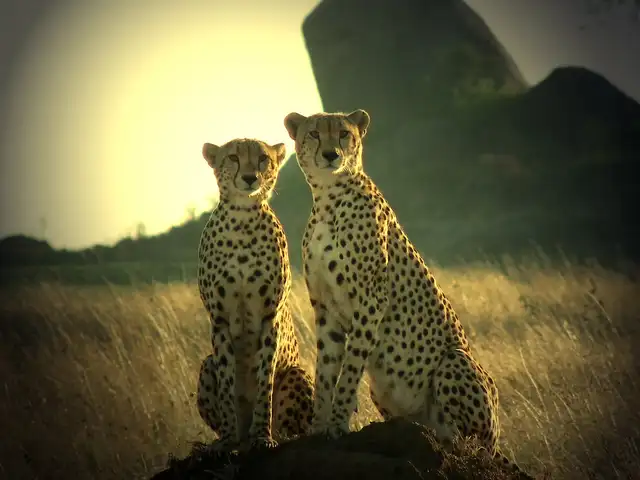
Top 10 Tanzania safari trips now include Serengeti, Ngorongoro, Tarangire, Ruaha, Nyerere, Katavi, Mahale, Manyara, Mkomazi, and Saadani for wildlife and variety.
Tanzania safari trips now offer travelers a wide range of wildlife experiences across ten standout destinations. From the vast plains of Serengeti to the crater floor of Ngorongoro, each park delivers strong value through reliable sightings, varied terrain, and well-managed access. The northern circuit Serengeti, Ngorongoro, Tarangire, and Lake Manyara remains popular for its ease of travel and consistent wildlife density. These parks are ideal for first-time visitors and those with limited time, offering compact game drives and flexible accommodation options.
Beyond the north, Tanzania safari trips now include remote and rewarding destinations like Ruaha, Nyerere, Katavi, and Mahale. These southern and western parks suit travelers who want privacy, depth, and fewer vehicles on the road. Activities range from walking safaris and rhino tracking to chimpanzee hikes and boat excursions. Mkomazi and Saadani add dryland and coastal variety, giving travelers access to rare species and beachside wildlife. Whether you're planning a short trip or a longer itinerary, these ten destinations cover the full spectrum of safari styles. Tanzania safari trips now are about smart choices balancing comfort, wildlife access, and responsible travel across well-managed parks with strong guiding and community support
Best Tanzania safari trips
2-days-fly-in-serengeti-safari-in-tanzania
2-days-tarangire-national-park-and-ngorongoro-crater-safari
3-days-tanzania-safari-in-serengeti-national-park
3-days-tanzania-wildlife-safari
4-days-epic-tanzania-wildlife-and-culture-safari
5-day-kenya-and-tanzania-safari
5-days-circuit-wildlife-safari-in-tanzania
6-days-ndutu-migration-safari-calving-season
8-day-serengeti-ngorongoro-crater-and-zanzibar
8-days-wildlife-and-beach-holiday-tanzania
8-days-wildlife-safari-tanzania
9-days-zanzibar-and-wildlife-safari
10-days-uganda-and-tanzania-safari-gorillas-chimpanzees-and-wildlife
The Best 10 popular destinations for Tanzania safari trips now
Serengeti National Park
Serengeti is the top choice for Tanzania safari trips, especially during the Great Migration. Travelers can see thousands of wildebeest and zebra moving across the plains, followed by predators like lions and hyenas. The park’s size allows for varied game drives, and mobile camps help you stay close to wildlife. Tanzania safari trips benefit from the Serengeti’s consistent sightings and open terrain, which makes photography and guiding easier. Whether visiting in dry or wet season, the park offers strong value for both first-time and repeat visitors. It’s well-connected to other northern circuit parks, making it easy to combine with Ngorongoro or Tarangire. For travelers who want reliable wildlife access and flexible accommodation options, Serengeti remains a practical and rewarding destination.
Ngorongoro Crater
Ngorongoro Crater is a must-include in Tanzania safari trips due to its compact layout and high wildlife density. The crater floor hosts elephants, rhinos, lions, and hippos in a contained area, making sightings more predictable. Tanzania safari trips use Ngorongoro for short, high-impact game drives that suit travelers with limited time. The area is well-developed, with lodges on the rim offering quick access to the crater. It’s ideal for families, older travelers, or anyone who prefers less driving. The crater’s unique geography supports a wide range of species, and guides are trained to navigate the terrain efficiently. For those seeking strong results in one day, Ngorongoro delivers consistent value and easy logistics.
Tarangire National Park
Tarangire is gaining attention in Tanzania safari trips for its elephant herds and seasonal wildlife concentration. During the dry season, animals gather around the Tarangire River, making it easier to spot large groups. Tanzania safari trips include Tarangire for travelers who want quieter drives and fewer vehicles compared to Serengeti or Ngorongoro. The park’s baobab trees and open spaces add visual interest, and birdwatching is strong year-round. It’s a good choice for those who want a mix of wildlife and privacy. Lodges range from budget to luxury, and the park is close to Arusha, making it easy to access. Tarangire works well as a first or last stop in a northern circuit itinerary.
Lake Manyara National Park
Lake Manyara is part of many Tanzania safari trips due to its location and varied habitats. The park is known for tree-climbing lions, flamingos, and large baboon troops, all visible in a compact area. Tanzania safari trips use Lake Manyara as a warm-up or wind-down stop, especially for travelers with limited time. The park’s forest, lake, and escarpment offer different environments in one drive, and it’s close to Arusha and Ngorongoro. It’s ideal for bird lovers and those who want short, manageable game drives. Lodges nearby offer easy access, and the park’s layout supports efficient guiding. For travelers who want variety without long transfers, Lake Manyara is a practical and rewarding choice.
Ruaha National Park
Ruaha is featured in Tanzania safari trips for travelers seeking remote and wild settings. The park is known for large predator populations, including lions and leopards, and fewer tourists, making it suitable for longer stays. Tanzania safari trips include Ruaha for those who prefer off-grid experiences with strong wildlife density and professional guiding. The terrain is varied, with rivers, hills, and open plains supporting elephants, antelope, and birds. Lodges are small and personalized, offering privacy and depth. Ruaha is best accessed by flight, and it pairs well with southern parks like Nyerere. For travelers who want real wilderness and fewer crowds, Ruaha delivers consistent value and strong wildlife access.
Selous/Nyerere National Park
Selous, now called Nyerere National Park, is part of southern Tanzania safari trips, offering boat safaris and walking options. The Rufiji River supports hippos, crocodiles, and birdlife, while game drives cover lions, giraffes, and antelope. Tanzania safari trips include Nyerere for travelers who want variety in activities and a break from the northern circuit. The park is large and less developed, giving space for quiet exploration. Lodges offer guided walks and river excursions, adding depth to the safari experience. It’s best for those who value flexibility and fewer vehicles on the road. Nyerere works well for travelers who want to combine wildlife with water-based activities in one location.
Katavi National Park
Katavi is one of the least visited parks in Tanzania safari trips, but it offers high-impact wildlife viewing for those who make the effort. During the dry season, animals concentrate around water sources, and the park is known for buffalo herds, crocodile activity, and predator sightings. Tanzania safari trips include Katavi for travelers who want raw nature and are willing to fly in or take longer transfers. Lodges are few but well-run, offering privacy and strong guiding. Katavi is best for repeat visitors or those seeking something different from the northern circuit. It’s a good fit for travelers who want depth, quiet, and strong wildlife without crowds.
Mahale Mountains National Park
Mahale is part of Tanzania safari trips for travelers interested in chimpanzee tracking and lake views. Located on Lake Tanganyika, it combines forest hikes with beach relaxation. Tanzania safari trips include Mahale for those who want primates and water-based activities in one location. Chimp tracking is guided and regulated, offering a focused experience with small groups. The park is remote and accessed by boat or charter flight, making it suitable for longer stays. Lodges are intimate and offer lake activities like kayaking and swimming. Mahale is ideal for travelers who want to add variety beyond traditional game drives and enjoy both forest and water in one destination.
Mkomazi National Park
Mkomazi is becoming part of Tanzania safari trips for travelers interested in black rhino conservation and dryland wildlife. Located near Kilimanjaro, it’s less visited but offers strong value for those who want to avoid crowds. Tanzania safari trips include Mkomazi for its rhino sanctuary, giraffes, and antelope species like oryx and gerenuk. The park’s dry terrain supports unique wildlife not commonly found in wetter regions. It’s best accessed by road from Moshi or Arusha and pairs well with cultural visits to nearby villages. Lodges are limited but well-run, making it suitable for short stays. Mkomazi works well for travelers who want to support conservation and see rare species in a quiet setting.
Saadani National Park
Saadani is featured in Tanzania safari trips for its rare combination of beach and bush. Located on the Indian Ocean coast, it allows travelers to see wildlife like elephants and lions near the shoreline. Tanzania safari trips include Saadani for those who want game drives followed by beach time without changing regions. The park is accessible from Dar es Salaam and offers boat safaris on the Wami River. Lodges provide direct access to both wildlife and the beach, making it ideal for short, mixed-style safaris. Saadani suits travelers who want variety and easy logistics in one location
Best time to go for Tanzania safari trips
The best time to go for Tanzania safari trips is during the dry season from June to October, when wildlife viewing is most reliable. Animals gather around water sources, making them easier to spot in parks like Serengeti, Tarangire, and Ruaha. Roads are more accessible, and skies are clear, which helps with photography and comfort during game drives. Tanzania safari trips benefit from this season’s predictability, especially for travelers focused on seeing the Big Five or the Great Migration. Lodges tend to fill up early, so booking ahead is important if traveling during these months.
For those interested in calving season and fewer crowds, January to February is also a strong time for Tanzania safari trips. This is when wildebeest give birth in the southern Serengeti, attracting predators and offering dramatic wildlife scenes. The weather is warm and dry, and many lodges offer good deals before the peak season begins. Tanzania safari trips during this period suit photographers and travelers who want to avoid the busiest months while still seeing active wildlife behavior. It’s a good balance between value and access.
The wet season from March to May is less popular but still viable for Tanzania safari trips, especially for budget-conscious travelers. Some parks become harder to access due to rain, but the landscapes are green, and birdlife is abundant. Lodges offer lower rates, and there are fewer vehicles on the road. Tanzania safari trips in the wet season work best for those who don’t mind occasional showers and want privacy. It’s also a good time to visit southern parks like Nyerere and Ruaha, which remain open and offer strong wildlife viewing despite the rain
How to get there to Tanzania safari trips
Getting to Tanzania safari trips usually starts with flying into one of the country’s main international airports Kilimanjaro International Airport (JRO) for northern circuit safaris or Julius Nyerere International Airport (DAR) for southern parks. Most travelers heading to Serengeti, Ngorongoro, or Tarangire use Kilimanjaro as their entry point, while those visiting Ruaha or Nyerere National Park fly into Dar es Salaam. Tanzania safari trips are well-supported by domestic flights, which connect major cities to remote airstrips near the parks. Booking flights early helps avoid delays, especially during peak seasons when availability is limited.
For Tanzania safari trips that include multiple parks, ground transfers are common between nearby reserves like Lake Manyara, Ngorongoro, and Tarangire. Tour operators usually provide 4x4 vehicles with guides, making it easy to move between destinations. In southern Tanzania, flying between parks is more efficient due to longer distances and rough roads. Tanzania safari trips can also be combined with beach extensions in Zanzibar, which is accessible by short flights from Arusha or Dar es Salaam. Whether flying or driving, planning logistics with a reliable operator ensures smoother travel and better use of time
Best things to do on Tanzania safari trips
Tanzania safari trips offer a wide range of activities that go beyond just spotting animals. Game drives remain the core experience, especially in parks like Serengeti, Tarangire, and Ruaha, where wildlife is abundant and terrain supports varied sightings. Morning and evening drives are timed to catch animal movement, and guides help travelers navigate efficiently. Tanzania safari trips also benefit from well-maintained roads and flexible itineraries, making it easy to adjust based on weather or interest. Whether you're focused on predators or seasonal migrations, game drives provide consistent value and are suitable for all traveler types.
For those who want more than vehicle-based viewing, Tanzania safari trips include walking safaris and rhino tracking in places like Ruaha, Nyerere, and Mkomazi. These guided walks offer a slower pace and a chance to learn about tracks, plants, and conservation efforts. Rhino tracking adds depth, especially for travelers interested in endangered species. Walking safaris are safe and regulated, giving travelers a different way to explore without sacrificing wildlife access. Tanzania safari trips that include walking are ideal for those who want variety and a closer look at the environment.
Cultural visits are another important part of Tanzania safari trips, especially near Ngorongoro, Lake Eyasi, and Tarangire. Travelers can meet local communities, learn about traditional lifestyles, and see how tourism supports development. These visits are guided and respectful, offering real insight without disrupting daily life. Tanzania safari trips that include village tours add meaning and balance to the itinerary, especially for travelers who want to understand the human side of conservation. They also help spread tourism benefits beyond park boundaries, making the experience more responsible and inclusive.
Many Tanzania safari trips end with beach time in Zanzibar or Saadani, where travelers can relax after days of wildlife viewing. The coast offers warm water, clean beaches, and activities like snorkeling, swimming, and sailing. Zanzibar adds cultural depth with its historic towns, while Saadani combines wildlife and ocean in one location. Tanzania safari trips that include a beach extension give travelers a chance to recharge without leaving the country. This mix of land and water makes the overall experience more complete and suitable for those who want both adventure and rest.
How long to spend on Tanzania safari trips
Most travelers spend 7 to 10 days on Tanzania safari trips to cover multiple parks without rushing. This timeframe allows for game drives in Serengeti, Ngorongoro, and Tarangire, plus optional extensions to Ruaha, Nyerere, or Zanzibar. Tanzania safari trips planned within this range offer enough time for wildlife viewing, rest days, and smooth transfers between locations. Shorter trips of 4 to 6 days can still work well for focused itineraries, especially in the northern circuit. Longer stays of 12 to 14 days suit travelers who want to include remote parks or combine land and beach experiences. Tanzania safari trips are flexible, but balancing variety with downtime helps avoid fatigue and improves overall value.
Cost of Tanzania safari trips
The cost of Tanzania safari trips now ranges from $250 to $1,500 per person per day, depending on the level of comfort, park selection, and travel season. Budget safaris with shared vehicles and basic lodges fall on the lower end, while luxury safaris with private guides, fly-in access, and premium camps reach the higher bracket. Tanzania safari trips now typically include park fees, accommodation, meals, and guided activities, but international flights, tips, and optional extras like balloon safaris or cultural visits are charged separately. Booking early helps secure better rates, especially during peak migration months. Travelers should budget realistically based on their priorities whether it’s wildlife density, privacy, or combining land and beach experiences
How to be ecofriendly on Tanzania safari trips
To be ecofriendly on Tanzania safari trips, choose lodges and operators that prioritize sustainability look for solar power, water conservation, and local employment. Avoid single-use plastics by carrying reusable bottles and bags, and support parks that reinvest tourism revenue into conservation. Tanzania safari trips can be low-impact when travelers stick to designated tracks, follow wildlife viewing rules, and avoid disturbing animals. Buying local crafts and using community-run services also helps spread economic benefits. Tanzania safari trips that focus on responsible choices not only protect the environment but also improve the long-term value of tourism for both visitors and local communities.
Best health, safety and cultural tips for Tanzania safari trips
When planning Tanzania safari trips, health preparation is key. Travelers should visit a travel clinic at least 4–6 weeks before departure to get recommended vaccinations such as Yellow Fever (required for entry), Hepatitis A and B, Typhoid, and Tetanus. Malaria is present in most safari areas, so a prescribed prophylactic is strongly advised. Carry personal medications, insect repellent with DEET, and a basic first aid kit. Tanzania safari trips often involve remote areas, so travel insurance that covers medical evacuation is essential. Staying hydrated, using sun protection, and pacing physical activity especially during game drives or walking safaris helps prevent fatigue and heat-related issues.
Safety and cultural awareness also shape the experience of Tanzania safari trips. Always follow park rules and guide instructions, especially around wildlife. Avoid loud noises, sudden movements, or getting out of the vehicle without permission. In towns and villages, dress modestly and ask before taking photos of people. Greetings are important in Tanzanian culture use polite Swahili phrases like “Jambo” or “Asante.” Tanzania safari trips are smoother when travelers respect local customs, support community-run services, and avoid giving gifts or money directly to children. These small actions help build trust and ensure a more respectful and responsible safari experience
Best places to stay in on Tanzania safari trips
The best places to stay on Tanzania safari trips now include a mix of luxury lodges, tented camps, and eco-friendly retreats across key parks. In Serengeti, top choices are Four Seasons Safari Lodge and Lemala Nanyukie for high-end comfort, while Serengeti Migration Camp offers mobility during the migration season. Near Ngorongoro, Gibb’s Farm and Ngorongoro Crater Lodge provide quick access to the crater with strong service and views. Tarangire features Tarangire Treetops and Chem Chem Lodge, known for privacy and elephant sightings. For southern parks like Ruaha and Nyerere, lodges such as Jabali Ridge and Beho Beho offer remote luxury and strong guiding. Tanzania safari trips now benefit from these well-placed accommodations that balance wildlife access, comfort, and sustainability
Why book Tanzania safari trips with Lamz Tours and Travel
Booking Tanzania safari trips with Lamz Tours and Travel ensures a well-planned, value-driven experience tailored to real traveler needs. The team specializes in East African destinations and offers detailed itineraries that balance wildlife access, comfort, and logistics. Lamz Tours and Travel handles everything from permit coordination to lodge selection, with a focus on ethical tourism and local partnerships. Tanzania safari trips booked through Lamz Tours and Travel benefit from expert guidance, clear communication, and flexible options that suit different budgets and travel styles. Whether you're visiting Serengeti, Ngorongoro, or combining land and lake experiences, Lamz Tours and Travel delivers practical support and high standards throughout
Ready to plan your safari?
Talk to a Lamz Tours specialist and get a tailor-made quote.
Make an enquiry