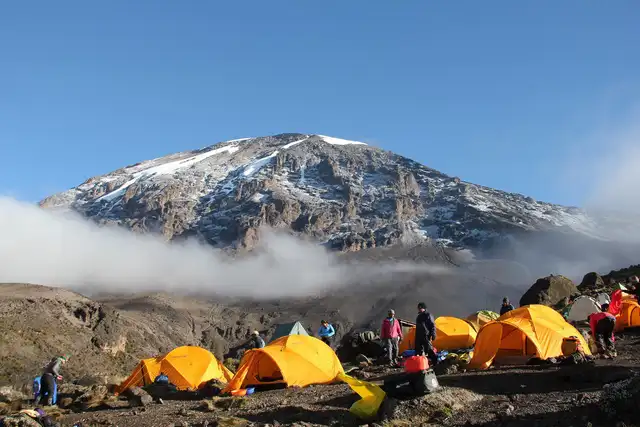
Ultimate Kilimanjaro climb safari guide with routes, costs, gear, safety, fitness tips, and summit details for a successful adventure.
Anything you need to know about planning the ultimate Kilimanjaro climb safari begins with understanding that this is not just a trek but a carefully managed adventure requiring preparation, patience, and the right choices. From selecting the most suitable route with higher success rates to timing your climb during the dry seasons, every decision impacts your comfort and chances of reaching Uhuru Peak. Safety is central, with altitude sickness prevention, proper gear, and choosing a reliable operator all playing vital roles. Costs, permits, and tipping guidelines must be factored into your budget, while fitness training ensures you can handle long days on steep terrain. With clear planning, respect for the crew, and realistic expectations, your ultimate Kilimanjaro climb safari becomes a rewarding experience that balances challenge with achievement
Best Tanzania safari tours
5-days-circuit-wildlife-safari-in-tanzania
6-days-ndutu-migration-safari-calving-season
8-day-serengeti-ngorongoro-crater-and-zanzibar
8-days-wildlife-and-beach-holiday-tanzania
8-days-wildlife-safari-tanzania
9-days-zanzibar-and-wildlife-safari
10-days-uganda-and-tanzania-safari-gorillas-chimpanzees-and-wildlife
5-days-mount-kilimanjaro-marangu-route
6-days-mount-kilimanjaro-machame-route
7-day-climbing-kilimanjaro-via-the-machame-route
8-days-kilimanjaro-climbing-safari-lemosho-route-mount
All you need to know about ultimate Kilimanjaro climb safari
1. Choosing Your Route for Key Differences and Success Rates\
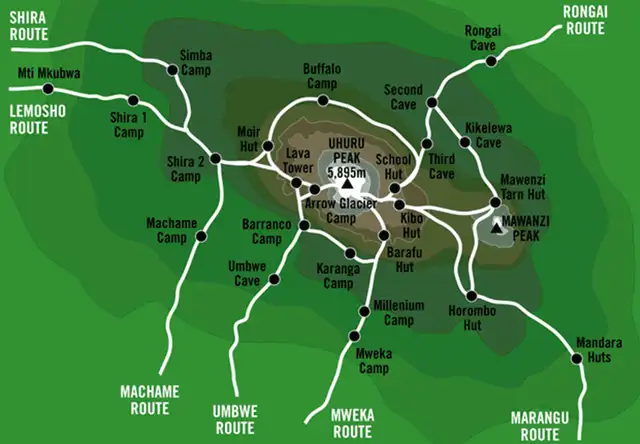
Planning your ultimate Kilimanjaro climb safari starts with route selection, because each path offers different scenery and success rates. The Northern Circuit Route gives you the highest chance of reaching the summit at 95%, making it a top choice for your ultimate Kilimanjaro climb safari if you can spend 9-10 days on the mountain. The Machame Route (Whiskey Route) takes 7-9 days with an 85-90% success rate and offers great camping experiences but no huts. The Marangu Route (Coca-Cola Route) is the only one with bunkhouse accommodation, but its 6-7 day duration gives you only a 70-75% summit success rate. The Lemosho Route takes 8-9 days with beautiful scenery and an 85-90% success rate. The Umbwe Route is very steep and short (5-6 days) with a low 60-65% success rate, so do not pick this for your ultimate Kilimanjaro climb safari.
2. Best Time to Climb with clear Weather Windows and Full Moon Options
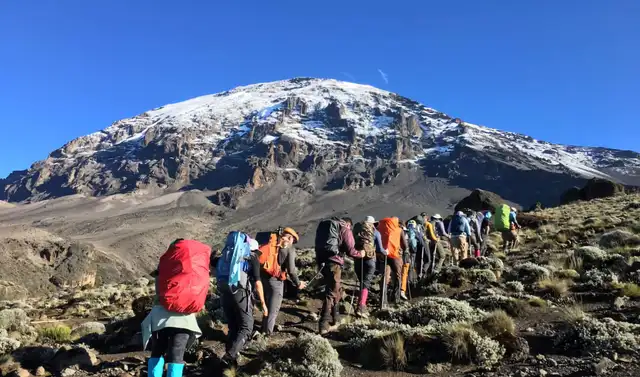
The weather plays a big role in your ultimate Kilimanjaro climb safari, and you should plan for the dry seasons to avoid rain and mud. January to mid-March gives you clear skies and warmer temperatures, which works well for your ultimate Kilimanjaro climb safari if you want fewer crowds and pleasant conditions. June to October is the peak trekking season with the driest weather and sunny skies, but the trails will be busiest during these months. November, December, April, and May bring heavy rains, so Easy Travel does not recommend climbing then because wet conditions make the trails dangerous and slippery. A full moon climb adds natural light to summit night (starting around midnight), making your ultimate Kilimanjaro climb safari safer and more beautiful. You must book 5 days before the full moon date for a 7-day climb, so plan ahead.
3. Altitude Sickness, Prevention and What To Expect
Altitude sickness stops more climbers than anything else, and understanding it is critical for your ultimate Kilimanjaro climb safari. Symptoms include headache, nausea, fatigue, dizziness, and loss of appetite; serious signs are confusion and shortness of breath at rest, which mean you must descend immediately for your ultimate Kilimanjaro climb safari to remain safe. To prevent sickness, pick a 7-day or longer itinerary because extra days give your body time to adjust. The Pole Pole (slowly slowly) walking method is not optional you must move much slower than normal. Guides on your ultimate Kilimanjaro climb safari will check your oxygen levels twice daily using a pulse oximeter. The "walk high, sleep low" technique helps you climb during the day but descend slightly to sleep, improving your adaptation. If you get sick, immediate descent is the only real treatment.
4. Costs for Park Fees, Permits, and What Your Money Covers
Park fees take up 50-60% of your total climb cost, so budget carefully for your ultimate Kilimanjaro climb safari before you book anything. Every climber pays a Conservation Fee of 70 per day and a Camping Fee of 50 per night (or 60 on Marangu Route for huts).One time fees include a Rescue Fee and a Forest Fee (20) for routes starting in the rainforest zone, tips for your crew.
5. Gear and Packing: What to Rent vs. What To Bring Yourself
You do not need to buy expensive gear for just one climb, because most items can be rented in Moshi or Arusha for your ultimate Kilimanjaro climb safari. Typical rental costs include a down jacket (20),asleepingbagratedto−20°C(20), trekking poles (10−10−15), and a headlamp Most climbers Spend 60-120 total on rental gear, and many operators offera" FullClimber′sKit" per day that covers everything for your ultimate Kilimanjaro climb safari. However, you should bring your own broken-in hiking boots because rental boots risk blisters and discomfort at high altitude, which could ruin your ultimate Kilimanjaro climb safari. Pack your own moisture-wicking base layers, personal socks, medications, and energy snacks. A full gear list includes warm gloves, gaiters, a balaclava, a waterproof jacket, and UV-protected sunglasses. Check your operator's packing list before you arrive.
6. Safety and Choosing a Tour Operator
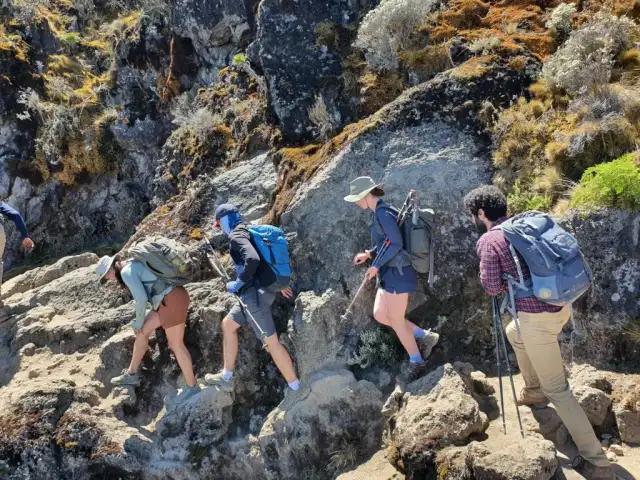
Each year, 30,000-40,000 people climb Kilimanjaro, and most who choose 7-8 day itineraries complete their ultimate Kilimanjaro climb safari safely. Before booking, check that your operator carries emergency oxygen on every climb and has a clear evacuation plan with satellite phones or radios, because these save lives on your ultimate Kilimanjaro climb safari. Look for small group sizes (maximum 6 climbers per group is best) so guides can monitor each person properly for signs of altitude sickness. KPAP verification means the operator pays and treats porters fairly, which is important for an ethical ultimate Kilimanjaro climb safari. Never choose a 5-6 day itinerary to save money; paying for extra days on the mountain is insurance for your health and summit success. Many climbers who fail on shorter routes return and succeed with 8-9 day climbs, so plan your ultimate Kilimanjaro climb safari with patience and realistic expectations.
7. Physical Preparation and Fitness Requirements
You do not need to be an athlete to complete the ultimate Kilimanjaro climb safari, but good physical preparation makes a big difference in your comfort and success. Focus on aerobic conditioning like hiking with a weighted backpack, stair climbing, jogging, and cycling for 3-6 months before your ultimate Kilimanjaro climb safari. You should be able to walk 6-8 hours per day for several days in a row with a 10-15 pound daypack, as porters carry your main bags. Strength training for your legs and core helps with steep sections, especially on summit night when you face loose scree and rocky terrain. Practice hiking on uneven ground and at varying elevations if possible, because your ultimate Kilimanjaro climb safari involves rocky trails, wooden planks, and sections of volcanic scree that shift under your feet. Do not worry about running marathons; steady walking endurance is what matters most for a successful ultimate Kilimanjaro climb safari.
8. Summit Night and What Actually Happens
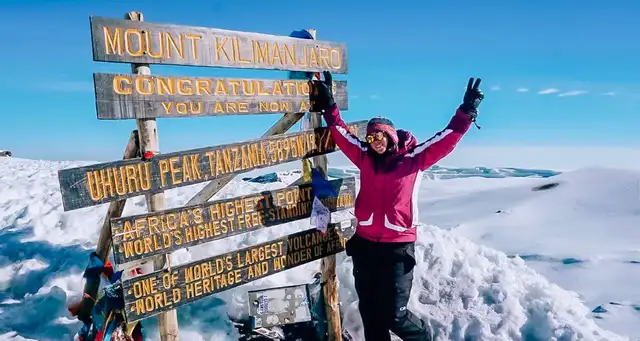
Summit night is the hardest part of your ultimate Kilimanjaro climb safari, and knowing what to expect helps you prepare mentally for the challenge. You wake up around 11:00 PM or midnight, have a light snack, and start climbing in darkness with only your headlamp lighting the trail. The temperature drops well below freezing, often to -15°C or -20°C, so every layer you packed for your ultimate Kilimanjaro climb safari goes on your body. You walk very slowly on loose volcanic scree (called "mbwe mbwe") that slides backward with each step, making progress feel painfully slow. Most climbers reach Gilman's Point (5,685m) around sunrise, then continue another 1-2 hours to Uhuru Peak (5,895m), the highest point of your ultimate Kilimanjaro climb safari. The descent from the summit takes 3-4 hours back to high camp, and you will feel exhausted but accomplished. Many people cry at the summit from relief and joy.
9. Packing List and Essentials You Cannot Forget
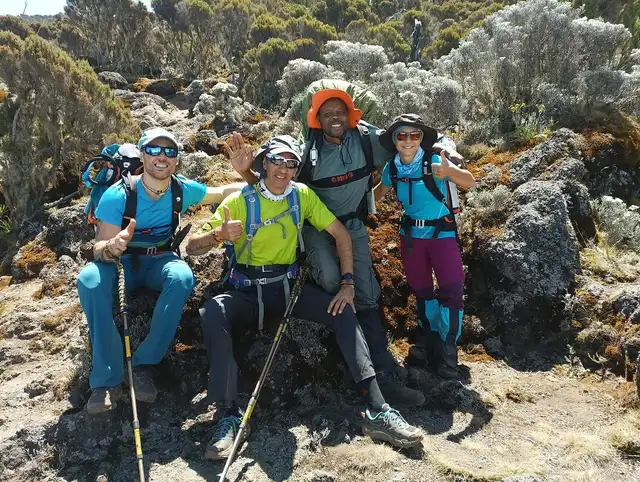
A complete packing list for your ultimate Kilimanjaro climb safari includes four layers for your upper body: a base layer (wool or synthetic), a mid-layer fleece, a soft-shell jacket, and a heavy down parka for summit night. For your lower body, bring hiking pants, fleece pants, and waterproof rain pants, plus thermal long underwear for your ultimate Kilimanjaro climb safari on cold summit night. Your feet need liner socks, thick wool hiking socks, and properly broken-in waterproof boots with good ankle support. Essential accessories include a headlamp with extra batteries, UV-protected sunglasses (category 3 or 4), a warm balaclava or face mask, liner gloves plus heavy mittens, and trekking poles. Do not forget a 3-4 liter reusable water bladder, lip balm with SPF, high-SPF sunscreen, a wide-brimmed hat, and a first aid kit for your ultimate Kilimanjaro climb safari. Hand sanitizer and wet wipes are also very useful because there are no showers after day one.
10. Tipping Guidelines and Cultural Respect
Tipping your crew is expected on the ultimate Kilimanjaro climb safari, and understanding the proper amounts shows respect for the hardworking porters and guides. Standard tipping recommendations are 20−25perdayfortheheadguide,20−25perdayfortheheadguide,15-20 per day for assistant guides, 10−15perdayforthecook,and10−15perdayforthecook,and5-8 per day for each porter. For a 7-day ultimate Kilimanjaro climb safari with a typical crew of 1 head guide, 2 assistant guides, 1 cook, and 8-10 porters, total tips range from 600to600to800 shared among the group. You distribute tips on the last day during a group ceremony where each crew member steps forward to receive their share, which is an important part of your ultimate Kilimanjaro climb safari. Also learn a few Swahili phrases: "Jambo" (hello), "Asante sana" (thank you very much), and "Pole pole" (slowly slowly) to show respect. Your ultimate Kilimanjaro climb safari creates strong bonds with your mountain crew, and fair tipping honors their hard work carrying your food, water, and gear up the mountain every day.
Best time for ultimate Kilimanjaro climb safari
The best time for your ultimate Kilimanjaro climb safari is during the two dry seasons, which offer stable weather and clear views. The first window runs from January to mid-March, giving you warmer temperatures, less crowded trails, and mostly clear skies for your ultimate Kilimanjaro climb safari. Daytime hiking is pleasant, but summit night still drops below freezing, so you need proper gear. The second and more popular window runs from June to October, providing the driest conditions with almost no rain on most days. This period has the clearest views of the mountain and surrounding plains, making your ultimate Kilimanjaro climb safari more rewarding for photography. However, June to October is also the busiest season, meaning camping sites are more crowded and prices are higher. If you want a balance of good weather and fewer people, January to mid-March is the better choice for your ultimate Kilimanjaro climb safari.
The rainy months of April, May, November, and early December are not recommended for your ultimate Kilimanjaro climb safari because trails become slippery, muddy, and dangerous. Heavy rain reduces visibility, and wet conditions increase your chance of hypothermia, especially during summit night on your ultimate Kilimanjaro climb safari. That said, some climbers choose these low-season months to save money on park fees and operator costs, but the risk of a failed climb is much higher. For the highest chance of success and comfort, plan your ultimate Kilimanjaro climb safari for the dry windows. Also consider booking a full moon climb during these dry months, because natural moonlight helps you see the trail on summit night without relying only on your headlamp. Many climbers say a full moon added something special to their ultimate Kilimanjaro climb safari, so check moon phases when picking your dates.
How to get there for ultimate Kilimanjaro climb safari
For your ultimate Kilimanjaro climb safari, you will fly into Kilimanjaro International Airport (JRO) , which is the main gateway located roughly halfway between the towns of Moshi and Arusha . Upon arrival, most climbers take a private taxi or a pre-arranged tour transfer directly to their hotel; a trip to Moshi takes about 45 minutes to one hour, while the drive to Arusha takes roughly one to two hours . If you are starting your ultimate Kilimanjaro climb safari from Kenya, you can also fly from Nairobi to JRO (around 75 minutes) or take a 6-8 hour road transfer across the Namanga border . Nearly all tour operators include airport pickup in their packages, so a driver will meet you in the arrivals hall with a sign, helping you avoid any transport hassle and get a good night's rest before your trek begins
How many days do you need for ultimate Kilimanjaro climb safari
For your ultimate Kilimanjaro climb safari, you need a minimum of 7 to 10 days on the mountain to balance safety and summit success, though shorter 5-6 day options exist but have much lower success rates due to poor altitude adaptation. A 7-day Machame or Lemosho route is the shortest recommended option for your ultimate Kilimanjaro climb safari, giving you an extra day for acclimatization compared to the 6-day version, which drops success rates from roughly 85% to 70%. An 8-day Lemosho or Machame itinerary adds another rest day and boosts success rates to around 90%, while the 9-day Northern Circuit offers a 95% summit rate for your ultimate Kilimanjaro climb safari. If you include travel days before and after the climb, plan for a total of 10 to 12 days in Tanzania: arrive one day before your trek starts for gear checks and briefing, spend 7-9 days climbing, and reserve one buffer day after descending to recover before your flight home.
Booking ultimate Kilimanjaro climb safari with Lamz Tours and Travel
To book your ultimate Kilimanjaro climb safari with Lamz Tours and Travel, start by visiting their official website at Lamz Tours and Travel.com or contacting them directly via email at info@Lamz Tours and Travel.com or by phone at +000 000 000 000 . The booking process begins with choosing your preferred climbing route popular options like Machame, Lemosho, or Marangu and deciding whether you want a climb-only package or a combined safari that includes Tanzania's famous national parks such as Serengeti and Ngorongoro Crater . Lamz Tours and Travel is known for quick communication and helpful staff who guide you through every step, from checking availability to providing detailed itineraries and cost breakdowns . For your ultimate Kilimanjaro climb safari with Lamz Tours and Travel, you should book several months in advance, especially if planning to climb during peak dry seasons (January to March or June to October), as spots fill quickly . Once you confirm your dates, pay the required deposit (typically 30-50%), and Lamz Tours and Travel will arrange airport transfers from Kilimanjaro International Airport (JRO), provide experienced guides and porters, and handle all park permits and logistics for a smooth and successful climb
Ready to plan your safari?
Talk to a Lamz Tours specialist and get a tailor-made quote.
Make an enquiry