Experience Ngorongoro Crater Tanzania wildlife safari, Big Five sightings, diverse habitats, Maasai culture, best seasons, and easy access from Arusha
All you need to know about a Tanzania wildlife safari to Ngorongoro Crater is that it combines dense year-round wildlife, diverse habitats, rich culture, and easy access, making it one of Africa’s most rewarding safari destinations. From spotting the Big Five including the rare black rhino to exploring Lake Magadi, Lerai Forest, and Maasai villages, every aspect adds depth to the experience. Whether you visit in the dry season for peak sightings or the green season for fewer crowds and birdlife, Ngorongoro delivers consistent value. With lodges ranging from budget campsites to luxury crater-rim stays and convenient access from Arusha or Kilimanjaro, it’s a practical yet unforgettable choice.
Best Tanzania safari tours
14-days-thorough-tanzania-safari-tour-and-zanzibar-beach-holidays
10-days-northern-tanzania-safari-circuit-and-most-visited-tanzania-wildlife-parks
7-days-incredible-big-five-safaris-to-tanzania
7-days-incredible-big-five-safaris-to-tanzania
7-days-best-african-big-cats-safaris-on-a-tanzania-tour
7-days-best-serengeti-tour-and-zanzibar-beach-holiday-vacations
6-days-safari-to-tanzania-serengeti-migration-mara-river-crossing
5-days-circuit-wildlife-safari-in-tanzania
5-days-serengeti-safari-ngorongoro-and-lake-manyara-tanzania-tour-trip
4-days-tanzania-safari-tour-itinerary-and-magical-wildebeest-migrations
4-days-classic-tanzania-safari-to-tarangire-ngorongoro-and-manyara-with-hadzabe-tour
3-days-tanzania-safari-in-serengeti-national-park.
3-days-tarangire-ngorongoro-and-manyara-tanzania-safari-holiday
Why Ngorongoro crater is a must visit for Tanzania wildlife safari
The Magic of Geography
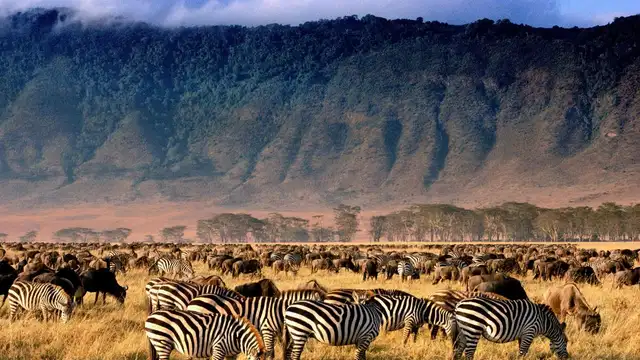
Ngorongoro Crater stands out on any Tanzania wildlife safari because of its unique natural design. The towering 600-meter walls form a natural enclosure that keeps animals within the crater year-round, creating one of the densest wildlife populations in Africa. Visitors can expect to see elephants, buffalo, lions, and large herds of zebra and wildebeest without needing to drive long distances. What makes this destination even more valuable is the chance to spot the critically endangered black rhino, a rare highlight for any Tanzania wildlife safari. The crater’s compact size means travelers maximize their time, seeing diverse species in one location, which is ideal for those with limited days but wanting a full safari experience.
The Variety of Habitats
Beyond the wildlife, Ngorongoro offers a mix of landscapes that enrich the Tanzania wildlife safari experience. The crater floor is not just open grassland; it includes Lake Magadi, often shimmering pink with flamingos, and the Lerai Forest, where elephants and leopards are commonly seen. Permanent water sources attract hippos and spotted hyenas, while the open plains host grazing herds. This variety ensures that every game drive feels different, with new sights around each corner. For travelers planning a Tanzania wildlife safari, Ngorongoro provides both concentrated animal viewing and diverse scenery, making it a practical and rewarding stop that balances efficiency with richness of experience.
Key aspects to know about Ngorongoro crater Tanzania wildlife safari
Location
Ngorongoro Crater is found in northern Tanzania within the Ngorongoro Conservation Area, a UNESCO World Heritage Site. Its protected status ensures that wildlife thrives in a safe environment, making it one of the most reliable places to see animals during a Tanzania wildlife safari. The area is close to other major safari destinations like Serengeti and Tarangire, which allows travelers to combine multiple parks in one trip. Being part of the northern circuit, it is well connected to Arusha and Kilimanjaro, the main safari hubs. For anyone planning a Tanzania wildlife safari, knowing that Ngorongoro is both accessible and globally recognized for its conservation value makes it a practical and rewarding choice.
The Crater
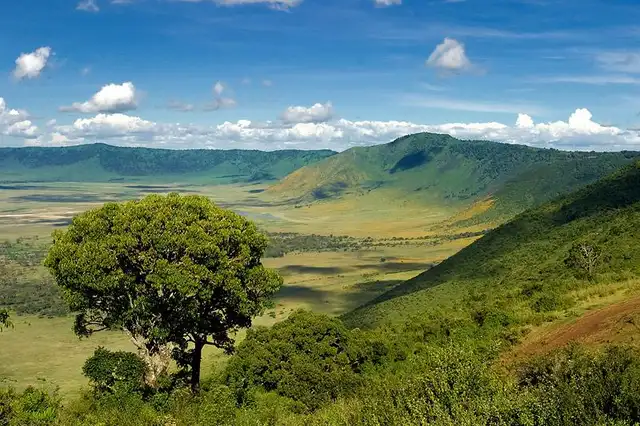
Ngorongoro Crater is the world’s largest intact volcanic caldera, measuring 600 meters deep with a floor covering about 260 square kilometers. This natural enclosure creates a unique environment where animals remain year-round, offering consistent sightings for visitors. The crater’s size allows for diverse habitats, from grasslands to forests and lakes, all within a compact area. For travelers on a Tanzania wildlife safari, this means less driving and more time spent observing animals in concentrated numbers. The dramatic walls also provide stunning views from the rim, giving visitors a sense of scale and natural wonder. A Tanzania wildlife safari here combines accessibility with density, making it one of the most efficient safari experiences in Africa.
Beyond the Crater Floor
While the crater floor is the highlight of a Tanzania wildlife safari, the wider Ngorongoro Conservation Area offers experiences that add depth to your visit. Olduvai Gorge, often called the “Cradle of Mankind,” is a world-renowned archaeological site where some of the oldest hominid fossils were found, and its museum provides valuable insights into human history. For those seeking quieter exploration, Empakaai Crater presents a smaller caldera with a deep soda lake often filled with flamingos, making it ideal for hiking and birdwatching. Equally important is the Maasai culture, as the conservation area doubles as a homeland for the Maasai people. Many tours include cultural visits, giving travelers a chance to learn about traditional lifestyles. Together, these experiences make a Tanzania wildlife safari in Ngorongoro more diverse and meaningful
Key Wildlife
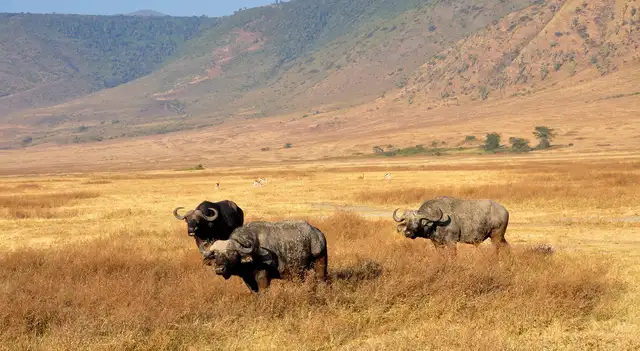
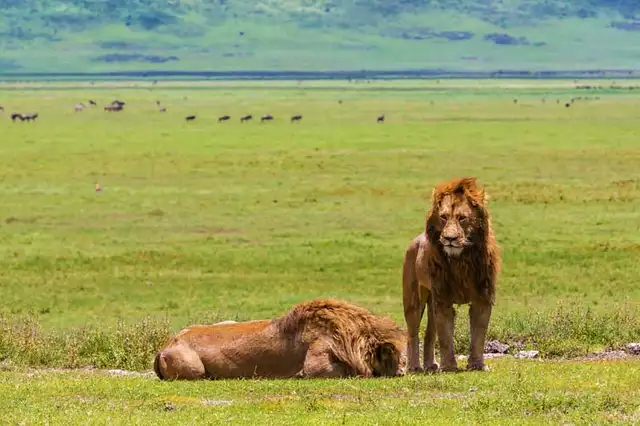
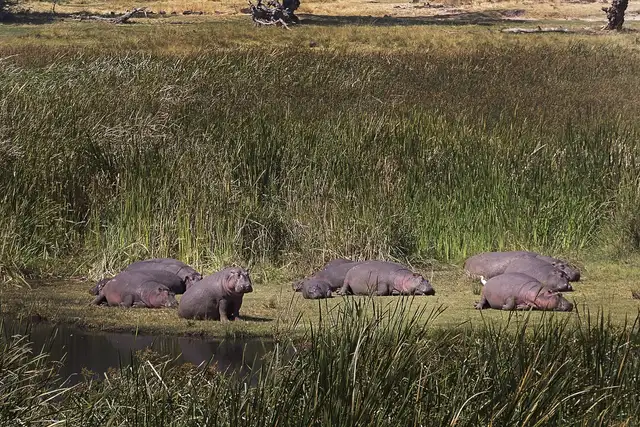
Ngorongoro is famous for hosting the Big Five lion, elephant, buffalo, leopard, and black rhino with the crater being the best place in Tanzania to see the critically endangered rhino. Alongside these, visitors can expect large herds of zebra and wildebeest, hippos in permanent water sources, and spotted hyenas roaming the plains. Flamingos often color Lake Magadi pink, adding variety to the wildlife experience. For anyone on a Tanzania wildlife safari, the crater offers unmatched diversity in a single location. The chance to see rare species alongside common ones makes it a highlight, ensuring that every game drive delivers value. A Tanzania wildlife safari here is both rewarding and practical for maximizing sightings.
Best Time to Visit
The dry season from June to October is the most popular time for a Tanzania wildlife safari in Ngorongoro, as animals gather around water sources and visibility is high. However, this period also brings more visitors, making the crater busier. The green season from November to May offers fewer crowds, greener landscapes, and excellent birdwatching opportunities. Travelers who prefer quieter experiences may find this season more appealing, while those focused on peak wildlife viewing may choose the dry months. A Tanzania wildlife safari in Ngorongoro is rewarding year-round, but understanding the differences helps travelers plan according to their priorities, whether it’s wildlife density, scenery, or avoiding crowds.
Getting There
Most visitors fly into Kilimanjaro International Airport (JRO) or Arusha Airport, then drive about 3.5 to 4.5 hours to reach the crater. The road trip itself passes through towns and landscapes that add context to the safari experience. For those planning a Tanzania wildlife safari, this accessibility makes Ngorongoro easy to include in itineraries alongside Serengeti or Tarangire. The drive is manageable, and many safari operators arrange comfortable transfers. Knowing the logistics helps travelers prepare for timing and costs, ensuring smoother planning. A Tanzania wildlife safari to Ngorongoro is not only about the destination but also about the ease of reaching it, making it practical for both short and extended trips.
Best 10 activities to do in Ngorongoro crater Tanzania wildlife safari
1. Game Drive on the Crater Floor
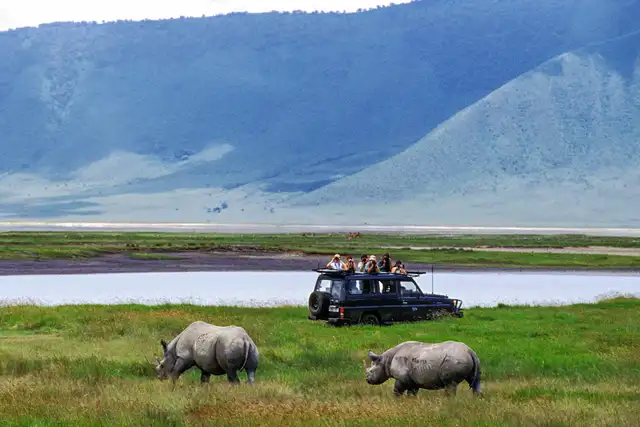
This is your main reason for visiting. You descend 600 meters down the crater walls in a 4x4 vehicle and drive across the open floor searching for animals. Any Tanzania wildlife safari that skips this drive misses the crater's main attraction. The crater has over 25,000 large mammals packed into a small area, so you see lions, elephants, buffalo, zebras, and hyenas without driving long distances. Your Tanzania wildlife safari here gives you the best chance to spot the black rhino, which is hard to find anywhere else. You can stay on the floor from sunrise until late afternoon without returning to the rim.
2. Visit Lake Magadi for Flamingos
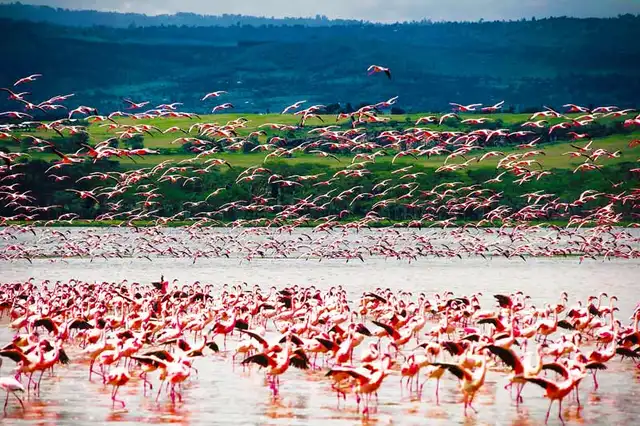
Lake Magadi is a shallow soda lake on the crater floor's southwest side. When water levels are right, you see hundreds or even thousands of flamingos standing in the pinkish water. Adding this stop to your Tanzania wildlife safari gives you bird watching alongside big game viewing. The flamingos feed on algae in the alkaline water, and you can watch them from your vehicle. A well-planned Tanzania wildlife safari includes both morning and afternoon visits to the lake for different light conditions. Bring binoculars for better views of the birds.
3. Picnic Breakfast or Lunch at Ngoitokitok Springs
Most game drives include a stop at one of the designated picnic sites on the crater floor. Ngoitokitok Springs is a popular spot where hippos wallow in the water pools while you eat. Eating here during your Tanzania wildlife safari lets you rest between morning and afternoon driving without leaving the floor. You sit at tables or on vehicle seats while watching hippos surface and splash. A good Tanzania wildlife safari packs extra water and snacks because no shops exist on the crater floor. The morning stop is quieter with fewer vehicles.
4. Walking Safari on the Crater Rim
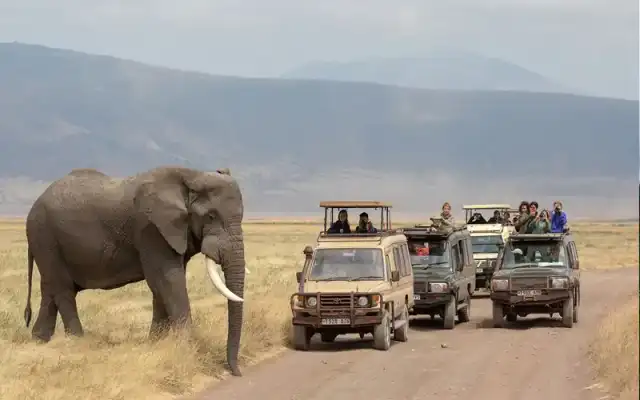
You can walk on the crater rim with a ranger, not on the floor where the big animals live. The walk follows trails through forest and open grassland along the western rim. This walking activity adds variety to your Tanzania wildlife safari because most of your time is spent sitting in a vehicle. You see the crater from above looking 600 meters down to the floor. A proper Tanzania wildlife safari should include this rim walk either before descending into the crater or after returning from your game drive. The walk takes about two hours at an easy pace.
5. Visit a Maasai Village
The Ngorongoro Conservation Area allows Maasai people to live and herd cattle inside. You can visit one of their villages to see how they live alongside wild animals. Including this visit in your Tanzania wildlife safari adds a cultural experience that most national parks cannot offer. Local guides show you the traditional circular huts built from cattle dung and wood. A complete Tanzania wildlife safari should budget about 50 USD per vehicle for the village visit. Carry cash for beadwork purchases directly from the villagers. The best visits happen in late afternoon when temperatures cool down.
6. Visit Olduvai Gorge
Olduvai Gorge sits about 30 minutes drive from the crater. This archaeological site is where some of the oldest human fossils were discovered. Adding this stop to your Tanzania wildlife safari connects animal watching with human history in the same trip. You visit the small museum that shows fossil finds and explains human evolution. A longer Tanzania wildlife safari can combine a morning game drive in the crater with an afternoon stop at Olduvai. You need half a day to do both properly. Your driver-guide can arrange this as an add-on before you continue toward the Serengeti.
7. Bird Watching at Gorigor Swamp
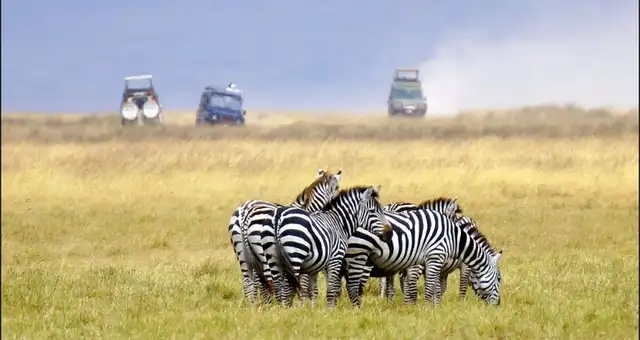
The Gorigor Swamp sits on the eastern side of the crater floor where water comes up from underground. This wetland area attracts a different set of animals and many bird species. Adding this location to your Tanzania wildlife safari gives you a break from the open grassland driving. You see crowned cranes, storks, ibises, and kingfishers around the swamp edges. A good Tanzania wildlife safari visits Gorigor in the morning when birds are most active and feeding. The swamp also attracts elephants and buffalo who come to drink and roll in the mud.
8. Crater Rim Sunrise Viewing
Waking up early to watch the sunrise from the crater rim is worth the effort. You stand at the edge looking down into the crater as the morning light spreads across the floor. Starting your Tanzania wildlife safari with sunrise viewing means you also get first access to the descent road before other vehicles crowd it. Many lodges on the rim offer wake-up calls and early breakfast boxes. A smart Tanzania wildlife safari books accommodation on the crater rim so you do not waste time driving up from Karatu town in the dark. The temperature is cold at sunrise, so bring warm layers.
9. Visit Lerai Forest for Elephants and Leopards
Lerai Forest grows on the southern part of the crater floor with yellow fever trees standing tall. This forest gives shade to animals during the hot midday hours. Driving through Lerai during your Tanzania wildlife safari improves your chances of seeing leopards resting in tree branches. Elephants also feed here on the bark and leaves of the fever trees. A thorough Tanzania wildlife safari should spend at least one hour driving slowly through the forest roads. Do this between 11 am and 2 pm when animals leave the open plains to seek shade. Drive slowly and look up into the tree branches.
10. Photography Drive at Lake Magadi Shoreline
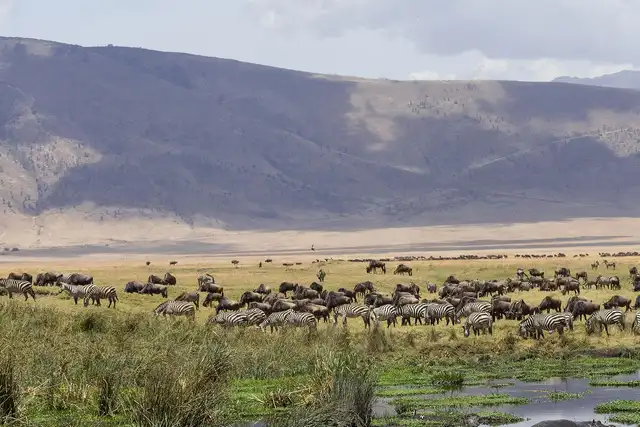
The shoreline of Lake Magadi offers open views with the crater walls as your background. You stop your vehicle at designated spots along the lake edge to take pictures of animals against the dramatic scenery. A focused Tanzania wildlife safari can get zebras, wildebeest, and flamingos all in one camera frame here. The salt deposits on the lake edge also make interesting foreground textures for your photos. For the best Tanzania wildlife safari photography experience at Lake Magadi, visit in late afternoon when the sun is lower and casts warm light across the white alkaline flats. Keep your camera ready because animals walk close to the lake edge
How much is a Tanzania wildlife safari to Ngorongoro crater
A Tanzania wildlife safari to Ngorongoro Crater generally ranges from $500 to $1,360 per person per day, depending on the season, level of accommodation, and whether you choose a group or private tour. Budget camping safaris are the most affordable, while mid-range lodge options cost more, and luxury lodges such as &Beyond Ngorongoro Crater Lodge can exceed $1,000 per night. Park fees include $70 per adult per day plus a $295 crater descent fee per vehicle, which makes visiting slightly more expensive than other parks. Transport from Arusha or Kilimanjaro adds to the cost, with most travelers opting for a 3.5–4.5 hour drive. Overall, Ngorongoro is a premium destination, but its dense wildlife and rare black rhino sightings make the investment worthwhile for a Tanzania wildlife safari
Best tips for visiting Tanzania wildlife safari to Ngorongoro crater
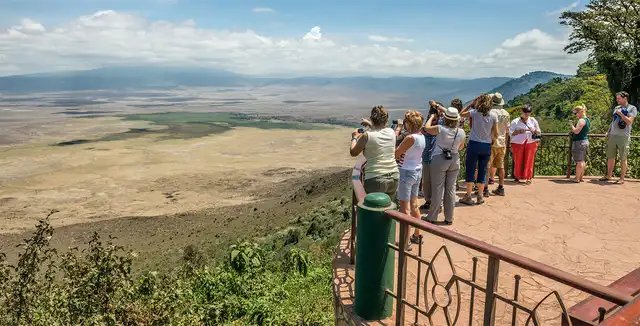
One of the most important tips for a Tanzania wildlife safari to Ngorongoro Crater is choosing the right season. The dry months from June to October offer the best wildlife visibility, but they also attract more visitors, making the crater busier. If you prefer fewer crowds and greener landscapes, the November to May period is ideal, with excellent birdwatching opportunities. Regardless of timing, start your game drives early in the morning when animals are most active and the light is perfect for photography. Planning around timing ensures you maximize sightings and enjoy a smoother Tanzania wildlife safari experience.
Ngorongoro is a premium destination, and costs can be higher compared to other parks. Entry fees, crater descent charges, and accommodation add up quickly, so budgeting in advance is essential. Opting for mid-range lodges or group camping safaris can help balance expenses without compromising the experience. Transport from Arusha or Kilimanjaro takes about 3.5–4.5 hours, so factor in travel time when planning your itinerary. A Tanzania wildlife safari here is rewarding, but being prepared for costs and logistics ensures you avoid surprises and enjoy the trip with peace of mind.
The Ngorongoro Conservation Area is not only about wildlife but also home to the Maasai people. Many tours include cultural visits, and showing respect for traditions enriches the safari experience. Supporting local communities through responsible tourism helps preserve both culture and environment. Additionally, follow park rules, avoid off-road driving, and minimize waste to protect the fragile ecosystem. A Tanzania wildlife safari to Ngorongoro becomes more meaningful when travelers contribute positively to conservation and cultural respect, ensuring the area remains vibrant for future generations
Best places to stay in Ngorongoro Conservation Tanzania wildlife safari
The best places to stay in the Ngorongoro Conservation Area during a Tanzania wildlife safari range from luxury crater-rim lodges to mid-range options and budget campsites, giving travelers flexibility based on budget and style. For those seeking high-end comfort, &Beyond Ngorongoro Crater Lodge and Ngorongoro Lodge Meliá Collection offer stunning crater views, fine dining, and premium service. Mid-range choices like Rhino Lodge and Ngorongoro Serena Safari Lodge provide comfortable stays with good access to the crater at more affordable rates. Budget travelers can opt for public campsites such as Simba Campsite, which are basic but located close to the crater rim. Whether you prefer luxury, mid-range, or budget, Ngorongoro offers accommodation that enhances the Tanzania wildlife safari experience
Booking Tanzania wildlife safari with Lamz Tours and Travel
Booking a Tanzania wildlife safari to Ngorongoro Crater with Lamz Tours and Travel ensures a well-organized experience that balances wildlife viewing, cultural immersion, and practical logistics. As a trusted local operator, Lamz Tours and Travel handles all details including park fees, transport, professional guides, and accommodation, allowing travelers to focus on enjoying the safari. The company offers flexible packages ranging from budget camping to luxury lodge stays, making it suitable for different preferences and budgets. With expertise in Tanzania’s northern circuit, Lamz Tours and Travel maximizes sightings of the Big Five, including the rare black rhino, while also incorporating visits to nearby highlights like Olduvai Gorge and Maasai villages. Choosing Lamz Tours and Travel guarantees a Tanzania wildlife safari that is both authentic and value-driven
Ready to plan your safari?
Talk to a Lamz Tours specialist and get a tailor-made quote.
Make an enquiry