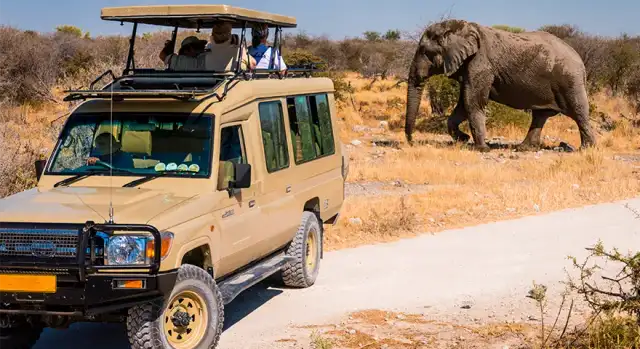
8 Day Botswana safari trip with South African safari, Kruger, Black Mambas, Moremi Gorge, Makgadikgadi Pans, and Victoria Falls for balanced wildlife and culture
Combining a Botswana safari trip with a South African safari gives travelers the chance to experience two of Africa’s most diverse wildlife destinations in one itinerary. South Africa’s Kruger National Park offers structured game drives, Big 5 sightings, and cultural experiences like meeting the Black Mambas anti-poaching unit. Botswana, on the other hand, provides raw wilderness with places such as the Okavango Delta, Chobe National Park, and Makgadikgadi Pans, where landscapes and wildlife differ dramatically from Kruger’s savannahs. Together, these destinations balance affordability, comfort, and adventure, ensuring travelers enjoy both predator-rich reserves and desert-adapted species. Ending at Victoria Falls in Zimbabwe adds a natural wonder to the trip, making the combined South African safari and Botswana safari trip a practical, rewarding, and well-rounded experience for those seeking variety and value
Our popular Botswana tours
Itinerary option 1 for best Combo
Day 1: Johannesburg South Africa
Arrive in Johannesburg and attend the mandatory briefing at 18h00, where insurance details and contacts are confirmed. Before the meeting, you can explore the city at your own pace. Pre-tour accommodation is available if your flight arrives late. This day sets the foundation for combining a South African safari with a Botswana safari trip, ensuring travelers are well-prepared for the adventure ahead. Johannesburg serves as the gateway to Kruger National Park and later transitions into Botswana, making it the ideal starting point. The briefing provides clarity on logistics, giving confidence before heading into the wilderness. By beginning here, you establish a smooth itinerary that blends the highlights of a South African safari with the unique experiences of a Botswana safari trip.
Day 2: Kruger National Park
Depart Johannesburg and drive northeast into Mpumalanga Province to enter Kruger National Park. Your South African safari begins immediately with game drives focused on the Big 5: lions, leopards, elephants, buffalo, and rhinos. Overnight camping in the Greater Kruger area keeps costs manageable while still offering proximity to wildlife. This day highlights the contrast between structured game drives and the freedom of camping, giving travelers a practical yet immersive experience. Kruger’s vast landscapes and diverse habitats make it a cornerstone of any South African safari, while its accessibility ensures smooth integration with the later stages of your Botswana safari trip, creating a well-rounded itinerary that balances affordability with quality wildlife viewing.
Day 3: Kruger National Park
Start early with coffee and rusks before morning game drives when animals are most active. Spend the day exploring Kruger’s 19,485 km² wilderness, stopping at waterholes to spot elephants, predators, and antelope. In the evening, enjoy a night drive in an open safari vehicle to see nocturnal species such as hyenas and civets. Camping inside the park adds authenticity to your South African safari, keeping you close to nature. This day emphasizes the depth of Kruger’s ecosystem, offering varied experiences from dawn to dusk. By combining extended time in Kruger with later exploration in Botswana, travelers maximize value, ensuring both the South African safari and Botswana safari trip deliver diverse wildlife encounters without unnecessary costs.
Day 4: Greater Kruger and Black Mambas
Travel to the outskirts of Kruger for a unique overnight stay with the Black Mambas, the world’s first all-female anti-poaching unit. Their bush walk educates visitors on conservation, showing how snares are located and dismantled. Dinner under lantern light and campfire discussions highlight their dedication to protecting wildlife. This experience adds depth to your South African safari, blending cultural insight with conservation awareness. Staying with the Black Mambas provides perspective on the challenges of protecting ecosystems and the importance of community involvement. For travelers, this day enriches the itinerary by connecting wildlife viewing with human stories. It ensures your South African safari complements the later Botswana safari trip, offering both adventure and meaningful engagement with conservation efforts.
Day 5: Moremi Gorge Botswana
Bid farewell to South Africa and cross into Botswana, heading to Goo Moremi Gorge near Palapye. This national heritage site features perennial streams, waterfalls, and dramatic cliffs. Optional guided hikes reveal baboons, rock rabbits, and the endangered Cape vulture nesting in the area. Camping here introduces the natural beauty of Botswana, marking the start of your Botswana safari trip. The gorge contrasts with Kruger’s savannah, offering a different ecosystem and wildlife focus. This transition highlights the diversity of southern Africa, showing how landscapes shift across borders. By including Moremi Gorge, travelers gain cultural and ecological variety, ensuring the Botswana safari trip complements the earlier South African safari, creating a balanced itinerary that blends wilderness with heritage.
Day 6: Nata and Makgadikgadi Pans Botswana experience
Travel north through rural Botswana to Nata, staying at a lodge near the Makgadikgadi Pans. Afternoon drives across this vast salt pan reveal stark desert terrain, once an ancient inland lake. During rainy months, flamingos and migratory birds gather, adding seasonal variety. This day emphasizes the uniqueness of a Botswana safari trip, showcasing landscapes unlike those in Kruger. The pans highlight Botswana’s diversity, offering travelers a chance to see wildlife adapted to extreme conditions. Staying near Nata provides comfort while keeping costs reasonable. By combining the Makgadikgadi Pans with earlier Kruger experiences, the itinerary balances desert and savannah ecosystems, ensuring both the Botswana safari trip and South African safari deliver contrasting yet complementary wildlife experiences.
Day 7: Victoria Falls tour Zimbabwe
Depart Botswana and head into Zimbabwe, stopping for lunch along the Zambezi River before reaching Victoria Falls town. Camping near the falls keeps expenses manageable while providing easy access to activities. The waterfall, known locally as “Mosi oa Tunya,” is 1.7 km wide and 108 m high, ranking among the largest in the world. This day connects your Botswana safari trip with the broader southern Africa experience, adding a natural wonder to the itinerary. Victoria Falls offers adventure activities and cultural exploration, making it a fitting conclusion to the trip. By combining Botswana’s wilderness with Zimbabwe’s landmark, travelers ensure their South African safari and Botswana safari trip end with a memorable highlight that balances cost and experience.
Day 8: Adventure activities at Victoria Falls Zimbabwe
Your safari concludes after breakfast, with optional activities such as rafting, helicopter flights, or bungee jumping available for those who wish to extend their stay. Extra nights can be booked for more time in Zimbabwe or onward flights arranged. This final day ties together the Botswana safari trip and South African safari, showing how both regions complement each other in one itinerary. Ending at Victoria Falls provides a natural finale, combining wildlife, landscapes, and adventure. For travelers, this structure ensures affordability, variety, and practical logistics. By planning carefully, the South African safari and Botswana safari trip deliver a balanced experience that meets both budget and wildlife-viewing goals
Itinerary option 2
Day 1: Johannesburg
Arrive in Johannesburg at any time and settle into your hotel. In the evening, meet your group for a welcome meeting where you’ll review important details and get to know fellow travelers. You can enjoy your first night out together by choosing an Amarula cocktail at the bar or exploring Emperors Palace, which offers a wide range of restaurants and entertainment options. This introduction sets the tone for combining a South African safari with a Botswana safari trip, giving you a chance to relax before heading into the wilderness. Starting in Johannesburg ensures smooth logistics and prepares you for the exciting blend of experiences that a South African safari and Botswana safari trip provide.
Day 2: Johannesburg to Serowe
Cross the border into Botswana and begin the long drive through central-eastern regions, where the scenery shifts from urban to remote landscapes. The day involves significant travel, but the reward is reaching the Khama Rhino Sanctuary, a conservation area dedicated to protecting rhinos and other wildlife. Here, you’ll set up camp for the night and enjoy stories around the campfire beneath the stars. This marks the start of your Botswana safari trip, offering a different pace compared to the earlier South African safari. The sanctuary provides a meaningful introduction to Botswana’s conservation efforts, while the camping experience keeps costs manageable. Combining the drive with the overnight stay ensures your Botswana safari trip begins with both wildlife and cultural value.
Day 3: Khama Rhino Sanctuary and Maun
Begin the day with a guided wildlife drive through the Khama Rhino Sanctuary, where rhinos are the main highlight alongside antelope and smaller species. Afterward, continue toward Maun, the gateway to the Okavango Delta. The scenery becomes greener and more fertile as you approach this region, offering a contrast to the arid landscapes of the previous day. This transition deepens the Botswana safari trip, showing the diversity of habitats within the country. Travelers often scroll through their safari photos during the drive, reflecting on the shift from the structured South African safari to Botswana’s more varied wilderness. By reaching Maun, you position yourself for the next stage of exploration, ensuring your Botswana safari trip continues with strong wildlife opportunities.
Day 4: Okavango Delta
Wake to the sounds of the bush and start with a guided wildlife walk, learning about animal tracks and behavior. Later, head deeper into the Okavango Delta in a traditional mokoro (dugout canoe), gliding through clear channels while spotting birds and aquatic life. The day ends at a basic bush camp, unplugged from modern comforts, where you set up camp, sing with locals, and enjoy a sundowner around the fire. This experience highlights the raw beauty of a Botswana safari trip, offering immersion in nature. Compared to the structured drives of a South African safari, the Delta emphasizes simplicity and connection with the environment. Spending the night in the bush ensures your Botswana safari trip delivers authenticity and cultural depth.
Day 5: Okavango Delta to Gweta Botswana
Rise early to watch a sunrise over the Delta before returning by mokoro through its crystal-clear channels. After freshening up in Maun, continue to Gweta, where you’ll camp under massive baobab trees. This day emphasizes the variety of a Botswana safari trip, moving from wetlands to dry landscapes. The baobabs provide a striking backdrop for camping, offering a unique experience compared to the lodges often used during a South African safari. Gweta’s location near the Makgadikgadi Pans makes it an ideal stop for travelers seeking both affordability and adventure. By combining the Delta’s waterways with Gweta’s desert atmosphere, your Botswana safari trip showcases the country’s contrasting environments while maintaining a practical and budget-conscious approach.
Day 6: Kasane and Chobe National Park Botswana
Travel north to Kasane, the gateway to Chobe National Park. Here, you can choose a river cruise along the Chobe River, famous for hosting the largest elephant population in southern Africa. The drive from Gweta to Kasane passes through fertile lands, with chances to spot antelope and predators along the way. Camping under the open sky keeps costs manageable while maintaining proximity to wildlife. This day highlights the strength of a Botswana safari trip, with Chobe offering reliable game viewing. Compared to the earlier South African safari, Chobe emphasizes elephants and river-based wildlife. Including Kasane ensures your Botswana safari trip balances affordability with access to one of Africa’s most celebrated conservation areas.
Day 7: Kasane to Victoria Falls in Zimbabwe
Cross the border into Zimbabwe and stop for a traditional lunch at the Lusumpuko Women’s Club, a community project supported by G Adventures. Continue to Victoria Falls town, where the mist signals your arrival at one of the largest waterfalls in the world. Optional activities include rafting, helicopter flights, or bungee jumping. This day connects your Botswana safari trip with Zimbabwe’s natural wonder, adding variety to the itinerary. Victoria Falls provides cultural and adventure opportunities, complementing the wildlife focus of the South African safari. By ending here, travelers enjoy a balanced itinerary that combines Botswana’s wilderness with Zimbabwe’s landmark, ensuring both the Botswana safari trip and South African safari conclude with a memorable highlight.
Day 8: Optional activities and Departure
Your safari ends after breakfast, with flexibility to extend your stay or catch onward flights. Optional activities remain available for those wanting more adventure, while extra nights can be booked to explore Zimbabwe further. This final day ties together the Botswana safari trip and South African safari, showing how both regions complement each other in one itinerary. Ending at Victoria Falls provides a natural finale, combining wildlife, landscapes, and cultural experiences. For travelers, this structure ensures affordability, variety, and practical logistics. By planning carefully, the South African safari and Botswana safari trip deliver a balanced experience that meets both budget and wildlife-viewing goals, leaving travelers satisfied with their combined adventure.
Best time to go for Botswana safari trip and South African safari
The best time to combine a Botswana safari trip with a South African safari is during the dry season months from May to October. In Botswana, this period offers excellent wildlife viewing as animals gather around permanent water sources in the Okavango Delta and Chobe National Park. Similarly, South Africa’s Kruger National Park provides reliable Big 5 sightings with thinner vegetation and cooler temperatures, making game drives more comfortable. November to April is the wet season, bringing greener landscapes, migratory birds, and fewer crowds, which can be appealing for travelers seeking quieter experiences. However, wildlife is more dispersed, and road conditions may be challenging. By aligning your travel with the dry season, you maximize sightings and comfort, ensuring both the Botswana safari trip and South African safari deliver strong value and memorable experiences.
Where to stay during Botswana safari trip and South African safari
Where you stay during a Botswana safari trip depends on your budget and the type of experience you want. Budget travelers often choose public campsites, which provide basic facilities and allow you to camp under baobab trees or near wildlife areas. Mid-range options include tented camps and lodges around Maun or Kasane, offering en-suite rooms and guided activities at reasonable prices. For those seeking comfort, lodges near the Okavango Delta or Chobe National Park provide excellent value with close access to wildlife. These choices ensure your Botswana safari trip remains affordable while still delivering authentic experiences in prime locations.
During a South African safari, accommodation ranges from budget-friendly campsites inside Kruger National Park to mid-range lodges and luxury private reserves. Camping is the cheapest option, keeping you close to nature while reducing costs. Mid-range lodges offer comfortable rooms, dining, and guided drives, balancing affordability with convenience. Luxury lodges in Greater Kruger provide private vehicles, gourmet meals, and exclusive wildlife viewing, but at higher rates. Staying inside the park maximizes game drive opportunities, while lodges outside the gates can be more affordable. Choosing the right option ensures your South African safari matches your budget and expectations, combining wildlife access with practical comfort
Booking Botswana safari trip with Lamz Tours and Travel
Booking your Botswana safari trip with Lamz Tours and Travel ensures a well-structured, affordable, and authentic experience. As a trusted operator, Lamz Tours and Travel provides transparent packages that include park fees, accommodation, and transport, avoiding hidden costs that often surprise travelers. Our expertise in destinations such as the Okavango Delta, Chobe National Park, and Makgadikgadi Pans means you benefit from efficient itineraries and reliable guides who understand local conditions. Whether you prefer group tours for budget savings or private safaris for flexibility, Lamz Tours and Travel tailors options to match your needs. With strong community ties and a commitment to conservation, they deliver meaningful experiences while ensuring safety and comfort. Choosing Lamz Tours and Travel guarantees your Botswana safari trip is memorable, responsibly managed, and excellent value for money
Ready to plan your safari?
Talk to a Lamz Tours specialist and get a tailor-made quote.
Make an enquiry