Top 20 things to do on African safari Kenya from the Great Migration to night drives, birdwatching, cycling, and cultural visits across Kenya’s top parks and lakes.
Wondering what makes Kenya one of Africa’s most rewarding safari destinations for African safari Kenya? It’s not just the wildlife it’s the variety, the rhythm of the land, and the way each experience connects you to something real. From the thunder of the Great Migration in the Masai Mara to quiet boat rides on Lake Naivasha, African safari Kenya offers more than just game drives. You’ll track lions at dawn, cycle past giraffes in Hell’s Gate, and watch elephants graze beneath Mount Kilimanjaro. Whether you’re a first-time traveler or returning for a deeper look, Kenya’s parks, lakes, and conservancies deliver wildlife, culture, and adventure in ways that feel personal and grounded.
Planning the right African safari Kenya means choosing activities that match your style whether that’s fly-camping under the stars, sailing a dhow on the coast, or visiting a Maasai village with a guide who knows the community. This guide highlights 20 top things to do, each chosen for its value, authenticity, and ability to make your trip unforgettable without relying on clichés. You’ll find practical tips, seasonal advice, and ideas that go beyond the usual. If you’re ready to build a safari that’s rich in wildlife, culture, and meaning, Kenya is waiting and this list is your starting point
Best African safari Kenya packages
3 Days Gorilla Trekking Safari in Rwanda
3 Days Chimpanzee Trekking Safari in Nyungwe Forest, Rwanda
4 Days Nyungwe Forest National Park and Lake Kivu Safari
4 Days Golden monkeys And Gorilla Trekking Safari
5 Days Amboseli and Tsavo West Wildlife Safari
6 Days Mount Kilimanjaro Machame Route
8 Day Serengeti, Ngorongoro Crater and Zanzibar
The 20 Top best things to do on African safari Kenya
1. Witness the Great Migration in the Masai Mara
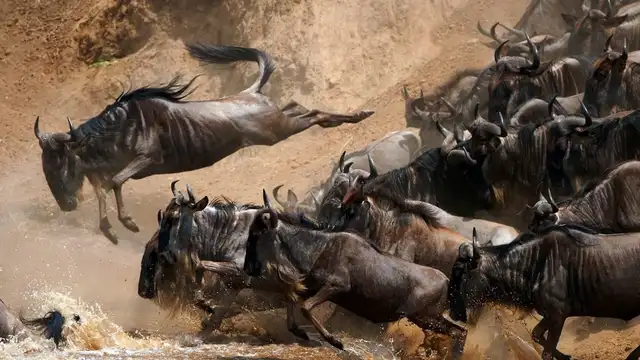
The Great Migration is the most dramatic wildlife event during African safari Kenya. From July to October, over a million wildebeest and zebra move across the Masai Mara, often crossing the Mara River where crocodiles wait. It’s loud, dusty, and intense. Camps near the river offer front-row seats, but timing is key crossings are unpredictable. Ask your guide to monitor herd movements daily. For photographers and wildlife lovers, this is a must. If you want your African safari Kenya to include real action and movement, plan around this migration window and stay flexible with your game drive schedule.
2. Track the Big Five in the Masai Mara
Seeing lion, leopard, elephant, buffalo, and rhino in one park is rare, but the Masai Mara makes it possible. The Mara Triangle is best for rhinos, while the rest of the reserve offers high predator density. If your African safari Kenya goal includes the Big Five, this is your strongest option. Go with a guide who understands animal behavior and knows quiet areas away from traffic. Morning drives are ideal for cats, while elephants and buffalo roam all day. For a complete African safari Kenya, prioritize areas with fewer vehicles and more wildlife movement.
3. Witness a Maasai Lion Hunt, the Predator Action
While traditional lion hunts are no longer practiced, the Masai Mara is one of the best places to watch lions and cheetahs hunt naturally. Early morning or dusk drives increase your chances. Watching a pride stalk prey or a cheetah sprint across the plains is intense and real. This kind of predator behavior is a major reason travelers choose an African safari Kenya. Patience and silence are key don’t rush the moment. Ask your guide to focus on predator tracking if this is a priority for your African safari Kenya experience.
4. Go on a Night Drive in a Private Conservancy
The Masai Mara Reserve doesn’t allow night drives, but private conservancies like Naboisho, Olare Motorogi, and Mara North do. This opens up a different side of African safari Kenya one filled with bushbabies, aardvarks, genets, and hunting predators. Night drives use red-filtered lights to reduce disturbance and reveal nocturnal behavior. If you want to see animals you’d never spot during the day, this is essential. For a complete African safari Kenya, include at least one night in a conservancy that offers this activity.
5. See the Samburu Special Five
Samburu National Reserve offers wildlife not found in southern Kenya. The reticulated giraffe, Grevy’s zebra, beisa oryx, Somali ostrich, and gerenuk are known as the Samburu Special Five. These species are adapted to dry conditions and are visually distinct. If your African safari Kenya includes rare animals, Samburu is a must. The landscape is open and dry, making sightings easier. Combine Samburu with the Mara or Amboseli for a well-rounded African safari Kenya itinerary that covers both classic and unique species.
6. Watch Elephant Herds at Amboseli
Amboseli National Park is one of the best places to see large elephant herds up close, often with Mount Kilimanjaro in the background. These elephants are calm and used to vehicles, so you can observe them feeding, walking in family groups, or cooling off in the swamps. For photographers and wildlife lovers, this is a highlight of any African safari Kenya. The open terrain makes sightings easy, and the light is perfect for morning and evening drives. If you want reliable elephant viewing and dramatic scenery, Amboseli should be on your African safari Kenya itinerary.
7. Spot Rhinos at Lake Nakuru
Lake Nakuru National Park is one of the few places in Kenya where you can see both black and white rhinos. The park was once a major rhino sanctuary and still offers strong chances of sightings, especially in the early morning. Flamingos also gather along the lake’s edge, creating a pink shoreline that adds color to your photos. If rhinos are on your must-see list for an African safari Kenya, this park delivers. The roads are well-maintained, and the park is compact, making it ideal for a short visit. Add Lake Nakuru to your African safari Kenya route if you want to combine birdlife with big game.
8. Take a Hot Air Balloon Safari over the Masai Mara
A sunrise hot air balloon ride over the Masai Mara gives you a quiet, wide-angle view of the plains. You’ll float above herds of wildebeest, giraffes, and elephants as the sun rises, followed by a bush breakfast with champagne. It’s a peaceful way to see the scale of the landscape and spot animals from a new angle. This is a premium experience, but many travelers say it’s worth it. If you’re planning a special moment during your African safari Kenya, this is a top choice. Book early, as spots fill fast during migration season. It’s a unique way to elevate your African safari Kenya.
9. Go Birdwatching on Lake Naivasha
Lake Naivasha is a freshwater lake known for its birdlife and peaceful boat rides. You can spot fish eagles, pelicans, kingfishers, and herons while gliding across the water. Hippos often surface nearby, adding to the experience. For bird lovers or anyone wanting a slower pace, this is a great stop on your African safari Kenya. The lake is close to Nairobi and easy to include in most itineraries. Bring binoculars and a bird guidebook to make the most of your time. A boat ride on Lake Naivasha adds variety and calm to your African safari Kenya, especially after days of bumpy game drives.
10. Walk or Cycle Among Wildlife on Crescent Island
Crescent Island, part of Lake Naivasha, offers a rare chance to walk or cycle among wild animals without predators. You’ll see giraffes, zebras, wildebeest, and antelope on foot or by bike, guided by a local expert. It’s a safe and quiet way to feel part of the landscape. This is ideal for families or travelers who want a more active African safari Kenya. The lack of fences and vehicles makes it feel natural and close. If you’re looking to stretch your legs and connect with nature, Crescent Island is a great addition to your African safari Kenya.
11. Explore Hell’s Gate National Park by Bike
Hell’s Gate is one of the few parks in Kenya where you can ride a bicycle among wildlife. The terrain includes gorges, cliffs, and open plains with zebras, giraffes, and warthogs. It’s ideal for travelers who want to be active and avoid sitting in a vehicle all day. Bikes are available for rent at the gate, and guided rides are recommended for safety. This adds variety to your African safari Kenya, especially if you’re traveling with teens or want a break from traditional game drives. Including Hell’s Gate in your African safari Kenya plan gives you a chance to move freely and enjoy nature at your own pace.
12. Sail on a Traditional Dhow on the Kenyan Coast
After your inland safari, head to the coast for a relaxing dhow cruise. These wooden boats sail near Watamu or Lamu, offering dolphin sightings, snorkeling, and sunset views. It’s a calm way to end your African safari Kenya, especially after days of dusty drives. You’ll visit coral reefs and quiet beaches, with fresh seafood served onboard. Choose a cruise that supports local communities and uses eco-friendly practices. For couples or small groups, this is a peaceful and scenic addition to your African safari Kenya itinerary. It balances wildlife with ocean life and gives you time to unwind before heading home.
13. Visit an Authentic Maasai Village
A visit to a Maasai village offers insight into one of Kenya’s most recognized cultures. Choose a camp that arranges respectful visits in private conservancies, where tourism directly supports the community. You’ll learn about daily life, traditional dress, and the famous jumping dance. This adds depth to your African safari Kenya by connecting wildlife with the people who live alongside it. Avoid staged performances and large crowds smaller, guided visits are more genuine. Including a cultural stop in your African safari Kenya helps you understand the land beyond the animals and supports local livelihoods.
14. Experience a Sundowner
A sundowner is a simple but memorable part of African safari Kenya. Your guide sets up a small bar at a quiet spot just before sunset. You’ll sip a cold drink often a Tusker beer or gin and tonic while watching the sun drop below the horizon. It’s a time to relax, reflect, and enjoy the silence of the bush. No loud music or distractions, just nature and good company. Ask for a sundowner on your last evening to mark the end of your African safari Kenya. It’s not about luxury it’s about appreciating the moment in a beautiful setting.
15. Enjoy a Bush Breakfast or Bush Dinner
After a morning game drive, your crew may set up a full breakfast table in the wild. You’ll eat eggs, fruit, and coffee surrounded by nature. At night, a bush dinner under lanterns and stars offers grilled meats and local dishes. These meals are part of the African safari Kenya experience and are often arranged by your lodge. They’re safe, well-managed, and add a special touch to your trip. If you want to celebrate a birthday or anniversary during your African safari Kenya, ask your camp to organize one of these meals in a quiet, open location.
16. Hike the Chyulu Hills
The Chyulu Hills offer a quiet, less-visited hiking experience with views stretching toward Kilimanjaro. You’ll walk through cloud forests, explore lava tubes, and enjoy open plains without crowds. This area is part of a UNESCO World Heritage Site and adds depth to your African safari Kenya. Guided hikes are essential for safety and navigation, and some lodges offer multi-day walking safaris. If you want to include physical activity and remote landscapes in your African safari Kenya, the Chyulu Hills are a strong choice. Pack good boots, layers for changing weather, and a camera you’ll want to capture the views.
17. Fly-Camp in the Bush
Fly-camping means spending a night in a simple tent set up in the wild, often with just canvas walls and a mosquito net. It’s safe, guided, and deeply connected to nature. You’ll fall asleep to animal sounds and wake up with the sunrise. This raw experience adds contrast to lodge stays and gives your African safari Kenya a more personal feel. Camps are mobile and set up in remote areas, often with bucket showers and basic meals. If you want to disconnect and feel the bush without distractions, fly-camping is a valuable part of African safari Kenya.
18. Horseback Ride Among Wildlife
In places like Ol Pejeta Conservancy or parts of the Masai Mara, you can ride horses among zebra, giraffe, and antelope. Because animals don’t see horses as a threat, you’ll get closer than you would in a vehicle. Rides are guided and matched to your skill level, with safety briefings before you start. This adds a fresh angle to your African safari Kenya, especially for repeat travelers or those looking for active options. If you’re comfortable on horseback and want a quiet way to explore, this is a great addition to your African safari Kenya itinerary.
19. Meet the Last Two Northern White Rhinos
At Ol Pejeta Conservancy, you can visit Najin and Fatu the last two northern white rhinos on Earth. This is a rare chance to learn about conservation science and see efforts to save a species. The visit is guided and respectful, with clear explanations of breeding programs and genetic research. It’s a powerful stop on your African safari Kenya, especially for travelers who care about wildlife protection. Seeing these rhinos in person adds meaning to your African safari Kenya and supports ongoing conservation work. Book in advance, as visits are limited and controlled for the animals’ wellbeing.
20. Visit a Giraffe or Elephant Sanctuary
Start or end your African safari Kenya with a visit to the Giraffe Centre in Nairobi or Reteti Elephant Sanctuary in Samburu. These places offer close-up views of rescued animals and teach visitors about conservation. You’ll learn how giraffes and elephants are cared for and released back into the wild. It’s educational, well-run, and suitable for all ages. If you’re traveling with kids or want to support ethical tourism, these stops are ideal. Including a sanctuary visit in your African safari Kenya adds purpose and helps fund local efforts to protect wildlife
Best time to go for things to do on African safari Kenya
The best time to enjoy most activities on an African safari Kenya is during the dry season, which runs from June to October. This period offers excellent wildlife viewing, especially in the Masai Mara, where the Great Migration peaks between July and September. Game drives are smoother, animals gather around water sources, and visibility is high due to thinner vegetation. If your African safari Kenya includes predator sightings, river crossings, or Big Five tracking, this is the most reliable window. It’s also ideal for hot air balloon safaris, bush breakfasts, and horseback riding, as weather conditions are stable and skies are clear.
For birdwatching, baby animal sightings, and fewer crowds, consider the short dry spell from January to February. This is when many herbivores give birth, attracting predators and offering dramatic scenes. Lake Naivasha, Lake Nakuru, and Amboseli are great during this time, with flamingos, elephants, and rhinos easily spotted. Cultural visits, cycling in Hell’s Gate, and dhow cruises on the coast also work well in these months. If your African safari Kenya includes both inland and coastal experiences, January and February offer a balanced mix of wildlife and beach activities with pleasant temperatures and manageable travel conditions
How to get there to things to do on African safari Kenya
Getting to the top experiences on African safari Kenya usually starts with flying into Jomo Kenyatta International Airport (NBO) in Nairobi, Kenya’s main international gateway. From there, travelers connect to safari destinations via domestic flights, road transfers, or chartered bush planes. For the Masai Mara, short flights from Wilson Airport in Nairobi take about 45 minutes and land directly in airstrips near lodges. If you’re heading to Amboseli, Samburu, or Lake Nakuru, road travel is possible but can be long and bumpy private 4x4 transfers are recommended. Planning your African safari Kenya with a reliable operator ensures smooth connections and avoids delays, especially during peak seasons.
For coastal and lake activities like dhow sailing, birdwatching, or cycling in Hell’s Gate, you can fly or drive from Nairobi to places like Naivasha, Watamu, or Lamu. Domestic airlines like Safarilink and Air Kenya offer regular flights to safari and beach destinations. Booking early helps secure seats, especially if your African safari Kenya includes multiple stops. Some lodges offer package deals that include flights, transfers, and activities, which simplifies logistics. Whether you’re combining wildlife with culture or adding beach time, coordinating transport early makes your African safari Kenya more efficient and enjoyable
Top destinations to visit on African safari Kenya
Kenya offers a wide range of destinations for a well-rounded African safari Kenya, with the Masai Mara National Reserve leading the list. It’s famous for the Great Migration, predator sightings, and open plains ideal for photography. The Mara Triangle is excellent for rhino tracking, while nearby private conservancies allow night drives and walking safaris. Amboseli National Park is another top pick, known for large elephant herds and views of Mount Kilimanjaro. If your African safari Kenya includes classic wildlife and dramatic landscapes, these two parks deliver consistent sightings and strong guiding standards.
For unique species and quieter experiences, head to Samburu National Reserve, home to the Samburu Special Five and striking dry-country scenery. Lake Nakuru National Park offers reliable rhino sightings and birdlife, while Lake Naivasha and Crescent Island provide peaceful boat rides and walking safaris. Ol Pejeta Conservancy combines Big Five viewing with conservation visits, including the last two northern white rhinos. If your African safari Kenya includes cultural depth, add a visit to a Maasai village or explore Hell’s Gate National Park by bike. These destinations offer variety, value, and a deeper connection to Kenya’s wildlife and people
How long to spend on African safari Kenya
For most travelers, spending 7 to 10 days on an African safari Kenya offers the right balance between wildlife viewing, cultural experiences, and relaxation. This allows time to visit key parks like the Masai Mara, Amboseli, and Samburu, while also including lake or coastal activities such as Lake Naivasha or Watamu. If your African safari Kenya includes the Great Migration or remote areas like the Chyulu Hills, plan closer to 10 days to avoid rushing. Shorter safaris (4–5 days) can work for focused trips, but they limit variety. Longer stays (12–14 days) are ideal for combining multiple regions or adding beach time. A well-paced African safari Kenya gives you time to enjoy each location without feeling overwhelmed
Cost for an African safari Kenya
The cost of an African safari Kenya varies widely depending on your travel style, season, and itinerary. Budget camping safaris start around $180 per person per day, while mid-range private safaris typically cost between $300 and $450 per person per day. For luxury safaris, expect to pay $600 to $1,500 per person per day, which usually includes full-board accommodation, park fees, a private 4x4 vehicle, and a professional guide. Most African safari Kenya packages cover meals, game drives, and transfers, but international flights, tips, and optional activities like balloon rides are extra. Booking early and traveling in shoulder seasons (March–May or November) can help reduce costs while still offering great wildlife viewing
Best tips for best African safari Kenya experience
To get the best African safari Kenya experience, plan your trip during the dry season (June–October) for easier wildlife viewing and fewer travel disruptions. Choose a mix of private conservancies and national parks to enjoy both exclusive activities like night drives and classic game viewing. Book early, especially for the Great Migration or balloon safaris, and always travel with a trusted operator who understands local logistics. Pack light but smart include neutral clothing, a good camera, binoculars, and sun protection. Respect wildlife by keeping quiet and staying in the vehicle unless guided otherwise. For a richer African safari Kenya, balance game drives with cultural visits, walking safaris, or time at lakes and the coast to experience Kenya’s full diversity
Best places to stay in during African safari Kenya experience
Some of the best places to stay during your African safari Kenya experience include Mara Intrepids Camp in the Masai Mara, known for prime game viewing near the Talek River, and Amboseli Serena Safari Lodge, which offers direct views of Mount Kilimanjaro and elephant herds. For unique species and dry-country landscapes, Saruni Samburu Lodge provides elevated views and access to the Samburu Special Five. In Ol Pejeta Conservancy, Sweetwaters Serena Camp combines Big Five sightings with conservation visits. If your African safari Kenya includes lake and birdlife activities, Lake Naivasha Sopa Resort offers boat rides and easy access to Crescent Island. Choosing well-located lodges with strong guiding and community ties enhances your African safari Kenya with comfort, wildlife access, and meaningful experiences
Why book African safari Kenya with Lamz Tours and Travel
Booking your African safari Kenya with Lamz Tours and Travel ensures a well-planned, personalized experience backed by deep regional expertise. Our team specializes in East and Southern Africa, offering tailored itineraries that match your travel style, budget, and seasonal needs. Whether you're chasing the Great Migration, exploring remote parks, or combining wildlife with beach time, Lamz Tours and Travel handles logistics, guides, and accommodations with precision. We prioritize ethical tourism, support local communities, and avoid generic packages. If you want your African safari Kenya to be original, safe, and value-driven, Lamz Tours and Travel delivers with strategic planning, expert mentorship, and high standards in every detail from packing lists to private dinners under the stars
Ready to plan your safari?
Talk to a Lamz Tours specialist and get a tailor-made quote.
Make an enquiry