Ngorongoro Crater Tanzania safari delivers dense wildlife, rare black rhinos, Maasai culture, and dramatic landscapes in a UNESCO-protected conservation area.
The interesting facts about Ngorongoro Crater make it one of the most remarkable Tanzania safari destinations in Africa. Known as the world’s largest intact volcanic caldera, it spans 260 km² and rises over 600 meters above the floor, creating a natural enclosure that supports a thriving ecosystem. Its designation as a UNESCO World Heritage Site highlights both its ecological and cultural importance, while the nickname “Garden of Eden” reflects the abundance of wildlife and permanent water sources. A Tanzania safari here offers travelers the chance to see the Big Five, rare black rhinos, and diverse habitats all within a single compact area, making it one of the most efficient and rewarding safari experiences.
Beyond wildlife, Ngorongoro Crater is deeply connected to human history and culture. The surrounding conservation area allows Maasai pastoralists to live alongside wildlife, offering visitors a glimpse into traditional lifestyles. Olduvai Gorge, located nearby, is one of the most important archaeological sites in the world, where discoveries reshaped our understanding of human evolution. This blend of natural spectacle, cultural heritage, and scientific significance makes a Tanzania safari in Ngorongoro unique. Travelers not only enjoy close-range wildlife viewing but also gain insight into conservation, community coexistence, and the origins of humankind, all within one destination
Best Tanzania safari packages
2-days-tarangire-national-park-and-ngorongoro-crater-safari
3-days-tanzania-safari-in-serengeti-national-park
3-days-tanzania-wildlife-safari
4-days-epic-tanzania-wildlife-and-culture-safari
5-day-kenya-and-tanzania-safari
5-days-circuit-wildlife-safari-in-tanzania
6-days-ndutu-migration-safari-calving-season
8-day-serengeti-ngorongoro-crater-and-zanzibar
8-days-wildlife-and-beach-holiday-tanzania
8-days-wildlife-safari-tanzania
9-days-zanzibar-and-wildlife-safari
10-days-uganda-and-tanzania-safari-gorillas-chimpanzees-and-wildlife
The 10 Top Key Facts about Ngorongoro Crater Tanzania Safari
1. The World's Largest Intact Volcanic Caldera
Ngorongoro Crater is the largest intact volcanic caldera in the world, covering about 260 km². Its rim rises more than 600 meters above the crater floor, creating a natural enclosure that supports a unique ecosystem. For anyone planning a Tanzania safari, this geological wonder offers a rare chance to see wildlife concentrated in one area without needing to travel long distances. The sheer size and natural structure make it a self-contained environment where animals thrive year-round. A Tanzania safari here ensures visitors experience both dramatic landscapes and a remarkable natural formation that has remained intact for thousands of years.
2. A UNESCO World Heritage Site and More
Ngorongoro Crater was declared a UNESCO World Heritage Site in 1979, recognizing its outstanding natural value. Beyond the crater, the larger Ngorongoro Conservation Area holds a “Mixed Site” status, protecting both cultural and natural heritage. This means visitors on a Tanzania safari not only see wildlife but also experience preserved human history and traditions. The designation ensures strict conservation measures, balancing tourism, archaeology, and pastoralist lifestyles. A Tanzania safari in this area provides travelers with confidence that their visit supports global efforts to protect one of Earth’s most important ecological and cultural landscapes.
3. The Garden of Eden and World's Eighth Wonder
Ngorongoro Crater is often referred to as the “Garden of Eden” because of its beauty and abundance of wildlife. With permanent water sources and fertile land, animals remain throughout the year, creating a dense population in a relatively small space. On a Tanzania safari, visitors can witness this natural balance firsthand, where predators and prey coexist in close proximity. The nickname “World’s Eighth Wonder” reflects the extraordinary combination of scenery and biodiversity. A Tanzania safari here ensures travelers see one of the most concentrated wildlife spectacles anywhere in Africa, all within a single enclosed ecosystem.
4. Incredible Wildlife Density and The home to Big Five
The crater is famous for its high density of predators, making it one of the best places to observe natural behavior. Lions, leopards, elephants, buffalo, and rhinos the Big Five are all present, often spotted in a single day. For those on a Tanzania safari, this offers unmatched efficiency in wildlife viewing compared to larger parks where animals are more spread out. The predator-prey balance is visible across the crater floor, giving travelers insight into natural survival dynamics. A Tanzania safari here guarantees close-range wildlife experiences without the need for extended drives across vast landscapes.
5. Home to Rare Black Rhinos
Ngorongoro Crater shelters one of East Africa’s last viable populations of black rhinos. These critically endangered animals are protected by the crater’s natural enclosure and conservation efforts. Spotting a black rhino during a Tanzania safari is a highlight, as they are rarely seen in other regions. Their presence adds immense value to the crater, making it a key destination for those seeking rare wildlife sightings. A Tanzania safari here not only provides opportunities to see common species but also contributes to awareness of ongoing conservation efforts to protect these remarkable animals.
6. A Unique Human Wildlife Coexistence Model
The Ngorongoro Conservation Area is distinctive because it allows Maasai pastoralists to live alongside wildlife. While livestock are not permitted inside the crater itself, the surrounding lands support traditional herding practices. This coexistence model is rare and adds cultural depth to a Tanzania safari. Visitors can observe how communities maintain their way of life while sharing space with wild animals. A Tanzania safari here highlights not only natural wonders but also human resilience and adaptation, offering travelers a broader understanding of how conservation and culture can work together.
7. Cradle of Humankind Olduvai Gorge
On the rim of the Ngorongoro Conservation Area lies Olduvai Gorge, one of the world’s most important archaeological sites. Fossils discovered here by the Leakey family transformed our understanding of human evolution. A Tanzania safari in Ngorongoro can be combined with a visit to Olduvai, allowing travelers to connect wildlife viewing with human history. This adds educational value to the experience, showing how the region has shaped both nature and humanity. A Tanzania safari here is not just about animals it also offers insight into the origins of humankind.
8. An Internal, Self-Sustaining Ecosystem
Ngorongoro Crater functions as a self-sustaining ecosystem. Its steep walls limit migration, meaning most animals remain year-round. Over 25,000 large mammals live within the crater, supported by permanent water and vegetation. For a Tanzania safari, this means reliable wildlife viewing regardless of season. While some species like wildebeest and zebra move in and out, the majority stay, creating a stable population. A Tanzania safari here ensures travelers see consistent wildlife activity, making it one of the most dependable safari destinations in Africa.
9. Dramatic and Diverse Landscapes
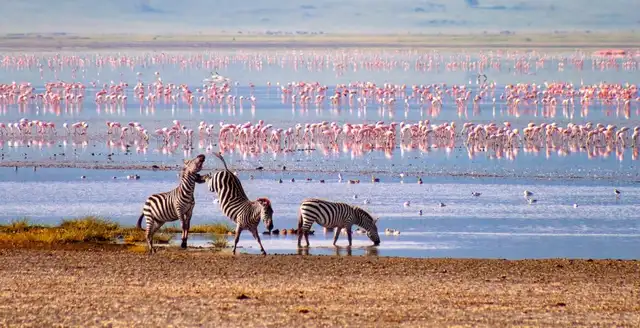
The crater floor contains forests, grasslands, swamps, and lakes, all within a compact area. Lake Magadi, a soda lake, attracts flamingos, while freshwater sources sustain hippos and other species. This diversity makes a Tanzania safari in Ngorongoro unique, as travelers experience multiple habitats in one location. The variety of landscapes supports different animal groups, ensuring every drive reveals something new. A Tanzania safari here provides value by combining multiple ecosystems into a single accessible destination, saving time while maximizing wildlife and scenery exposure.
10. Not a National Park, but a Conservation Area
Unlike national parks, Ngorongoro is a conservation area, allowing multiple land uses. Wildlife, Maasai pastoralism, and archaeology coexist under one management system. This distinction makes a Tanzania safari here different from visits to Serengeti or Tarangire, where human activity is restricted. The conservation model ensures cultural heritage is preserved alongside natural resources. A Tanzania safari in Ngorongoro offers travelers a broader perspective, showing how people and wildlife can share protected spaces while maintaining ecological balance and cultural traditions
Best time to visit Ngorongoro Crater for Tanzania Safari
The best time to visit Ngorongoro Crater for a Tanzania safari is during the dry season, which runs from June to October. Wildlife viewing is at its peak because animals gather around water sources, making them easier to spot. The roads are also more accessible, and the clear skies provide excellent visibility across the crater floor. A Tanzania safari during this period ensures travelers see the Big Five and other species without the challenge of heavy rains or muddy tracks. It’s also the most popular season, so expect more visitors, but the experience is consistently rewarding.
The wet season, from November to May, offers its own advantages for a Tanzania safari. The crater becomes greener, birdlife is abundant, and fewer tourists mean a quieter experience. Calving season for wildebeest and zebra occurs between January and March, attracting predators and offering dramatic wildlife interactions. While rain showers can make driving more difficult, the landscapes are vibrant and photography opportunities are excellent. A Tanzania safari in this period suits travelers who prefer fewer crowds and want to see the crater in full bloom, with thriving vegetation and active animal behavior
How to get there to Ngorongoro Crater for Tanzania safari
Getting to Ngorongoro Crater for a Tanzania safari is straightforward, with most travelers starting from Arusha, the main safari hub in northern Tanzania. Arusha is accessible by flights from Kilimanjaro International Airport or Julius Nyerere International Airport in Dar es Salaam. From Arusha, the crater is about 180 kilometers away, which takes roughly three to four hours by road. Many safari operators include this transfer as part of their packages, using 4x4 vehicles suited for the terrain. A Tanzania safari through this route ensures visitors enjoy scenic views of the Great Rift Valley and surrounding highlands before reaching the crater.
Another option is to fly into Lake Manyara airstrip, which is closer to Ngorongoro, reducing travel time. Charter flights connect this airstrip with other safari destinations like Serengeti, making it convenient for multi-park itineraries. From Lake Manyara, it’s about a one-hour drive to the crater’s entrance. A Tanzania safari planned this way saves time and allows travelers to maximize wildlife viewing instead of spending long hours on the road. Whether by road or air, reaching Ngorongoro is well organized, and both options provide travelers with reliable access to one of Africa’s most remarkable safari destinations
Best safari activities to do during Tanzania safari in Ngorongoro Crater
During a Tanzania safari in Ngorongoro Crater, the most rewarding activity is exploring the crater floor on game drives where wildlife is concentrated in a small area. The natural enclosure makes sightings of lions, elephants, buffalo, and even rare black rhinos highly reliable. Birdlife is equally impressive, with flamingos gathering at Lake Magadi and raptors circling above the rim. A Tanzania safari here ensures travelers maximize their time, seeing diverse species without long drives across vast landscapes. The compact setting allows for multiple sightings in a single day, making it one of the most efficient safari experiences in Africa.
Another highlight of a Tanzania safari in Ngorongoro is the cultural and historical depth that complements wildlife viewing. The Maasai communities living around the conservation area provide insight into traditional pastoralist life, while Olduvai Gorge connects visitors to human origins through its archaeological discoveries. Photography opportunities are endless, with forests, swamps, and lakes compressed into one location. Picnics at designated spots allow travelers to pause and absorb the crater’s atmosphere while still surrounded by wildlife. A Tanzania safari here blends natural spectacle, cultural heritage, and educational value, offering a complete experience that goes beyond animal sightings.
The crater’s unique ecosystem makes every Tanzania safari drive different, as animals interact in close proximity. Predators such as lions and hyenas are often seen hunting, while herds of wildebeest and zebra graze nearby. Hippos wallow in swamps, and elephants move through forested areas, creating varied scenes within a single outing. A Tanzania safari in Ngorongoro provides travelers with a chance to observe natural behavior up close, something that is harder to achieve in larger, open parks. The density of wildlife ensures that each safari feels productive, with minimal time spent searching for animals.
For those seeking variety, a Tanzania safari in Ngorongoro also includes birdwatching, photography, and quiet observation of landscapes. The crater’s soda lake attracts flamingos, while freshwater sources sustain hippos and other species. The diversity of habitats supports different animal groups, ensuring every drive reveals something new. A Tanzania safari here is not only about spotting the Big Five but also appreciating the balance of ecosystems compressed into one location. This variety makes the crater suitable for travelers with different interests, from bird lovers to photographers.
Finally, the conservation model of Ngorongoro adds depth to a Tanzania safari. Unlike national parks, the area allows for multiple land uses, including Maasai pastoralism and archaeology. This coexistence highlights how people and wildlife share protected spaces while maintaining ecological balance. A Tanzania safari here offers travelers a broader perspective, showing that conservation is not only about animals but also about preserving culture and history. The combination of wildlife density, cultural richness, and diverse landscapes makes Ngorongoro Crater one of the most valuable safari destinations in Tanzania
Best tips for experiencing Tanzania safari in Ngorongoro Crater
When planning a Tanzania safari in Ngorongoro Crater, preparation is key to making the most of the experience. Start early in the morning to maximize wildlife sightings, as animals are most active before the heat of the day. Dress in layers because temperatures can be cool on the rim and warmer inside the crater. Carry binoculars for better viewing, and ensure your camera gear is ready since the crater offers close-range photography opportunities. A Tanzania safari here benefits from having a knowledgeable guide who understands animal behavior and the best routes, so choosing an experienced operator adds real value.
Another important tip is to manage expectations and respect conservation rules. The crater is a protected area, so off-road driving is not allowed, meaning patience is essential when waiting for wildlife. Pack snacks and water, as facilities inside are limited, and use designated picnic sites to enjoy breaks safely. A Tanzania safari in Ngorongoro is best experienced with a balance of observation and appreciation, not rushing from one sighting to another. Respecting Maasai communities and wildlife ensures a meaningful visit, while planning ahead for permits and timing helps avoid crowds. This approach guarantees a smoother, more rewarding safari experience
What to carry for Tanzania safari in Ngorongoro Crater
For a Tanzania safari in Ngorongoro Crater, carrying the right essentials makes the experience smoother and more enjoyable. Pack light but practical clothing, with neutral colors that blend into the environment, and include layers for the cool mornings on the rim and warmer afternoons inside the crater. A good pair of binoculars is important for spotting wildlife at a distance, while a camera with extra batteries and memory cards ensures you capture every moment. Sunscreen, sunglasses, and a wide-brimmed hat protect against the sun, while insect repellent helps in swampy areas. Comfortable walking shoes are useful even though most viewing is done by vehicle. Don’t forget reusable water bottles, snacks, and any personal medications. With these items, a Tanzania safari in Ngorongoro becomes both safe and rewarding
Top places to srtay in During Tanzania safari in Ngorongoro Crater
Top places to stay during a Tanzania safari in Ngorongoro Crater range from luxury lodges perched on the rim to midrange camps and budget-friendly options within the conservation area. High-end choices like &Beyond Ngorongoro Crater Lodge and Entamanu Ngorongoro offer panoramic views, personalized service, and eco-conscious designs, while midrange stays such as Ngorongoro Serena Safari Lodge and Lions Paw Camp balance comfort with affordability. Budget travelers often choose Rhino Lodge, which provides simple but cozy rooms close to the crater floor. Staying on the rim ensures quick access to early morning game drives, while camps slightly further out offer quieter atmospheres. Whether seeking luxury, practicality, or affordability, a Tanzania safari in Ngorongoro provides accommodation options that match different travel styles while keeping visitors close to the wildlife action
Why book Tanzania safari to Ngorongoro Crater with Lamz Tours and Travel
Booking a Tanzania safari to Ngorongoro Crater with Lamz Tours and Travel ensures travelers benefit from expert planning, personalized itineraries, and deep regional knowledge. With years of experience in East African safaris, Lamz Tours and Travel designs trips that maximize wildlife viewing while balancing comfort, cultural immersion, and conservation awareness. Our guides are skilled at navigating the crater’s unique ecosystem, ensuring guests see the Big Five and rare black rhinos while learning about Maasai traditions and the area’s archaeological significance. Accommodation options are carefully matched to traveler preferences, from luxury lodges to practical camps, and logistics are handled seamlessly to save time and reduce stress. Choosing Lamz Tours and Travel means your Tanzania safari to Ngorongoro Crater is not only memorable but also responsibly managed, supporting local communities and sustainable tourism
Ready to plan your safari?
Talk to a Lamz Tours specialist and get a tailor-made quote.
Make an enquiry